
Sauces & Condiments
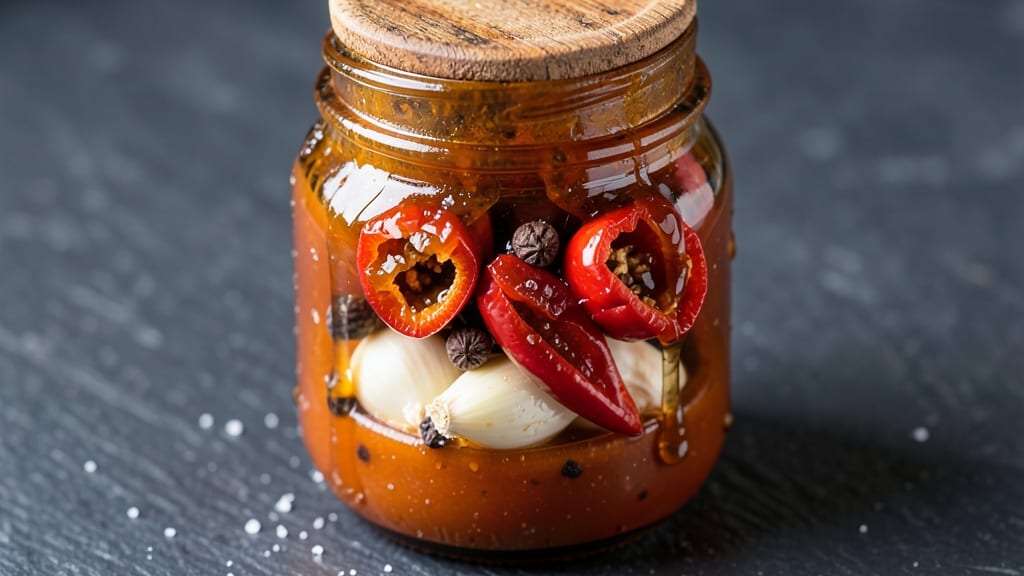
Barbados pepper sauce delivers the kind of fiery, complex heat that transforms simple dishes into unforgettable Caribbean experiences. This recipe captures the essence of island boldness—Scotch bonnet peppers, tangy vinegar, and aromatic spices simmered into a smooth, shelf-stable condiment that adds depth to everything from grilled meats to seafood. The key lies in balancing heat with acidity, creating a sauce that's both intense and versatile.
The process is straightforward but requires precision: peppers must be seeded and chopped carefully to avoid overwhelming bitterness, while simmering reduces the mixture to a thick, glossy consistency.
Quality ingredients make all the difference—opt for fresh Scotch bonnets when possible, and let the sauce rest before using to allow flavors to meld. This isn't just a condiment; it's a flavor multiplier that elevates any dish it touches.
What sets this recipe apart is its balance of heat and complexity—smoky, fruity undertones from the peppers contrast beautifully with the vinegar's sharpness. The result is a sauce that's smooth yet vibrant, with enough body to cling to food without overwhelming it.
Whether drizzled over jerk chicken, mixed into marinades, or served as a dip, it delivers restaurant-quality heat at home.
Store properly in sterilized jars, and you'll have a pantry staple that lasts for months. The slow simmering process ensures safety while developing rich, layered flavors. This is the kind of sauce that turns ordinary meals into memorable feasts—perfect for those who crave bold, authentic Caribbean heat.
Ingredients for barbados pepper sauce
Nine ingredients transform into Caribbean heat that elevates any dish with restaurant-quality intensity.
| Ingredient | Amount | Notes |
|---|---|---|
| Scotch Bonnet Peppers 🌶️ | 4 whole | Seeded, ribs removed, fresh preferred |
| White Vinegar 💧 | 1 cup | Distilled white vinegar preferred |
| Granulated Sugar 🍚 | ½ cup | White or brown sugar works |
| Garlic Cloves 🧄 | 4 cloves | Peeled, minced finely |
| Allspice Berries 🌿 | 1 tsp | Crushed lightly for aroma |
| Ground Allspice 🌶️ | ½ tsp | Substitute if whole berries unavailable |
| Ground Cinnamon 🌿 | ¼ tsp | Freshly ground preferred |
| Salt 🧂 | 1 tsp | Diamond Crystal kosher salt |
| Black Peppercorns 🌶️ | ½ tsp | Freshly cracked preferred |
| Water 💧 | ¼ cup | Filtered preferred for clarity |
Scotch bonnet peppers are the heart of this sauce—fresh is non-negotiable for authentic heat. Look for vibrant red peppers with no soft spots at specialty markets or well-stocked grocery stores like Whole Foods or Trader Joe's. If fresh aren't available, high-quality dried Scotch bonnet flakes from Caribbean markets work in a pinch, though texture differs. The vinegar should be distilled white—apple cider vinegar adds unwanted sweetness. Allspice berries are key for that island depth; Penzeys Spices carries excellent whole berries if your local store lacks them. For cinnamon, Ceylon offers a more delicate flavor than cassia, though either works.
No Scotch bonnet peppers? Habanero peppers at half the quantity provide similar heat, though with different fruity undertones. Running short on allspice? Nutmeg at one-quarter teaspoon adds warmth, though it lacks the complexity. The sugar can be swapped for agave nectar at a 1:1 ratio if you prefer a less refined sweetener. For vinegar, white wine vinegar offers a slightly more complex acidity. The water can be omitted entirely if you prefer a thicker sauce, but it helps balance the heat during simmering. Always taste before sealing—adjust sugar or vinegar to achieve that perfect balance of heat and tang.
This sauce develops rich, layered flavors over time, so sterilized glass jars are essential for storage. Process sealed jars in a water bath for 15 minutes to ensure safety, then store in a cool, dark pantry. Properly canned sauce keeps for up to 1 year, though the flavor continues evolving for 2-3 months post-canning. For immediate use, refrigerate in an airtight container where it remains potent for 3 months. The sauce thickens as it cools—stir before each use. Freeze portions in ice cube trays for convenient single-use servings.
Why You'll Love This Recipe
- No-Fuss Blend: I swear, this sauce comes together in one pot—no fancy steps, just chop, simmer, and stir. The Scotch bonnet’s heat builds as the sugar caramelizes, turning something simple into something magical without a single strainer or extra bowl.
- Heat with Depth: That first bite? Pure fire meets sweetness, but it’s the allspice and garlic that make it stay. The vinegar cuts through the heat just enough, leaving a lingering warmth that pairs perfectly with grilled chicken or even scrambled eggs.
- Pantry Staple Power: Honestly, I keep this in my fridge because it’s the ultimate shortcut—drizzle it on roasted veggies, toss it with rice, or use it as a marinade. The sugar and vinegar combo means it lasts weeks, so I’m never scrambling for a last-minute flavor boost.
- Budget Brightener: Scotch bonnets might sound fancy, but a single pepper (seeds removed for less heat) stretches into jars of sauce. I buy them in bulk when they’re cheap, and the rest? Just sugar, vinegar, and garlic I already have. Instant flavor on a shoestring.
Step-by-step instructions for Barbados pepper sauce
This traditional Caribbean condiment delivers bold, fiery heat with a perfect balance of sweetness and depth.
Sterilize the Jars and Prepare the Peppers
Begin by sterilizing your clean glass jars and lids in boiling water for 5 minutes. This ensures a safe seal and prevents contamination. While they sterilize, carefully remove the ribs and seeds from all 4 whole Scotch Bonnet peppers using a sharp knife. The peppers should be whole but hollowed out—this allows the flavors to infuse without overwhelming the sauce with raw heat.
Place the prepared peppers in a large bowl and cover them with 1 cup white vinegar. Let them soak for 15 minutes while you prepare the remaining ingredients. This step mellows the pepper's intensity slightly while preserving its signature Caribbean fire. The vinegar also helps create the tangy foundation of the sauce.
Create the Spice Infusion Base
In a medium saucepan, combine the 0.5 cup granulated sugar, 0.25 cup water, and 1 tsp salt. Bring this mixture to a gentle boil over medium heat, stirring until the sugar completely dissolves. This creates a simple syrup that will balance the pepper's heat and add depth to the sauce.
Once dissolved, remove the pan from heat and let it cool for 2 minutes. Then, add the 4 cloves minced garlic, 1 tsp crushed allspice berries, 0.5 tsp ground allspice, 0.25 tsp ground cinnamon, and 0.5 tsp cracked black peppercorns. Stir well to distribute the spices evenly. This aromatic blend forms the backbone of the sauce's complex flavor profile, complementing the peppers' fiery kick.
Combine and Simmer the Sauce
Drain the Scotch Bonnet peppers and transfer them to the saucepan with the spice mixture. Add the vinegar from soaking the peppers (about 1 cup) to the pan. Bring everything to a gentle simmer over low heat, ensuring the peppers are fully submerged. Let it cook for 15-20 minutes, stirring occasionally, until the mixture reduces slightly and the peppers become tender but still retain their shape.
You'll notice the sauce darkening as it simmers—a visual cue that the flavors are melding. The peppers should be pliable but not mushy, and the sauce should coat the back of a spoon with a thick, syrupy consistency. If the sauce reduces too quickly, add 1-2 tablespoons of water to maintain the proper balance.
Fill and Seal the Jars
Using a slotted spoon, carefully remove the Scotch Bonnet peppers from the sauce and place 1 pepper in each sterilized jar. Ladle the hot sauce evenly over the peppers, filling each jar to within ½ inch of the top. The peppers should be fully submerged in the sauce to ensure proper preservation.
Wipe the rims of the jars with a clean, damp cloth to remove any residue, then seal with the sterilized lids. Place the jars in a large pot filled with water, ensuring they are fully submerged. Bring the water to a boil and process the jars for 15 minutes to create a vacuum seal. This step ensures the sauce stays fresh and safe for months.
Cool and Store for Maximum Flavor
Remove the jars from the pot and let them cool completely on a wire rack. You'll hear the satisfying ping of the lids sealing as they cool—this confirms a proper seal. Once cooled, store the jars in a dark, cool place for at least 2 weeks before using. This aging period allows the flavors to fully develop and deepen.
The sauce will continue to improve over time, with the heat of the Scotch Bonnet peppers mellowing slightly while the spices and vinegar create a rich, complex profile. When ready to use, simply open a jar and enjoy the authentic taste of Barbados on grilled meats, seafood, or even as a bold condiment for Caribbean-inspired dishes.
Pro Tips For Making Barbados Pepper Sauce
- STEAM THE PEPPERS FIRST: I learned this the hard way—tossing raw Scotch Bonnets into the pot with vinegar means a bitter, harsh heat that fights with the sweetness. Instead, blanch them in boiling water for 30 seconds to soften the flesh and mellow the capsaicin. The sauce will be smoother, and the garlic won’t compete for flavor dominance.
- CRUSH ALLSPICE WHOLE: Skip the pre-ground spice—it loses potency fast. Lightly crush the allspice berries with a mortar and pestle (or the flat side of a knife) right before adding them to the vinegar. This releases the oils gradually, giving the sauce depth without overpowering it. Yes, it’s an extra step, but your future self will notice the difference.
- SIMMER LOW AND SLOW: After the initial vinegar boil, reduce to a gentle simmer—think small bubbles, not a rolling boil. High heat turns the sugar into a caramelized sludge that clogs the sauce. Let it work for 15-20 minutes; patience here means a glossy, balanced sauce where the heat and sweetness play nice.
- STRAIN THE GARLIC: Mashing garlic cloves into the sauce releases bitter compounds that ruin the clean, bright finish. Instead, mince them finely and strain the sauce through a fine-mesh sieve after simmering. The texture stays smooth, and the garlic’s punch remains sharp—no mushy aftertaste. (Trust me, you’ll taste the difference.)
Perfect pairings for this recipe
Caribbean Dishes
This pepper sauce transforms jerk chicken into a showstopper—brush it on before grilling for a smoky, fiery crust. I love pairing it with grilled mahi-mahi or conch fritters for a beachside vibe. The sauce's acidity cuts through the richness of fried plantains, making them irresistible. 🌶️
For Caribbean-style ribs, toss them in the sauce during the last 10 minutes of cooking. The heat penetrates beautifully while the spices caramelize. Try it on grilled lobster tails—the pepper sauce adds a bold contrast to the sweet, buttery meat.
Always taste first; adjust with a pinch of sugar if needed.
Global Fusion
Elevate tacos with a drizzle of this sauce—especially on al pastor or fish tacos. The heat balances the marinade's sweetness perfectly. I also use it as a wings sauce (mix with olive oil and serve with celery sticks) for a Caribbean twist on game day. 🍗
Stir 1 tablespoon into homemade mayo for a spicy sandwich spread—ideal on pulled pork sliders or grilled cheese. For pasta lovers, toss with fettuccine and shrimp for a bold Italian-Caribbean fusion. The sauce's depth shines in unexpected places like mac and cheese or mashed potatoes.
Drink Pairings
A crisp light rum like Bacardi Superior or Plantation 3 Stars complements the sauce's heat without overpowering it. The rum's citrus notes mirror the vinegar's tang. For non-alcoholic options, try ginger beer—its effervescence cools the palate after each bite. 🍹
Pair with dark beers like Guinness or Stout for a malty contrast to the sauce's brightness. A dry white wine such as Sauvignon Blanc works too, especially with seafood dishes. Avoid heavy reds; their tannins clash with the pepper's intensity. Always serve drinks chilled for the best experience.
Sweet Applications
Drizzle over vanilla ice cream for a spicy-sweet dessert—trust me, it's a crowd-pleaser. I also mix 1 teaspoon into chocolate chip cookie dough before baking for a kick of heat. The sauce's depth enhances caramel sauce when drizzled over grilled pineapple. 🍦
Use as a glaze for roasted sweet potatoes—toss them in the sauce before roasting at 400°F for 25 minutes. The caramelization brings out the sauce's smoky notes.
For a tropical twist, add to fruit salads with mango and passion fruit. Balance is key; start with ½ teaspoon per serving and adjust.
Nutrition facts
Frequently asked questions
How spicy is Barbados pepper sauce compared to hot sauce?
This sauce delivers authentic Caribbean heat that's significantly hotter than most commercial hot sauces. Scotch bonnet peppers (used here) rank 200,000-350,000 Scoville units, while habaneros average 100,000-350,000. The vinegar base also adds tangy complexity that mellows the raw heat slightly—think smoky, fruity intensity rather than just raw spice. Always taste before serving!
Can I make this sauce without Scotch bonnet peppers?
Yes, but expect different flavor notes. Use habanero peppers at half the quantity (2 peppers) for similar heat, though with less fruity depth. For milder heat, try jalapeños (remove seeds) but reduce to 1 pepper—the sauce will be more tangy than fiery. The allspice and cinnamon will still provide that Caribbean warmth, but the pepper's signature punch will change.
Why does my homemade sauce look cloudy?
Cloudiness usually means the peppers weren't properly submerged during simmering or the sauce didn't reduce enough. For clarity, strain the sauce through a fine-mesh sieve after simmering, then simmer again for 5-10 minutes to thicken. If using vinegar, ensure it's distilled white vinegar—other types can cause cloudiness. The sauce should be glossy when cooled, not murky.
How do I adjust the heat level?
For milder heat, reduce the pepper quantity by 1-2 peppers or remove more seeds. To increase heat, add ½ teaspoon Scotch bonnet flakes per jar. For balance, adjust the sugar: add 1 teaspoon to reduce heat, or reduce by 1 teaspoon to intensify it. Always taste before sealing—flavor develops during storage, so start conservative.
Can I make this sauce without canning?
Yes! For short-term storage, transfer the cooled sauce to sterilized airtight containers and refrigerate. It'll keep for 3 months and maintain its heat. For longer storage, freeze in ice cube trays—thaw as needed. The texture may separate slightly when frozen, so stir well before using. Just skip the water bath canning step.