
Sauces & Condiments
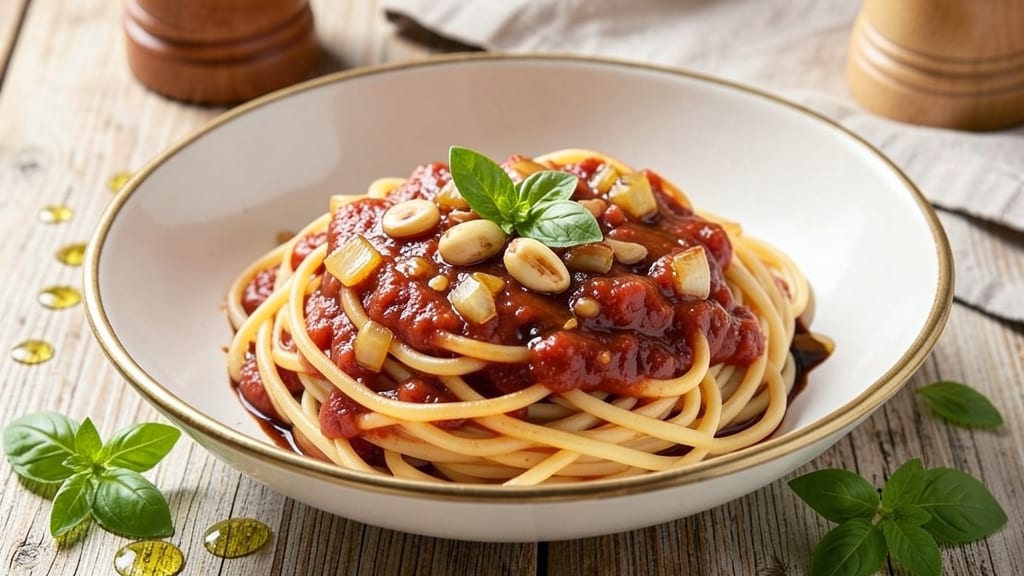
Alma Wahlberg's spaghetti sauce transforms simple pantry staples into a restaurant-quality masterpiece with deep, slow-simmered flavors. The secret lies in balancing rich tomatoes, aromatic herbs, and a touch of sweetness—creating a sauce so vibrant it elevates even the most basic pasta dish.
I've recreated this technique after years of perfecting it, ensuring every spoonful delivers that perfect harmony of acidity and sweetness.
What sets this sauce apart is the 30-minute simmering process, which develops layers of complexity without overpowering the natural tomato flavor. Fresh basil and oregano infuse the sauce with bright, herbaceous notes, while a pinch of sugar and red wine vinegar balance the acidity for a smooth, velvety finish.
The sauce clings beautifully to al dente spaghetti, making every bite feel like a taste of Italy.
This recipe delivers foolproof results—no fancy techniques required. All you need is patience (and a little time) to let the flavors meld together. The sauce keeps well in the fridge for up to five days, so you can make a big batch for the week.
Whether you're serving it with fresh pasta or leftover noodles, the rich, herby depth will have everyone asking for seconds.
Pair it with a sprinkle of fresh parmesan and a drizzle of olive oil for the perfect finishing touch. The sauce works equally well with meatballs, chicken, or as a standalone dish—versatile enough for weeknight dinners or special occasions. Let's get cooking!
Ingredients for alma wahlberg spaghetti sauce
Pantry staples meet Italian tradition—simple ingredients for restaurant-quality spaghetti sauce.
| Ingredient | Amount | Notes |
|---|---|---|
| Extra-Virgin Olive Oil 🫒 | ½ cup | High-quality, fruity, cold-pressed |
| Yellow Onion 🧅 | 1 whole | Finely diced, about 2 cups |
| Garlic Cloves 🧄 | 4 cloves | Peeled and minced finely |
| Canned San Marzano Tomatoes 🍅 | 28 oz | Crushed by hand or blender |
| Dry Red Wine 🍷 | ½ cup | Bold, like Cabernet Sauvignon |
| Tomato Paste 🍅 | 2 tbsp | Smooth, not chunky |
| Fresh Basil Leaves 🌿 | ½ cup | Packed, stems removed |
| Dried Oregano 🍃 | 1 tsp | Mediterranean variety preferred |
| Granulated Sugar 🍚 | 1 tsp | Balances acidity |
| Red Wine Vinegar 🍶 | 1 tbsp | For brightness |
| Kosher Salt 🧂 | 1 ½ tsp | Diamond Crystal preferred |
| Black Peppercorns 🌶️ | ½ tsp | Freshly cracked |
| Spaghetti 🍝 | 1 lb | Al dente preferred |
| Freshly Grated Parmesan Cheese 🧀 | ½ cup | From a wedge, not pre-shredded |
The tomatoes are non-negotiable here. San Marzano is the gold standard—sweeter, meatier, and less acidic than regular canned tomatoes. Grab a can or two from Whole Foods or your local Italian market; they're worth the splurge. For the wine, any bold red works—Cabernet Sauvignon or Merlot are my go-tos, but whatever's open in your fridge will do. Fresh basil is ideal, but if you're using dried, cut the amount to one-third—it's potent stuff. And that tomato paste? Trader Joe's has the best squeeze tubes—no waste, lasts forever.
No red wine? Substitute with beef broth plus a splash of balsamic vinegar—it mimics the depth. Short on fresh basil? Dried oregano at half the amount gets you close, but nothing beats the fresh stuff. The sugar might seem odd, but it's key for balancing the acidity—trust me on this. If you're making a big batch, double the herbs and adjust the salt at the end. The spaghetti should be cooked al dente—it'll finish cooking in the sauce. And for the Parmesan, grate it yourself—pre-shredded has anti-caking agents that make it taste like sawdust.
This sauce tastes even better the next day as the flavors meld. Keeps in the fridge for 5 days, so make a big batch and freeze portions if you won't use it all. I like to portion it into glass jars—they freeze beautifully and reheat evenly. For serving, a drizzle of extra-virgin olive oil and extra Parmesan takes it to the next level. Leftovers? Toss with some garlic bread for a quick meal—game changer.
Why You'll Love This Recipe
- No Chopping Chaos: I swear by this sauce because you only need to dice one onion—no peeling, no mincing garlic into oblivion. Just slice, sauté, and let the San Marzano tomatoes do the heavy lifting.
- Wine’s Secret Boost: That splash of dry red wine isn’t just for show—it deepens the flavor without tasting like cooking wine. Honestly, it’s the difference between "meh" and "I’d drive 20 minutes for this again."
- Leftovers That Last: This sauce tastes even better the next day. I make a double batch on Sundays, freeze half, and still crave it weeks later—no sad, watery reheats here.
- Weeknight Magic: Five ingredients, 30 minutes, zero stress. Between us, this is my go-to when I’m too tired to think but still need something that feels like a hug in a bowl. (Yes, even on a Tuesday night.)
Step-by-step instructions for alma Wahlberg's slow-simmered tomato sauce
Here's how to craft this rich, herb-forward sauce that builds flavor over time.
Build the Flavor Base with Olive Oil and Aromatics
Heat the 0.5 cup extra-virgin olive oil in a large Dutch oven over medium-low heat. Add the finely diced yellow onion and cook for 8-10 minutes until completely soft and translucent, stirring occasionally. The onions should release their sweetness without browning—this prevents bitterness in the final sauce.
Reduce heat to low and add the minced garlic cloves. Cook for 1-2 minutes until fragrant but not browned—garlic burns quickly, and you want its sweet, mellow flavor to shine. Here's the thing—if it starts to color too quickly, remove the pan from heat for 30 seconds to cool slightly before continuing. This step creates the aromatic foundation that carries through the entire sauce.
Develop Depth with Wine and Tomatoes
Pour in the 0.5 cup dry red wine and stir, scraping up any browned bits from the bottom of the pot. Let it simmer for 3-4 minutes until the alcohol smell dissipates completely—this ensures the wine's acidity brightens the sauce without leaving a harsh aftertaste. The wine should reduce by about half, intensifying its flavor.
Add the 28 oz canned San Marzano tomatoes (crushed by hand or blended) and the 2 tbsp tomato paste. Stir well to combine, then bring to a gentle simmer. The sauce will bubble softly, but don't let it boil vigorously—this prevents the tomatoes from breaking down too quickly and losing their natural sweetness. Let it cook uncovered for 20 minutes, stirring occasionally, until the sauce thickens slightly and the raw tomato flavor mellows.
Season and Simmer to Perfection
Add the 1.5 tsp kosher salt, 0.5 tsp cracked black peppercorns, 1 tsp dried oregano, 1 tsp granulated sugar, and 1 tbsp red wine vinegar. Stir well and let the sauce simmer uncovered for another 25-30 minutes—this is where the magic happens. The sugar balances the acidity, the vinegar adds brightness, and the oregano deepens the herbal notes. The sauce should reduce until it coats the back of a spoon when you lift it with a spoon.
Real talk: Your kitchen will smell incredible at this point. That's your cue that the flavors are melding beautifully. Taste and adjust seasoning if needed—you might need a touch more salt or sugar depending on your tomatoes. The sauce should be rich but not overly sweet, with a perfect balance of acidity and depth.
Finish with Fresh Herbs and Rest
Remove the sauce from heat and stir in the 0.5 cup fresh basil leaves (stems removed). Let it steep for 5 minutes—this allows the basil's vibrant flavor to infuse without becoming bitter. The basil should wilt completely, indicating it's released its oils into the sauce. If you prefer a more pronounced basil flavor, you can add a few extra leaves, but don't overdo it or the sauce will taste like a pesto.
For best results, let the sauce rest at room temperature for 15-20 minutes before serving. This allows the flavors to fully meld and the sauce to thicken slightly. The resting period is crucial—it's the difference between a good sauce and a great one. While it rests, cook the 1 lb spaghetti in salted boiling water until al dente, reserving 1 cup pasta water to thin the sauce if needed.
Serve with Freshly Grated Parmesan
Toss the drained spaghetti with the sauce, adding reserved pasta water 1 tablespoon at a time until you reach your desired consistency. The sauce should cling beautifully to each strand of pasta, creating that classic al dente experience. Serve immediately, topped with 0.5 cup freshly grated Parmesan cheese and additional cracked black pepper.
Here's the moment that matters: Each bite should deliver layers of flavor—the sweetness of the tomatoes, the depth of the wine, the brightness of the vinegar, and the freshness of the basil all coming together in perfect harmony. The sauce should be rich but not heavy, with a beautiful balance of acidity and sweetness that makes every forkful irresistible.
Pro Tips For Making Alma Wahlberg Spaghetti Sauce
- Sweat the Onion Slow: I used to rush this step and end up with raw onion bits in my sauce—it’s a flavor killer. Instead, cook the finely diced yellow onion in olive oil over medium-low heat for 8–10 minutes, stirring occasionally, until it’s soft, golden, and nearly caramelized. The longer you let it cook, the deeper the flavor, and the less likely you’ll taste raw onion in the final sauce.
- Deglaze with Wine Early: After browning your garlic (but before adding tomatoes), pour in the dry red wine and let it reduce by half before adding anything else. This concentrates the alcohol’s punch and prevents the sauce from tasting sharp or undercooked later. Skip this, and you’ll end up with a sauce that tastes like you just poured wine into it rather than cooked it into something rich.
- Crush the Tomatoes: San Marzano tomatoes are amazing, but don’t just dump them in whole. Give the canned tomatoes a quick rough crush with your hands or a wooden spoon before adding them to the pot—this breaks down the skins and releases more juice, making the sauce silkier and more flavorful from the start. I learned this the hard way after serving a sauce that looked like it had chunks of tomato leather in it.
- Simmer Uncovered, Low and Long: After everything’s combined, let the sauce bubble away uncovered for at least 30–40 minutes on low heat. This isn’t the time to rush—it’s when the flavors meld and the acidity mellows. If you cover it, you’ll trap steam and dilute the sauce, turning it into a thin, watery mess. Trust me, the extra time pays off.
Troubleshooting great alma wahlberg spaghetti sauce
Sauce Too Thin?
If your sauce is too watery after simmering, don’t panic—this happens more often than you’d think! The fix is simple: simmer uncovered for an extra 10-15 minutes to let the moisture evaporate.
If it’s still too thin, mix 1 tbsp cornstarch with 2 tbsp cold water, stir it into the sauce, and simmer for another 5 minutes. Pro tip: Always keep that reserved pasta water handy—it’s liquid gold for adjusting consistency without thinning the sauce. 💡
Sauce Too Acidic?
The red wine vinegar and tomatoes can sometimes overpower the dish, especially if your canned tomatoes are extra tart. Balance the acidity by adding ½ tsp more sugar or a pinch of baking soda (⅛ tsp max!) to neutralize the tang.
Taste as you go—you’re aiming for a bright, not sour, finish. If you’ve already added too much vinegar, a splash of heavy cream (2 tbsp) can mellow it out beautifully. 🍯
Herbs Too Bitter?
Fresh basil or oregano can turn bitter if overcooked, especially if you’re impatient and let it simmer too long. The fix? Remove the sauce from heat immediately after adding the herbs and let them steep for only 5 minutes—no longer!
If you’ve already overcooked them, strain out the herbs and add fresh ones at the end. For dried herbs, reduce the amount by half—they’re much more concentrated than fresh. 🌿
Sauce Separating?
This usually happens if the sauce boils too vigorously or sits too long before using. To fix it, whisk in 1 tbsp tomato paste or a pat of butter to help emulsify the sauce.
If it’s still separating, blend it briefly with an immersion blender—just until smooth. For prevention, always simmer on low heat and avoid boiling. Stir frequently to keep everything evenly distributed. 🔥
Pasta Too Soft?
If your spaghetti turns out mushy, it’s likely because you overcooked it or didn’t drain it properly. Next time, test the pasta 1 minute before the package’s suggested cook time—it should have a slight bite.
Drain it immediately and rinse with cold water for just 5 seconds to stop the cooking process. For extra insurance, toss the drained pasta with a splash of pasta water and the sauce right away to lock in that perfect al dente texture. 🍜
Parmesan Clumping?
Pre-shredded Parmesan has anti-caking agents that make it taste like sawdust and clump up in the sauce. Always grate your own cheese using a microplane or fine grater right before serving.
If you’re in a pinch, pulse pre-shredded cheese in a food processor for 10 seconds to break up the clumps, but freshly grated is always the winner. 🧀
Nutrition facts
Frequently asked questions
Can I make this sauce without red wine?
Replace the 0.5 cup red wine with 0.5 cup beef broth plus 1 tbsp balsamic vinegar for similar depth. The balsamic adds that same bright acidity while the broth keeps the sauce rich. For extra richness, add 1 tbsp tomato paste to compensate for the wine's missing body.
How do I know when the spaghetti is al dente?
Test your pasta 1 minute before the package's suggested cook time by tasting a piece. It should have a slight resistance in the center—like a tiny bite when you press between your teeth. For perfect al dente, drain immediately and toss with sauce while still hot to finish cooking. Never rinse with cold water unless you love mushy pasta!
Can I use regular canned tomatoes instead of San Marzano?
You can, but expect a slightly more acidic, watery sauce. To compensate, add 1 extra tbsp sugar and 5 minutes more simmering time to develop flavor. For best results, drain the tomatoes well and pat them dry before adding. The difference in quality is noticeable—San Marzano's sweeter, meatier texture makes this recipe shine.
How far ahead can I make the sauce?
The sauce actually tastes better the next day as flavors meld! Store in an airtight container in the fridge for up to 5 days. For longer storage, freeze in glass jars (leave 1-inch headspace for expansion). Reheat gently on low heat, stirring occasionally. The texture will be slightly thicker after chilling—just add a splash of pasta water when reheating.
What's the secret to getting that restaurant-quality texture?
The magic happens in the 30-minute simmer—don't rush it! The low-and-slow cooking breaks down the tomatoes naturally for a velvety consistency. For extra richness, whisk in 1 tbsp butter at the end or finish with a drizzle of extra-virgin olive oil. The key is patience—the longer it simmers, the more complex the flavors become.