

You have read a hundred of these
You’re right to be sceptical. Most recipe sites are either a grab bag of random ideas or a sales pitch for gadgets and ingredients you don’t need. The difference here isn’t that we’re better—it’s that we’re honest about what we’re not.
We don’t pretend to be chefs, we don’t hide our mistakes, and we don’t care if you’ve seen this sauce somewhere else. If a recipe works, we’ll say so. If it doesn’t, we’ll tell you why—and what we’d do differently next time.
No fluff, no filler, just the parts that matter.
The real test is whether these recipes actually make your kitchen better. If they don’t, let us know. We’d rather fix something than pretend it’s perfect.
Yes, and we’re the only one that admits it.
Anyone can write that they test things
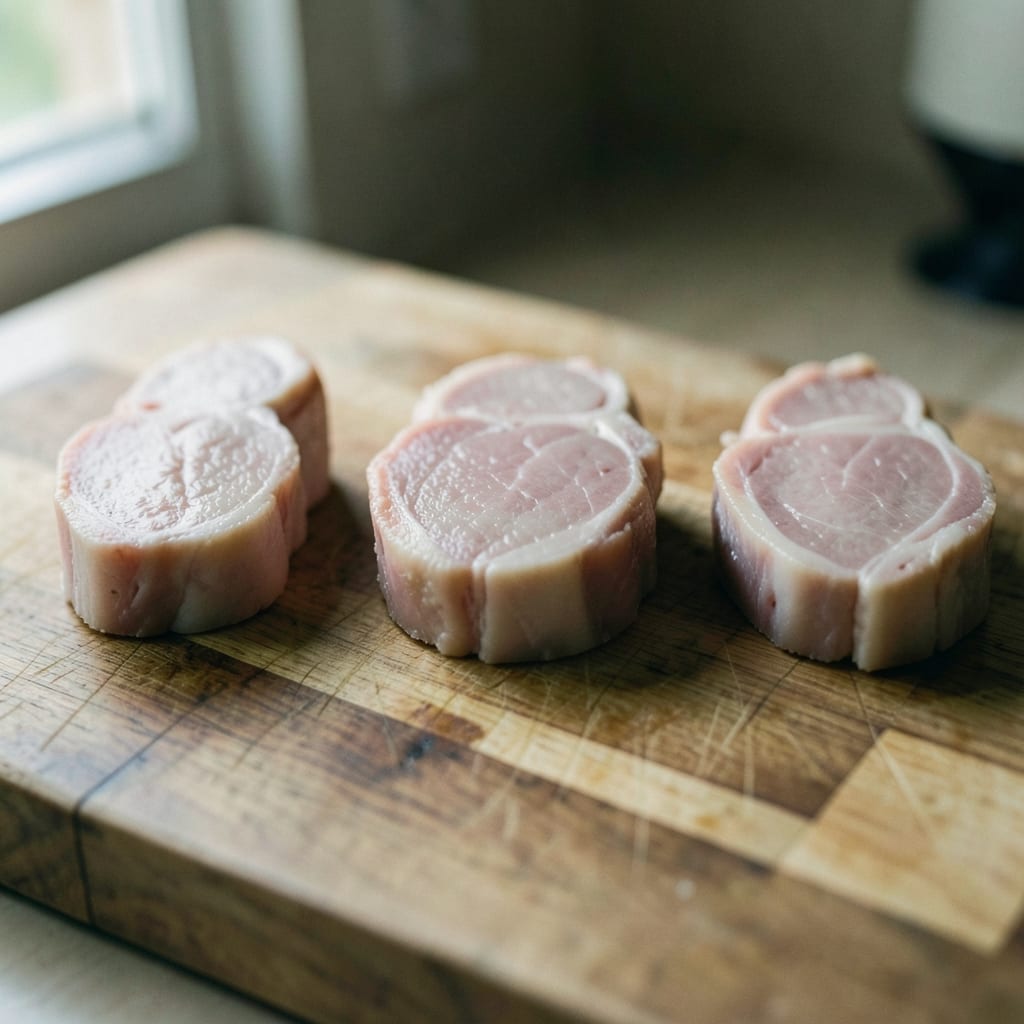
We test every recipe at least three times before it goes live. That means burning a pan, ruining a batch of ingredients, and wasting hours of time—usually on a Sunday afternoon when we’d rather be doing anything else. Some recipes take ten attempts before we’re happy with them.
We don’t just taste-test; we measure pH levels for acidity, track heat retention in slow-cooked dishes, and keep a log of every temperature, timing, and ingredient ratio. If a sauce separates after 24 hours, we’ll tell you. If a spice blend loses its kick after six months, we’ll update it.
No shortcuts. No ‘good enough.’ If it doesn’t work the fifth time, it doesn’t get published.
We’d rather you thought that than served you a lie.
About the author

Omar Rasmussen is the founder and editor of *Sauce Recipes Blend*, and the guy who still hasn’t learned how to caramelise onions without setting off the smoke alarm.
The rules i work by
- 1No borrowed glory
If a recipe is adapted, we credit the original source and explain every change. Copying isn’t testing—it’s cheating, and we don’t do it. This costs us time, because we have to track down sources and verify them, but it’s the only way to be fair.
- 2No ‘perfect’ dishes
Every recipe here has at least one flaw—maybe the texture isn’t ideal, or the prep takes longer than it should. We publish them anyway because the good parts outweigh the bad. This costs us readers who want flawless guides, but those readers don’t actually care about real cooking.
- 3No paywalls or ads
We don’t monetise recipes with affiliate links or sponsored content. If we recommend a tool, it’s because we’ve used it and it works—not because someone paid us. This costs us income, but it means you’re not reading something that was written to sell you something else.
- 4No excuses
If a recipe fails, we don’t blame the reader, the weather, or ‘user error.’ We fix it or scrap it. This costs us pride, because admitting failure is harder than pretending everything works, but it’s the only way to earn trust.
- 5No shortcuts
We don’t use pre-made mixes, ‘chef’s kiss’ shortcuts, or ‘trust me’ techniques. If a step is skipped, it’s because we’ve proven it doesn’t matter—not because we’re lazy. This costs us time, but lazy cooking is worse than no cooking at all.
When we break a rule, it’s usually because we got overconfident. Last year, we published a chilli recipe without testing the spice tolerance of three different households first—turns out, one person’s ‘mild’ is another’s ‘emergency room.’ The fix? A disclaimer and a revised heat scale for every spicy dish.
Rules exist to be tested, not worshipped.
This will not be right for everyone
If you want recipes that sound like they were written by a food critic, or if you need every dish to come with a 10-minute timer and a ‘wow factor,’ this isn’t the place. We don’t do ‘restaurant-quality’ home cooking, because most people don’t have restaurants in their kitchens.
Close this page now if you’re looking for: perfect plating, molecular gastronomy, or dishes that require ingredients you can’t pronounce. But stay if you want food that tastes good, feeds a crowd, and doesn’t make you question whether you’re doing it right.
You could just be told what you want to hear
We could say our recipes are ‘foolproof,’ that every sauce ‘pairs perfectly,’ or that our methods are ‘revolutionary.’ But you’d know we were lying, and you’d stop reading. The things worth telling you about are the ones that don’t sound like marketing.
Worth telling us
- What ingredients you *actually* have in your pantry (not just the ‘perfect’ ones).
- How much time you’re willing to spend—because some recipes take hours, even if they’re worth it.
- Whether you’d rather we fixed a recipe or scrapped it if it doesn’t work the third time.
If there’s something else you’d like to know—something that matters to *you*, not just us—let us know. The contact page is the only place we’ll answer.
The recipes are grouped by category: Appetizers, Beverages, Breakfast & Brunch, Desserts, Main Courses and Reviews.