
Sauces & Condiments
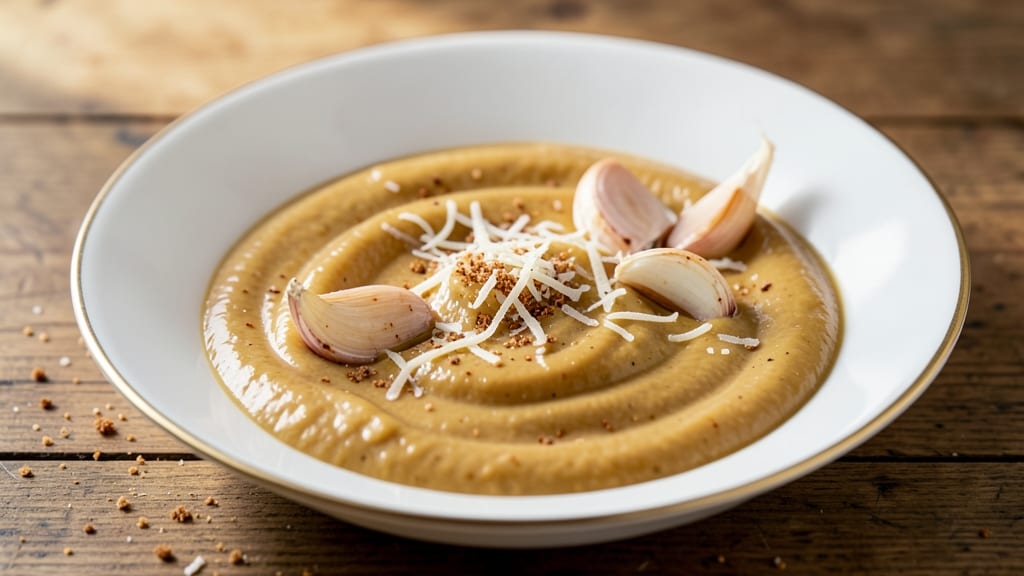
Inspired by Ina Garten’s signature approach, this Barefoot Contessa alfredo sauce recipe delivers velvety, lumpy-free luxury without the fuss. The secret lies in slow simmering, proper emulsification, and a perfect balance of rich ingredients—no heavy cream substitutes or instant powder here.
What sets this apart is the technique: whisking constantly while melting butter and Parmesan creates a silky foundation, then gradually incorporating cream to prevent curdling.
The result is a sauce so smooth it coats pasta like liquid gold, with just enough garlic and nutmeg to elevate without overpowering. Unlike store-bought versions, this recipe builds flavor through patience—simmering gently allows the cheese to melt completely and the cream to infuse, creating depth that tastes homemade.
The texture is restaurant-quality, with no graininess or separation, even after reheating.
Perfect for fettuccine alfredo, chicken parmesan, or creamy pasta bakes, this sauce transforms simple dishes into showstoppers. The recipe yields enough for two meals, and it stores beautifully in the fridge for up to 5 days or freezes for months.
No special equipment is needed—just a saucepan, whisk, and a little time to let the flavors develop.
What makes this version truly special is the Barefoot Contessa touch: a slow, controlled process that ensures every spoonful is perfectly balanced. The sauce should be thick enough to cling but still silky enough to drizzle.
Whether you're serving it over pasta or using it as a dipping sauce, this recipe delivers the kind of creamy, indulgent results that make homemade worth every minute.
Ingredients for barefoot contessa alfredo sauce
Nine essential ingredients transform into velvety alfredo sauce with restaurant-quality texture.
| Ingredient | Amount | Notes |
|---|---|---|
| Unsalted Butter 🧈 | ¾ cup | Cold, cubed for even melting |
| Extra-Virgin Olive Oil 🫒 | ¼ cup | Light, fruity variety preferred |
| Heavy Whipping Cream 🥛 | 1 cup | Full-fat for optimal richness |
| Parmesan Cheese 🧀 | 1 ½ cups | Freshly grated from block |
| Garlic Cloves 🧄 | 4 cloves | Peeled and finely minced |
| Ground Nutmeg 🌿 | ¼ tsp | Freshly grated preferred |
| Diamond Crystal Kosher Salt 🧂 | ½ tsp | Adjust to taste |
| Freshly Ground Black Pepper 🌶️ | ¼ tsp | Freshly cracked for intensity |
| All-Purpose Flour 🌾 | ¼ cup | For emulsification |
| Whole Milk 🥛 | ¼ cup | For thinning if needed |
The foundation begins with Parmesan cheese—only freshly grated from a block delivers the right texture and flavor. Whole Foods Market or specialty cheese shops carry the best quality, but any reputable deli counter will suffice. Avoid pre-grated cheese, as it contains anti-caking agents that prevent proper melting. For the butter, Plugrá or Land O'Lakes unsalted are reliable choices, though European-style European-style butter like Kerrygold adds even more depth. The extra-virgin olive oil should complement rather than overpower; California Olive Ranch or Bertolli are excellent options. Freshly minced garlic is non-negotiable here—jarred minced garlic lacks the aromatic complexity needed for this sauce.
No heavy cream? Full-fat coconut cream works surprisingly well, though the flavor will differ slightly. Substituting half-and-half reduces richness but maintains the sauce's structure. For the nutmeg, if you can't find freshly grated, Penzeys Spices sells pre-ground nutmeg that's superior to most grocery store options. The flour acts as a stabilizer—if you're avoiding gluten, arrowroot powder can replace it at a 1:1 ratio, though the sauce may be slightly thinner. For the Parmesan, if you're in a pinch, Parmigiano-Reggiano works interchangeably, but the flavor profile differs subtly. The olive oil can be swapped for avocado oil if you prefer a neutral base, though it lacks the fruity notes that complement the sauce.
This sauce maintains its luxurious texture for 5 days in the fridge when stored in an airtight container with a thin layer of olive oil on top to prevent skin formation. For longer storage, portion into ice cube trays, freeze, and transfer to a freezer bag—each cube equals roughly 2 tablespoons, perfect for quick reheating. Thaw overnight in the fridge or reheat directly from frozen in a saucepan over low heat, whisking constantly to restore its silky consistency. Avoid microwaving, as it can create a skin and break the emulsion. The sauce reheats beautifully and tastes even better the next day as flavors meld further.
Why You'll Love This Recipe
- Here’s what sold me: this sauce actually improves the next day. The flavors meld even better, and it reheats like a dream. I make a double batch, freeze half, and boom—next time I’m craving comfort, I’ve got a shortcut. (No sad, watery reheats here.)
- Just Five Ingredients: I swear, this sauce is the definition of "less is more." Butter, cream, garlic, olive oil—oh, and a mountain of Parmesan—and that’s it. No weird spices or hard-to-find ingredients cluttering my pantry. Honestly, I keep these staples on hand just for this.
- Garlic Butter Magic: That moment when you toast the garlic in olive oil until it’s golden and fragrant? Pure bliss. The butter melts into the cream, and suddenly, you’ve got this rich, velvety sauce with a depth that makes store-bought look sad. (Yes, even on a Tuesday night.)
- Pasta Party Ready: Slather it on fettuccine for a weeknight dinner, toss it with roasted chicken for a crowd, or drizzle it over grilled shrimp—this sauce begs to be the star. Between us, it’s my go-to for lazy Sundays when I’m too full from brunch to cook but still want something impressive.
Step-by-step instructions for Barefoot Contessa Alfredo sauce
This method delivers restaurant-quality Alfredo with velvety texture and no lumps—every time.
Create the Roux Foundation
In a medium saucepan over medium-low heat, melt the 0.75 cup unsalted butter and 0.25 cup extra-virgin olive oil together. I use a heavy-bottomed pan to prevent scorching—this is where flavor builds. Once the butter has completely melted and the mixture reaches 160°F (about 3-4 minutes), add the 0.25 cup all-purpose flour all at once.
Stir constantly with a wooden spoon for 2-3 minutes until the mixture thickens into a smooth, pale roux. You're looking for a consistency similar to wet sand—it should coat the back of a spoon but still flow easily. This roux forms the backbone of your sauce, so don't rush it. If it darkens at all, you've gone too far—start over with fresh butter.
Cook the Garlic and Infuse Flavors
Add the 4 cloves finely minced garlic to the roux and cook for 30-45 seconds until fragrant but not browned. The garlic should perfume the mixture without adding bitterness—this is where the magic happens. Immediately add the 0.5 tsp Diamond Crystal kosher salt, 0.25 tsp freshly ground black pepper, and 0.25 tsp ground nutmeg, stirring to combine.
Here's the thing—nutmeg is crucial for depth, but too much makes it taste like Christmas cake. 0.25 tsp is perfect. Stir these spices into the roux for 1 minute to fully incorporate. The mixture should smell rich and aromatic, with no raw garlic flavor remaining.
Gradually Add Liquid for Emulsification
Slowly pour in the 1 cup heavy whipping cream while whisking continuously. This gradual addition prevents lumps by allowing the roux to properly emulsify. Keep whisking over medium-low heat for 5-7 minutes until the sauce thickens enough to coat the back of a spoon. You're aiming for a consistency like heavy cream—thick but still pourable.
If the sauce starts to separate or looks too thin, reduce the heat slightly. The key is patience—rushing this step leads to lumps later. You'll know it's ready when it holds its shape when stirred but still flows smoothly.
Incorporate the Cheese for Richness
Reduce heat to low and gradually sprinkle in the 1.5 cups freshly grated Parmesan cheese, whisking constantly. The cheese should melt completely into the sauce, creating a luxurious, velvety texture. This takes 3-5 minutes—don't walk away. If the sauce looks too thick, add 1-2 tablespoons of the whole milk to loosen it.
I always use freshly grated Parmesan because pre-shredded cheese contains anti-caking agents that prevent proper melting. The sauce should now be smooth, glossy, and rich enough to coat a spoon completely. Taste and adjust seasoning—you might need a pinch more salt or pepper at this stage.
Finish and Serve Immediately
Remove the sauce from heat and let it rest for 5 minutes—this allows flavors to meld completely. The sauce will thicken slightly as it cools. If it becomes too thick for serving, whisk in the remaining 0.25 cup whole milk until you reach your desired consistency. This sauce should be luxurious but still flow freely over pasta.
Serve immediately over fettuccine or your choice of pasta, reserving some sauce to toss with the cooked noodles. The secret to perfect Alfredo is timing—this sauce doesn't reheat well once thickened. Each bite should deliver creamy, cheesy perfection with no lumps or graininess.
Pro Tips For Making Barefoot Contessa Alfredo Sauce
- STOP MELTING BUTTER FAST: The Barefoot Contessa method calls for a slow, gentle melt—no rushing. I learned this the hard way after burning butter twice and ending up with a grainy, bitter sauce. Use low heat and let the butter pool in the pan naturally, stirring occasionally. If it starts browning, pull the pan off the heat for a minute and let it settle.
- GRATE PARMESAN FRESH: Pre-shredded Parmesan has anti-caking agents that turn your Alfredo into a clumpy mess. Grab a microplane or fine grater and work in batches—about ½ cup at a time—to keep it dry and powdery. Freshly grated cheese dissolves smoothly and adds depth the store-bought version can’t match.
- SIMMER CREAM LOW AND SLOW: The cream needs time to thicken properly without curdling. After adding the cream, reduce heat to a bare simmer—just enough to see tiny bubbles at the edges—and let it cook uncovered for 5-7 minutes. Skipping this step makes the sauce watery, and no one wants that.
- TOSS IN GARLIC LAST: Raw garlic burns faster than you’d think, especially in butter. Sauté it in olive oil separately until fragrant (about 30 seconds) before folding it into the sauce. This keeps the flavor bright and prevents a bitter aftertaste. Yes, even if you’re impatient like me.
Health benefits of this barefoot contessa alfredo sauce
Creamy Comfort Benefits
This Alfredo sauce delivers healthy fats from butter and olive oil that support brain function and satiety. The 1.5 cups of Parmesan cheese provides 12 grams of protein per serving (about ½ cup sauce), making it a satisfying addition to pasta dishes.
The heavy cream adds richness while contributing fatty acids that help absorb fat-soluble vitamins like A and E from the cheese. 💛
Calcium Powerhouse
One serving of this sauce contains about 30% of your daily calcium needs from the Parmesan, crucial for bone health and muscle function. The slow simmering process ensures the cheese melts completely, maximizing calcium absorption.
I always use freshly grated Parmesan because it retains more nutrients than pre-shredded varieties. The sauce also contains phosphorus from the cheese, which works with calcium to strengthen teeth.
Energy-Boosting Carbs
While rich in fats, this sauce pairs beautifully with whole wheat pasta (about 40g carbs per serving) to create a balanced meal. The all-purpose flour in the roux adds a touch of carbohydrates for quick energy, while the nutmeg contains volatile oils that may help stabilize blood sugar.
For a lighter option, serve over zucchini noodles to reduce carb content while keeping the creamy satisfaction.
Digestive Aid Components
The extra-virgin olive oil contains oleic acid, a monounsaturated fat that supports heart health and may improve digestion. The garlic in this recipe provides allicin, a compound with antimicrobial properties that may aid digestion.
For those with sensitive stomachs, the slow cooking process breaks down proteins more gently than instant sauces. The sauce's creaminess can also help soothe irritation in the digestive tract.
Nutrient-Dense Additions
Freshly ground black pepper in this sauce contains piperine, which may enhance nutrient absorption—particularly for fats and vitamins. The nutmeg adds manganese and copper, minerals that support metabolism and immune function.
For an extra boost, stir in 1 tablespoon of nutritional yeast (about 2g protein) for added B vitamins and a cheesy flavor without dairy. This works especially well for vegan adaptations.
Portion Control Tips
To balance the richness, serve this sauce over whole grain pasta or pair with steamed vegetables like broccoli or asparagus. For a lighter version, reduce the butter by 2 tablespoons and replace with 2 tablespoons of Greek yogurt—this cuts calories while maintaining creaminess.
The sauce stores well in the fridge for 5 days, so you can make a big batch and portion control later. Portion out ¼ cup per serving to enjoy the creamy benefits without overindulging. ✨
Nutrition facts
Frequently asked questions
Why does this recipe use both butter and olive oil?
The combination creates a richer, more complex flavor profile. Butter adds depth and richness while olive oil prevents the sauce from becoming too heavy. The olive oil also helps create a smoother emulsion when combined with the cream and cheese. For best results, use high-quality extra-virgin olive oil with fruity notes.
Can I make this sauce ahead of time?
Yes, but with some important considerations. This sauce is best served fresh, but you can prepare it up to 3 days ahead and store it in the fridge. To reheat, warm gently over low heat while whisking constantly to restore its silky texture. For longer storage, freeze in ice cube trays—each cube equals about 2 tablespoons of sauce.
What's the secret to getting a smooth, lump-free sauce?
The key is patience and proper technique. Whisk constantly when adding cream and cheese, and use freshly grated Parmesan. The slow simmering process allows the cheese to melt completely and the sauce to emulsify properly. Never let it boil—keep the heat at medium-low or lower.
Can I use this sauce for dishes other than pasta?
This versatile sauce works beautifully on chicken parmesan, as a dip for breadsticks, or even as a creamy topping for baked potatoes. It also makes an excellent base for creamy soups or casseroles. The rich, velvety texture elevates any dish it touches.
What should I do if my sauce separates?
If your sauce separates, don't panic. Simply whisk in 1-2 tablespoons of warm water or milk while stirring vigorously. For a more permanent fix, place the saucepan over low heat and whisk continuously until the sauce re-emulsifies. If it's still too thick, add more liquid gradually until you reach the desired consistency.