
Sauces & Condiments
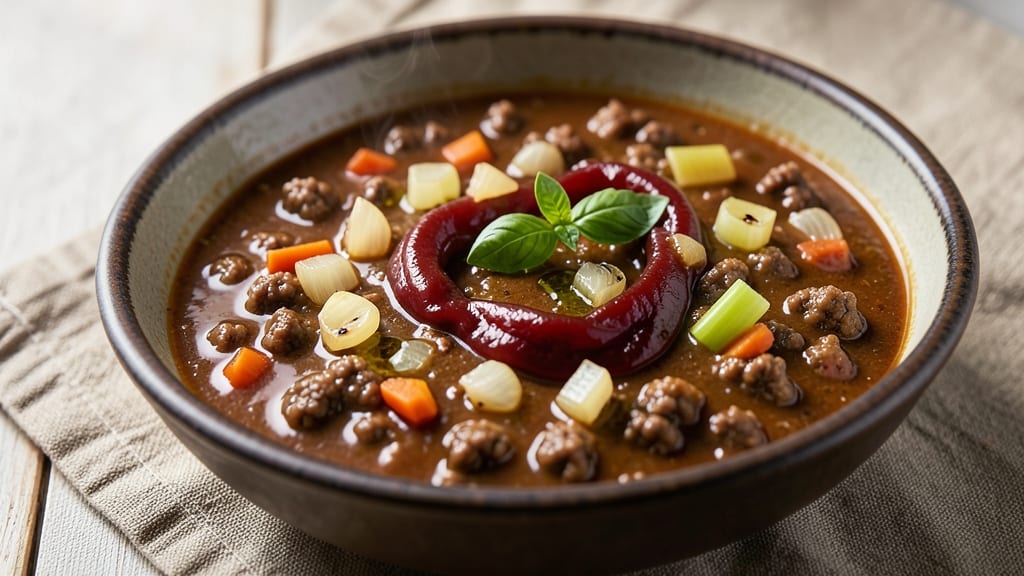
Alton Brown's spaghetti sauce recipe delivers restaurant-quality depth with a slow-simmered technique that transforms simple ingredients into something extraordinary. The secret lies in balancing acidity, sweetness, and umami through precise cooking methods—no shortcuts, just layers of flavor built over time.
This isn't just sauce; it's a symphony of tomatoes, herbs, and meat that clings to every strand of pasta like it was meant to be there.
The foundation begins with a proper soffritto—onions, carrots, and celery cooked until translucent—before adding garlic and ground meat that browns deeply for maximum flavor. Tomato paste and crushed tomatoes create the base, while herbs like oregano and basil infuse the sauce with aromatic complexity.
The magic happens during the 2-hour simmer, where flavors meld and deepen into something rich yet balanced.
What you'll end up with is a sauce that's velvety yet robust, with just the right acidity to cut through the richness. The texture is perfect—neither too thick nor too thin—coating pasta without turning it mushy.
Serve it over al dente spaghetti, topped with fresh basil and a sprinkle of parmesan, and you'll understand why this recipe stands apart from the rest.
For those who love meatballs, this sauce pairs beautifully with homemade versions, allowing every bite to be a harmonious blend of flavors. The recipe scales effortlessly, making it ideal for family dinners or meal prep.
Let's get started on creating a sauce that tastes like it simmered all day—because with Alton Brown's method, it essentially did.
Ingredients for alton brown spaghetti sauce
Sixteen ingredients to build a sauce that simmers into restaurant-quality perfection.
| Ingredient | Amount | Notes |
|---|---|---|
| Ground Beef 🥩 | 1 ½ lb | 80% lean, finely ground |
| Yellow Onion 🧅 | 2 whole | Medium, finely diced |
| Carrots 🥕 | 2 whole | Medium, finely diced |
| Celery Stalks 🌿 | 2 whole | Medium, finely diced |
| Garlic Cloves 🧄 | 4 cloves | Fresh, minced |
| Tomato Paste 🍅 | ½ cup | San Marzano preferred |
| Crushed Tomatoes 🍅 | 28 oz | Canned, high-quality |
| Red Wine 🍷 | ½ cup | Bold, dry variety |
| Dried Oregano 🌿 | 1 tbsp | Italian preferred |
| Dried Basil 🌿 | 1 tbsp | Or sub fresh basil |
| Bay Leaves 🌿 | 2 whole | Fresh preferred |
| Salt 🧂 | 1 ½ tsp | Diamond Crystal preferred |
| Black Pepper 🌶️ | ½ tsp | Freshly ground |
| Sugar 🍬 | ½ tsp | Balances acidity |
| Spaghetti 🍝 | 1 lb | Al dente preferred |
The meat is non-negotiable—80% lean ground beef gives you that deep umami flavor without excess fat. Trader Joe's and Costco carry excellent quality at reasonable prices. For the soffritto, equal parts onion, carrot, and celery create the aromatic base. If you're short on time, frozen diced soffritto works in a pinch, but fresh is always better. The San Marzano tomato paste is worth the splurge—its sweetness and depth are unmatched. Grab a small can from Italian specialty stores or online retailers like Eataly.
No red wine? Substitute beef broth with a splash of balsamic vinegar—it mimics the acidity and depth. Fresh basil is ideal, but dried basil at half the amount works if you're in a hurry. The crushed tomatoes can be any high-quality brand—Muir Glen or Rao's are reliable choices. If you prefer a smoother texture, blend half the sauce before adding the remaining crushed tomatoes. For extra richness, stir in 1/4 cup heavy cream at the end, but this isn't traditional—just a personal touch I add when serving to guests who love creamier sauces.
This sauce tastes even better the next day as flavors meld. Store in an airtight container in the fridge for up to 5 days. For longer storage, freeze portions in ziplock bags for up to 3 months. I always make a double batch—one for dinner and one to freeze for lazy weeknights. When reheating, add a splash of water or broth to prevent thickening. Serve over al dente spaghetti, topped with fresh basil and a sprinkle of Parmigiano-Reggiano for the full Alton Brown experience.
Why You'll Love This Recipe
- One-Pot Magic: I swear by this recipe because it’s actually a one-pot wonder—no extra bowls, no messy transfers. Brown the beef right in the pot with onions, carrots, and celery, then just simmer. That’s it. The veggies soften into the sauce while you’re chopping garlic, and suddenly, dinner’s ready.
- Garlic Bomb: Between us, the garlic in this sauce is next-level—minced fresh, not powdered, and toasted just enough to make the whole kitchen smell like heaven. It’s that crispy edge with the creamy center that turns a simple jar of tomato sauce into something you’ll lick the bowl for.
- Lunchbox Hero: This sauce is my secret weapon for meal prep. It reheats like a dream, whether tossed with pasta, stuffed in sandwiches, or dumped over grilled cheese. I make a double batch on Sundays, and by Wednesday, I’m still eating it—no sad leftovers here.
- Budget Stretch: Ground beef, onions, carrots, celery—these are the pantry staples that won’t break the bank. A pound of beef and a few veggies go a long way, and the sauce freezes like a champ. Honestly, it’s the kind of recipe that makes grocery day feel like a win.
Step-by-step instructions for Alton Brown's spaghetti sauce
This method delivers deep, complex flavor through slow simmering and proper technique.
Build the Flavor Base
Heat a large Dutch oven over medium-high heat and add the 1.5 lb ground beef. Cook, breaking it apart with a wooden spoon, until it loses its raw color and browns completely—about 8-10 minutes. This browning creates the rich foundation for your sauce.
Once the beef is fully cooked, drain most of the fat but leave about 2 tablespoons in the pot. Add the 2 whole finely diced yellow onion, 2 whole finely diced carrots, and 2 whole finely diced celery stalks. Cook for 5-6 minutes, stirring occasionally, until the vegetables soften and the onion becomes translucent. This aromatic vegetable trio forms the classic "soffritto" base.
Add Aromatics and Tomato Paste
Push the vegetables to one side of the pot and add the 4 minced garlic cloves to the empty space. Cook for 30 seconds until fragrant—don't let it burn, or it will turn bitter. Stir well to combine with the vegetables.
Reduce heat to medium-low and add the 0.5 cup tomato paste. Stir constantly for 2 minutes to cook out the raw taste of the tomato paste. This step develops depth and prevents a metallic flavor in your finished sauce. The paste will darken slightly as it cooks down.
Simmer with Tomatoes and Wine
Pour in the 28 oz crushed tomatoes and 0.5 cup red wine, scraping up any browned bits from the bottom of the pot. These bits contain concentrated flavor that would otherwise go to waste. Add the 2 whole bay leaves, 1 tbsp dried oregano, 1 tbsp dried basil, 1.5 tsp salt, 0.5 tsp black pepper, and 0.5 tsp sugar.
Bring the mixture to a gentle simmer, then reduce heat to low. Partially cover the pot and let it simmer uncovered for 45-60 minutes, stirring occasionally. The sauce should reduce slightly and develop a thick, glossy consistency. This slow cooking allows the flavors to meld together beautifully, creating that restaurant-quality depth.
Finish and Serve
After simmering, taste the sauce and adjust seasoning if needed. Remove the 2 bay leaves as they can become bitter when overcooked. The sauce should be rich, slightly sweet, and well-balanced with acidity from the tomatoes.
To serve, cook the 1 lb spaghetti according to package instructions until al dente. Drain and toss with the sauce, reserving ½ cup pasta water to loosen the sauce if needed. Serve immediately with grated Parmesan cheese and fresh basil for an authentic Italian experience.
Pro Tips For Making Alton Brown Spaghetti Sauce
- CRUSH THE SOFFRITO: Alton’s recipe starts with onion, celery, and carrots—don’t skip the full 10 minutes of low-and-slow cooking. I used to rush it, and the flavor was always flat. The veggies should be soft enough to collapse under a fork, not just slightly translucent. (Yes, even if you’re impatient like me.)
- BROWN THE BEEF RIGHT: Drain the grease after the beef is fully browned, not halfway. Partial browning means uneven cooking and a dull sauce. Work in batches if needed—crowding the pan steams the meat instead of searing it. The goal is a deep, caramelized crust, not just pink bits.
- MINCE THAT GARLIC: The recipe says "minced," but store-bought jarred garlic won’t cut it here. Freshly minced garlic burns fast and adds a bright, aromatic punch. If you’re short on time, finely chop it instead of using pre-minced—it’s the difference between "meh" and "wow." (Your future self will notice.)
- SALT THE WATER LIBERALLY: Boil your pasta in well-salted water—at least 1 tablespoon per quart, more if you’re using a big pot. The sauce will absorb some of the starch, but the pasta needs that initial salt hit to taste right. I learned this the hard way after making bland spaghetti for years. Trust the process.
Best sauces and condiments for alton brown spaghetti sauce
Classic Pairings
This sauce shines best with al dente spaghetti—the slight firmness helps it cling beautifully to each strand. I recommend Barilla #5 or De Cecco for their consistent texture.
For a rustic twist, try bronze-cut rigatoni or penne pasta, which hold the sauce in their ridges like little flavor traps. 🍝
Meatball Magic
Homemade beef meatballs are a perfect match—simmer them directly in the sauce during the last 30 minutes of cooking. For extra richness, use ground pork instead of beef.
I like to make them with grated Parmesan, breadcrumbs, and egg for structure. Serve 2-3 meatballs per person alongside your pasta.
Cheese Toppings
Freshly grated Parmigiano-Reggiano adds a nutty depth that elevates the dish. For a creamy finish, sprinkle with shaved pecorino romano or a dollop of ricotta salata. Avoid pre-shredded cheese—it contains anti-caking agents that make the sauce grainy.
A pinch of red pepper flakes adds just the right kick for those who love heat. 🧀
Bread & Wine
Serve with crusty Italian bread like ciabatta or focaccia to soak up any leftover sauce. For wine, a Chianti Classico or Montepulciano d'Abruzzo complements the acidity and richness perfectly. If you prefer beer, a Peroni or Birra del Borgo Italian lager keeps the flavors clean and refreshing.
Vegetable Sides
A simple garlic sautéed spinach or roasted broccolini adds freshness to balance the richness. For a heartier meal, include creamy polenta or garlic bread on the side. I also love adding sautéed mushrooms—they absorb the sauce beautifully and add an earthy depth.
Make-Ahead Tips
This sauce tastes even better the next day, so make it ahead and store in an airtight container in the fridge for up to 5 days. For longer storage, freeze in ziplock bags for up to 3 months.
When reheating, add a splash of water or pasta water to prevent thickening. Serve with fresh basil just before eating for maximum flavor. ✨
Nutrition facts
Frequently asked questions
Why does Alton Brown's recipe call for a 2-hour simmer?
The long simmer is essential for developing deep, complex flavors. This slow cooking process allows the ingredients to meld together, breaking down collagen in the meat and vegetables for a richer texture while balancing acidity with sweetness. Skipping this step results in a sauce that tastes flat and one-dimensional.
Can I substitute ground turkey or chicken for the beef?
Yes, but expect a lighter flavor profile. Ground turkey or chicken works well, though you may want to add 1 extra tablespoon of tomato paste or 1 teaspoon of balsamic vinegar to compensate for the reduced richness. For best results, use a high-quality ground poultry with at least 15% fat content to maintain moisture.
What's the best way to prevent the sauce from getting too thick?
Always keep the sauce uncovered during simmering to allow moisture to evaporate gradually. If it thickens too much, stir in 2-3 tablespoons of water or pasta water while reheating. Never skip the 45-60 minute simmer time—this is when the sauce develops its ideal consistency through natural reduction.
How do I make this sauce vegetarian?
Replace the ground beef with 1 cup of finely chopped mushrooms and 1/2 cup cooked lentils for texture. Add 1 teaspoon of soy sauce or miso paste for umami depth. The soffritto vegetables will provide enough flavor, but consider adding 1 extra bay leaf and 1/2 teaspoon of smoked paprika to enhance the meaty quality.
Can I make this sauce in a slow cooker?
Brown the meat and vegetables in a skillet first, then transfer everything to the slow cooker. Cook on low for 6-7 hours or high for 3-4 hours, stirring occasionally. The slow cooker method works particularly well for busy weeknights and results in a sauce that's even more tender and flavorful.