
Sauces & Condiments
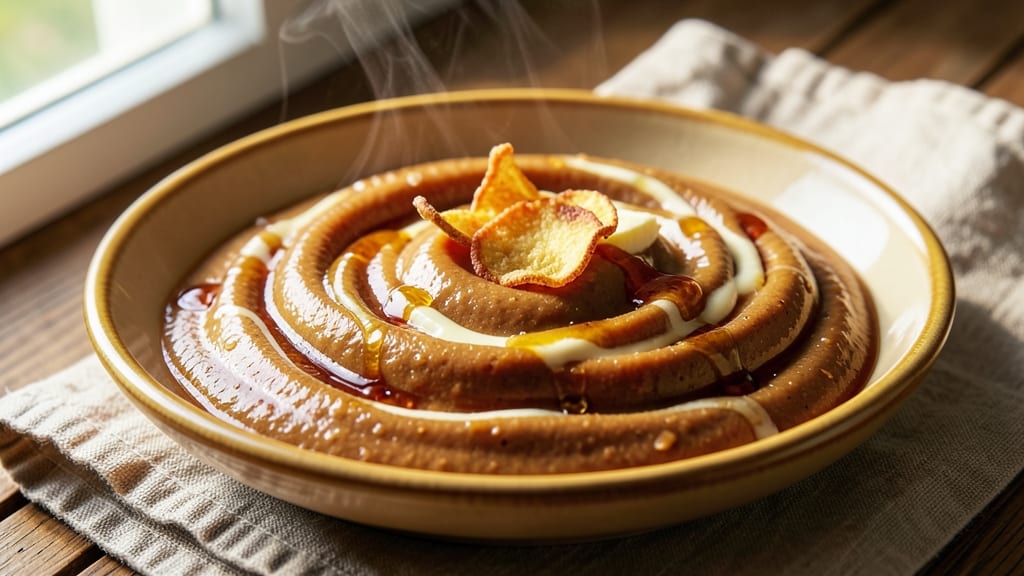
This apple mustard sauce recipe transforms humble ingredients into a versatile glaze that elevates everything from roasted pork to apple cakes. The perfect balance of sweet apple cider and sharp mustard creates a tangy, caramelized sauce that clings beautifully to meats and enhances baked goods with depth.
Professional chefs and home cooks alike rely on this sauce to add complexity to dishes with minimal effort.
The secret lies in simmering apple cider with Dijon mustard until it thickens into a glossy, aromatic sauce. A touch of brown sugar deepens the caramel notes, while a splash of apple cider vinegar brightens the flavor profile.
This sauce is incredibly adaptable—use it as a glaze for roasted chicken, a dipping sauce for pretzels, or a drizzle over fresh fruit tarts.
What sets this recipe apart is its foolproof simplicity: no fancy techniques required, just a saucepan and 20 minutes of active time. The sauce thickens as it cooks, creating a velvety texture that coats ingredients perfectly.
It stores well in the refrigerator for up to two weeks, making it ideal for meal prep or holiday entertaining.
For those seeking dietary flexibility, a vegan version replaces honey with maple syrup and uses plant-based mustard. The result remains rich and flavorful, proving this sauce is a crowd-pleaser for any table. Ready to elevate your dishes with this game-changing condiment?
Ingredients for apple mustard sauce
Eight essential ingredients create a sauce that bridges sweet and tangy perfection for any dish.
| Ingredient | Amount | Notes |
|---|---|---|
| Apple Cider 🍎 | 1 ½ cups | Unfiltered preferred for depth |
| Dijon Mustard 🌶️ | ½ cup | High-quality for tangy flavor |
| Brown Sugar 🍚 | ¼ cup | Light or dark works equally |
| Apple Cider Vinegar 🍋 | ¼ cup | For brightness and tang |
| Honey 🍯 | 2 tbsp | Or maple syrup for vegan option |
| Unsalted Butter 🧈 | 2 tbsp | Full-fat for richness |
| Fresh Lemon Juice 🍋 | 1 tbsp | Brightens the sauce |
| Salt 🧂 | ½ tsp | Kosher or sea salt preferred |
| Ground Black Pepper 🌶️ | ¼ tsp | Freshly ground for best flavor |
| Fresh Thyme Leaves 🌿 | 1 tsp | Or 0.25 tsp dried thyme |
The apple cider sets the foundation—look for unfiltered brands like Mott's or Woodchuck for deeper flavor. Dijon mustard should be smooth, not grainy—Maille or Colman's are reliable choices. Brown sugar adds caramel depth, but light or dark works equally—just adjust to taste. Fresh thyme elevates the sauce, though dried works in a pinch at one-quarter the amount. For the honey, local raw honey adds subtle floral notes, but any variety works. Butter contributes richness, so don't skimp on full-fat—reduced-fat versions won't yield the same velvety texture.
No apple cider vinegar? White vinegar or balsamic vinegar both work, though the flavor profile shifts slightly. Short on honey? Maple syrup or agave nectar are direct swaps for a vegan version. Mustard too strong? Dilute with 1 tbsp water before adding. The sauce thickens as it cooks, but if it's too thin, simmer uncovered for an extra 2-3 minutes. For a smoother finish, strain through a fine-mesh sieve before serving, though the texture remains delicious either way. The lemon juice can be omitted if you prefer a less acidic profile, but it balances the sweetness beautifully.
This sauce stores exceptionally well—keep it airtight in the fridge for up to 2 weeks. The flavors actually deepen over time, making it perfect for holiday entertaining. For longer storage, freeze in ice cube trays and transfer to a container—thaw overnight in the fridge. The sauce reheats beautifully, so portion it into small jars for easy use. A drizzle over roasted meats, a glaze for baked apples, or a dip for pretzels—this versatile sauce deserves a permanent spot in your pantry.
Why You'll Love This Recipe
- Five-Ingredient Magic: I swear by this combo—just simmer apple cider, mustard, and vinegar, then stir in honey and sugar. No peeling, no chopping, no fuss. That’s how you make something feel special without the stress.
- Sweet-Savory Balance: The tangy mustard cuts through the honey’s richness while the vinegar keeps it bright—not cloying, not sharp, but that perfect just-right harmony. Honestly, it’s the kind of sauce that makes you go back for seconds without even realizing why.
- Game for Any Meal: Drizzle it over roasted pork, toss it with greens, or slather it on sandwiches. Even my picky teenager asks for it on his grilled cheese. It’s the kind of sauce that turns ordinary meals into something memorable.
- Leftovers That Don’t Suck: This sauce actually improves overnight—flavors meld, sweetness deepens. Store it in the fridge for up to a week, and it’s still better than store-bought. (Yes, even on a Tuesday night.)
Step-by-step instructions for apple mustard sauce
Here's the method for crafting a perfectly balanced sweet-tangy glaze that elevates roasted meats and baked goods.
Combine Wet Ingredients in a Saucepan
In a medium saucepan over medium heat, whisk together the 1.5 cups apple cider, 0.5 cup Dijon mustard, 0.25 cup brown sugar, 0.25 cup apple cider vinegar, and 2 tbsp honey. Stir continuously for 2-3 minutes until the sugar fully dissolves and the mixture begins to simmer gently. You'll notice the aroma deepen as the apple cider's natural sweetness blends with the vinegar's sharpness.
This initial combination creates the sauce's foundational balance. The apple cider provides depth, while the vinegar and mustard introduce that essential tang. Keep the heat at medium—too high and the sugar will caramelize too quickly, altering the sauce's texture.
Add Butter and Lemon Juice
Reduce the heat to low and whisk in the 2 tbsp unsalted butter and 1 tbsp fresh lemon juice. Continue cooking for another 3-4 minutes until the butter melts completely and the sauce begins to thicken slightly. The butter adds richness that rounds out the sauce's acidity, while the lemon juice brightens the overall flavor profile.
At this stage, the sauce should coat the back of a spoon but still be pourable. If it thickens too quickly, add 1-2 tablespoons of water to maintain the right consistency. Stir frequently to prevent scorching—this sauce needs gentle attention to develop properly.
Season and Simmer to Perfection
Add the 0.5 tsp salt, 0.25 tsp ground black pepper, and 1 tsp fresh thyme leaves. Increase the heat to medium-low and let the sauce simmer uncovered for 10-12 minutes, stirring occasionally. The thyme will release its aromatic oils, adding a subtle herbal note that complements the apple and mustard flavors.
You're looking for a sauce that coats a spoon smoothly with a glossy sheen. The color should be a rich amber, indicating the flavors have melded perfectly. Taste and adjust seasoning if needed—this is where you fine-tune the balance between sweet, tangy, and savory. The sauce should be sweet enough to glaze but still have that sharp mustard kick.
Finish and Strain (Optional)
Once the sauce reaches your desired consistency and flavor balance, remove it from heat. For a completely smooth finish, strain it through a fine-mesh sieve to remove any thyme stems or mustard seeds. This step is optional but creates a velvety texture that works beautifully on baked goods.
Let the sauce cool to room temperature before using it as a glaze. The flavors will continue developing as it cools, intensifying the apple and mustard notes. This sauce keeps well in the refrigerator for up to 1 week in an airtight container, making it perfect for meal prep.
Pro Tips For Making Apple Mustard Sauce
- Simmer Gently: If you’re whisking this sauce over heat, don’t boil it—just a gentle simmer. I learned this the hard way when my sauce curdled into a grainy mess last Thanksgiving. Keep it at a low simmer (barely bubbling) so the honey and vinegar don’t turn harsh.
- Strain the Cider: Use unfiltered apple cider—it’s got more depth—but strain it first if you’re picky about texture. Sediment can make the sauce gritty, and nobody wants that when dipping crispy roasted chicken. A fine-mesh sieve takes 30 seconds and saves you from chewing on apple bits.
- Balance the Mustard: Start with less Dijon than the recipe says, then taste. I used to dump it all in and end up with a bitter punch. Add it gradually—you can always stir in more, but you can’t fix overpowering mustard. Think "supporting actor," not lead role.
- Reduce Early: If your sauce is too thin, don’t just add more sugar—reduce it first. Simmer uncovered for 3–4 minutes until it thickens slightly. This concentrates the flavors and gives you that glossy, restaurant-quality finish. (Yes, even if you’re impatient like me.)
Storing and reheating your apple mustard sauce
Refrigerator Storage
Transfer your cooled apple mustard sauce to an airtight container—I prefer glass jars with silicone seals—and store it in the fridge for up to 2 weeks. The flavors actually deepen over time, becoming more complex as the apple and mustard notes meld together.
When ready to use, simply stir and reheat gently on the stovetop over low heat for 3-5 minutes to restore its glossy texture. 🌟
Freezer Preservation
For longer storage, portion the sauce into ice cube trays or small silicone molds before transferring to a freezer bag. This makes it easy to thaw just what you need—simply pop a cube into a saucepan with 1 tablespoon of water and warm over low heat for 2 minutes.
The sauce will retain its vibrant color and balanced flavors, though you may need to stir in a pinch of apple cider vinegar if it tastes slightly muted after freezing.
Reheating Techniques
For stovetop reheating, pour the sauce into a small saucepan and warm over medium-low heat for 5-7 minutes, stirring occasionally. If it thickens too much, add 1-2 teaspoons of water or apple cider to restore its pourable consistency.
For microwave reheating, transfer to a microwave-safe bowl and heat in 30-second intervals on 50% power, stirring between each interval to prevent hot spots. Always reheat until steaming hot to ensure food safety.
Thawing Frozen Sauce
Thaw overnight in the refrigerator for best results, though a quick thaw is possible in the microwave. Place the frozen sauce in a microwave-safe bowl and heat on defrost setting for 1-2 minutes, then stir and continue in 10-second bursts until fully thawed.
The texture may appear slightly separated, but a quick stir over low heat on the stovetop will restore its smoothness. Never thaw at room temperature to prevent bacterial growth.
Sauce Consistency Fixes
If your reheated sauce seems too thick, thin it with 1 teaspoon of water or apple cider at a time until it reaches your desired consistency. For a thicker glaze, simmer uncovered over low heat for 2-3 minutes to reduce the liquid content.
The sauce should coat the back of a spoon but still be pourable—this is the perfect balance for glazing meats or drizzling over baked goods. A splash of lemon juice can also help brighten the flavors if they've mellowed during storage.
Nutrition facts
Frequently asked questions
Can I make this apple mustard sauce without honey?
For a vegan version, substitute the 2 tbsp honey with 2 tbsp maple syrup or agave nectar. The sauce will maintain its sweet-tangy balance while keeping it plant-based. For a slightly different flavor profile, you could also use 1 tbsp brown sugar plus 1 tbsp water to mimic the honey's sweetness without animal products.
What's the best way to use this sauce for roasted meats?
Brush this sauce on meats during the last 10-15 minutes of roasting for a perfect glaze. It works beautifully with pork tenderloin, chicken thighs, or even beef ribs. For extra shine, reheat the sauce briefly before applying. For a deeper flavor, let it caramelize slightly in the oven. The sauce's natural stickiness helps it cling perfectly to the meat's surface.
How can I adjust the sweetness or tanginess?
For a sweeter sauce, add 1-2 tbsp more brown sugar or 1 tbsp maple syrup. For more tang, increase the apple cider vinegar by 1 tbsp or add 1 tsp Dijon mustard. Taste as you go—this sauce is most flexible when simmering! The key is balancing sweet, tangy, and savory notes to complement your dish.
Will this sauce work as a dip for pretzels or veggies?
Yes! This sauce makes an excellent dip when slightly thickened. For a perfect consistency, simmer uncovered for an extra 2-3 minutes until it reaches a spreadable texture. Serve warm with pretzel rods, apple slices, or even carrot sticks. The sweet-tangy combination pairs wonderfully with salty snacks and fresh vegetables alike.
Can I make this sauce in advance for a party?
This sauce is perfect for meal prep! Make it 1-2 days ahead and store in an airtight container. The flavors actually improve as they meld together. Reheat gently before serving—just 3-5 minutes over low heat on the stove. For parties, consider making a double batch and freezing half for later use.