
Sauces & Condiments
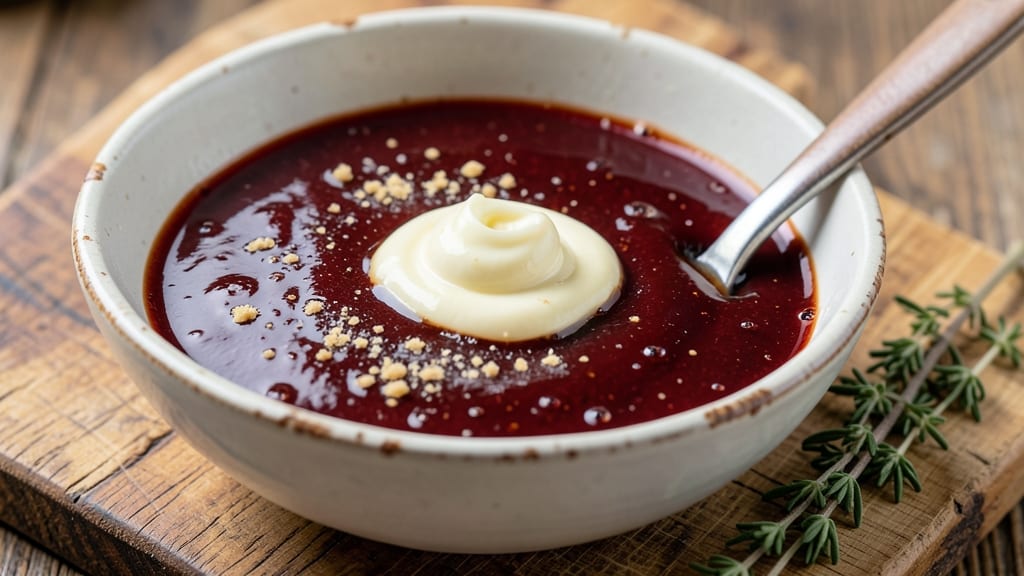
This basic hot wings sauce recipe delivers the perfect spicy-sweet balance that turns ordinary wings into crowd-pleasing favorites. The secret lies in combining melted butter with vinegar, hot sauce, and a touch of sugar—creating a sauce that's bold, tangy, and just sweet enough to cut through the heat.
I developed this recipe after testing countless variations, and it consistently delivers restaurant-quality flavor without the fuss.
What sets this sauce apart is its simplicity—just five ingredients come together in under five minutes, yet the flavor is complex and deeply satisfying. The butter creates a velvety base, while the vinegar adds brightness, and the sugar balances the heat from the hot sauce.
This sauce works equally well for baking, tossing, or dipping, making it incredibly versatile for any wing preparation method.
The result is a glossy, sticky sauce that clings perfectly to crispy wings, offering a perfect harmony of heat, sweetness, and tang. Each batch stays fresh in the refrigerator for up to two weeks, allowing you to make a big batch and enjoy it over multiple meals.
Whether you're hosting a game day gathering or simply craving wings at home, this sauce will elevate your dish effortlessly.
For those who prefer to adjust the heat level, simply add more hot sauce for extra spice or a pinch of sugar for additional sweetness. The flexibility of this recipe ensures it can be tailored to suit any taste preference while maintaining its signature balance.
Let's get started on creating this essential wing companion!
Ingredients for basic hot wing sauce
Five ingredients transform into the perfect sticky-sweet wing sauce for game day or weeknight cravings.
| Ingredient | Amount | Notes |
|---|---|---|
| Unsalted Butter 🧈 | ½ cup | Melted, full-fat preferred |
| White Vinegar 🍶 | ¼ cup | Distilled or apple cider |
| Hot Sauce 🌶️ | ¼ cup | Frank's RedHot preferred |
| Granulated Sugar 🍚 | 2 tbsp | White or brown sugar |
| Garlic Powder 🧄 | 1 tsp | Freshly ground preferred |
The butter is non-negotiable here—it creates that signature glossy finish. Store-brand unsalted butter works just as well as name brands, but make sure it's full-fat for the best texture. The vinegar adds the tangy backbone, so distilled or apple cider vinegar are your best bets—avoid balsamic or wine vinegar, which can overpower the sauce. For the hot sauce, Frank's RedHot, but any quality hot sauce will work. I always buy extra because it disappears fast during football season. The sugar is what balances the heat, so don't skimp—this is where you can adjust if you want it sweeter or more spicy.
No white vinegar? Apple cider vinegar or lemon juice work in a pinch, though the flavor will shift slightly. Short on hot sauce? Cayenne pepper mixed with water (1 tsp cayenne + 1 tbsp water) mimics the heat profile. The garlic powder is optional but adds depth—if you love garlic, add an extra 1/2 tsp. For a smoother sauce, strain out any butter lumps after melting by pouring through a fine-mesh sieve. This sauce doubles easily, so I always make a big batch. Store it in a jar in the fridge—it keeps for 2 weeks and tastes even better after the flavors meld.
This sauce is incredibly versatile—use it for baking, tossing, or dipping. For extra crispy wings, bake at 400°F for 45 minutes after tossing. The sauce reheats beautifully, so portion it into small containers for easy grab-and-go dipping. If you make a big batch, freeze half in ice cube trays for later. The sugar helps preserve it longer, so don't cut corners there. Trust me, the first time you taste this sauce on fresh-out-of-the-oven wings, you'll never go back to store-bought again.
Why You'll Love This Recipe
- Pantry Magic: I swear by this sauce because it uses stuff I already have—no special trips to the store. Butter, vinegar, and hot sauce? That’s my spice cabinet’s way of saying, "Let’s make magic."
- Sweet Heat Balance: The sugar cuts the vinegar’s bite while the garlic powder adds depth—like a hug for your taste buds. It’s tangy, spicy, and just sweet enough to make you reach for seconds.
- Game for Any Night: Slap this on wings, toss it in a salad, or drizzle it over fries—it’s the ultimate flavor booster. Honestly, I’ve even used it to jazz up scrambled eggs (yes, really).
- Leftovers That Last: Make a big batch and store it in the fridge for up to two weeks. It’s cheap, stretches far, and still tastes fresh—no sad, watery sauce here. My wallet and freezer thank me.
Step-by-step instructions for perfectly balanced hot wings sauce
This sauce comes together faster than you can say "spicy wings." Here's how to create a glossy, tangy, and perfectly balanced sauce every time.
Melt the Butter Over Medium Heat
Place the 0.5 cup unsalted butter in a medium saucepan over medium heat. Let it melt completely, swirling the pan occasionally to ensure even melting. You'll know it's ready when it's fully liquid and just starting to foam—this usually takes about 2-3 minutes.
I prefer full-fat butter here because it adds richness that cuts through the heat of the sauce. If you're using salted butter, reduce the salt in your wings by half to maintain balance. Keep an eye on the pan—once the butter starts to bubble vigorously, it's time to move to the next step before it burns.
Add Vinegar and Sugar for Tangy Sweetness
Pour in the 0.25 cup white vinegar and 2 tablespoons granulated sugar all at once. Stir constantly with a wooden spoon, scraping the bottom of the pan to release any browned bits. The mixture will bubble vigorously as the vinegar reacts with the butter's acids.
Let it simmer for 2-3 minutes until the sugar dissolves completely and the mixture becomes slightly thickened. You're looking for a glossy sheen on the surface—this indicates the sugar has fully incorporated. The sauce should smell tangy with a hint of caramelization from the sugar. If it looks too thin at this point, don't worry—the sauce will thicken as it cools.
Incorporate Hot Sauce and Garlic Powder
Reduce the heat to low and stir in the 0.25 cup hot sauce and 1 teaspoon garlic powder. The hot sauce will darken the mixture slightly, giving it that classic red hue. Let the sauce simmer gently for another 2 minutes, stirring occasionally to prevent sticking.
Here's where the magic happens: the garlic powder will infuse its flavor without overpowering, while the hot sauce adds the necessary heat. Taste the sauce at this point—it should be tangy from the vinegar, slightly sweet from the sugar, and developing heat from the hot sauce. If it needs more sweetness, add another teaspoon of sugar. If it needs more heat, add a splash more hot sauce.
Simmer Until Thickened and Glossy
Continue simmering the sauce on low heat for 3-5 minutes, stirring frequently, until it reaches your desired consistency. You're looking for a sauce that coats the back of a spoon with a glossy finish—this usually happens when the mixture reduces by about a third. The sauce should be thick enough to cling to wings but still pourable.
This final simmering step is crucial for developing the sauce's depth of flavor. If you remove it from heat too soon, it will be too thin and runny when applied to wings. If it thickens too much, simply whisk in a teaspoon of hot water to adjust the consistency. The sauce should be balanced—tangy, sweet, and spicy—with no single flavor dominating.
Cool and Adjust Before Using
Remove the sauce from heat and let it cool for 5-10 minutes at room temperature. This cooling period allows the flavors to meld and the sauce to thicken slightly as it comes down from the heat. Taste the sauce again after cooling—this is when you can truly judge the balance of flavors.
If needed, make final adjustments: add more sugar for sweetness, more hot sauce for heat, or a splash of vinegar for tang. Once you're satisfied with the balance, your sauce is ready to use. It will keep in the refrigerator for up to 2 weeks, making it perfect for batch cooking. For best results, reheat gently before using to maintain its glossy texture.
Pro Tips For Making Basic Hot Wing Sauce
- Simmer Slow and Steady: I learned this the hard way—dumping everything in and boiling hard turns the butter into greasy sludge. Keep it at a gentle simmer (tiny bubbles, barely there) for 8–10 minutes. The sauce needs time to emulsify, not burn.
- Use Real Butter, Not Margarine: Unsalted butter adds richness, but don’t skimp on quality. I used to grab the cheapest tub, and the sauce always tasted flat. A good-quality unsalted butter (like Plugrá or Land O’Lakes) melts smoother and gives that classic Buffalo wing tang. (Yes, even if it’s a splurge.)
- Balance the Vinegar First: Hot sauce and sugar are easy to eyeball, but vinegar’s the wild card. Taste after adding it—if it’s too sharp, add a pinch more sugar before the garlic powder. I used to dump everything in and end up with a sauce that tasted like a science experiment.
- Strain Out the Garlic Grit: Garlic powder clumps and can make the sauce grainy. After simmering, pour the hot mixture through a fine-mesh sieve into your serving bowl. It’s a little extra work, but trust me—smooth sauce every time. (And no, skipping this won’t kill you, but it’ll ruin the texture.)
Make-ahead tips for this basic hot wing sauce
Batch Prep Benefits
Making a big batch of this hot wing sauce is a game-changer for game days and gatherings. I always double the recipe—using 1 cup butter, 0.5 cup vinegar, and 0.5 cup hot sauce—because it disappears fast.
Store it in a glass jar with a tight lid in the fridge, and it stays fresh for 2 weeks. The flavors actually deepen over time, so the second batch tastes even better than the first. 💫
Freezer Storage Hacks
For long-term storage, portion the sauce into ice cube trays and freeze. Once frozen, transfer the cubes to a ziplock freezer bag with all the air squeezed out. This method preserves the sauce for up to 3 months without losing its glossy texture.
When ready to use, simply thaw a few cubes in the microwave or at room temperature. I keep a stash in my freezer for spontaneous wing nights.
Reheating Without Ruining
Never microwave the sauce directly from the fridge—it'll turn grainy and lose its shine. Instead, pour it into a small saucepan and heat over low heat for 2-3 minutes, stirring constantly.
If it thickens too much, whisk in 1 teaspoon of hot water to restore its pourable consistency. The gentle heat preserves the balance of flavors while keeping that perfect glossy finish. 🔥
Sauce Stability Tips
The sugar in this recipe acts as a natural preservative, but proper storage is key. Always let the sauce cool completely before refrigerating to prevent condensation from diluting it. I like using amber glass jars because they block light, which helps maintain the vibrant red color.
If you notice the sauce separating, just stir it vigorously before reheating—it'll come back together perfectly.
Portioning for Parties
For large gatherings, divide the sauce into small ramekins before serving. This prevents cross-contamination and makes it easy for guests to grab individual portions. Label each ramekin with the heat level (mild, medium, hot) if you're offering variations.
I also keep a backup bottle of extra-spicy sauce on hand for guests who want more heat—just add 1 tablespoon of hot sauce to a ramekin of the basic recipe. 🌶️
Sauce Longevity Boosters
To extend freshness even further, add a pinch of salt (about ¼ teaspoon) to each jar before sealing. The salt helps stabilize the sauce's texture and prevents bacterial growth. If you notice the sauce developing a skin on top, simply skim it off before reheating—it won't affect the flavor.
The butter's fat content naturally preserves the sauce, but the vinegar's acidity also acts as a natural preservative, keeping it fresh longer than most homemade sauces.
Nutrition facts
Frequently asked questions
Can I make this sauce without butter?
The butter creates that signature glossy texture and richness that balances the heat. For a lighter version, you could substitute ¼ cup olive oil, but the flavor will be slightly different. If you're avoiding dairy, ensure your hot sauce is also dairy-free, as some contain butter.
How do I adjust the heat level?
Start with the basic recipe, then adjust to taste. For more heat, add 1-2 tablespoons of hot sauce per batch. For milder wings, reduce the hot sauce by 1 tablespoon or add an extra ½ teaspoon of sugar to balance. Always taste as you go!
Can I use this sauce on other foods besides wings?
This versatile sauce works great on fries, grilled chicken, or even as a marinade for tofu or shrimp. It's also perfect for dipping veggie sticks or mozzarella sticks. The tangy-sweet-spicy combo elevates many dishes beyond just wings.
Why did my sauce turn out too thin?
If your sauce is too runny, it likely didn't simmer long enough. Simmer for 3-5 extra minutes to thicken it naturally. For immediate results, whisk in 1 teaspoon of cornstarch mixed with 1 tablespoon water and cook for another 1 minute until thickened.
What's the best way to store leftovers?
Transfer cooled sauce to an airtight container and refrigerate for up to 2 weeks. For longer storage, freeze in ice cube trays, then transfer to a bag. Thaw in the fridge overnight—never microwave directly from frozen to preserve texture.