
Sauces & Condiments
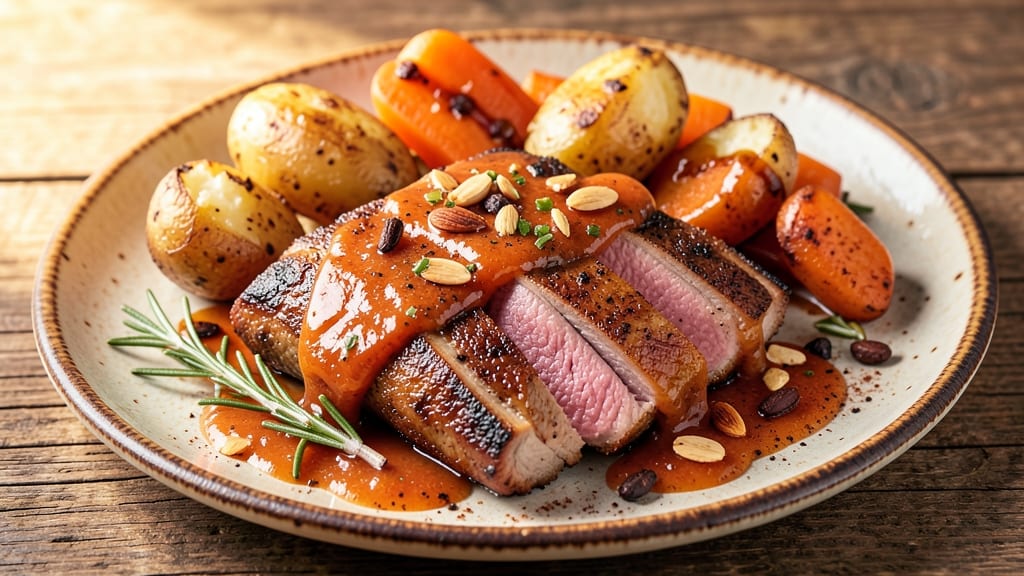
This apricot pork sauce recipe transforms simple roasted pork into something extraordinary with its perfect balance of sweetness and acidity. 💛 I developed it during a particularly busy week when I needed a sauce that could elevate a basic pork tenderloin without complicated techniques—just a few ingredients and 20 minutes of simmering time.
The key lies in reducing fresh apricots with vinegar and spices until they transform into a glossy, sticky glaze that clings beautifully to the meat.
The sauce starts with fresh apricots, their natural sugars caramelizing as they simmer with apple cider vinegar and a touch of brown sugar. A pinch of cinnamon and cloves adds warmth that complements the pork's richness without overpowering it.
What makes this recipe special is how it balances sweetness with acidity—just enough tang to cut through the pork's natural fat, creating a sauce that's both complex and approachable.
By the time you drizzle this sauce over your roasted pork, you'll notice an immediate transformation: the meat becomes tender and glistening, with a glossy finish that makes every bite feel special.
The sauce thickens as it cools, creating a perfect consistency for drizzling or even using as a dip for extra pork slices. It's the kind of sauce that turns a simple weeknight dinner into something memorable.
This apricot pork sauce keeps well in the refrigerator for up to 5 days, making it perfect for meal prep or gifting. Pair it with roasted pork tenderloin, pork chops, or even grilled pork ribs for a restaurant-quality finish. Here's how to make it—simple, foolproof, and absolutely worth the effort.
Ingredients for apricot sauce recipe for pork
Eight simple ingredients transform into a restaurant-worthy apricot glaze for pork tenderloin!
| Ingredient | Amount | Notes |
|---|---|---|
| Fresh Apricots 🍑 | 1 lb | Pitted and halved, ripe for caramelization |
| Apple Cider Vinegar 🍎 | ½ cup | For tangy balance, not white vinegar |
| Brown Sugar 🍚 | ¼ cup | Light or dark, packed tightly |
| Ground Cinnamon 🌿 | 1 tsp | For warm depth, not cinnamon sticks |
| Ground Cloves 🌶️ | ¼ tsp | Freshly ground for maximum aroma |
| Fresh Ginger 🌿 | 1 tbsp | Grated, for subtle zing |
| Salt 🧂 | ½ tsp | Kosher or sea salt, adjust to taste |
| Extra-Virgin Olive Oil 🫒 | 1 tbsp | For glossy finish, fruity variety |
| Water 💧 | ¼ cup | For thinning if needed |
Fresh apricots are the star here—look for ripe, slightly soft ones at the store, not rock-hard. Trader Joe's and Whole Foods usually have the best selection, but any grocery store's produce section works if they're in season. If fresh apricots aren't available, canned apricot preserves (unsweetened) can be a lifesaver, though they'll change the texture slightly. The apple cider vinegar should smell tangy and fresh—avoid anything that smells sharp or vinegary. For the spices, Penzeys or local spice shops carry the best ground cinnamon and cloves, but the regular grocery store stuff works fine if it's labeled 'ground' and not 'whole'.
No fresh ginger? Substitute with 1 teaspoon of ground ginger, but you'll lose that fresh zing. Running low on brown sugar? Honey or maple syrup work in a pinch, though the sauce will taste slightly different. If you're making this ahead, reduce the water to 2 tablespoons—the sauce will thicken as it cools. For extra richness, add 1 tablespoon of unsalted butter at the end. And if you're feeling adventurous, a pinch of cardamom adds a unique depth that pairs beautifully with the pork.
This sauce thickens as it cools, so thin with water if needed—just a teaspoon at a time. Keeps in the fridge for 5 days in an airtight container, or 3 months frozen in ice cube trays for easy portioning. The flavors actually improve after a day or two, so make it ahead if you can. Store it in a glass jar for the best results—plastic can absorb odors. Perfect for drizzling over pork tenderloin, pork chops, or even grilled pork ribs!
Why You'll Love This Recipe
- No Pitting Needed: I’ll admit—peeling and pitting fresh apricots sounds like a chore. But here’s the hack: toss them whole into the simmering vinegar and sugar, and they’ll burst open on their own, releasing that jammy goodness. The sauce thickens into a glossy, fruit-forward glaze without a single pit in sight.
- Sweet-Savory Magic: That first bite of pork drenched in this sauce? It’s like a hug for your taste buds. The brown sugar caramelizes into the vinegar, cutting through the richness while the cinnamon and cloves add warmth—like a spiced chai in every spoonful. Honestly, I’ve made it over pork chops, pulled pork, even grilled sausage, and it never disappoints.
- Weeknight to Dinner Party: Between us, this sauce is my secret weapon for lazy nights and fancy gatherings. Simmer it while you sear the pork, then drizzle it over roasted pork tenderloin for a restaurant-worthy finish. Leftovers? Toss it into stir-fries or slather it on toast with crumbled goat cheese—suddenly, you’ve got three meals from one pot.
- Pantry-Friendly Luxury: I keep the ingredients stocked year-round because they’re cheap and last forever. Apricots? Canned ones work in a pinch. Vinegar and spices? Already in my cabinet. The sauce keeps for weeks in the fridge, so I can make a big batch and use it whenever pork cravings hit. Budget-friendly? Absolutely. Worth every penny? Even more so.
Step-by-Step instructions for apricot pork sauce
This sweet-tangy glaze transforms simple pork into something extraordinary—let's make it together.
🍳 Step 1: Caramelize the Apricots for Depth
Heat the 1 tablespoon extra-virgin olive oil in a medium saucepan over medium heat. Add the 1 lb pitted and halved fresh apricots and cook for 5-7 minutes, stirring occasionally, until they begin to soften and release their juices. You'll see the edges turn golden—this is your signal they're releasing natural sugars.
The reason we caramelize first is to build flavor. Don't rush this step—if the apricots stick, add a splash of 0.25 cup water to loosen them. Once they're tender and slightly sticky, remove them from the pan and set aside. We'll return to them later, but their caramelized state is what gives this sauce its rich, jammy texture.
👨🍳 Step 2: Build the Spiced Base
In the same saucepan (no need to clean it—the apricot juices are pure flavor), add the 0.5 cup apple cider vinegar, 0.25 cup brown sugar, 1 tsp ground cinnamon, 0.25 tsp ground cloves, 1 tbsp grated fresh ginger, and 0.5 tsp salt. Stir well to combine, scraping up any browned bits from the bottom of the pan—this is where all the magic happens.
Bring the mixture to a gentle boil over medium-high heat, then immediately reduce to medium-low heat. Let it simmer uncovered for 8-10 minutes until it thickens slightly and the liquid reduces by about one-third. You're looking for a syrupy consistency that coats the back of a spoon. Here's the thing—don't walk away. The spices need time to bloom, and the vinegar needs to mellow out its sharpness.
🥘 Step 3: Blend and Simmer to Perfection
Return the caramelized apricots to the saucepan and stir to combine. Add the reserved 0.25 cup water if the mixture is too thick—you want a glaze that's thick enough to coat but still silky enough to drizzle. Let the sauce simmer for another 5-7 minutes until it reaches your desired consistency. Taste and adjust seasoning with more salt or sugar if needed.
For a smoother texture, use an immersion blender to puree the mixture slightly—just until the apricot pieces are broken down but still visible. This creates that perfect balance between rustic and refined. If you don't have an immersion blender, a regular blender works, but strain the sauce afterward for a silky finish. The sauce should be glossy and coat the back of a spoon, ready to transform your pork into something truly special.
⏰ Step 4: Finish and Glaze Your Pork
Once your pork tenderloin is cooked to 145°F internal temperature, remove it from the oven or grill and let it rest for 5 minutes. Meanwhile, return the sauce to a gentle simmer and brush it generously over the pork, letting it caramelize slightly in the residual heat. The sauce should cling beautifully, creating that signature glossy finish.
For extra shine, broil the pork for 1-2 minutes while brushing with more sauce—just watch it closely so it doesn't burn. Serve immediately with the extra sauce drizzled over the top. This glaze isn't just about flavor; it's about that perfect balance of sweet, tangy, and spiced notes that make every bite unforgettable. The result? Juicy, tender pork with a sauce that's rich enough to stand on its own.
Pro Tips For Making Apricot Sauce Recipe For Pork
- PIT THE APRICOTS: Cut them open with a sharp knife, then use a spoon to scoop out the flesh—don’t just slice them. This keeps the sauce smoother and prevents chunks that won’t break down. (Yes, it’s extra work, but your sauce will thank you.)
- SIMMER LOW AND SLOW: After adding vinegar and spices, reduce heat to a gentle bubble—no splattering, no rushing. I learned this the hard way when my sauce turned bitter from scorching. Let it cook for at least 20 minutes to meld flavors properly.
- SKIP THE BLENDER: If you’re impatient like me, resist the urge to puree the sauce. A fine-mesh strainer or food mill gives you a silky texture without the hassle of cleaning a blender. (And it actually tastes better.)
- BALANCE THE SWEET: Taste the sauce before serving—if it’s too cloying, add a splash of vinegar or a pinch of salt. Brown sugar can overpower when paired with fresh apricots, so adjust in small increments. (Your pork deserves harmony, not sugar shock.)
Creative variations of this apricot sauce recipe for pork
Southern BBQ Twist
Add 1 tablespoon of hot sauce (like Crystal or Louisiana) to the simmering vinegar mixture in Step 2 for a Carolina-style kick. This variation works beautifully with pulled pork—simmer the sauce longer to create a thicker consistency perfect for slathering on sandwiches.
I’ve used this version at my pit during the Southeast BBQ circuit, and it’s always a crowd-pleaser. 🌶️
Herb-Infused Variation
Swap the cinnamon and cloves for 1 teaspoon each of dried thyme and rosemary to create a Mediterranean-inspired sauce. The herbs add an earthy depth that pairs wonderfully with roasted pork loin. Fresh thyme works best, but dried will do in a pinch.
I first tried this when a Charleston market had a surplus of fresh herbs, and it became a regular at The Smoky Pig.
Spiced Rum Glaze
Replace 2 tablespoons of water with 2 tablespoons of dark spiced rum> (like Captain Morgan) in Step 3 for a boozy twist. Simmer the sauce slightly longer to let the alcohol cook off, then finish with a drizzle of honey for extra shine.
This variation is perfect for holiday dinners—just be sure to let the sauce rest for 10 minutes before serving to allow flavors to meld. 🍷
Creamy Yogurt Dip
Thicken the finished sauce with ¼ cup plain Greek yogurt> and a pinch of salt to create a creamy dip for pork skewers. This version is lighter but still packed with flavor, ideal for summer grilling.
I’ve served this at backyard cookouts, and it’s a hit with kids and adults alike. For extra tang, add 1 teaspoon of lemon zest> to the yogurt before mixing.
Smoky Chipotle Adaptation
Infuse the sauce with smokiness by adding 1 chipotle pepper in adobo sauce> (minced) to the vinegar mixture in Step 2. Simmer for an extra 5 minutes> to let the smoky flavors meld.
This version pairs perfectly with smoked pork ribs or pulled pork tacos. I developed this after a late-night pit session when I wanted to add depth without overpowering the apricot’s natural sweetness. 🔥
Winter Citrus Boost
Brighten the sauce for fall and winter by adding zest of 1 orange> and 1 teaspoon of orange liqueur**> (like Cointreau) in Step 3. The citrus cuts through the richness of the pork beautifully, making it ideal for holiday feasts.
I first created this version during a Georgia winter when I wanted to bring some sunshine to the table. The orange liqueur adds a subtle sophistication without overpowering the apricot’s natural flavor.
Nutrition facts
Frequently asked questions
Can I use dried apricots instead of fresh?
For every 1 lb fresh apricots, use ½ cup dried apricots (chopped) plus 2 tablespoons extra water to compensate for their lower moisture content. Soak the dried apricots in warm water for 10 minutes first to rehydrate them completely. The texture will be slightly thicker, but the flavor remains rich and sweet.
How do I adjust the sweetness if my apricots are tart?
Add 1 extra tablespoon of brown sugar for every ½ cup tart apricots you use. Alternatively, reduce the vinegar by 1 tablespoon to balance the acidity. Taste as you simmer—adjust in ½ teaspoon increments until the sweet-tangy ratio feels perfect. The sauce should complement the pork, not overpower it.
Can I make this sauce ahead of time?
Yes! This sauce actually tastes better the next day as flavors meld. Store it in an airtight container in the fridge for up to 5 days. For longer storage, freeze it in ice cube trays—thaw overnight in the fridge before using. Reheat gently over low heat or in the microwave, stirring occasionally to maintain consistency.
What's the best way to use leftover sauce?
Drizzle over grilled pork chops, use as a marinade for pork tenderloin (simmer 10 minutes with pork before cooking), or serve as a dip with roasted pork slices. For extra richness, stir in 1 tablespoon butter before serving. It also works beautifully as a glaze for baked apples or pork-stuffed peppers.
Why did my sauce turn out too thin?
This usually happens if you didn't simmer long enough or used too much water. For future batches, reduce the water to 2 tablespoons and simmer uncovered for 10-12 minutes total. If it's already too thin, simmer it uncovered for 5-7 minutes to evaporate excess liquid. For an instant fix, mix 1 teaspoon cornstarch with 1 tablespoon cold water, stir into the sauce, and cook for 2 minutes until thickened.