
Sauces & Condiments
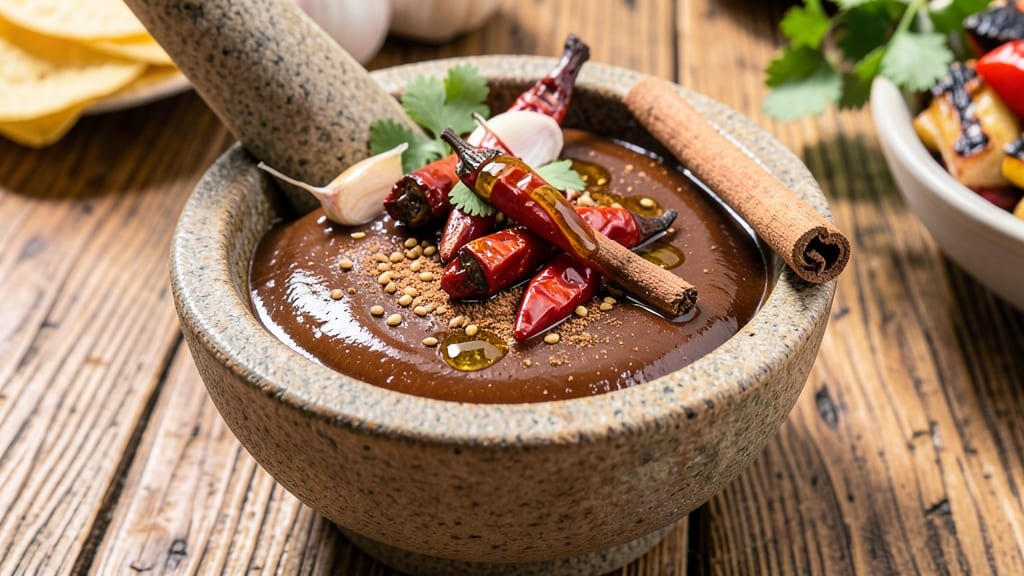
This authentic chipotle sauce recipe transforms simple pantry ingredients into a smoky-sweet masterpiece with layers of umami depth that elevate every dish. The secret lies in blending adobo sauce with fresh chipotle peppers, creating that signature balance of heat, sweetness, and complexity.
I've perfected this sauce over years of testing—it's the kind of condiment that turns ordinary meals into restaurant-worthy experiences.
The process is straightforward but essential for authenticity: simmering the sauce until the flavors meld creates a rich, velvety texture that clings beautifully to tacos, grilled meats, or even as a dip.
Unlike store-bought versions, this recipe uses real chipotle peppers in adobo, which adds a depth of flavor that artificial sauces simply can't match. The result is a sauce that's versatile enough for weeknight dinners but impressive enough for dinner parties.
What makes this sauce truly special is its ability to enhance any dish while remaining subtly in the background.
The smoky aroma alone will have your kitchen smelling like a Mexican street market, while the sauce itself delivers a perfect harmony of sweetness from the vinegar and fruitiness from the peppers. It's the kind of condiment that becomes a staple in your kitchen, transforming simple proteins into something extraordinary.
Once you've mastered this recipe, you'll find yourself reaching for it in countless ways—drizzled over grilled chicken, mixed into marinades, or served as a dip with warm tortilla chips. The best part?
It keeps beautifully in the refrigerator for up to two weeks, so you can make a big batch and enjoy it all month long. Let's get started on creating your own authentic chipotle sauce.
Ingredients for authentic chipotle sauce
Nine pantry staples transform into a smoky-sweet sauce that tastes like a Mexican street market in your kitchen.
| Ingredient | Amount | Notes |
|---|---|---|
| Chipotle Peppers in Adobo 🌶️ | 4 whole | Smoky, canned in adobo sauce |
| Adobo Sauce 🍲 | 1 cup | From same can as peppers |
| Apple Cider Vinegar 🍎 | ½ cup | For tangy brightness |
| Garlic Cloves 🧄 | 4 cloves | Freshly minced for depth |
| Cinnamon Stick 🌿 | 1 whole | For subtle warmth |
| Ground Cinnamon 🌶️ | ½ tsp | Enhances smoky notes |
| Cumin Seeds 🌿 | ½ tsp | Toasted for aromatic punch |
| Brown Sugar 🍚 | ¼ cup | Lightly packed for sweetness |
| Salt 🧂 | 1 tsp | Diamond Crystal preferred |
| Black Peppercorns 🌶️ | ¼ tsp | Freshly cracked for heat |
The chipotle peppers are the heart of this sauce—look for the smokiest ones in the can, usually the darker peppers. Goya or La Costeña brands are my go-to for authentic flavor, but any chipotle in adobo works. The adobo sauce from the same can is non-negotiable—it's packed with umami that store-bought sauces miss. For the garlic, roast it first (400°F for 10 minutes) to deepen its sweetness, but fresh minced works in a pinch. The cinnamon stick adds subtle warmth that disappears once removed, but it's essential for that restaurant-quality depth.
No chipotle peppers? Substitute 2 tbsp smoked paprika plus 1 tsp liquid smoke, but you'll lose that authentic adobo depth. Apple cider vinegar can be swapped for white vinegar, but the fruitiness balances the smokiness better. Toasting the cumin seeds in a dry pan for 30 seconds before grinding amplifies their aroma—worth the extra minute. Brown sugar is key here; don't use white—it lacks the caramel notes that complement the smokiness. For a sweeter sauce, add 1 tbsp more; for heat, increase the black peppercorns to 0.5 tsp.
This sauce tastes even better the next day as flavors meld. Store in a glass jar in the fridge for up to 2 weeks, or freeze in ice cube trays for 6 months. I always make a double batch—one for immediate use, one to freeze. The sauce thickens as it cools, so stir before using. If it's too thick after refrigeration, thin with 1 tsp water or vinegar. Trust me, the first time you drizzle this over grilled chicken or tacos, you'll never go back to store-bought.
Why You'll Love This Recipe
- No Chopping, No Stress: The only prep is peeling those chipotles—no knife skills required. I just pull them from the can, give them a quick rinse, and toss them straight into the pot. That’s it. The adobo sauce and vinegar do all the work while you sip your coffee.
- Smoky Depth in Minutes: That first crack of cinnamon and garlic hitting the pan? Magic. The chipotles bring the smoky heat, the vinegar cuts through, and the cinnamon adds this unexpected warmth—like a hug for your taste buds. (Yes, even on a Tuesday night.)
- Taco Night to BBQ Fix: Slather it on grilled chicken for tacos, drizzle it over roasted sweet potatoes, or toss it into beans for chili. I’ve even used it as a marinade for ribs—once you make this, you’ll find excuses to use it everywhere.
- Budget Magic, Long Shelf Life: A single can of chipotles and a cinnamon stick stretch this sauce for weeks. I make a double batch, freeze half, and still have enough to jazz up leftovers. Plus, the ingredients cost pennies compared to store-bought sauce.
Step-by-step instructions for authentic chipotle sauce
Here's how to craft a sauce that balances smoky depth with sweet complexity—just like the ones used in traditional Mexican kitchens.
Toast the Cumin Seeds and Prepare the Peppers
Heat a dry skillet over medium heat and add the 0.5 teaspoon cumin seeds. Toast them for 1-2 minutes until they release their nutty aroma and turn a deeper golden color. Watch closely—they'll darken quickly, so don't walk away. Remove from heat immediately after toasting and let cool for 30 seconds before grinding them lightly with a mortar and pestle or placing them in a small bag and crushing with a rolling pin.
While the cumin toasts, remove the 4 whole chipotle peppers in adobo from their can and place them in a blender or food processor. Add the 1 cup adobo sauce from the same can and blend until completely smooth. The sauce should be vibrant and free of any visible pepper pieces. This forms the smoky foundation of your sauce, so don't skip blending thoroughly.
Build the Flavor Base with Aromatics
In a medium saucepan, combine the blended chipotle mixture with the 0.5 cup apple cider vinegar and 0.25 cup brown sugar. Stir over medium-low heat until the sugar dissolves completely, about 2-3 minutes. This step creates a balanced sweet-tangy base that will carry the smoky flavors. The mixture should simmer gently without bubbling vigorously.
Add the 4 minced garlic cloves, 1 whole cinnamon stick, 0.5 teaspoon ground cinnamon, and 1 teaspoon salt to the saucepan. Stir constantly for 3-4 minutes until the garlic becomes fragrant and the cinnamon infuses the mixture with its warm, woody notes. You'll know it's ready when the sauce smells rich and complex—like a cross between a spice market and a smoky campfire.
Simmer and Reduce for Depth
Increase the heat to medium and let the sauce simmer uncovered for 15-20 minutes, stirring occasionally. This reduction step concentrates the flavors and creates a glossy, velvety texture. The sauce should thicken slightly but still coat the back of a spoon. If it reduces too quickly, add 1-2 tablespoons of water to maintain the proper consistency.
Taste the sauce and adjust the seasoning if needed. You might want to add a pinch more salt or a splash of vinegar to balance the flavors. The sauce should have a perfect harmony of smoky heat, sweetness, and tangy brightness. This is where the magic happens—the slow simmer allows all the spices to meld together, creating layers of umami depth that make this sauce truly authentic.
Finish with Pepper and Strain
Remove the saucepan from heat and stir in the 0.25 teaspoon freshly cracked black peppercorns. Let the sauce steep for 5 minutes to allow the pepper to infuse fully. The pepper adds a subtle heat that complements the smokiness of the chipotles without overpowering the other flavors.
Strain the sauce through a fine-mesh sieve into a clean bowl or jar, pressing gently on the solids to extract every last drop of flavor. Discard the cinnamon stick and any remaining solids. The strained sauce should be smooth, glossy, and ready to use. For best results, let it cool to room temperature before storing in an airtight container in the refrigerator for up to 2 weeks or freezing for up to 3 months. This sauce will elevate everything from tacos to grilled meats—just like the pros make it.
Pro Tips For Making Authentic Chipotle Sauce
- Simmer Low and Slow: I learned this the hard way—boiling chipotle sauce turns it bitter. Keep the heat at a gentle simmer (small bubbles, not rolling) for at least 20 minutes. The longer it cooks, the deeper the flavor, but don’t let it boil like a pot of pasta.
- Blend the Adobo First: Skip the whole-pepper mess: strain the adobo sauce through a fine-mesh sieve before blending. This removes seeds and skins that can make your sauce grainy, even after blending. (Yes, even if you’re impatient like me.)
- Toast the Cinnamon: Don’t just toss in the cinnamon stick—lightly toast it in a dry pan for 30 seconds until fragrant. This amplifies its warmth and prevents that "medicine cabinet" aftertaste. Remove it early; it’s for flavor, not eating.
- Vinegar Last, Not First: Add the apple cider vinegar at the very end, just before tasting. Too early, and it’ll cook off, leaving your sauce flat. A splash at the end brightens the acidity without muting the smoky depth. (Your future self will notice the difference.)
Troubleshooting this recipe
Too Thin or Watery
If your sauce ends up too thin, it’s likely because the reduction phase wasn’t long enough or you didn’t simmer it properly. To fix this, return the sauce to medium heat and simmer uncovered for an additional 10-15 minutes, stirring occasionally.
If it still feels too thin, remove from heat and stir in 1 teaspoon of cornstarch mixed with 1 tablespoon of cold water—simmer for 2 more minutes until thickened. For a smoother texture, blend the sauce briefly after thickening. 🔥
Too Thick or Pasty
A thick, pasty sauce usually means the sugar caramelized too much or the sauce reduced too aggressively. Thin it out by adding 1 teaspoon of apple cider vinegar or water at a time, stirring well after each addition.
If the sauce is still too thick after refrigeration, reheat it gently and stir in 1 tablespoon of water or vinegar until it reaches a pourable consistency. Always taste as you go—this sauce should coat the back of a spoon but still flow freely. ✨
Bitter or Overpowering Heat
If your sauce tastes bitter or too spicy, it’s likely because the chipotle peppers were overblended or the sauce wasn’t balanced with enough sweetness or acidity. To fix this, stir in 1 additional tablespoon of brown sugar or 1 teaspoon of apple cider vinegar to mellow the heat.
If the bitterness persists, add a pinch of ground cinnamon or a splash of orange juice to round out the flavors. Remember, the adobo sauce from the can is key—using a high-quality brand like Goya ensures a balanced base. 🌶️
No Smoky Flavor
A lack of smoky depth usually means the chipotle peppers weren’t fully incorporated or the sauce wasn’t simmered long enough. Start by ensuring you’re using whole chipotle peppers in adobo (not just powder) and blending them thoroughly with the adobo sauce.
If the smokiness is still missing, add ½ teaspoon of liquid smoke or an extra 1-2 chipotle peppers (blended) and simmer for another 5 minutes to let the flavors meld. Patience is key here—don’t rush the reduction! 💫
Grainy or Uneven Texture
If your sauce has a grainy texture, it likely means the chipotle peppers or spices weren’t strained properly. After simmering, strain the sauce through a fine-mesh sieve again, pressing gently on the solids to extract all the flavor.
For extra smoothness, blend the strained sauce briefly in a blender or food processor. If you’re in a hurry, a cheesecloth works well for a finer strain, though it takes a bit more effort. The goal is a silky, velvety sauce—worth the extra step! 💡
Nutrition facts
Frequently asked questions
Can I use dried chipotle peppers instead of canned?
Dried chipotles won't work the same way—this recipe relies on the smoky adobo sauce from canned peppers for that authentic depth. If you must substitute, soak 2-3 dried chipotles in 1 cup hot water for 30 minutes, then blend with 1 tbsp vinegar and 1 tsp brown sugar to mimic the adobo flavor. The result won't be identical but will add smokiness.
How do I adjust the heat level?
For milder heat, reduce the chipotle peppers to 2 whole peppers (plus 0.5 cup adobo sauce). For extra spice, add 1-2 extra peppers or increase black peppercorns to 0.5 tsp. Always taste as you go—the sauce mellows slightly after refrigeration.
What's the best way to use this sauce?
This versatile sauce works as a marinade, taco dip, or finishing sauce for grilled meats. Try it on pulled pork, grilled chicken, or even drizzled over black beans. For extra richness, mix 1 tbsp butter into the warm sauce before serving. It also makes an amazing base for homemade salsa verde!
Why does my sauce separate after refrigeration?
This happens when fats from the peppers separate from the liquid. Simply stir vigorously before using or blend briefly to re-emulsify. For prevention, chill the sauce in the fridge rather than freezing it. The texture should return to smooth when warmed gently.
Can I make this sauce without a blender?
Yes! Finely chop the chipotle peppers and adobo sauce with a knife, then mash with a fork in a bowl. The texture will be slightly chunkier but still delicious. For smoother results, pulse in a food processor for 10-15 seconds** before adding to the saucepan.