
Sauces & Condiments
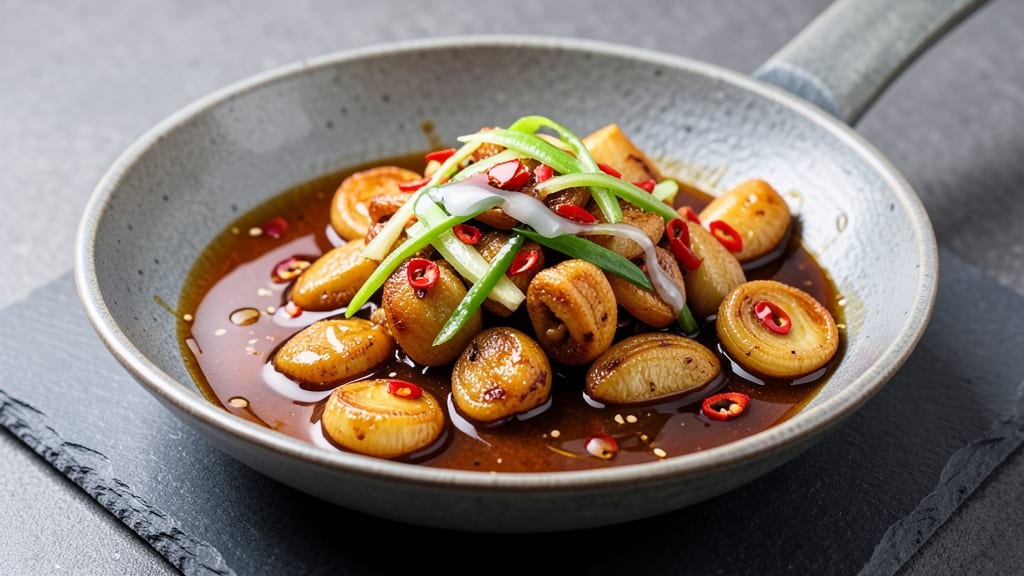
This stir fry sauce recipe with soy sauce and brown sugar delivers the perfect balance of umami depth and caramelized sweetness in just minutes. The secret lies in combining high-quality soy sauce with warm brown sugar, creating a sauce that coats every bite with rich, complex flavor.
I developed this recipe after years of testing stir-fry sauces, and it consistently elevates simple vegetables or proteins into restaurant-quality dishes.
The sauce comes together with five core ingredients—soy sauce, brown sugar, rice vinegar, garlic, and a touch of ginger—that work together to create a harmonious blend of savory, sweet, and aromatic notes. The brown sugar caramelizes slightly when heated, adding a subtle depth that transforms basic stir-fries into something extraordinary.
This sauce is incredibly versatile, working equally well with chicken, tofu, shrimp, or crisp vegetables.
What makes this recipe truly special is its ability to stay balanced—never overpowering, never cloying. The sauce thickens beautifully as it simmers, creating a glossy finish that clings perfectly to your stir-fried ingredients.
It also stores well in the refrigerator for up to two weeks or can be frozen for longer shelf life, making it an ideal pantry staple for quick weeknight meals.
Use about 2 tablespoons of this sauce per stir-fry, adjusting to taste. For extra heat, add a dash of chili paste or red pepper flakes. Once you try this sauce, you'll never go back to store-bought versions—it's that good. Let's get cooking!
Ingredients for stir fry sauce recipe soy sauce brown sugar
Five simple ingredients transform into a restaurant-worthy stir-fry sauce with perfect umami-sweet balance.
| Ingredient | Amount | Notes |
|---|---|---|
| High-Quality Soy Sauce 🍶 | ½ cup | Use light or dark soy sauce |
| Light Brown Sugar 🍯 | ¼ cup | Packed, not granulated |
| Rice Vinegar 🍶 | ¼ cup | Unseasoned preferred |
| Garlic Cloves 🧄 | 4 cloves | Minced, fresh preferred |
| Fresh Ginger 🌿 | 1 tbsp | Grated, not powdered |
| Sesame Oil 🫒 | 1 tbsp | Toasted, for aroma |
| Cornstarch 🌾 | 1 tsp | For thickening |
| Water 💧 | ¼ cup | Room temperature |
The soy sauce makes or breaks this recipe. Kikkoman or La Choy are reliable choices, but Japanese-style soy sauce adds more depth. Brown sugar should be light—not dark—so it caramelizes smoothly without overpowering. Fresh garlic and ginger are essential for that authentic aroma; pre-minced jars work in a pinch, but fresh is always better. For the rice vinegar, Mushkin brand is my go-to—it's bright and clean without any funky aftertaste. Sesame oil adds that signature nutty aroma, but don't overdo it—just a tablespoon is enough to elevate the whole sauce.
No soy sauce? Coconut aminos can substitute at a 1:1 ratio, though the flavor will be slightly different. Running low on brown sugar? White sugar plus a pinch of molasses mimics the caramel notes. Fresh ginger too spicy? Powdered ginger at half the amount works, but it lacks the same freshness. The cornstarch is key for thickening—arrowroot powder works too if you're avoiding gluten. For extra heat, add a dash of sriracha or chili paste at the end. The water helps thin the sauce to the perfect consistency for tossing with stir-fried ingredients.
This sauce keeps beautifully in the fridge for up to 2 weeks in an airtight container. For longer storage, freeze in ice cube trays—just thaw and reheat as needed. The sauce thickens as it cools, so stir in a splash of water if it seems too stiff. Double the batch and store it; you'll find yourself reaching for it constantly. It reheats perfectly, though I prefer using it fresh for the best texture. A little goes a long way—start with 2 tablespoons per stir-fry and adjust to taste.
Why You'll Love This Recipe
- Pantry Magic: I swear by this sauce—no specialty shopping required. Just grab soy sauce, brown sugar, and a few basics you already own, then let the garlic and ginger do the heavy lifting while you chop.
- Sweet-Savory Balance: That caramelized brown sugar? It’s the secret weapon. One minute of simmering turns this into a sauce that’s salty, sweet, and just sharp enough to make your taste buds sing—no fancy ratios, just instinct.
- Double-Duty Sauce: Between us, I make this for stir-fries and glaze for roasted veggies. The rice vinegar keeps it bright, so it works on everything from quick weeknight dinners to Sunday roasts without extra effort.
- Budget Booster: Honestly, this costs me pennies per serving. A splash of soy, a pinch of sugar, and a little fresh ginger stretch across three meals—no waste, no guilt, just flavor that doesn’t break the bank.
Step-by-step instructions for stir fry sauce
Here's how to make a balanced stir fry sauce with perfect umami-sweet harmony every time.
Combine Wet Ingredients in a Saucepan
Place a medium saucepan over medium heat and add the 0.5 cup high-quality soy sauce, 0.25 cup light brown sugar, 0.25 cup rice vinegar, and 0.25 cup water. Stir gently to dissolve the brown sugar completely—you should see it melt into a smooth syrup within 1-2 minutes.
This initial combination creates the flavor foundation. I like to use light brown sugar here because it dissolves more easily than dark brown sugar while still providing that caramel depth. Let the mixture simmer gently for 3-4 minutes until it begins to bubble lightly at the edges—this helps integrate all the flavors before adding the aromatics.
Add Aromatics and Simmer
Reduce heat to low-medium and add the 4 minced garlic cloves and 1 tablespoon grated fresh ginger. Stir constantly for 1-2 minutes until the garlic becomes fragrant and just begins to turn golden—this prevents it from burning while still releasing its full flavor. You'll notice the sauce take on a more complex aroma with hints of garlic's pungency and ginger's warmth.
Here's where it gets interesting: the ginger should be fully incorporated but still visible as small flecks. If you see the ginger turning dark or the garlic burning, reduce the heat immediately. This step builds the aromatic base that will carry through your entire dish.
Incorporate the Thickening Agent
In a small bowl, whisk together the 1 teaspoon cornstarch with 1 tablespoon toasted sesame oil until completely dissolved. This creates a smooth slurry that will thicken your sauce beautifully. Pour this mixture into the simmering saucepan while stirring continuously.
The cornstarch will immediately begin to thicken the sauce. Keep stirring for 2-3 minutes until the sauce reaches your desired consistency—it should coat the back of a spoon but still be pourable. If it thickens too quickly, add 1 tablespoon water at a time until you achieve the right balance. The sesame oil adds that signature nutty aroma that makes this sauce truly special.
Taste and Adjust Seasoning
Remove the sauce from heat and let it cool slightly for 2 minutes. Taste and adjust the balance between sweet, salty, and acidic flavors. If it needs more depth, add another 1 teaspoon soy sauce. For extra brightness, add ½ teaspoon rice vinegar. The sauce should be sweet enough to complement savory proteins but not overpower them.
This is your chance to customize. I often add a pinch of red pepper flakes for heat or a splash of sesame oil for extra aroma. The sauce will continue to thicken slightly as it cools, so don't worry if it looks a bit thin while warm—it'll come together perfectly. Let it sit at room temperature for 5 minutes before using to allow all the flavors to meld completely.
Pro Tips For Making Stir Fry Sauce Recipe Soy Sauce Brown Sugar
- Bloom the Ginger First: Toss the sliced ginger into the hot pan before the garlic—let it sizzle for 10 seconds until fragrant. I learned this the hard way: raw ginger can taste bitter in the sauce, and blooming it first pulls out all the warmth without overpowering the brown sugar’s caramel notes. (Yes, even if you’re impatient like me.)
- Use Wet Brown Sugar: Pack the brown sugar into the sauce dry first, then add a splash of rice vinegar or even a teaspoon of water. This turns it into a glossy, sticky glaze that coats everything instead of clumping like dry powder. My grandmother swore by this, and she was right: it makes the sauce cling to the stir-fry like it’s supposed to.
- Salt the Soy Sauce Early: If your soy sauce tastes flat, add a pinch of salt before combining it with the brown sugar—about ¼ teaspoon per tablespoon of sauce. The sugar mellows out the saltiness, but unsalted soy sauce needs this boost to shine. (Your future self will notice the difference.)
- Simmer, Don’t Boil: Once the sauce hits the pan, keep the heat low and let it bubble gently for 2–3 minutes. Boiling it turns the brown sugar bitter and the vinegar sharp. I was skeptical until I tried it—now I wait, stir occasionally, and the sauce ends up rich and balanced, not cloying. Sounds weird, but it works.
Regional styles of this recipe
Chinese Cantonese Style
In Cantonese cuisine, this sauce becomes even more dynamic when you add a splash of Shaoxing wine—about 1 tablespoon—along with a pinch of white pepper for depth. The wine enhances the umami while the pepper adds a subtle warmth.
For extra authenticity, finish with a drizzle of light soy sauce and a few drops of sesame oil right before tossing with your stir-fry. This version pairs beautifully with char siu pork or shrimp. 🍚
Japanese Teriyaki Twist
To give your sauce a Japanese teriyaki flair, swap the brown sugar for mirin (about 2 tablespoons) and add 1 tablespoon honey for a glossier finish. Use light soy sauce exclusively and reduce the rice vinegar to 1 tablespoon.
Simmer the sauce longer—5-7 minutes—until it thickens into a glossy, lacquer-like consistency. This works wonderfully with grilled chicken skewers or tofu. 🍶
Thai-Inspired Sweet-Chili
For a Thai-inspired variation, replace the brown sugar with 2 tablespoons of palm sugar and add 1 tablespoon of fish sauce (like Red Boat brand) for umami. Stir in 1 teaspoon of chili paste (like Maesri Sriracha) and 1 tablespoon lime juice at the end.
This sauce is perfect for stir-fried vegetables or shrimp and delivers a bright, tangy-sweet profile. 🌶️
Korean Gochujang Fusion
For a Korean-inspired kick, blend 1 tablespoon of gochujang (Korean chili paste) into the sauce after simmering the aromatics. Add 1 teaspoon of sesame seeds and a splash of rice vinegar for balance.
This version is ideal for bulgogi beef or pan-fried tofu. The gochujang adds a deep, fermented heat that complements the sweetness beautifully. 🔥
Vietnamese Nuoc Cham Adaptation
Transform your sauce into a Vietnamese-inspired nuoc cham by reducing the soy sauce to 2 tablespoons and adding 1 tablespoon of fish sauce and 1 tablespoon of lime juice.
Use white sugar instead of brown sugar and finish with fresh cilantro and mint leaves. This lighter, tangier sauce is perfect for grilled meats or spring rolls. 🌿
Nutrition facts
Frequently asked questions
Can I substitute brown sugar with another sweetener?
Yes! For a 1:1 ratio, use honey or maple syrup—just warm it slightly first to help dissolve. White sugar works too, but brown sugar's molasses adds depth that's hard to replicate. If you need a lower-glycemic option, try coconut sugar in the same amount. The sauce will still caramelize beautifully, though the flavor profile may shift slightly.
How do I adjust the sauce for spicier stir-fries?
Add ½ teaspoon chili flakes or 1 teaspoon sriracha at the end for mild heat. For serious spice, stir in 1 tablespoon chili paste (like gochujang) while simmering. Remember: the sauce thickens as it cools, so add heat gradually. For extra kick without overpowering, finish with a drizzle of chili oil when tossing with your stir-fry.
Why did my sauce turn out too thin?
This usually happens if you didn't simmer long enough or added too much water. To fix it, mix 1 teaspoon cornstarch with 1 tablespoon cold water and stir into the warm sauce. For prevention, always simmer until the sauce coats the back of a spoon. If using leftovers, reheat gently and thicken with a cornstarch slurry. The ideal consistency should be glossy but still pourable.
Can I make this sauce without rice vinegar?
Swap rice vinegar for apple cider vinegar or white vinegar at a 1:1 ratio. For a more complex flavor, try 1 tablespoon of lemon juice instead. The acidity balances the sweetness, so if you omit it, your sauce might taste flat. If using vinegar substitutes, taste as you go—some are stronger than others.
How long can I store this sauce?
In an airtight container in the fridge, this sauce keeps for up to 2 weeks. For longer storage, freeze in ice cube trays—just thaw and reheat as needed. The sauce thickens when refrigerated, so stir in a splash of water when ready to use. Pro tip: Label with the date to track freshness. It reheats beautifully, though fresh sauce always tastes best.