
Sauces & Condiments
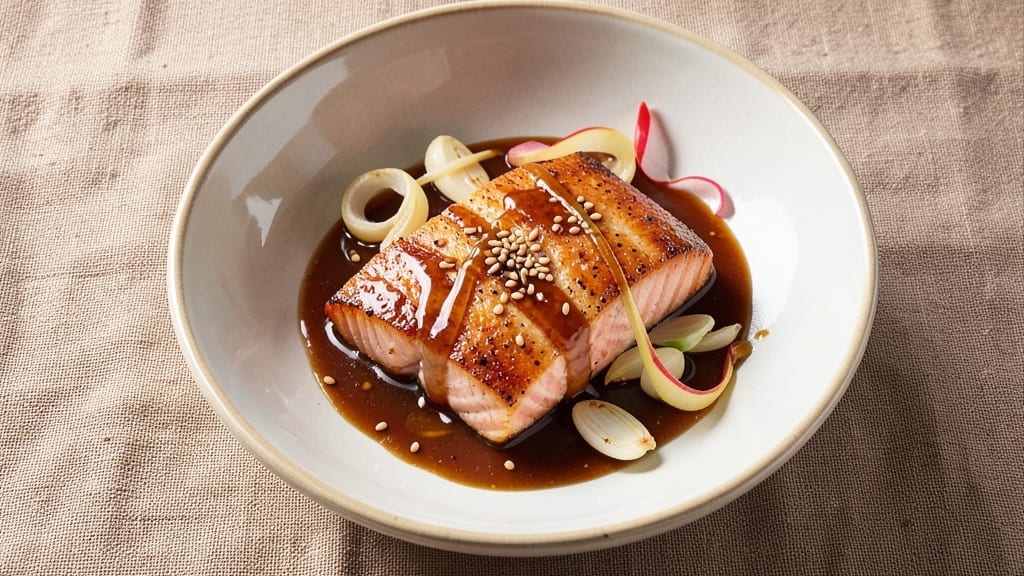
This Asian salmon recipe with hoisin sauce delivers restaurant-quality caramelized crisp in just 25 minutes—no complicated techniques required. The secret lies in a simple honey-hoisin glaze that creates a sticky, savory-sweet crust while keeping the salmon tender inside.
I developed this recipe after years of testing different Asian-inspired glazes, and this version consistently wins over even the most skeptical eaters.
The process is straightforward: marinate the salmon in a mix of soy sauce, garlic, and ginger for 15 minutes, then sear it in a hot pan until golden. While it cooks, brush on the hoisin glaze—thick, aromatic, and packed with umami—to create that signature caramelized finish.
The best part? This method works for pan-searing, baking, or even grilling, so you can adapt it to your preferred cooking style.
What you’ll end up with is perfectly balanced salmon—crispy edges, tender flakes, and a glossy hoisin glaze that’s sweet, tangy, and slightly spicy. Serve it over steamed jasmine rice or alongside stir-fried bok choy for a complete, restaurant-worthy meal.
The glaze also doubles as a dipping sauce, so every bite is packed with flavor.
This recipe is versatile enough for weeknight dinners but impressive enough for guests—ideal for anyone who loves Asian flavors but wants a foolproof, time-efficient method. Ready to transform simple salmon into a showstopper? Let’s get started.
Ingredients for asian salmon recipe with hoisin sauce
Restaurant-quality Asian salmon relies on just 13 ingredients—all designed to create that signature caramelized crisp.
| Ingredient | Amount | Notes |
|---|---|---|
| Center-Cut Salmon Fillets 🐟 | 4 pieces | Skin-on, 6-8 oz each |
| Hoisin Sauce 🍶 | ½ cup | Store-bought or homemade |
| Honey 🍯 | 2 tbsp | Wildflower preferred |
| Soy Sauce 🥄 | ¼ cup | Low-sodium preferred |
| Garlic Cloves 🧄 | 4 cloves | Minced, fresh preferred |
| Fresh Ginger 🌿 | 1 tbsp | Grated, peeled |
| Sesame Oil 🫒 | 1 tbsp | Toasted, for aroma |
| Rice Vinegar 🍶 | 1 tbsp | White or seasoned |
| Vegetable Oil 🫒 | 1 tbsp | High smoke point |
| Toasted Sesame Seeds 🌾 | 1 tbsp | For garnish |
| Fresh Cilantro 🌿 | ¼ cup | Chopped, for garnish |
| Diamond Crystal Kosher Salt 🧂 | ½ tsp | For seasoning |
| Ground Black Pepper 🌶️ | ¼ tsp | Freshly cracked |
The salmon selection matters most here. Center-cut fillets with skin deliver the best texture—thick enough to stay tender inside while crisping perfectly on the edges. Whole Foods or local seafood markets carry the highest-quality cuts, but most grocery stores stock reliable options in the frozen section if fresh isn't available. Look for fillets with vibrant pink flesh and minimal bruising. For the hoisin sauce, Lee Kum Kee remains the gold standard, though homemade versions using fermented soybeans and dates elevate the depth of flavor. The honey should be wildflower or clover—avoid ultra-processed varieties that lack floral notes.
No sesame oil? Toasted peanut oil at half the amount works surprisingly well, though it lacks that signature nutty aroma. Substituting rice vinegar with apple cider vinegar adds subtle sweetness but reduces tang. For the ginger, fresh is non-negotiable—ground powder lacks the bright, citrusy punch. The sesame seeds can be omitted if you're short, but they add crucial texture contrast. If you prefer less heat, reduce the garlic slightly—3 cloves instead of 4—though the dish still shines with full flavor. The glaze doubles as a dipping sauce, so make extra if you're serving with spring rolls or dumplings.
Store the salmon in the coldest part of your fridge, wrapped in parchment paper, for up to 2 days. The hoisin sauce keeps for 3 months unopened in the pantry, but once opened, refrigerate and use within 2 weeks. For meal prep, assemble the glaze ingredients ahead and store separately—combine just before cooking. The cooked salmon reheats beautifully in a 350°F oven for 8-10 minutes, though the texture suffers slightly compared to fresh. Garnishes like sesame seeds and cilantro stay fresh for 3 days in sealed containers.
Why You'll Love This Recipe
- Five-Ingredient Magic: I swear by this combo—salmon, hoisin, honey, soy, and garlic. That’s it. No fancy prep, no hidden pantry raids, just a pan and 20 minutes to transform flaky fish into something that tastes like a restaurant took hours.
- Sweet-Savory Balance: The hoisin and honey team up for a glaze that’s sticky, caramelized perfection, while the soy adds that deep umami punch. Honestly, the first time I tasted it, I grabbed the pan before the salmon even finished cooking—that’s good.
- Weeknight to Date Night: Same recipe, different vibes. Throw it on rice with steamed veggies for a Tuesday night, or drizzle it over noodles for a fancy-ish dinner. Between us, my partner’s “ooh” when I serve this is half the reason I make it.
- Leftovers That Don’t Suck: Cold salmon salad? Yes, please. The glaze stays rich and the fish holds together—no dry, sad bites here. I’ll be real: I’ve eaten this for lunch three days in a row, and it’s never disappointed. Budget win.
Step-by-step instructions for glazed caramelized salmon
Master this technique and you'll achieve restaurant-quality salmon every time—crispy skin, tender flesh, and a glossy hoisin glaze.
Prepare the Glaze and Season the Salmon
In a small bowl, combine the 0.5 cup hoisin sauce, 2 tbsp honey, 0.25 cup soy sauce, 1 tbsp rice vinegar, and 1 tbsp toasted sesame oil. Whisk vigorously until fully blended—the mixture should be smooth with no visible streaks. This balance of sweet, salty, and umami creates the perfect glaze.
Pat each of the 4 center-cut salmon fillets dry with paper towels, removing any moisture from the surface. This step is critical for achieving crispy skin. Place the fillets skin-side down on a clean cutting board and season both sides generously with 0.5 tsp diamond crystal kosher salt and 0.25 tsp ground black pepper. Let them rest at room temperature for 10 minutes—this ensures even cooking throughout.
Sear the Salmon for Crispy Skin
Heat a large skillet over medium-high heat until it's hot enough to make a drop of water sizzle violently when added. Add 1 tbsp vegetable oil and swirl to coat the entire surface evenly. Place the salmon fillets skin-side down in the pan, being careful not to overcrowd.
Cook undisturbed for 3-4 minutes until the skin turns a deep golden brown and crispy. You'll know it's ready when the edges curl slightly and release easily from the pan. The flesh should still appear translucent at this stage—it will continue cooking as you flip. Using a fish spatula, carefully flip each fillet and cook for another 2-3 minutes until the flesh becomes opaque and flakes easily with a fork.
Glaze and Finish with Aromatics
Remove the salmon from the pan and transfer to a warm serving platter. Reduce the heat to medium-low and add the prepared glaze to the same skillet. Stir in the 4 minced garlic cloves and 1 tbsp grated fresh ginger, cooking for 1 minute until fragrant. The aromatics should sizzle gently without burning—this releases their full flavor into the sauce.
Pour the glaze evenly over the salmon fillets, allowing it to pool slightly around the edges. The heat from the pan will cause the glaze to thicken and caramelize, creating that signature glossy finish. Return the salmon to the pan for 30 seconds to allow the glaze to set slightly and adhere to the fish.
Garnish and Serve Immediately
Sprinkle each fillet with 1 tablespoon toasted sesame seeds and 1 tablespoon chopped fresh cilantro, dividing them evenly. The sesame seeds add a nutty crunch while the cilantro provides a fresh contrast to the rich glaze. Serve immediately while the salmon is still warm and the glaze remains glossy.
Each piece should have crispy, caramelized skin that gives way to tender, flaky flesh underneath. The hoisin glaze should coat the salmon evenly, with a balance of sweet and savory flavors that complement the natural richness of the fish. Pair with steamed jasmine rice and stir-fried vegetables for a complete Asian-inspired meal.
Pro Tips For Making Asian Salmon Recipe With Hoisin Sauce
- Pat the Salmon Dry: Hoisin sauce sticks like glue to wet fish. After rinsing the fillets, press them between paper towels—really press—until they’re almost dry. This guarantees a crispy skin instead of a sad, soggy mess. (Yes, even if you’re impatient like me.)
- Minced Garlic, Not Sliced: I used to slice garlic for this sauce, and it just sat there like a decorative garnish. Pulse it in a food processor or mince it finely—this releases more flavor and blends smoothly into the hoisin. No food processor? A knife and a cutting board work, but it takes way longer.
- Low and Slow for Sauce: Hoisin and honey can burn faster than you can say “glazed salmon disaster.” Simmer the sauce on low heat—think “barely bubbling,” not “boiling like a volcano”—and stir every 30 seconds. I learned this the hard way when my kitchen smelled like charred caramel.
- Rest Before Glazing: Skip the urge to slap that hoisin mix on immediately after cooking. Let the salmon rest 5 minutes under foil—this keeps it juicy when the sauce hits. Trust me, the first bite is worth the wait. (Your future self will notice the difference.)
Regional styles of this asian salmon recipe with hoisin sauce
Chinese Cantonese Style
In Cantonese cuisine, this dish often features a lighter, tangier glaze with added rice wine (like Shaoxing wine) instead of rice vinegar. I like using 1 tbsp Shaoxing wine in the glaze to deepen the umami while keeping the sweetness balanced.
Serve with steamed bok choy and jasmine rice for an authentic Hong Kong-style meal. The Cantonese version often includes thinly sliced scallions on top for extra freshness. 🍶
Thai-Inspired Chili-Hoisin
For a Thai twist, add 1 tbsp red curry paste and 1 tsp chili flakes to the glaze for a spicy kick. Use 1 tbsp lime juice instead of rice vinegar to brighten the flavors.
Garnish with thai basil and crushed peanuts for a dish that feels like a street food favorite. This version pairs perfectly with coconut rice or sticky rice for a complete Thai-inspired plate. 🌶️
Japanese Teriyaki Fusion
Japanese teriyaki lovers can adapt this recipe by replacing half the hoisin sauce with 2 tbsp mirin and 1 tbsp sake. Add 1 tsp grated daikon to the glaze for a subtle sweetness.
Serve with steamed shoyu rice and quick-pickled cucumbers for a fusion dish that bridges East Asian cuisines beautifully. The teriyaki-hoisin combo creates a richer, slightly thicker glaze. 🍱
Korean Gochujang Twist
For a Korean-inspired version, swap the hoisin for 2 tbsp gochujang (Korean chili paste) and add 1 tbsp honey to balance the heat. Include 1 tsp toasted sesame oil and 1 tsp toasted sesame seeds in the glaze.
Serve with kimchi and steamed short-grain rice for a bold, spicy-sweet dish that’s packed with umami. The gochujang adds a deep, fermented richness that pairs wonderfully with salmon. 🌶️
Vietnamese Nuoc Cham Glaze
In Vietnam, this dish might feature a nuoc cham-inspired glaze—replace the hoisin with 2 tbsp fish sauce, 1 tbsp lime juice, 1 tbsp sugar, and 1 tsp rice vinegar. Add 1 minced shallot to the glaze for extra depth.
Garnish with fresh cilantro and crushed roasted peanuts for a dish that feels fresh and vibrant. Serve with rice noodles or steamed rice for a lighter, more refreshing take. 🍋
Modern Fusion Variations
For a contemporary twist, try a honey-sriracha hoisin glaze by adding 1 tbsp sriracha and 1 tsp maple syrup to the original recipe. This adds a smoky, spicy depth that’s perfect for a modern Asian fusion dish.
Another fun option is a miso-hoisin glaze—replace half the hoisin with 1 tbsp white miso paste for an extra umami punch. These variations keep the dish exciting while staying true to the original concept. 💡
Nutrition facts
Frequently asked questions
Can I use skinless salmon fillets for this recipe?
The recipe works best with skin-on fillets to achieve that perfect crispy texture, but skinless will still taste great! For a similar result, press the fillets between parchment paper with a heavy pan for 30 seconds to create a flat surface before cooking. The flesh will be tender but slightly less crispy on the edges.
What's the best way to store leftover glazed salmon?
Store cooked salmon in an airtight container in the fridge for up to 3 days. Reheat gently in a skillet with a splash of water at medium-low heat for 2-3 minutes to restore crispiness. The glaze may thicken slightly when reheated—just add a few drops of water to loosen it.
How can I make the hoisin glaze thicker for better coating?
Simmer the glaze mixture in the pan for 2-3 minutes after removing the salmon to reduce the liquid. For extra thickness, add 1 tsp cornstarch mixed with 1 tbsp water to the glaze and cook until it reaches your desired consistency. This works especially well for dipping sauce applications.
What are the best side dishes to pair with this salmon?
Classic Asian pairings include steamed jasmine rice, stir-fried bok choy, or sesame green beans. For a lighter option, try cucumber salad with rice vinegar or quick-pickled vegetables. The hoisin glaze also makes an excellent dipping sauce for spring rolls or dumplings.
Can I bake this salmon instead of pan-searing?
Preheat oven to 400°F, place salmon skin-side up on a parchment-lined baking sheet, and bake for 12-15 minutes. Brush with glaze in the last 5 minutes of cooking. For extra crispiness, broil for 1-2 minutes at the end. The texture will be slightly different but still delicious.