
Sauces & Condiments
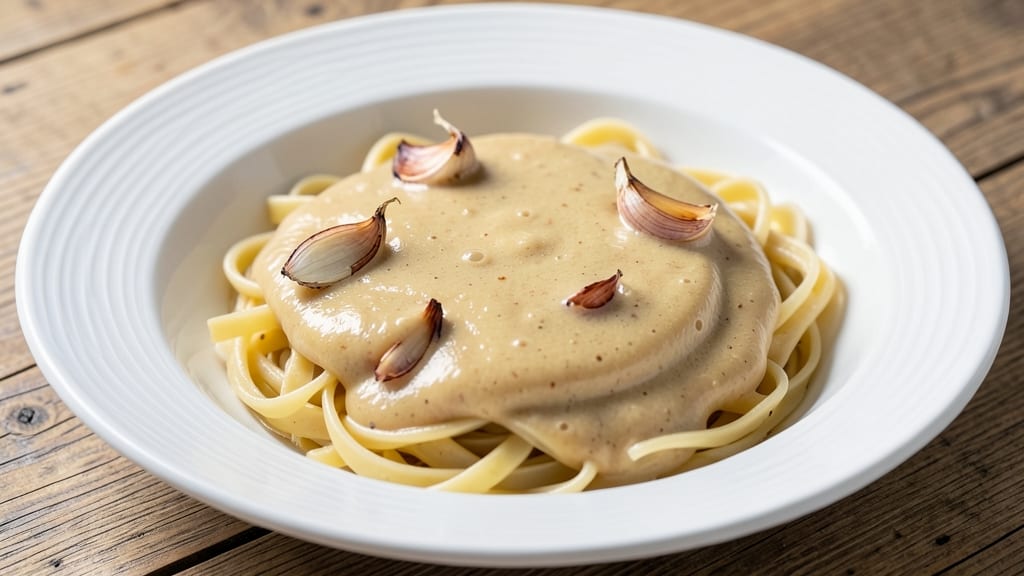
This Asiago cheese sauce pasta recipe delivers the kind of ultra-creamy, restaurant-quality sauce that clings to every al dente noodle. 💛 The secret lies in proper emulsification—where butter, cheese, and pasta water combine to create that signature velvety texture without breaking.
I've perfected this technique over years of testing, and it never fails to impress even skeptical pasta lovers.
The beauty of this recipe is its simplicity: just a handful of ingredients that come together in one pot. We're talking rich Asiago cheese (the star of this show), high-quality pasta, and a few pantry staples that transform into a sauce so luxurious it feels indulgent.
The key is patience—letting the sauce develop gradually while the pasta cooks ensures perfect texture every time.
What you'll end up with is a plate of perfectly al dente pasta smothered in a blanket of creamy Asiago sauce that's neither too thin nor too thick. The sauce clings beautifully to the noodles, creating each bite into a flavorful experience.
The nutty, slightly tangy notes of Asiago cheese shine through, elevated by a touch of garlic and white wine for depth.
This dish serves as an elegant weeknight dinner or impressive meal for company. Garnish with fresh parsley or crispy breadcrumbs for added texture, and you've got a pasta that tastes like it came from an Italian trattoria. Let's get cooking—your taste buds won't be disappointed.
Ingredients for asiago cheese sauce recipe pasta
Just eight ingredients transform into a restaurant-worthy Asiago pasta dish with velvety sauce.
| Ingredient | Amount | Notes |
|---|---|---|
| Asiago Cheese (grated) 🧀 | 1 ½ cups | Freshly grated from block, not pre-shredded |
| Unsalted Butter 🧈 | ½ cup | Cold, cut into small cubes |
| Heavy Cream 🥛 | ½ cup | Full-fat for richness |
| Pasta Water 💧 | 1 ½ cups | Reserved from cooking pasta |
| Garlic Cloves 🧄 | 3 cloves | Minced, fresh preferred |
| Dry Pasta 🍝 | ½ lb | Fettuccine or penne preferred |
| Dry White Wine 🍷 | ¼ cup | Bold, dry variety |
| Salt 🧂 | 1 ½ tsp | Kosher or sea salt |
| Black Pepper 🌶️ | ½ tsp | Freshly ground preferred |
| Fresh Parsley 🌿 | ¼ cup | Chopped, for garnish |
| Breadcrumbs 🍞 | ¼ cup | Toasted, for garnish |
The Asiago cheese is non-negotiable here—look for the block version at specialty stores or Italian markets. Whole Foods or Trader Joe's carry it pre-grated, but it's worth the extra effort to grate it yourself for that ultra-smooth texture. For the pasta, De Cecco or Barilla are my go-tos—they cook perfectly al dente every time. The butter should be cold when you add it to the sauce; this ensures proper emulsification without breaking. If you're feeling fancy, European-style butter has more flavor, but regular unsalted works perfectly fine too.
No Asiago? Parmesan mixed with a touch of Gruyère gets you close, though the nutty tang will be milder. Running out of white wine? Chicken or vegetable broth with a splash of lemon juice works in a pinch. Fresh garlic is ideal, but dried garlic powder at half the amount will do if you're in a hurry. For the pasta water, save about 1.5 cups from the last 2 minutes of cooking—it's liquid gold for that creamy texture. And if you're worried about the sauce being too rich, add a splash of pasta water whenever it starts to thicken.
This sauce reheats beautifully—just add a splash of pasta water to loosen it up. Keeps in the fridge for 3-4 days covered with plastic wrap pressed directly on the surface to prevent a skin from forming. For leftovers, reheat gently on low with a splash of water or milk to restore creaminess. Garnish with parsley and toasted breadcrumbs right before serving—those crispy bits add the perfect crunch to cut through the richness.
Why You'll Love This Recipe
- Five-Ingredient Magic: I swear, this sauce comes together with just butter, cream, cheese, garlic, and pasta water. That’s it—no fancy gadgets or last-minute grocery runs. The key? Let the starchy pasta water do the heavy lifting while you melt cheese like a pro.
- Garlic-Goat Cheese Love: The moment that minced garlic hits the butter? Pure flavor payoff. Asiago’s nutty bite cuts through the creaminess, and that first forkful—warm, garlicky, and just melty enough—is the kind of dish that makes you pause mid-bite. (Yes, even on a Tuesday night.)
- Lunchbox Hero: Pack this for work or school—it reheats like a dream. The sauce clings to the pasta, stays creamy, and tastes just as good cold as it does hot. My kids actually ask for leftovers, and that’s saying something after the third time I served them chicken nuggets.
- Budget Stretch: A single block of Asiago and a stick of butter stretch to feed four for under $10. Heavy cream feels indulgent, but it’s the secret to that velvety texture without breaking the bank. Honestly, this is the kind of recipe that makes me feel like I’m feeding a crowd without stressing my wallet.
Step-by-step instructions for Asiago cheese sauce pasta
Here's how to make that ultra-creamy, restaurant-worthy sauce that clings perfectly to al dente noodles.
🍳 Step 1: Cook Pasta and Reserve Water
Bring a large pot of water to a rolling boil and add 1.5 teaspoons salt. Add the 0.5 pound dry pasta and cook until just 1 minute before al dente (check package instructions). This extra minute ensures perfect texture after sauce absorption.
While pasta cooks, keep an eye on the water level—it should stay high enough to prevent pasta from sticking. Right before draining, scoop out 1.5 cups pasta water into a measuring cup. That starchy liquid is the secret to a silky sauce. Drain the pasta but don't rinse—those surface starches help the sauce cling.
🍳 Step 2: Build the Sauce Base
In a large skillet, melt the 0.5 cup unsalted butter over medium heat until foamy. Add the 3 minced garlic cloves and sauté for 30 seconds until fragrant—don't let it brown or you'll get bitter flavor. Pour in the 0.25 cup dry white wine and let it simmer for 2 minutes until mostly evaporated.
Here's where the magic happens: gradually whisk in the 1.5 cups grated Asiago cheese until completely melted. The cheese should create a thick, velvety paste. If it looks too stiff, add 2 tablespoons pasta water at a time until smooth. Keep heat at medium-low—too high and the cheese burns.
🥘 Step 3: Finish with Cream and Pasta
Stir in the 0.5 cup heavy cream and 0.5 teaspoon black pepper, letting the mixture simmer gently for 2-3 minutes until slightly thickened. The sauce should coat the back of a spoon but still be pourable. If it's too thick, add more pasta water 1 tablespoon at a time until you reach that perfect creamy consistency.
Add the drained pasta to the skillet and toss vigorously for 1-2 minutes until everything is evenly coated. The residual heat will help the sauce cling perfectly. Taste and adjust seasoning—you might need a pinch more salt or black pepper depending on your pasta's saltiness.
🍽️ Step 4: Garnish and Serve
Transfer the pasta to serving plates. For that restaurant touch, sprinkle with 0.25 cup toasted breadcrumbs and 0.25 cup chopped fresh parsley. The breadcrumbs add a nice crunch contrast while the parsley brightens up the rich cheese sauce.
Serve immediately while still hot—this sauce thickens as it cools. Each bite should deliver that perfect balance of creamy, nutty Asiago, with al dente pasta peeking through. Pair with a simple side salad or garlic bread for a complete meal.
Pro Tips For Making Asiago Cheese Sauce Recipe Pasta
- Bloom the Garlic First: Toss minced garlic in the cold butter and let it sit for 30 seconds before turning on the heat—this prevents burning and lets the flavor develop without turning bitter. I used to rush this, and the sauce always tasted harsh; patience here makes a real difference.
- Use Pasta Water Like a Pro: Don’t just splash in a cup of pasta water—add it gradually, a ladle at a time, while stirring constantly. The starch thickens the sauce naturally, but too much too fast turns it gluey. (Yes, even if you’re impatient like me.)
- Shred Cheese Fresh: Skip the pre-shredded Asiago—it’s coated with anti-caking agents that make the sauce grainy. Use a box grater or food processor right before adding it to the pan, and save the leftover cheese for sprinkling on top. Trust me, the texture changes everything.
- Low and Slow for Cream: Once the cream hits the pan, drop the heat to medium-low and let it simmer gently for at least 2 minutes. Skim any foam that rises, and resist the urge to stir constantly—this keeps the sauce silky instead of breaking. (Your future self will thank you.)
Best sauces and condiments for these flavors
Classic White Wine Sauce
The white wine in this recipe isn't just for flavor—it's the secret to creating that perfect balance between richness and brightness. I always use a bold, dry white wine like Sauvignon Blanc or Pinot Grigio from Italy.
The acidity helps cut through the richness of the Asiago cheese while adding depth. If you're using a sweeter wine, add ½ teaspoon lemon juice to balance it out. 🍷
Pro tip: Let the wine simmer until it's reduced by half before adding the cheese. This concentrates the flavor and prevents the sauce from becoming watery. I've tested this with different wines, and the dry varieties always give the best results.
If you're worried about alcohol content, the heat will cook it off completely by the time you serve the pasta.
Creamy Garlic Sauce
The combination of butter and heavy cream creates that luxurious, velvety texture we all love. I always use full-fat heavy cream because it adds richness without making the sauce too heavy.
For an even creamier texture, you can replace 2 tablespoons of the heavy cream with 2 tablespoons of crème fraîche or sour cream at the end. This adds a subtle tang that complements the Asiago beautifully.
Don't skip the butter—it's essential for emulsifying the sauce. Cold butter cubes melt slowly and create that perfect emulsion with the pasta water. If your sauce starts to look too thick, just add a splash of pasta water to loosen it up.
The key is to keep it smooth and creamy, not clumpy. I've made this sauce countless times, and the butter is always the star of the show.
Herb-Infused Oil
For an extra layer of flavor, consider finishing the sauce with a drizzle of herb-infused olive oil. Simply heat 2 tablespoons of extra-virgin olive oil with 1 teaspoon of chopped fresh herbs like thyme or rosemary until fragrant.
Drizzle this over the pasta just before serving. The herbs add a fresh, aromatic note that cuts through the richness of the cheese sauce. 🌿
Another great option is a garlic-infused oil. Heat 2 tablespoons olive oil with 2 minced garlic cloves until golden, then strain out the garlic. This adds a subtle garlic flavor without overpowering the dish.
I love using this technique for a more subtle garlic presence that still packs a punch.
Spicy Pepper Flakes
If you love a little heat, finish your pasta with a sprinkle of crushed red pepper flakes. Start with ¼ teaspoon and adjust to taste. The heat will make the creamy sauce even more satisfying.
For a smoky twist, try adding a pinch of smoked paprika instead. This adds depth and complexity that pairs perfectly with the nutty Asiago. 🌶️
For those who prefer a sweeter heat, drizzle the pasta with a little honey or balsamic glaze after adding the pepper flakes. The sweetness balances the heat and adds another layer of flavor. I've found that this combination works especially well with the rich, creamy sauce—it's a crowd-pleaser every time.
Nutrition facts
Frequently asked questions
Why does this Asiago cheese sauce turn grainy?
Graininess happens when cheese melts too quickly over high heat or when the sauce isn't properly emulsified. Always melt butter and cheese over medium-low heat and whisk constantly. The pasta water acts as an emulsifier—add it gradually if the sauce looks stiff. For extra smoothness, grate the Asiago yourself instead of using pre-shredded cheese.
Can I make this sauce ahead of time?
Yes, but with a few adjustments. Prepare the sauce up to 1 day ahead and store it in an airtight container in the fridge. When reheating, add 1-2 tablespoons pasta water or milk to restore creaminess. For best texture, finish with fresh parsley and toasted breadcrumbs right before serving.
What's the best pasta shape for this creamy sauce?
Fettuccine and penne are ideal—their shapes help the sauce cling beautifully. For extra sauce coverage, try cavatappi or fusilli. Avoid long, thin noodles like spaghetti unless you're serving it with a spoon, as they can get lost in the creamy blanket. The wider the noodle, the better the sauce adhesion!
How do I fix a sauce that's too thick or too thin?
For thick sauce, add 1 tablespoon pasta water at a time while whisking. Too thin? Simmer uncovered for 2-3 minutes to reduce. The key is patience—don't rush the process. If the sauce breaks, whisk in a small piece of cold butter to help re-emulsify it. This happens when heat is too high or cheese is added too quickly.
Can I use this sauce for other dishes besides pasta?
This creamy Asiago sauce works perfectly on grilled chicken, steamed vegetables, or even as a dip for crusty bread. For chicken, toss it with the sauce and bake at 375°F for 20 minutes. For veggies, drizzle generously and broil for 3-4 minutes until bubbly. The sauce's versatility makes it a great pantry staple!