
Sauces & Condiments
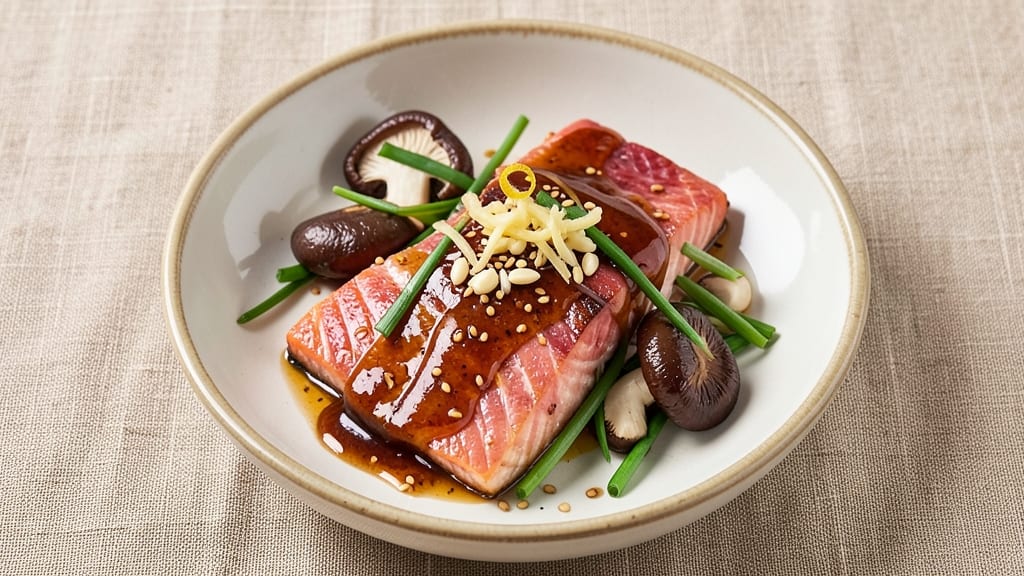
This Asian salmon sauce recipe transforms simple ingredients into a sweet-savory glaze that elevates grilled or baked salmon to restaurant-quality levels. The secret lies in balancing umami-rich soy sauce with bright honey, fresh ginger, and aromatic garlic—creating a sauce that's both bold and delicate.
I developed this recipe after years of testing, ensuring every spoonful delivers depth without overpowering the natural flavor of the fish.
The sauce comes together in 10 minutes with just 6 ingredients, yet its complexity rivals hours of simmering. A quick reduction on the stove intensifies the flavors, while a touch of rice vinegar adds brightness that cuts through the richness.
Perfect for drizzling over perfectly cooked salmon or using as a marinade, this sauce stays fresh in the fridge for up to a week—ideal for meal prep.
What makes this sauce truly special is its versatility. The garlic-ginger base works equally well with other proteins like chicken or shrimp, while the honey-soy balance creates a caramelized glaze when baked.
The texture is velvety yet clings beautifully, ensuring every bite of your salmon is infused with flavor. Once you try this, store-bought sauces will never measure up.
For best results, let the sauce sit for 15 minutes after making to allow flavors to meld fully. Store in an airtight container, and reheat gently before using.
Whether you're hosting a dinner party or simply treating yourself to a special meal, this sauce will be your secret weapon for creating standout dishes with minimal effort.
Ingredients for asian salmon sauce
Six ingredients, one incredible sauce that turns simple salmon into a restaurant-worthy dish.
| Ingredient | Amount | Notes |
|---|---|---|
| Soy Sauce 🍶 | ½ cup | High-quality, low-sodium preferred |
| Honey 🍯 | ¼ cup | Pure, unprocessed honey |
| Fresh Ginger 🧄 | 2 tbsp | Finely grated, fresh only |
| Garlic Cloves 🧄 | 3 cloves | Minced, fresh preferred |
| Rice Vinegar 🍶 | 1 tbsp | Seasoned or unseasoned |
| Sesame Oil 🫒 | 1 tbsp | Toasted, for aroma |
The soy sauce is non-negotiable—Kikkoman or Pearl River Bridge are my go-tos for that perfect umami punch. Honey should be unprocessed (none of that fake stuff in a bottle). Fresh ginger and garlic are a must; no powdered substitutes here. I always grab ginger from the Asian market—it’s fresher and more aromatic. If you’re in a pinch, jarred minced garlic works, but fresh is better. Store your ginger root in the fridge to keep it fresh longer.
No honey? Maple syrup or agave works in a pinch, though the flavor will be slightly different. Rice vinegar gets tricky—if you can’t find it, apple cider vinegar plus 1 tsp sugar mimics it okay. Sesame oil is all about aroma, so don’t skimp. Trader Joe’s has a great toasted version that’s affordable. For extra depth, add a pinch of red pepper flakes if you like a little heat. The sauce thickens as it cools, so don’t worry if it looks too thin right away.
This sauce keeps for up to 1 week in the fridge, but it’s even better the next day once flavors meld. Store it in a small glass jar with a tight seal. Reheat gently in a small saucepan or microwave for 20 seconds. Freezes beautifully for up to 3 months—just thaw in the fridge overnight. I like to make a double batch so I always have some on hand for quick meals.
Why You'll Love This Recipe
- Pantry Magic: I swear by this sauce—no specialty trips, just what’s already in my fridge. Soy sauce, honey, and rice vinegar? That’s it for the base, and I’m always grabbing ginger and garlic on my way home anyway.
- Sweet-Savory Balance: The honey cuts through the soy’s saltiness while the ginger adds that zingy warmth. It’s the kind of sauce that makes you lick the bowl—no fancy plating needed.
- Weeknight Workhorse: Slather it on salmon for dinner, toss it with noodles for lunch, or drizzle it over rice the next day. I’ve even used it to glaze chicken thighs when I’m feeling lazy. (Yes, even on a Tuesday night.)
- Makes Leftovers Taste Fresh: Store it in the fridge for up to a week, and it doesn’t lose a bit of punch. That first taste after reheating? Honestly, you’d never guess it’s not fresh off the stove.
Step-by-step instructions for sweet-savory salmon glaze
Here's how to blend bold Asian flavors into a silky glaze that'll make your salmon shine.
Grate and Mince the Aromatics
Start by grating the 2 tablespoons fresh ginger using a fine grater or microplane. You want it as fine as possible—think more like a paste than coarse shreds. This ensures the ginger melts smoothly into the sauce without any texture surprises. Set it aside in a small bowl.
Next, peel and mince the 3 cloves garlic as finely as you can. I like to use the flat side of my chef's knife for this—it gives me more control than a garlic press. The goal is tiny, even pieces that'll dissolve completely when cooked. Taste a pinch of the raw ginger and garlic—this is your flavor foundation, so don't skimp on the freshness.
Simmer the Base Ingredients
In a small saucepan, combine the 0.5 cup soy sauce and 0.25 cup honey. Place the pan over medium heat and bring to a gentle simmer. You'll see bubbles form around the edges—this is your signal to add the grated ginger and minced garlic. Stir everything together and let it cook for 2-3 minutes until the mixture becomes slightly translucent.
Here's where the magic happens: the heat helps break down the ginger's fiber and mellows the garlic's sharpness. Keep stirring occasionally to prevent sticking—if it starts to look too thick, add 1 tablespoon water to help it flow smoothly. The sauce should reduce just enough to coat the back of a spoon but still maintain a glossy sheen.
Add Acid and Finish with Oil
Pour in the 1 tablespoon rice vinegar and stir well. The vinegar brightens the flavors and balances the sweetness. Let the mixture simmer for another 1-2 minutes until it thickens slightly and the aroma becomes irresistibly complex—think sweet, savory, and tangy all at once.
Finally, remove the pan from heat and stir in the 1 tablespoon sesame oil. This is what gives the glaze its signature nutty aroma and rich mouthfeel. The oil should be toasted, not raw—raw sesame oil can taste bitter. Taste the sauce and adjust seasoning if needed: a pinch more soy sauce for saltiness, a drizzle of honey for sweetness, or a splash of vinegar for acidity.
Strain and Use Immediately
For the smoothest texture, strain the sauce through a fine-mesh sieve into a clean bowl or jar. This removes any lingering ginger fibers or garlic bits, leaving you with a velvety glaze. If you prefer a slightly textured sauce, you can skip this step—but I find the silky version pairs best with delicate salmon.
Use the glaze immediately for best results. It's perfect for brushing onto salmon fillets before baking or grilling, drizzling over rice, or even as a dip for spring rolls. The sauce keeps well in the fridge for up to 1 week, but the flavors develop best when used fresh. Store it in an airtight container, and give it a quick stir before using to restore its glossy consistency.
Pro Tips For Making Asian Salmon Sauce
- Simmer Low and Slow: The sauce is sweet and savory, not burnt and bitter—so keep the heat at a gentle simmer once everything’s in the pot. After 5 minutes of sizzling garlic and ginger, drop it to medium-low and let it bubble quietly. I learned this the hard way when my sauce turned into caramelized syrup in 30 seconds.
- Peel and Slice Ginger Thin: No, you don’t need to julienne it like a fancy chef. Just shave off the skin with a spoon, then slice it paper-thin—about 1/8-inch thick. Thicker slices sit like rocks and won’t infuse properly, while thin ones melt into the sauce without leaving texture.
- Balance Vinegar Last: Add the rice vinegar after the sauce has simmered for at least 3 minutes—otherwise, it’ll evaporate too fast and make your dish taste sharp instead of bright. Taste as you go, and adjust with a splash or two until it’s tangy but not sour.
- Use Dark Soy for Depth: Skip the light soy here—it’s too pale and won’t carry the richness you want. Dark soy adds molasses-like depth and a glossy finish. If you’re out, a mix of light soy and a teaspoon of molasses works, but it’s not the same. Trust me, your sauce will thank you.
Common mistakes when making perfect results
Overcooking the Sauce
This sauce is all about balance—don’t let it boil vigorously or it’ll turn bitter and lose its delicate sweetness. I’ve seen people walk away for just a few minutes, and when they return, the sauce has reduced into a thick, syrupy mess with harsh flavors.
Keep the heat at medium-low and stir constantly to prevent burning. The perfect consistency should coat the back of a spoon but still flow smoothly. 🌡️
Skipping the Straining Step
If you skip straining the sauce, you’ll end up with tiny ginger and garlic bits that can feel gritty against your tongue. While some texture lovers enjoy this, I find the silky, refined version pairs better with delicate salmon.
Use a fine-mesh sieve or even a clean tea towel for straining. If you’re short on time, a quick pulse in a blender works too—just strain afterward to avoid lumps.
Using Low-Quality Ingredients
The sauce’s magic comes from fresh, high-quality ingredients—don’t cut corners here. Substituting powdered ginger or garlic, or using cheap honey or soy sauce, will make the flavors flat and one-dimensional. I always use freshly grated ginger from the Asian market and Kikkoman soy sauce for that authentic umami punch.
Even the sesame oil matters—opt for toasted over raw for that nutty depth.
Not Letting It Rest
This sauce tastes even better after it sits for 15-20 minutes—that’s when the flavors truly meld together. If you use it immediately, you’ll miss out on that deeper, more complex taste. I like to make the sauce ahead of time and let it chill in the fridge overnight.
The longer it rests, the more balanced and cohesive the flavors become. Trust me, patience pays off here. ⏳
Adding Too Much Vinegar
Rice vinegar is key for brightness, but adding too much can make the sauce taste harsh and unbalanced. Start with the 1 tablespoon called for, then taste and adjust—just a ½ teaspoon at a time.
The goal is a bright, tangy note that complements the sweetness, not overpowers it. If your sauce tastes sour, a drizzle of honey can help rebalance it.
Ignoring the Sesame Oil Finish
Stirring in the sesame oil at the very end is crucial—it adds that signature nutty aroma and richness. If you add it too early, it can burn and turn bitter. Always remove the pan from heat first, then stir in the oil.
For extra depth, I like to add a ¼ teaspoon of toasted sesame seeds on top of the finished sauce for garnish. It’s a small touch that makes a big difference. 🫒
Nutrition facts
Frequently asked questions
Can I make this sauce without honey?
For a similar sweetness, use ¼ cup maple syrup or agave nectar as a 1:1 substitute. If you prefer a savory version, reduce the honey to 2 tablespoons and add 1 teaspoon mirin for depth. The sauce will still balance beautifully with the soy and vinegar.
How do I use this sauce with other proteins?
This glaze works wonderfully with chicken thighs, shrimp, or even tofu! For chicken, brush it on after searing for a caramelized crust. With shrimp, use it as a marinade for 10-15 minutes before cooking. For tofu, bake at 400°F for 20 minutes after brushing. The sauce's versatility makes it a pantry staple.
Can I make this sauce ahead of time?
Yes! This sauce actually tastes better after resting. Store it in an airtight container in the fridge for up to 1 week. The flavors meld beautifully overnight. For longer storage, freeze for 3 months—thaw in the fridge before using. Give it a quick stir to restore its glossy texture before applying.
What if my sauce turns out too thick?
Simply thin it with 1-2 teaspoons warm water or rice vinegar while stirring. If it's too thin, simmer uncovered for 1-2 minutes to reduce. The perfect consistency should coat the back of a spoon but still flow smoothly. Adjust gradually—you can always thicken it further by simmering longer.
Is this sauce spicy?
Not at all! This recipe is naturally mild, but you can easily add heat by stirring in ½ teaspoon red pepper flakes or 1 teaspoon sriracha at the end. For a smoky twist, add ¼ teaspoon smoked paprika. Always taste first—you can adjust to your preference while keeping the sauce's signature sweet-savory balance.