
Sauces & Condiments
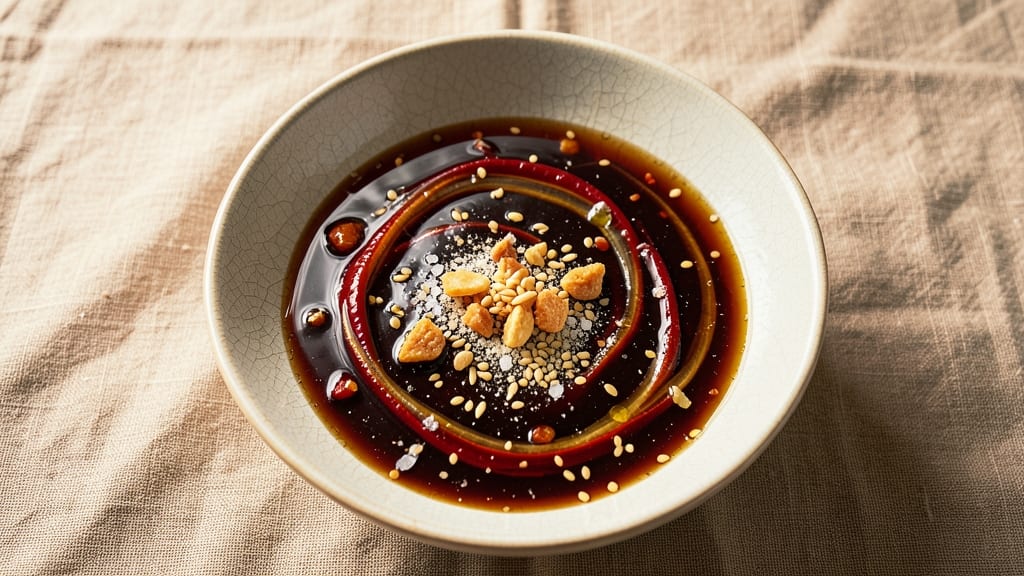
This bao dipping sauce recipe transforms simple pantry staples into a silky, complex sauce that elevates every bite of your steamed buns.
The perfect balance of black vinegar's tang, chili oil's heat, and soy sauce's umami creates a velvety fusion that pairs beautifully with juicy pork, mushrooms, or crispy shallots. I developed this version after testing dozens of combinations—it's the one that consistently delivers restaurant-quality results at home.
The secret lies in the ratios: a 1:1:1 blend of black vinegar, soy sauce, and chili oil forms the base, while a touch of sugar and sesame oil rounds out the flavors.
Unlike many recipes that rely on heavy cream or butter, this version stays light yet rich, with the chili oil adding both color and depth. The sauce keeps well in the refrigerator for up to two weeks, making it perfect for meal prep or entertaining.
What makes this sauce truly special is its versatility—it works as a dipping sauce for bao, a marinade for grilled meats, or even a glaze for roasted vegetables. The black vinegar adds a distinctive aroma, while the chili oil ensures every spoonful delivers a satisfying kick.
Once you try this version, store-bought sauces will never measure up.
For best results, let the sauce sit for at least 15 minutes before serving to allow the flavors to meld.
Adjust the heat level to your preference by adding more or less chili oil, and don't be afraid to experiment with variations like adding a splash of rice vinegar or a pinch of garlic powder for extra complexity. Here's how to make it perfectly every time.
Ingredients for bao dipping sauce
Pantry staples that create a restaurant-worthy bao sauce—simple yet bold.
| Ingredient | Amount | Notes |
|---|---|---|
| Black Vinegar 🍶 | ½ cup | High-quality for authentic flavor |
| Light Soy Sauce 🥢 | ½ cup | Kikkoman preferred for balance |
| Chili Oil 🌶️ | ½ cup | Homemade or store-bought |
| Granulated Sugar 🍚 | 2 tbsp | Adjust for preferred sweetness |
| Sesame Oil 🫒 | 1 tbsp | Toasted for nutty aroma |
| Garlic Powder 🧄 | ½ tsp | Fresh garlic for deeper flavor |
| Ground White Pepper 🌶️ | ¼ tsp | Freshly ground preferred |
| Water 💧 | ¼ cup | For thinning if needed |
The black vinegar makes or breaks this sauce. Look for Chinese black vinegar at Asian markets—it's deeper and more complex than regular vinegar. Kikkoman soy sauce is my go-to for that perfect umami balance, but any light soy will work. The chili oil? Homemade is ideal—just blend chili flakes, oil, and a pinch of salt—but store-bought works in a pinch. I always grab extra chili oil because it's the star here, adding both heat and that signature red color. For the garlic powder, if you've got fresh garlic, mince it and toast it lightly—game changer for flavor.
No black vinegar? Substitute with 2 tbsp rice vinegar plus 1 tsp molasses for a similar tang. Swapping soy sauce? Coconut aminos works in a bind, though it's slightly sweeter. Short on chili oil? Mix 1 tbsp chili flakes with 1 tbsp oil—just don't overdo it. The sugar can be swapped for honey or maple syrup, but keep it to 2 tbsp max. Sesame oil is non-negotiable for that nutty aroma, but if you're out, toasted sesame seeds in the sauce add a nice texture. The water is just for thinning if the sauce gets too thick—start with less and add as needed.
This sauce keeps beautifully in the fridge for up to 2 weeks—perfect for meal prep. Store it in a glass jar with a tight seal to preserve those vibrant flavors. For best results, let it sit for 15 minutes before serving so the flavors meld. I always make a double batch because it disappears fast. Freezes well for 3 months if you want to stock up. The longer it sits, the better it gets—trust me on this.
Why You'll Love This Recipe
- Five-Ingredient Magic: I swear by this combo—black vinegar’s tang cuts through the richness, light soy adds depth, and just a drizzle of chili oil turns it from good to oh my god. No fancy techniques, just stir and taste.
- Pantry Staple Power: Honestly, I never shop for dipping sauces anymore. These ingredients are already lurking in my cupboard, and I’m always mixing them up for bao, dumplings, or even grilled chicken. Zero extra trips to the store.
- Leftovers That Shine: This sauce actually improves the next day—flavors meld better, and the sugar caramelizes just enough. I keep a jar in the fridge for lazy weeknights when takeout feels like work.
- Weeknight Secret Weapon: Between us, this is how I survive Tuesdays. Five minutes of stirring while I chop veggies or wait for the rice cooker? Done. No last-minute grocery runs, no stress—just bold, reliable flavor when I need it most.
Step-by-step instructions for bao dipping sauce
This fusion sauce balances tangy black vinegar with spicy chili oil for that perfect bao dip.
Whisk Together the Base Ingredients
In a medium bowl, combine the 0.5 cup black vinegar, 0.5 cup light soy sauce, and 2 tablespoons granulated sugar. Stir until the sugar fully dissolves—this should take about 30 seconds with vigorous whisking. You're building the foundation for that perfect balance of sweet, salty, and tangy flavors.
Here's the thing—don't rush this step. The sugar needs to completely integrate so it doesn't create grainy pockets in your sauce. If you see any undissolved crystals, give it another 10 seconds of whisking. This mixture should be smooth and syrupy at this stage, with no visible sugar granules.
Incorporate the Chili Oil and Sesame Oil
Next, add the 0.5 cup chili oil and 1 tablespoon sesame oil to the vinegar mixture. Use a whisk to gently fold these oils into the sauce, being careful not to create too many bubbles. The chili oil will give your sauce that signature heat and vibrant color, while the sesame oil adds depth and nutty aroma.
I like to do this in a slow, circular motion with the whisk to evenly distribute the oils. You'll see the sauce transform from a clear liquid to a rich, reddish-orange color. This is where the magic happens—those tiny chili particles will disperse throughout, creating that perfect silky texture with just the right amount of spicy kick.
Add the Aromatics and Seasonings
Sprinkle in the 0.5 teaspoon garlic powder and 0.25 teaspoon ground white pepper over the sauce. Whisk vigorously for about 20 seconds until these seasonings are completely dissolved and evenly distributed. The garlic powder will add a subtle, aromatic depth, while the white pepper provides a clean, slightly spicy note that complements the chili oil beautifully.
This is the moment that matters: taste your sauce at this stage. You should detect a balance of tangy vinegar, salty soy, sweet sugar, and a hint of spicy warmth from the chili oil. If it needs more sweetness, add a pinch more sugar. If it needs more heat, add a small drizzle of chili oil. Adjust to your taste, but remember—you can always add more, but you can't take any out!
Thin with Water if Needed
Now, add the 0.25 cup water one tablespoon at a time while whisking continuously. The goal is to achieve a sauce that's silky and smooth—just thick enough to coat the back of a spoon but still pourable. You'll know it's perfect when it reaches that ideal consistency where it clings to your bao without being too runny.
Real talk: your sauce might not need all the water. I've found that sometimes the chili oil and sesame oil naturally emulsify with the other ingredients, creating a thick but spreadable sauce. If that's the case, just use what's necessary to reach that perfect dipping consistency. The sauce should be glossy and vibrant, ready to elevate every bite of your bao.
Let It Rest and Develop Flavor
Cover your bowl with plastic wrap and let the sauce sit at room temperature for at least 30 minutes. This resting period allows all the flavors to meld together beautifully. The acids in the vinegar will mellow slightly, the heat from the chili oil will distribute evenly, and the sweetness will become more integrated.
If you're really eager to use it, you can wait 15 minutes, but I promise you'll notice a significant difference in flavor after the full 30 minutes. This step is crucial for developing that restaurant-quality depth. Once rested, give it one final taste and adjust seasoning if needed before serving.
Pro Tips For Making Bao Dipping Sauce
- STIR LOW AND SLOW: Black vinegar burns faster than you’d think. Simmer this sauce on the lowest heat setting—just above a bare simmer—while stirring every 30 seconds. I learned this the hard way when my first batch turned into a charred, bitter mess that ruined a whole batch of bao.
- USE AGED CHILI OIL: Skip the cheap, watery chili oil from the bottle—it’ll make your sauce taste flat. Look for aged chili oil with visible red flakes or invest in crushed dried chilies and neutral oil. The depth of flavor is worth the effort, and your bao will thank you.
- BALANCE SWEET AND SOUR FIRST: Taste the black vinegar and sugar combo before adding soy sauce or chili oil. Adjust the ratio until it’s tangy but not overpowering—this is the foundation. I used to dump everything in and fix it later; now I fix it before it’s a problem.
- FINISH WITH SESAME OIL LAST: Add sesame oil in the final 30 seconds of cooking, off the heat if possible. This preserves its nutty aroma instead of letting it cook out. A splash at the end makes all the difference—trust me, I’ve ruined batches by adding it too early.
Wine and beer pairings for this dish
Light Beer Pairings
For this vibrant bao dipping sauce, I reach for a crisp Japanese lager like Asahi Super Dry or Sapporo. The clean, slightly sweet profile of these beers complements the sauce's tangy-sweet balance beautifully. The subtle carbonation also helps cleanse your palate between bites of rich bao. 🍺
Rice Wine Options
If you prefer wine, opt for a light-bodied Chinese rice wine like Shaoxing wine. Its nutty, slightly floral notes enhance the sauce's umami depth while keeping the heat from the chili oil from overwhelming. Serve it chilled for the best experience.
Sparkling Wine Refreshment
A dry Prosecco or Cava works surprisingly well with this sauce. The effervescence cuts through the richness, while the acidity mirrors the black vinegar's tang. I like to serve it in small glasses alongside the bao for an elegant touch.
Non-Alcoholic Choices
For a mocktail option, mix sparkling water with a splash of ginger beer and a squeeze of lime. The ginger's warmth complements the chili oil, while the lime adds a bright contrast to the sauce's depth. Serve it ice-cold for a refreshing pairing.
Warm Tea Pairings
If you prefer tea, a jasmine green tea with a hint of honey is perfect. The floral notes harmonize with the sauce's complexity, while the tea's warmth balances the chili oil's heat. Brew it lightly for a delicate pairing that won't overpower the flavors.
Spiced Beer Experiment
For a bolder beer option, try a lightly spiced wheat beer like Blue Moon. The coriander and orange peel notes in the beer complement the garlic powder in the sauce, creating a delightful flavor interplay. Serve it slightly chilled for the best experience. 🌶️
Nutrition facts
Frequently asked questions
Can I make this bao dipping sauce without chili oil?
Replace the 0.5 cup chili oil with 2 tablespoons of chili paste or crushed red pepper flakes mixed with 2 tablespoons neutral oil. For a milder version, use 1 tablespoon sriracha or gochujang instead. The sauce will still have depth, just with less vibrant color and a slightly different texture.
How do I adjust the sweetness or spice level?
For more sweetness, add 1 extra teaspoon of sugar or honey per batch. To reduce sweetness, omit 1 teaspoon of sugar. For less heat, reduce chili oil by 1 tablespoon or add 1 extra tablespoon of sesame oil to balance it. Always taste as you go—you can't take out what you've added!
Can I use this sauce for other dishes besides bao?
This versatile sauce works beautifully with dumplings, spring rolls, grilled meats, or even as a marinade. It's also fantastic drizzled over noodles or used as a glaze for roasted vegetables. The black vinegar and soy base make it a great all-purpose condiment for Asian-inspired dishes.
Why does my sauce look too thin or too thick?
If it's too thin, whisk in 1 extra tablespoon of sugar (it thickens as it dissolves) or reduce by 1 tablespoon of water. For a thicker sauce, simmer it gently for 2-3 minutes to evaporate excess liquid. The ideal consistency should coat the back of a spoon but still be pourable.
How can I make this sauce vegan?
Use tamari instead of soy sauce and ensure your chili oil contains no animal products. The rest of the ingredients are already vegan-friendly. For extra richness, add 1 teaspoon of toasted sesame seeds or a pinch of white miso paste for umami depth. The flavor profile remains identical!