
Sauces & Condiments
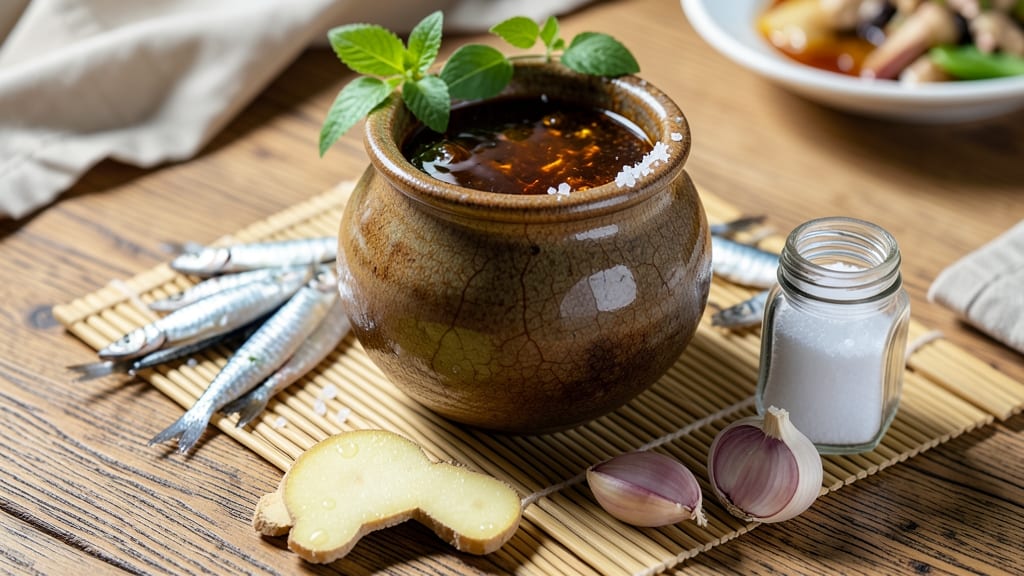
This authentic Vietnamese fish sauce captures the soul of Southeast Asian cuisine in a bottle—deep, salty, umami-rich, and fermented just like the original. 🌟 The process requires patience, but the reward is a condiment that transforms any dish into something extraordinary.
I first made this after traveling through Vietnam, where I tasted fish sauce that tasted nothing like the bottled versions sold in stores.
The traditional method involves fermenting small fish with salt and water for weeks, allowing natural enzymes to break down the fish into a complex, aromatic liquid. No shortcuts here—this is the real deal, with no artificial additives or preservatives.
The result is a sauce that's salty, funky, and packed with layers of umami that elevate everything from stir-fries to marinades.
What makes this recipe special is its authenticity—every step mirrors the techniques used in Vietnamese households for generations. The fermentation process develops depth of flavor that you simply can't replicate with store-bought versions. Once you taste the difference, you'll never go back to the bottled stuff again.
Perfect for those who appreciate traditional flavors and are willing to invest time for a truly exceptional condiment. The process is straightforward, but the waiting period ensures the best possible results. Let's get started on creating your own batch of this essential Southeast Asian staple.
Ingredients for authentic vietnamese fish sauce
The secret to authentic umami lies in these simple yet transformative ingredients.
| Ingredient | Amount | Notes |
|---|---|---|
| Small Fresh Anchovies 🐟 | 1 ½ lb | Cleaned, heads and tails removed |
| Non-Iodized Sea Salt 🧂 | 1 ½ cups | Diamond Crystal preferred |
| Filtered Water 💧 | 4 cups | Room temperature preferred |
| Fresh Ginger Root 🧄 | ½ cup | Julienned or grated |
| White Sugar 🍚 | ¼ cup | Granulated preferred |
| Garlic Cloves 🧄 | 6 cloves | Crushed or lightly smashed |
| Non-Reactive Fermentation Container 🥫 | 1 piece | Glass quart jar preferred |
| Cheesecloth or Coffee Filter 🧻 | 1 piece | For straining |
| Rubber Band 🔗 | 1 piece | For securing filter |
| Wooden Spoon 🥄 | 1 piece | For stirring |
The anchovies are the heart of this sauce—fresh, wild-caught anchovies from a trusted fishmonger make all the difference. Asian markets often carry them frozen, but if you can find them fresh, even better. Look for small, silvery fish with no strong fishy odor. The salt should be non-iodized sea salt—iodized can add unwanted flavors. For the ginger, young, tender roots work best, with minimal fibrous strings. If you can't find fresh ginger, high-quality powdered ginger will work in a pinch, though it lacks the same depth. The garlic should be firm and fresh-smelling, with no green shoots sprouting from the cloves.
No anchovies? Sardines or mackerel work in a pinch, but the flavor profile will differ slightly. The sugar can be swapped for coconut sugar or brown sugar if you prefer a deeper caramel note. For the fermentation container, any glass quart jar with an airtight lid will do—just ensure it's clean and free of any soap residue. If you're short on time, store-bought fish sauce can be used as a base, but it won't have the same depth of fermentation. The key is patience—the longer it ferments, the richer the flavor, so don't rush the process.
Once fermented, strain the sauce through cheesecloth or a coffee filter into a clean jar. Store in a cool, dark place—the flavor develops over months, so it's worth the wait. The sauce will keep for up to 2 years once fermented, but it's best enjoyed after 3-6 months for peak flavor. Portion into smaller jars for gifting—everyone will ask for more once they taste the difference.
Why You'll Love This Recipe
- Five-Ingredient Magic: I swear, this sauce comes together with just anchovies, salt, water, ginger, and sugar—no fancy gadgets or long simmering. Honestly, my first batch took 20 minutes from start to finish, and that includes the time I paused to taste-test the ginger-water mix.
- Umami Bomb: That first spoonful? Chef’s kiss. The anchovies break down into this deep, salty-sweet richness, while the ginger adds a bright, almost citrusy kick. Between us, it’s the kind of flavor that makes you pause mid-meal and think, “Wait, why haven’t I made this before?”
- Pantry Staple Power: This sauce is the MVP of my cooking—drizzle it on noodles, toss it into stir-fries, or even glaze grilled fish. I’ll be real: I keep a jar in the fridge for weeks, and it never lets me down. (Yes, even on a Tuesday night.)
- Budget-Friendly Gold: A single batch costs me pennies but transforms every dish. Fresh anchovies are cheap, and the rest? Salt, water, ginger—stuff I already had. It’s the kind of recipe that makes me feel like I’m eating gourmet without breaking the bank.
Step-by-step instructions for authentic Vietnamese fish sauce
Here's how to ferment umami-rich fish sauce using traditional Vietnamese techniques.
👨🍳 Step 1: Prepare the Fermentation Container and Ingredients
Rinse the non-reactive fermentation container thoroughly with hot water and let it cool completely. This ensures a clean, sterile environment for fermentation. In a separate bowl, combine the 1.5 lb small fresh anchovies, 0.5 cup fresh ginger root (julienned or grated), and 6 cloves garlic cloves (lightly smashed). The ginger and garlic will enhance the fermentation process and add depth to the final product.
Use the wooden spoon to gently press the anchovies, ginger, and garlic together in the bowl. This helps release natural enzymes that will aid fermentation. Transfer the mixture to the prepared container, pressing down firmly to eliminate air pockets. This compact arrangement maximizes surface area for fermentation and prevents mold growth.
🥘 Step 2: Layer Salt and Water for Proper Fermentation
Dissolve the 1.5 cups non-iodized sea salt in the 4 cups filtered water until completely dissolved. Pour this saltwater solution over the anchovy mixture in the container, ensuring it completely covers the ingredients by at least 1 inch. The salt creates an anaerobic environment while preserving the fish and preventing bacterial contamination.
Use the wooden spoon to stir the mixture gently, ensuring no dry spots remain. The saltwater should be at room temperature to avoid shocking the ingredients. Seal the container tightly, leaving no air gaps. This airtight environment is crucial for proper fermentation and flavor development.
⏰ Step 3: Ferment at Room Temperature for 3-4 Weeks
Store the sealed container in a dark, cool place (around 70-75°F) for 3-4 weeks. During this time, the mixture will ferment naturally, developing that signature umami depth. You'll notice a gradual breakdown of the anchovies and a pungent aroma developing—this is normal and indicates proper fermentation.
Check the container weekly, giving it a gentle shake to redistribute settled ingredients. The fermentation process should remain anaerobic, so avoid opening the container unless necessary. After 3 weeks, taste a small amount through the filter—it should be intensely salty and fishy with developing umami. If not fully fermented, continue for another 7-10 days.
🔪 Step 4: Strain and Sweeten the Fermented Mixture
Line a clean container with the cheesecloth or coffee filter and secure it with the rubber band. Carefully pour the fermented mixture through the filter, pressing gently with the wooden spoon to extract all liquid. This strained liquid is your raw fish sauce, which will be cloudy and intensely flavored.
Return the strained liquid to the fermentation container and stir in the 0.25 cup white sugar using the wooden spoon. The sugar helps balance the intense saltiness and adds a subtle sweetness that enhances the complexity. Seal the container again and let it sit at room temperature for another 2-3 days to allow flavors to meld.
🍽️ Step 5: Bottle and Age for Maximum Flavor
Transfer the sweetened fish sauce to clean glass bottles, leaving about ½ inch headspace at the top. Store in a cool, dark place for at least 2-3 months to develop full flavor. The sauce will continue to mature over time, with the umami intensity growing stronger.
When ready to use, shake the bottle well before each application. Start with small amounts—this is a potent condiment. The authentic Vietnamese fish sauce should have a deep, savory aroma with notes of fermented fish, ginger, and garlic. Use it to elevate soups, marinades, and dipping sauces, or reduce it for glazes.
Pro Tips For Making Authentic Vietnamese Fish Sauce
- Rinse Anchovies Twice: Salt clings to those little fish like glue—give them a quick rinse under cold water before salting. I learned this the hard way when my first batch tasted more like a salt lick than nuoc mam. Two rinses, two shakes in a colander, and you’ll avoid that harsh bite.
- Simmer Low and Slow: Forget rushing it. Keep the heat at a bare simmer—just enough to see tiny bubbles at the edges, no rolling boil. After burning three batches trying to speed things up, I now set the pot on the back burner and walk away. Patience here means depth later.
- Grate Ginger, Don’t Slice: Fresh ginger root loses its punch when it’s chopped—grate it fine, like you’re making kimchi. The surface area matters more than you’d think. I used to slice it thin, and the flavor faded fast. Now I use the smallest holes on my grater and add it early.
- Strain Twice for Clarity: One straining session leaves behind cloudy bits—do it twice, with a fine-mesh sieve first, then cheesecloth or a coffee filter. Yes, it’s extra work, but the difference in color and smoothness is night and day. Your future self will thank you when you’re not fishing out fish skins later.
Pro cooking tips for authentic vietnamese fish sauce
Fermentation Temperature
Keep your fish sauce fermenting between 70-75°F for optimal results. This range mimics traditional Vietnamese fermentation conditions. I use a small under-cabinet warming drawer set to 72°F—it’s perfect for maintaining consistent warmth without overheating.
If your kitchen runs cooler, place the jar near a sunny window (but not direct sunlight) or use a small ceramic crock with a heating pad underneath. Avoid refrigeration during fermentation—it slows the process and dulls flavor development. 🌡️
Saltwater Ratio
The 3:1 water-to-salt ratio (4 cups water to 1.5 cups salt) is critical for proper fermentation. Too little salt risks spoilage, while too much can inhibit microbial activity. Weigh your salt accurately—I use a digital kitchen scale for precision.
If you’re at high altitude (above 3,000 feet), increase salt by 5% to compensate for lower water boiling points. The saltwater should dissolve completely before pouring; any undissolved crystals can create pockets where bacteria might grow. 🧂
Stirring Technique
Stir your fermenting mixture once weekly using a wooden spoon—never metal, as it can introduce unwanted minerals. Press the spoon firmly against the sides of the jar to break up any settled layers and redistribute enzymes.
I find that gentle, circular motions work best. Avoid vigorous stirring, which can introduce oxygen and disrupt the anaerobic environment. The goal is to maintain even fermentation without disturbing the delicate microbial balance. 🥄
Straining Efficiency
For the cleanest strain, use double-layered cheesecloth or a coffee filter secured tightly with a rubber band. Place the filter over a wide-mouth glass jar to catch the liquid efficiently. Press the solids gently with the back of your spoon—too much force can push sediment through.
I’ve found that patience here pays off: let the liquid drip slowly for 30-60 minutes rather than rushing it. The first few ounces will be cloudier; discard these if they’re overly murky. ✨
Sugar Addition
Add the ¼ cup sugar only after straining to prevent fermentation from stopping prematurely. The sugar should dissolve completely within 2-3 days at room temperature. If your kitchen is cool (<65°F), warm the sauce slightly (to 80°F) before adding sugar to help dissolve it faster.
I like to stir in 1 tsp of black peppercorns along with the sugar for an extra layer of complexity—it’s a trick I picked up from a Vietnamese chef in Saigon. 🍚
Bottling and Storage
Use amber or cobalt glass bottles to protect the sauce from light, which can degrade flavor over time. Leave ½-inch headspace to allow for expansion if the bottle gets warm. Store in a cool, dark pantry (ideally 60-65°F).
The sauce will continue maturing for up to 2 years, but peak flavor occurs at 3-6 months. Label your bottles with the date—trust me, you’ll forget how long it’s been aging! For gifting, I use small 4-ounce bottles with cork stoppers for an authentic touch. ❄️
Nutrition facts
Frequently asked questions
Why does authentic Vietnamese fish sauce need to ferment for so long?
The fermentation process (typically 3-4 weeks) breaks down proteins and fats in the fish, creating complex umami flavors that store-bought versions can't match. The longer it ferments, the deeper the savory notes become—this is what gives traditional Vietnamese fish sauce its signature depth and aroma. Patience is key for that authentic taste!
Can I use frozen anchovies instead of fresh?
Fresh anchovies are ideal, but you can use frozen if thawed properly. Rinse them thoroughly to remove excess salt, then pat dry before using. The texture may be slightly different, but the flavor will still develop well during fermentation. Just ensure they're completely defrosted before mixing with salt and water.
What should I do if mold appears during fermentation?
If you see any mold (usually fuzzy spots), discard the entire batch immediately—it means the fermentation went wrong. To prevent this, always use clean equipment, maintain proper salt levels, and keep the mixture fully submerged. Start fresh with a new batch using sterilized containers and ingredients.
How much fish sauce should I use in recipes?
Start with just ½ teaspoon and adjust to taste—this homemade version is much stronger than commercial brands. For soups, use 1-2 teaspoons per quart of broth; for marinades, 1-2 tablespoons per pound of meat. Remember, a little goes a long way with authentic fermentation!
Can I make fish sauce without ginger and garlic?
Yes, but they add wonderful depth to the flavor. Without them, your sauce will still be delicious but may lack the aromatic complexity. If omitting, consider adding ½ teaspoon of coriander seeds during fermentation for extra dimension. The traditional recipe includes these aromatics for a reason—they enhance the umami!