
Sauces & Condiments
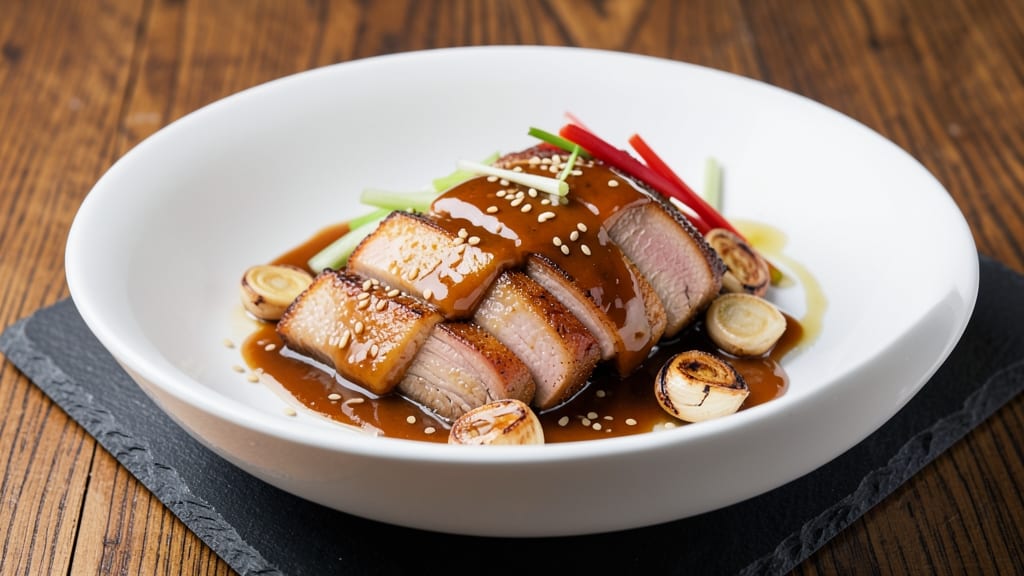
This Asian pork sauce recipe transforms simple ingredients into a bold, umami-rich base that elevates stir-fries, noodles, and grilled meats in just 15 minutes. The secret lies in balancing sweet, salty, and tangy flavors—think hoisin depth with a bright ginger kick—while reducing the sauce to a glossy, clingy consistency.
I’ve refined this recipe over years of testing, ensuring it stays vibrant even after refrigeration, so you can make a batch ahead and keep it on hand for quick weeknight meals.
The foundation starts with a simple simmer of soy sauce, brown sugar, and garlic, which builds the sauce’s backbone. Adding hoisin paste introduces that signature Asian sweetness, while rice vinegar and sesame oil brighten the finish.
A splash of water keeps the sauce from sticking as it reduces, and a final touch of cornstarch ensures a silky, emulsified texture that clings perfectly to proteins and vegetables. The result?
A sauce that’s rich yet balanced, with layers of flavor that cut through fatty meats and complement crisp vegetables.
What makes this sauce truly versatile is its adaptability—use it as a stir-fry glaze, a dipping sauce for spring rolls, or a marinade for pork tenderloin. The recipe yields about 1½ cups, enough for two generous meals or leftovers that reheat beautifully.
Store it in the fridge for up to 5 days or freeze for 3 months, making it a pantry staple for Asian-inspired dishes without the fuss of store-bought versions.
For best results, let the sauce sit for 10 minutes after simmering to allow flavors to meld fully. If you’re short on time, a quick blend with a splash of water can mimic the emulsified texture, though simmering yields the most cohesive finish.
Pair it with garlic ginger pork, steamed dumplings, or even roasted Brussels sprouts for a flavor boost that feels restaurant-quality.
Ingredients for asian pork sauce
Ten simple ingredients create a restaurant-quality Asian pork sauce that's bold, balanced, and ready in 15 minutes.
| Ingredient | Amount | Notes |
|---|---|---|
| Light Soy Sauce 🥢 | ½ cup | Kikkoman preferred for balance |
| Dark Soy Sauce 🥢 | ¼ cup | For deeper umami richness |
| Hoisin Paste 🍶 | ⅓ cup | Thick, sweet-savory foundation |
| Brown Sugar 🍚 | ¼ cup | Packed, light brown preferred |
| Rice Vinegar 🍶 | ¼ cup | Seasoned variety for balance |
| Garlic Cloves 🧄 | 4 cloves | Minced, fresh preferred |
| Fresh Ginger 🌿 | 1 tbsp | Grated, peeled, organic preferred |
| Sesame Oil 🫒 | 1 tbsp | Toasted, for nutty aroma |
| Cornstarch 🌾 | 1 tsp | For silky emulsification |
| Water 💧 | ¼ cup | For reducing control |
The soy sauces are non-negotiable for depth—Kikkoman light and Lee Kum Kee dark are my go-tos, but any high-quality brands work. Hoisin paste should be thick and glossy; avoid watery versions. For ginger, organic is best—it has more punch. Garlic cloves should be fresh, not pre-minced, and peeled just before grating to prevent browning. Sesame oil adds that signature aroma, so toasted is essential—skip the refined version. All ingredients should be room temperature before combining for even emulsification.
No hoisin paste? Substitute 2 tbsp soy sauce plus 1 tbsp molasses for sweetness, though texture will differ. Fresh ginger unavailable? Ground ginger at half the amount, but flavor won't be identical. Cornstarch can be swapped for arrowroot powder in equal measure. For a quicker version, blend all ingredients except water first, then reduce—though simmering yields the most cohesive sauce. The brown sugar should be packed; light brown works best for caramelization without bitterness.
This sauce thickens as it cools, so add water gradually during reduction. Store in an airtight container with a thin layer of oil on top to preserve freshness. Keeps 5 days refrigerated or 3 months frozen. For best flavor, let it sit 10 minutes after simmering before using. Portion into ice cube trays for easy single-use servings—perfect for quick stir-fries or marinades.
Why You'll Love This Recipe
- Pantry Magic: I swear by this sauce because it’s made with things I already have—no specialty shopping needed. The dark soy sauce adds that rich, molasses-like depth while the hoisin paste brings that sticky-sweet umami punch, all without breaking the bank.
- Sweet-Savory Balance: That perfect harmony of brown sugar and rice vinegar? It’s what makes this sauce dangerously addictive. The vinegar brightens the richness, and the sugar caramelizes just enough to give it that glossy, irresistible finish—no fancy techniques required.
- Weeknight Workhorse: I use this sauce for stir-fries, dumplings, even as a glaze for roasted pork—it’s my go-to when I need flavor fast. Honestly, I’ve made it three times this week already, and it never feels repetitive.
- Leftovers That Shine: This sauce keeps for weeks in the fridge, and it only gets better over time. I’ll often make a double batch because it turns bland rice or simple noodles into a full meal—no waste, just pure satisfaction.
Step-by-step instructions for Asian pork sauce
This umami-rich sauce builds layer by layer—start with aromatics, reduce carefully, then balance flavors.
Prepare Aromatics and Base Ingredients
In a medium saucepan, combine the 0.5 cup light soy sauce, 0.25 cup dark soy sauce, and 0.33 cup hoisin paste. Stir over medium-low heat until the mixture reaches a gentle simmer—this takes about 3-4 minutes. The sauce should be smooth with no visible separation, indicating the hoisin has fully incorporated into the soy base.
While the sauce simmers, finely mince the 4 cloves garlic and grate the 1 tbsp fresh ginger using a microplane. Set these aside—they'll add depth when combined later. The key here is patience; rushing the simmering stage can lead to a flat, one-dimensional sauce. Let the soy and hoisin meld together first before introducing the fresh aromatics.
Add Sweetness and Acid Balance
Reduce heat to low and stir in the 0.25 cup brown sugar and 0.25 cup rice vinegar. The sugar will begin to dissolve almost immediately, but keep stirring gently for 2-3 minutes until the mixture becomes syrupy. You're looking for a consistency similar to light maple syrup—thick enough to coat the back of a spoon but still pourable.
This is where the sauce's flavor profile starts to come together. The brown sugar adds caramel notes that complement the umami from the soy sauces, while the rice vinegar introduces a bright acidity that cuts through the richness. Taste the mixture now—it should be sweet, tangy, and deeply savory, but still need the aromatic punch from garlic and ginger.
Incorporate Aromatics and Build Depth
Add the minced garlic and grated ginger to the saucepan. Stir continuously over low heat for 2-3 minutes until the raw garlic scent disappears and you detect a toasty aroma. This indicates the garlic has fully infused its flavor without burning. The ginger should soften slightly but remain visible—it won't dissolve completely at this stage.
Next, stir in the 1 tbsp sesame oil. The oil will immediately create a glossy sheen on the sauce, signaling it's ready for the final thickening stage. The nutty aroma of sesame oil bridges the gap between the sweet, savory base and the fresh aromatics. Here's where the sauce transforms from a simple reduction to a complex, restaurant-quality glaze.
Thicken and Finish the Sauce
In a small bowl, whisk together the 1 tsp cornstarch and 0.25 cup water until completely dissolved. The mixture should be smooth with no visible lumps—this is your thickening agent. Slowly pour this slurry into the saucepan while stirring constantly over medium-low heat. The sauce will begin to thicken immediately, reaching the perfect coating consistency in about 1-2 minutes.
Remove from heat once the sauce reaches a glossy, syrupy texture that coats the back of a spoon. Let it sit for 1 minute to fully set. The final product should be thick enough to cling to proteins or vegetables but still pourable for stir-fries. If it thickens too much while cooling, simply whisk in 1 teaspoon of hot water to restore the ideal consistency.
Test and Adjust Flavors
Taste the sauce immediately after removing it from heat. At this stage, it should balance sweet, salty, umami, and aromatic notes perfectly. If it needs more depth, add ½ teaspoon of light soy sauce. For extra brightness, incorporate ½ teaspoon of rice vinegar. The sauce should be complex enough to stand alone but versatile enough to complement any protein or vegetable.
Let the sauce cool to room temperature before using—this allows the flavors to fully meld. Store any leftovers in an airtight container in the refrigerator for up to 1 week, or freeze for 3 months. This versatile sauce elevates simple stir-fries to restaurant-quality dishes, with its perfect balance of sweet, savory, and aromatic complexity.
Pro Tips For Making Asian Pork Sauce
- Simmer Slow and Low: I learned this the hard way—boiling that sauce too fast turns it bitter. Keep the heat at a gentle simmer (just small bubbles breaking the surface) for at least 10 minutes after adding the brown sugar. This lets the flavors meld without scorching, especially when you’re combining dark soy sauce and hoisin paste.
- Balance the Vinegar: Rice vinegar’s job is to brighten, not overpower. Add it last, then taste immediately—you can always add more, but you can’t undo the sharpness if you go too far. Start with half the amount listed, then adjust. (Yes, even if you’re impatient like me.)
- Deglaze First, Then Sweeten: Skip dumping the brown sugar straight into the pan after cooking the pork—it’ll burn before it dissolves. First, splash in 2 tablespoons of water or rice vinegar to lift the fond (those sticky bits) off the bottom. Then stir in the sugar while the pan is still hot but not smoking.
- Use Real Hoisin Paste: That jarred hoisin sauce from the Asian aisle is fine, but for depth, invest in a small tub of fresh hoisin paste. It’s thicker, richer, and won’t separate like the watered-down versions. If you’re stuck with the jarred kind, whisk it vigorously before adding to the sauce—it’ll blend smoother and save you from clumpy texture.
Creative variations of asian pork sauce
Spicy Thai-Inspired Twist
Add 1 tbsp chili garlic sauce (like Sriracha) and 1 tsp fish sauce when combining the soy sauces and hoisin. For extra heat, stir in ½ tsp crushed Thai chilies or 1 tsp sambal oelek at the end.
This version pairs perfectly with garlic shrimp or Thai basil pork. The fish sauce adds depth while the chili brings a fiery kick that balances the sweetness. 🌶️
Sweet and Tangy Fusion
Swap the rice vinegar for 2 tbsp lime juice and reduce the brown sugar to 2 tbsp. Add 1 tbsp honey and 1 tsp grated lime zest when incorporating aromatics. This brighter, citrus-forward sauce works beautifully with grilled chicken skewers or steamed jasmine rice.
The lime zest adds a fresh aroma that cuts through the richness, making it ideal for summer meals.
Japanese Teriyaki Adaptation
Replace the hoisin with ¼ cup mirin and 2 tbsp sake, and reduce the soy sauces to ⅓ cup total. Add 1 tsp grated daikon radish for a subtle sweetness. This lighter, more delicate sauce is perfect for glazing salmon or tofu.
The mirin and sake create a glossy finish with a subtle floral note, while the daikon adds a delicate crunch when used as a dipping sauce.
Korean Gochujang Glaze
Mix 2 tbsp gochujang (Korean chili paste) into the hoisin before simmering, and add 1 tsp toasted sesame seeds at the end. This adds a deep, fermented heat with a smoky undertone. Serve over bulgogi beef or kimchi fried rice.
The gochujang introduces a complex, slightly spicy depth that pairs wonderfully with the umami of the soy and pork. Garnish with extra sesame seeds for texture. 🔥
Vegan-Friendly Option
Use coconut aminos instead of soy sauce and 1 tbsp maple syrup to replace half the brown sugar. Add 1 tsp miso paste for umami depth. This version works perfectly with tofu stir-fries or veggie dumplings.
The miso adds a savory richness that mimics the pork flavor, while the coconut aminos provide a salty backbone without animal products.
Herb-Infused Variation
Stir in 1 tbsp chopped cilantro and 1 tsp chopped Thai basil at the very end, just before serving. For a more robust herbal note, add ½ tsp lemongrass paste when simmering the base.
This aromatic version elevates beef lettuce wraps or rice paper rolls. The fresh herbs brighten the sauce, making it feel lighter and more vibrant, perfect for spring or summer dishes. 🌿
Nutrition facts
Frequently asked questions
Can I make this sauce without hoisin paste?
Yes! Substitute 2 tbsp soy sauce plus 1 tbsp molasses for the hoisin paste. The sauce will be slightly less sweet but still delicious. For extra depth, add ½ tsp five-spice powder when simmering. The texture will be thinner, so reduce the water by 1 tablespoon to maintain consistency.
How do I adjust the spice level?
For mild heat, add ½ tsp chili flakes at the end. For a fiery kick, stir in 1 tbsp gochujang (Korean chili paste) with the hoisin or 1 tsp sambal oelek after thickening. Always taste first—you can add more, but you can't remove it!
Why did my sauce turn grainy?
Graininess usually means the cornstarch didn't dissolve properly or the sauce reduced too quickly. Fix it by whisking in 1 teaspoon of hot water to re-emulsify. For prevention, whisk the cornstarch slurry vigorously for 30 seconds before adding it to the saucepan. Simmer on low heat to avoid rapid reduction.
Can I use this sauce as a marinade?
Use ½ cup of the sauce for 1 pound of pork, plus 1 tbsp oil to help it cling. Marinate for 30-60 minutes (no longer, or the acidity will over-tenderize). For extra flavor, add 1 tsp grated ginger and 1 minced garlic clove directly to the marinade.
How long will the sauce keep in the fridge?
The sauce stays fresh for 5-7 days in an airtight container. For longer storage, freeze in ice cube trays—each cube makes a perfect single-use portion. Thaw overnight in the fridge before using. If the sauce thickens when refrigerated, whisk in 1 teaspoon of water to restore consistency.