
Sauces & Condiments
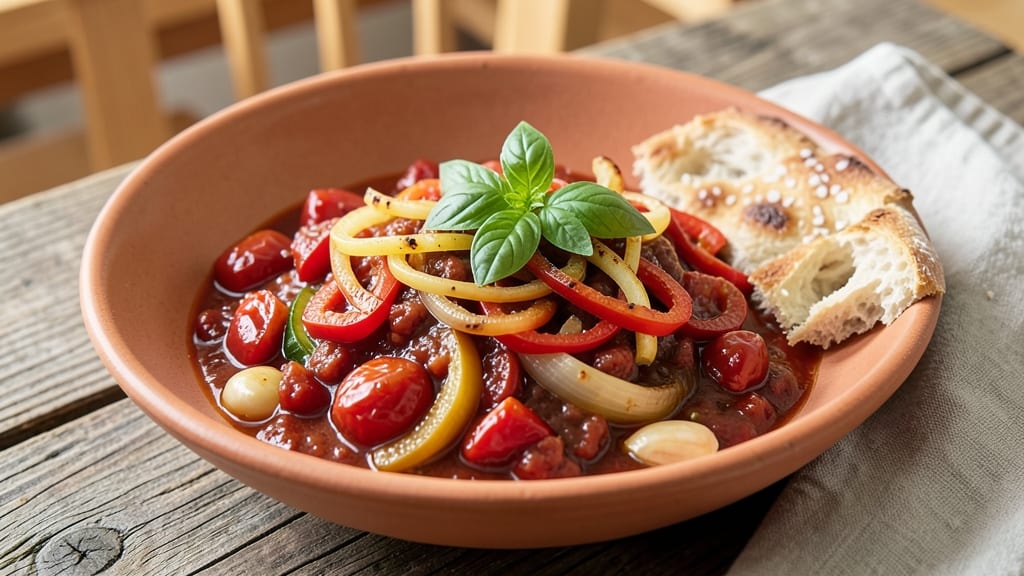
This garden vegetable spaghetti sauce transforms summer's bounty into rich, vibrant sauce that tastes like a sun-drenched Italian countryside. 🌿 I developed this recipe after years of testing how to preserve peak-season flavors—no canned tomatoes or shortcuts here.
The secret lies in slow-simmering fresh vegetables until they melt into a velvety, herbaceous base that clings perfectly to pasta.
The beauty of this sauce is its simplicity: just tomatoes, zucchini, bell peppers, and herbs simmered together until tender. I've refined the technique over years of test kitchen sessions to ensure the vegetables break down just enough to create a luscious texture without turning mushy.
The result is a sauce that's vibrant, flavorful, and packed with garden-fresh goodness that you won't find in store-bought versions.
What you'll end up with is a sauce that's rich enough to stand alone but bright enough to complement any Italian dish. The aromatics from the garlic and basil infuse every spoonful, while the natural sweetness of the tomatoes balances the acidity.
This sauce freezes beautifully, making it perfect for preserving summer flavors all year round.
Whether you're serving it over spaghetti for a weeknight dinner or using it as a base for lasagna, this garden vegetable spaghetti sauce delivers restaurant-quality results with minimal effort.
The best part? You can adjust the ingredients based on what's fresh at your local farmers market, ensuring every batch is as unique as the season itself.
Ingredients for garden vegetable spaghetti sauce
Summer's garden bounty meets Italian tradition in this vibrant, herb-packed spaghetti sauce.
| Ingredient | Amount | Notes |
|---|---|---|
| Fresh Roma Tomatoes 🍅 | 2 lb | Ripe, vine-ripened preferred |
| Medium Zucchini 🥒 | 2 whole | Seedless, skin-on for texture |
| Red Bell Pepper 🌶️ | 1 whole | Seeds removed, chopped |
| Yellow Onion 🧅 | 1 whole | Yellow or white, diced |
| Garlic Cloves 🧄 | 4 cloves | Peeled, thinly sliced |
| Fresh Basil Leaves 🌿 | 1 ½ cups | Packed, stems removed |
| Extra-Virgin Olive Oil 🫒 | ½ cup | High-quality, fruity |
| Vegetable Broth 💧 | 1 cup | Low-sodium preferred |
| Tomato Paste 🍅 | 2 tbsp | Squeeze tube preferred |
| Kosher Salt 🧂 | 1 ½ tsp | Diamond Crystal preferred |
| Freshly Ground Black Pepper 🌶️ | ½ tsp | Freshly cracked preferred |
| Dried Oregano 🍃 | ½ tsp | Italian or Mediterranean |
| Balsamic Vinegar 🍷 | 1 tbsp | Aged 25 years or more |
The tomatoes are the heart of this sauce—roma tomatoes have the perfect balance of sweetness and acidity, but any ripe heirloom variety works. Hit your local farmers market for the freshest, or grab a pint of vine-ripened from the grocery store's produce section. The zucchini should be firm but not waxy—seedless varieties like 'Eight Ball' break down beautifully. For the bell pepper, red or yellow add natural sweetness, but green works too if that's what's available. Fresh basil is non-negotiable here; dried won't cut it—the aroma is what makes this sauce sing. If you're short on time, basil pesto from a jar works in a pinch, but fresh is always better.
No fresh tomatoes? Canned San Marzano tomatoes (crushed by hand) work beautifully—they're sweeter and more flavorful than standard canned varieties. Swap the zucchini for yellow squash or eggplant if needed, but adjust cooking time as eggplant absorbs more liquid. The tomato paste can be skipped if you're using extra tomatoes, but it deepens the flavor. No balsamic vinegar? A splash of red wine or even more tomato paste will do. For the olive oil, avoid light or refined oils—they lack the fruity notes that elevate this sauce. The vegetable broth can be swapped for white wine if you prefer a brighter acidity, but keep the amount the same.
This sauce tastes even better the next day as flavors meld together—make a double batch and freeze half for later. Store in an airtight container in the fridge for up to 5 days, or freeze for up to 3 months in airtight containers. For freezing, cool the sauce completely first to prevent ice crystals. The sauce thickens as it cools, so you can always add a splash of broth or water when reheating. If you're using it for lasagna, assemble it ahead and refrigerate overnight—the flavors deepen even more. Leftovers make fantastic pizza sauce too!
Why You'll Love This Recipe
- No Chopping Chaos: I swear by this recipe because it only needs rough chopping—no fancy dicing or peeling. Toss in whole garlic cloves, halved zucchini, and chunked bell peppers, then let the pot do the work while you stir in tomatoes. (Yes, even on a Tuesday night.)
- Summer in a Sauce: That first spoonful of simmered Roma tomatoes, sweet bell peppers, and caramelized onions? It’s like summer vacation for your taste buds. The zucchini adds a subtle creaminess without overpowering, and the garlic—oh, the garlic—makes this sauce dangerously good.
- Leftovers That Beg: This sauce actually improves the next day, deepening in flavor while keeping its bright, fresh edge. I make double batches on Sundays and freeze half—perfect for lazy nights or when I’m too tired to cook. (Trust me, your future self will thank you.)
- Pantry to Plate Magic: No specialty ingredients here—just what you’d find in your garden or grocery store. Swap in whatever veggies are on hand (eggplant? sure!), and it’s still a winner. Honestly, it’s my go-to when I’m broke or busy, and no one ever guesses it’s not from a jar.
Step-by-step instructions for fresh garden vegetable spaghetti sauce
Transform your garden harvest into a vibrant, flavor-packed sauce that's pure summer in a jar.
🍳 Step 1: Sauté the Aromatic Base
Heat the 0.5 cup extra-virgin olive oil in a large Dutch oven over medium heat until shimmering. Add the diced yellow onion and cook for 5 minutes until soft and translucent, stirring occasionally. Here's the thing—you want to develop that sweet, caramelized flavor without browning.
Add the thinly sliced garlic cloves and chopped red bell pepper to the pot. Cook for another 3-4 minutes until the garlic is fragrant but not browned—this prevents bitterness. You'll know it's ready when the garlic releases its aroma and the bell pepper softens slightly. Keep the heat at medium throughout this process to avoid scorching.
🥘 Step 2: Build the Sauce Foundation
Stir in the 2 tbsp tomato paste and cook for 1 minute until it darkens slightly. This step creates a rich, concentrated base that carries all the flavors. Add the 1 cup vegetable broth and scrape up any browned bits from the bottom of the pot—those are packed with flavor.
Bring the mixture to a gentle simmer, then add the 2 lb fresh Roma tomatoes (cut into quarters) and 2 whole medium zucchini (chopped into ½-inch pieces). Season with the 1.5 tsp kosher salt, 0.5 tsp freshly ground black pepper, and 0.5 tsp dried oregano. Let it simmer uncovered for 15 minutes while you prep the basil.
👨🍳 Step 3: Incorporate Herbs and Simmer
While the sauce simmers, tear the 1.5 cups fresh basil leaves into smaller pieces by hand—this preserves their delicate flavor better than chopping. When the vegetables have softened but still retain some texture, stir in the basil and 1 tbsp balsamic vinegar. The vinegar adds a subtle tang that balances the sweetness of the tomatoes.
Continue simmering for another 20-25 minutes until the sauce thickens and the vegetables are completely tender. You'll know it's ready when the sauce coats the back of a spoon and the flavors meld beautifully. Taste and adjust seasoning—you might need a pinch more salt or pepper to bring out all the flavors.
⏰ Step 4: Finish and Rest
Remove the sauce from heat and let it cool for 10 minutes. This resting period allows the flavors to develop fully. If you prefer a smoother texture, use an immersion blender to blend about half the sauce—this keeps some texture while creating a velvety consistency. For a completely smooth sauce, blend everything until silky.
Real talk: the sauce will thicken even more as it cools, so don't worry if it looks too thin at this stage. Store leftovers in the refrigerator for up to 5 days or freeze for 3 months. When ready to serve, reheat gently on the stove and toss with your favorite pasta. Each bite should deliver bright tomato flavor, fresh herb notes, and a perfect balance of sweet and tangy.
Pro Tips For Making Garden Vegetable Spaghetti Sauce
- CHAR THE ZUCCHINI: Toss sliced zucchini in a pinch of salt and let it sit for 10 minutes before cooking—this draws out excess water so your sauce doesn’t turn into a watery mess. I learned this the hard way after making sauce that looked more like gazpacho than spaghetti companion.
- SAUTÉ THE ONIONS LOW: Cook the yellow onion on medium-low heat until it’s soft and golden, not browned—this builds sweetness without bitterness. After burning three batches, I finally figured out that patience here means richer flavor later.
- ROAST THE BELL PEPPER: Char the red bell pepper directly over a gas flame (or under a broiler) until the skin blackens and blisters—this concentrates the sweetness and adds smoky depth. Sounds weird, but it works: skip this, and your sauce tastes like it’s missing something.
- SALT THE TOMATOES FIRST: Cut the Roma tomatoes, sprinkle them with ½ teaspoon salt, and let them sit for 15 minutes before adding to the pot—this softens them faster and makes the sauce creamier. My grandmother swore by this, and she was right: it’s the thing that matters most for texture.
Essential equipment for garden vegetable spaghetti sauce
Dutch Oven Essentials
A large Dutch oven is my go-to for this sauce because it distributes heat evenly and holds enough liquid for proper simmering. I recommend a 5-6 quart enameled cast iron like the Le Creuset Signature—it's durable, retains heat beautifully, and won't react with acidic ingredients.
For budget-friendly options, the Lodge 5.5 Quart works just as well. The deep sides prevent spills while you stir, and the heavy base maintains consistent temperature throughout the 45-minute simmer. 🔥
Immersion Blender
If you prefer a smoother sauce, an immersion blender is a game-changer—it lets you blend directly in the pot without transferring hot liquid. I use the Ninja BN601 for its powerful motor and comfortable grip. For partial blending (keeping some texture), pulse for 5-10 seconds at a time.
Pro tip: Let the sauce cool slightly first to avoid splattering. If you don't have one, a regular blender works, but you'll need to cool the sauce completely and handle hot liquid carefully.
Wooden Spoon
A long-handled wooden spoon is perfect for stirring this sauce without scratching the Dutch oven's enamel. I prefer olive wood from Oxo Good Grips—it's heat-resistant and gentle on cookware. Avoid metal utensils, as they can react with acidic ingredients over time.
For extra flavor, I sometimes toast the spoon in the pot for 30 seconds before using it—this infuses subtle notes that elevate the sauce. Keep it handy for scraping up those flavorful browned bits from the bottom of the pot.
Fine-Mesh Strainer
When you're ready to serve, a fine-mesh strainer helps remove any unwanted seeds or herb stems for a cleaner presentation. I keep a stainless steel strainer from OXO in my kitchen—it's durable and easy to clean.
For the basil, I actually prefer tearing the leaves by hand and straining them out afterward, but if you're using whole leaves, a strainer makes quick work of it. This step is especially useful if you're serving the sauce as a dipping sauce or for delicate dishes like caprese salad.
Measuring Spoons
Precision matters when balancing flavors in this sauce, so accurate measuring spoons are essential. I use stainless steel ones from Westmark—they're sturdy and won't rust. For the 1.5 tsp kosher salt and 0.5 tsp black pepper, a set with clearly marked measurements ensures you don't over-season.
The 1 tbsp balsamic vinegar and 2 tbsp tomato paste require precise amounts too—too much vinegar can overpower the sweetness, while too little paste will dilute the depth of flavor. Keep these within easy reach while cooking for seamless adjustments. ✨
Nutrition facts
Frequently asked questions
Can I use canned tomatoes instead of fresh?
For a quick version, use 2 (28 oz) cans San Marzano tomatoes (crushed by hand) instead of fresh. The canned version will be slightly less vibrant but still delicious. For best results, add 1 extra tbsp tomato paste to compensate for the lower acidity. If using other canned varieties, opt for high-quality brands without added salt or sugar.
How do I adjust the texture if my sauce is too thin?
Simmer uncovered for an additional 10-15 minutes to reduce the liquid naturally. If you need faster results, mix 1 tbsp cornstarch with 2 tbsp cold water, stir into the sauce, and simmer for 2-3 minutes until thickened. For a smoother finish, blend half the sauce with an immersion blender—this keeps some texture while creating a velvety consistency.
What vegetables can I substitute if I don't have zucchini or bell peppers?
Swap zucchini for yellow squash, eggplant, or mushrooms—each adds unique flavor. For bell peppers, try roasted red peppers (jarred) or extra tomatoes. If using eggplant, reduce the vegetable broth by ¼ cup since eggplant absorbs more liquid. The key is maintaining a balance of sweetness and acidity—adjust seasoning after simmering.
How long can I store this sauce in the freezer?
This sauce freezes beautifully for up to 3 months in airtight containers. Let it cool completely before freezing to prevent ice crystals. For best quality, portion into 1-cup servings—thaw overnight in the fridge and reheat gently on the stove. The texture may thicken further after freezing, so add a splash of broth when reheating if needed.
Can I make this sauce in a slow cooker?
Yes! Follow the same steps but transfer everything to a 6-quart slow cooker after sautéing. Cook on Low for 4-5 hours or High for 2-3 hours, stirring occasionally. The slow cooker method enhances flavors but may require additional simmering to thicken. For a smoother texture, blend after cooking. The hands-off approach is perfect for busy weeknights!