
Sauces & Condiments
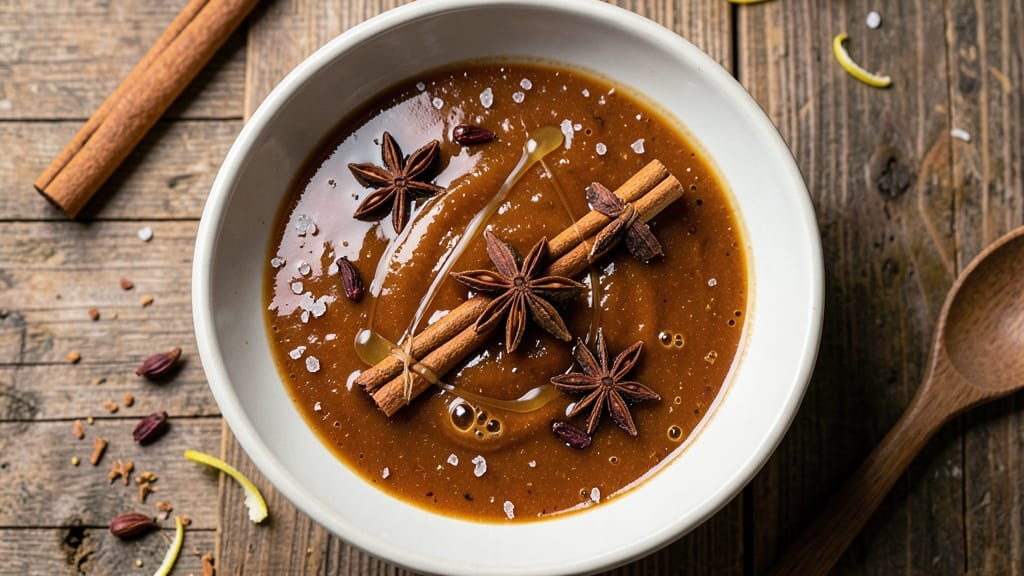
This vegan cassareep sauce transforms simple cassava into a deep, earthy condiment that elevates stews, soups, and cocktails with its complex fermented flavor. The process is straightforward—grated cassava simmers with water and spices until reduced to a thick, aromatic paste, capturing the essence of Caribbean tradition without dairy or meat.
What makes this sauce special is its ability to add layers of umami and sweetness to dishes, making even simple meals taste like they’ve been simmering for hours.
The key to success lies in the reduction phase, where careful attention to heat and time transforms raw cassava into a rich, concentrated sauce. Traditional recipes often include warm spices like cinnamon and cloves, which infuse the sauce with warmth and depth.
Once reduced, the sauce thickens into a glossy, syrupy consistency that clings to ingredients, enhancing their natural flavors rather than overpowering them. This is the kind of sauce that turns ordinary meals into something extraordinary with minimal effort.
With just five core ingredients—cassava, water, cinnamon, cloves, and a pinch of salt—you’ll create a versatile condiment that stores well in the refrigerator for up to two weeks or can be preserved longer with proper canning techniques.
Its earthy, slightly sweet profile makes it a perfect base for hearty stews, a glaze for roasted vegetables, or even a twist on classic cocktails. The fermentation process also adds a subtle tang, balancing the sauce’s richness.
Whether you’re cooking for a family dinner or experimenting in the kitchen, this cassareep sauce is a game-changer. It’s the kind of condiment that turns everyday dishes into something memorable, all while staying true to its roots. Let’s get started on creating your own batch—your taste buds will thank you.
Ingredients for cassareep sauce
Five ingredients transform humble cassava into Caribbean's most versatile fermented sauce.
| Ingredient | Amount | Notes |
|---|---|---|
| Fresh Cassava (Yuca) Root 🥔 | 2 lbs | Peeled and grated fine |
| Filtered Water 💧 | 4 cups | Room temperature preferred |
| Ground Cinnamon 🌿 | 1 ½ tbsp | Ceylon preferred for purity |
| Whole Cloves 🌶️ | 10 whole | Lightly crushed for aroma |
| Fine Sea Salt 🧂 | 1 tsp | Diamond Crystal preferred |
| White Vinegar 🍶 | 1 tbsp | For subtle tang balance |
| Brown Sugar 🍯 | 1 tbsp | Optional for sweetness |
The cassava is the heart of this sauce—fresh, unpeeled root from a Latin market or specialty grocer delivers the best texture. Trader Joe's often carries pre-peeled cassava, but for authentic flavor, peel and grate yourself. Look for firm roots without soft spots. The grated cassava should yield about 4 cups once shredded—pack it tightly into your pot. If using pre-peeled cassava, rinse it well to remove any residual starch. For the spices, Penzeys carries high-quality Ceylon cinnamon and whole cloves that release aroma beautifully during reduction.
No fresh cassava? Pre-grated frozen cassava works in a pinch (thaw first), though texture will be slightly different. Running short on cloves? Ground cloves at half the amount work, but you'll lose that beautiful aromatic burst. The white vinegar is crucial—it kickstarts the fermentation process and balances the sauce's earthiness. If you prefer a sweeter sauce, maple syrup instead of brown sugar adds depth without crystallizing. For a smokier profile, add ½ tsp smoked paprika during reduction. The sauce's fermentation can be accelerated by adding ¼ tsp active dry yeast if you're eager for results.
This sauce improves with time—let it ferment at room temperature for 24 hours before refrigerating. Store in a sterilized glass jar with a lid loosely sealed to allow gases to escape. Keeps for 2 weeks refrigerated or 6 months frozen in ice cube trays. For canning, process pint jars for 15 minutes in a boiling water bath. The sauce thickens as it ferments—stir occasionally to prevent skin formation. Always taste before using; fermentation time affects flavor intensity.
Why You'll Love This Recipe
- No-Peel Hassle: I’ll be real—peeling cassava is a pain. But here’s the trick: just grate the fresh root raw, skin and all, and let the filtered water do the work. The starch dissolves cleanly, leaving you with silky sauce without the mess.
- Warm Spice Magic: That first sniff of cinnamon and cloves simmering in the cassareep? It’s like a hug in a bowl. The cloves add a deep, earthy punch while the cinnamon keeps it bright—no heavy spices, just pure, cozy flavor that sticks with you.
- Sauce for Everything: Between us, this isn’t just a side. Drizzle it over roasted meats, stir it into rice, or use it as a base for soups. My lazy Sundays involve jars of this stuff in the fridge—always ready to turn something basic into something special.
- Pantry Goldmine: A single batch stretches for days, and the ingredients? Cheap as they come. Cassava keeps forever, spices last ages, and salt is salt. It’s the kind of recipe that makes you feel like you’re feeding a crowd without breaking the bank.
Step-by-step instructions for fermented cassareep sauce
Transforming humble cassava into this complex, fermented sauce reveals its hidden potential.
Prepare and Ferment the Cassava Base
Begin by grating the 2 lbs fresh cassava (yuca) root using a fine grater or food processor. The goal is to create a wet, pulpy consistency - not dry flour. Transfer this to a large non-reactive bowl and gently mix in the 1 tbsp white vinegar and 1 tbsp brown sugar. This acidity kickstarts fermentation while the sugar feeds the microbial activity.
Cover the mixture with a clean kitchen towel and let it ferment at room temperature for 48 hours. You'll notice the cassava darkening slightly and developing a distinct sour aroma - this is normal and essential. After two days, strain through a cheesecloth or fine-mesh sieve, pressing firmly to extract every drop of liquid. This fermented cassava liquid is your flavor foundation.
Build the Spiced Infusion
In a clean saucepan, combine the strained cassava liquid with the 4 cups filtered water. Add the 10 whole cloves (lightly crushed between your palms) and 1.5 tbsp ground cinnamon, stirring gently to disperse the spices evenly. Bring the mixture to a gentle simmer over medium-low heat, then immediately reduce to the lowest setting possible while maintaining a barely perceptible bubble.
Simmer uncovered for 30-45 minutes, allowing the spices to infuse deeply. You'll notice the aroma becoming rich and complex - earthy with warm cinnamon undertones. The liquid should reduce slightly but maintain a syrupy consistency. If it reduces too quickly, add 1-2 tablespoons of water as needed to maintain the proper texture.
Season and Reduce to Perfection
Once the spice infusion is complete, stir in the 1 tsp fine sea salt and taste the mixture. This is where you'll determine if you need to adjust the balance - cassareep should have a deep, earthy sweetness with subtle acidity. If it needs more complexity, add ½ tsp more cinnamon or ½ tsp more brown sugar and simmer for another 10 minutes to blend.
Continue simmering gently for an additional 1-2 hours until the sauce reaches a thick, syrupy consistency - it should coat the back of a spoon but still flow smoothly. The final product should be about 2 cups of concentrated sauce. As it reduces, the flavors will intensify, developing that signature cassareep depth that works beautifully in stews, marinades, and sauces.
Cool and Store Properly
Remove the sauce from heat and let it cool to room temperature. This cooling process allows the flavors to settle and mellow slightly. Once cool, transfer to clean glass jars, leaving about ½ inch headspace at the top. The sauce will continue developing in flavor over the next 24-48 hours, so taste it again before final storage.
Store in the refrigerator where it will keep for up to 3 months, developing even more complexity with time. For longer storage, freeze in ice cube trays for easy portioning. Remember that cassareep is a concentrated flavor - a little goes a long way in your cooking. Start with 1-2 tablespoons per recipe and adjust to taste.
Pro Tips For Making Cassareep Sauce
- PEEL AND GRATE FRESH: Peeling cassava is messy—use a sharp knife and cut off the skin in one fluid motion, not strips. Then grate it fine, like you’re making coleslaw, or the sauce will taste gritty and undercooked. (Yes, it’s tedious, but your mouth will notice the difference.)
- SIMMER LOW AND LONG: This isn’t a race. After the initial boil, drop the heat to a gentle simmer—think tiny bubbles, not rolling. Too much heat turns the cassareep bitter, and you’ll end up with a gluey mess instead of that rich, velvety sauce. (I learned this after a disastrous batch that tasted like overcooked glue.)
- TOAST THE SPICES: Crush the whole cloves lightly—just enough to crack them open, not turn them into dust. Then toast them in a dry pan for 30 seconds until fragrant before adding to the pot. This step makes the cinnamon and cloves sing instead of just sitting there like bland afterthoughts.
- STRAIN TWICE, PATIENCE ONCE: Don’t skimp on the straining. Use a fine-mesh sieve first, then a cheesecloth for that ultra-smooth texture. And for the love of cassareep, let the strained liquid sit for 5 minutes before using—this lets any residual starch settle, so your sauce stays silky, not slimy. (Skipping this is how you get that weird, clumpy texture.)
Perfect pairings for this recipe
Stews and Soups
This cassareep sauce transforms ordinary stews and soups into Caribbean-inspired masterpieces. Stir 2 tablespoons into your cooking liquid during the final 30 minutes of simmering for beef or chicken stews—I love adding it to Surinamese pepperpot or Guyanese curry goat.
For vegetable soups, reduce it with a splash of water first to prevent curdling. The sauce’s deep, earthy notes blend beautifully with coconut milk, creating a creamy yet complex base. 🥘
Marinades
Use cassareep as a marinade for grilled meats or tofu by combining 3 tablespoons with 2 tablespoons soy sauce, 1 tablespoon lime juice, and 1 minced garlic clove. Let chicken or pork marinate for 4-6 hours—the sauce tenderizes while infusing rich, spiced depth.
For seafood, use half the amount to avoid overpowering delicate flavors like shrimp or mahi-mahi. The fermentation in the sauce breaks down proteins for juicier results. 🍗
Cocktail Enhancer
Elevate your cocktails with a dash of cassareep—it adds an unexpected earthy sweetness that pairs perfectly with rum-based drinks. Try adding ½ teaspoon to a classic Mai Tai or a spiced rum punch.
For a non-alcoholic twist, mix 1 tablespoon with ginger beer and lime juice for a refreshing Caribbean-inspired spritzer. The sauce’s complexity shines in mixed drinks, balancing sweet and savory notes beautifully. 🍹
Glazes
Brush cassareep onto roasted vegetables or grilled proteins as a glaze. Toss 2 tablespoons with 1 tablespoon honey and 1 teaspoon soy sauce, then glaze sweet potatoes or eggplant during the last 10 minutes of roasting.
The sauce caramelizes beautifully, creating a glossy, flavorful crust. For meats, use it on pork chops or ribs—it adds a sticky, aromatic finish that rivals traditional barbecue sauces. 🔥
Dipping Sauces
Mix cassareep with yogurt or coconut cream for a unique dipping sauce. Combine 2 tablespoons with ¼ cup plain yogurt, 1 teaspoon lime zest, and a pinch of salt for a tangy, creamy dip perfect with fried plantains or jerk chicken.
For a spicier version, add ½ teaspoon Scotch bonnet pepper sauce. The sauce’s depth adds complexity to simple dips, making them unforgettable. 🌶️
Nutrition facts
Frequently asked questions
Is cassareep sauce the same as cassava sauce?
Not exactly! While both use cassava, traditional cassareep sauce is fermented and reduced into a concentrated, earthy paste with spices like cinnamon and cloves. Regular cassava sauce is typically made by boiling grated cassava until soft, without fermentation. The fermentation process gives cassareep its unique tangy depth that elevates dishes differently.
Can I substitute frozen cassava for fresh?
Yes, but with adjustments. Thaw frozen cassava first, then grate it like fresh. You may need 10-15% more (about 2.2 lbs instead of 2 lbs) since frozen cassava loses some moisture. For best results, use pre-grated frozen cassava and add 2 extra tablespoons of water during the fermentation step to maintain consistency.
How do I know when the sauce is fully fermented?
The sauce is ready when it develops a slightly sour aroma (like yogurt) and the grated cassava darkens to a deep tan color. After 48 hours, it should smell tangy and earthy—not rotten. If it smells off, discard it immediately. The fermentation time can vary by 12-24 hours depending on your kitchen temperature.
What if my sauce isn't thickening enough?
Simmer longer on low heat—the reduction process needs time. If it's still too thin after 2 hours, remove from heat and let it cool. Then, return to low heat and reduce uncovered for another 30-45 minutes. If it's still runny, transfer to a saucepan and simmer over medium-low heat while stirring constantly until it thickens to a syrupy consistency.
Can I make cassareep sauce without vinegar?
While vinegar kickstarts fermentation, you can substitute 1 tbsp lemon juice or ½ tsp active dry yeast*. The yeast will create a slower fermentation (expect 72 hours instead of 48), but the final sauce will still develop depth. Just monitor the aroma closely—it should smell tangy, not alcoholic.