
Sauces & Condiments
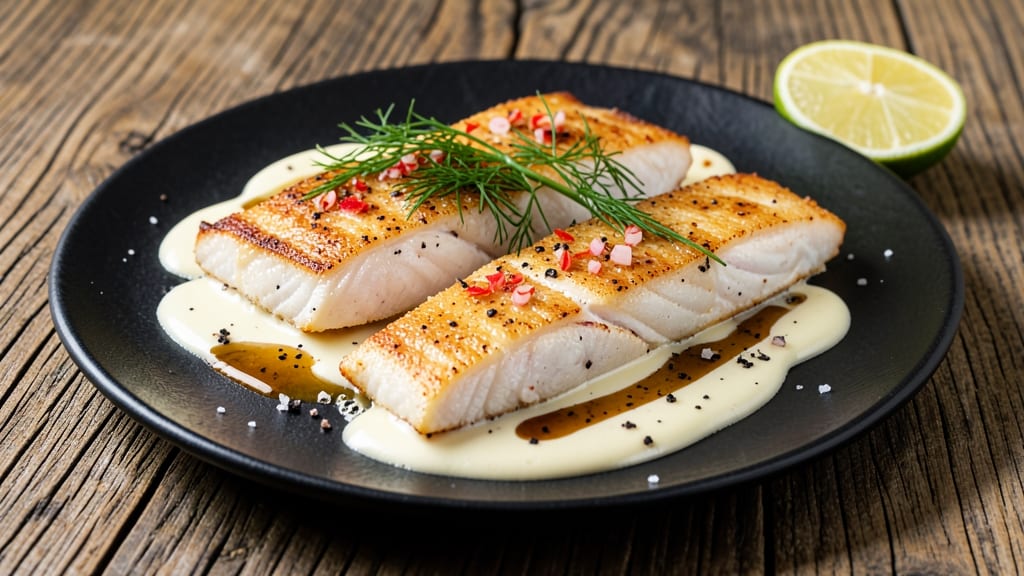
This baked fish in cream sauce recipe delivers restaurant-quality results with a crispy golden crust and velvety sauce that clings perfectly to every flake.
The secret lies in a high-heat bake that creates that coveted crust while keeping the fish tender inside—no fancy techniques required, just precise timing and quality ingredients.
Most recipes either overcook the fish or result in a watery sauce, but this method ensures silky, flavorful sauce that thickens beautifully while the fish bakes.
We'll use a simple white wine and cream base, enhanced with herbs and lemon for brightness, creating a sauce that's rich yet balanced—not too heavy.
By the time you pull this dish from the oven, you'll have perfectly baked fish with a crisp exterior and moist interior, all smothered in a sauce that's creamy, aromatic, and perfectly seasoned. The aroma alone will have everyone gathered at your table wondering what's for dinner.
This recipe pairs beautifully with roasted vegetables or a simple green salad, making it ideal for weeknight dinners or special occasions. Let's get started on creating this elegant yet approachable dish that's sure to impress.
Ingredients for baked fish in cream sauce
Restaurant-quality crust and sauce start with these carefully chosen ingredients—each playing a precise role.
| Ingredient | Amount | Notes |
|---|---|---|
| White Fish Fillets 🐟 | 4 pieces | Skin-on, 6-8 oz each, like cod or halibut |
| Heavy Cream 🥛 | 1 cup | Full-fat for optimal richness |
| Dry White Wine 🍷 | ½ cup | Sauvignon Blanc or Chardonnay preferred |
| Unsalted Butter 🧈 | 4 tbsp | Cold, cubed for crust formation |
| Fresh Lemon Juice 🍋 | 2 tbsp | Freshly squeezed for brightness |
| Shallots 🧅 | 2 whole | Minced, for aromatic depth |
| Fresh Dill 🌿 | ¼ cup | Chopped, stems removed |
| Fresh Parsley 🌿 | ¼ cup | Chopped, for fresh finish |
| Garlic Cloves 🧄 | 3 cloves | Minced, for savory depth |
| All-Purpose Flour 🌾 | 2 tbsp | For sauce thickening |
| Diamond Crystal Kosher Salt 🧂 | 1 tsp | For seasoning fish and sauce |
| Ground Black Pepper 🌶️ | ½ tsp | Freshly cracked for heat |
| Extra-Virgin Olive Oil 🫒 | 1 tbsp | High-quality, for drizzling |
The fish selection is critical for this technique. Cod or halibut are ideal—their firm texture holds up to the high-heat bake without falling apart. Look for fillets with even thickness (about 1-inch) to ensure consistent cooking. If using frozen fish, thaw completely in the fridge overnight. Whole Foods or high-end seafood markets carry the best quality, but any reputable grocery store's frozen section will suffice. The skin-on variety creates that coveted crispy crust when baked, so don't peel it. For extra insurance against overcooking, pat the fillets dry with paper towels before seasoning—they'll brown more evenly.
No white wine on hand? Dry vermouth or chicken stock work in a pinch, though the flavor profile shifts slightly. Fresh herbs make all the difference here—dried dill at one-third the amount can substitute, but the texture and aroma won't be identical. The flour used for thickening should be all-purpose, not cake flour—it has the right protein structure for sauce consistency. For the butter, European-style brands like Plugrá or Land O'Lakes melt more smoothly. If you're watching fat content, reduce the butter to 3 tbsp and increase the wine by 1 tbsp, though the sauce won't be quite as velvety. The lemon juice should be freshly squeezed—bottled versions lack the bright acidity needed to cut through the richness of the cream sauce.
Prep the fish and sauce components separately to streamline assembly. The butter cubes should be cold when added to the fish—this creates steam that helps develop the crust. Once assembled, this dish bakes in 20-25 minutes, so plan accordingly. The sauce can be made ahead and reheated gently—simmer on low heat until just warmed through, stirring constantly to prevent curdling. Store leftovers in an airtight container for up to 3 days in the refrigerator, though the texture of the crust may soften slightly. For longer storage, freeze the sauce separately from the fish—it reheats beautifully while maintaining its silky texture.
Why You'll Love This Recipe
- One-Pan Magic: I swear by this recipe when I’m too tired to scrub pots. Just toss the fish, sauce, and herbs into one dish, pop it in the oven, and walk away—no chopping, no fuss. That white wine and butter combo does all the heavy lifting while you sip your own glass.
- Creamy Wine Kiss: Between us, this sauce is ridiculously good—the way the wine cuts through the richness of the cream, then that bright lemon juice ties it all together. The fish stays flaky, the sauce clings like a hug, and honestly? It tastes like you spent hours when you really didn’t.
- Weeknight to Dinner Party: I make this for lazy Tuesdays, but it also impresses guests. Serve it with crusty bread for a cozy night in, or plate it with asparagus for a fancier dinner. Same recipe, just different vibes—because sometimes you need both.
- Leftovers That Don’t Suck: Most fish dishes turn to sad rubber the next day, but not this one. The cream sauce reheats like a dream, and the fish stays moist if you store it right. My lunchbox gets packed with this at least twice a month—no sad desk lunches here.
Step-by-step instructions for baked fish in cream sauce
Master this technique and you'll achieve restaurant-quality results every time.
Prepare the Fish for Perfect Crispiness
Preheat your oven to 375°F. Pat the 4 pieces white fish fillets completely dry with paper towels—this is crucial for achieving that golden crust. Place them skin-side down in a single layer on a parchment-lined baking sheet, spacing them about 1 inch apart.
In a small bowl, combine 2 tbsp all-purpose flour, 1 tsp diamond crystal kosher salt, and 0.5 tsp ground black pepper. Lightly dredge each fillet in this mixture, tapping off any excess. This creates a delicate crust that will crisp beautifully in the oven. For extra richness, drizzle each fillet with 1 tbsp extra-virgin olive oil.
Create the Aromatic Base for the Cream Sauce
While the oven preheats, heat 1 tbsp unsalted butter in a medium skillet over medium heat. Add the 2 minced shallots and cook for 3-4 minutes until they become translucent and just beginning to soften. Add the 3 minced garlic cloves and cook for another 30 seconds until fragrant—don't let them brown or they'll turn bitter.
Pour in the 0.5 cup dry white wine and scrape up any browned bits from the bottom of the pan. Let it simmer for 2-3 minutes until reduced by about half. This deglazing step captures all the flavor that would otherwise stick to the pan. Remove from heat and set aside.
Bake the Fish Until Flaky Perfection
Bake the prepared fish fillets for 12-15 minutes until the edges are golden brown and the fish flakes easily when tested with a fork. The internal temperature should reach 145°F at its thickest point. Be careful not to overbake—fish continues cooking slightly after removal from the oven.
While the fish bakes, melt the remaining 3 tbsp unsalted butter in the same skillet over medium heat. Whisk in the 2 tbsp all-purpose flour to create a roux, cooking for 1 minute until lightly thickened. Slowly pour in the 1 cup heavy cream while whisking constantly to prevent lumps from forming.
Finish the Sauce and Combine
Return the reduced wine mixture to the skillet and stir to combine with the cream sauce. Add the 2 tbsp fresh lemon juice and simmer for 3-4 minutes until the sauce thickens slightly and coats the back of a spoon. Season with additional salt and pepper if needed—this sauce should be rich but not overly heavy.
Gently transfer the baked fish fillets to a serving platter and spoon the warm cream sauce over the top. Garnish with the 0.25 cup chopped fresh dill and 0.25 cup chopped fresh parsley for a pop of color and freshness. Serve immediately with crusty bread or over a bed of steamed vegetables.
Pro Tips For Making Baked Fish In Cream Sauce
- Dry the Fish First: Pat those fillets thoroughly with paper towels—no wet spots—before seasoning or they’ll steam instead of bake. I learned this the hard way when my cod turned out soggy; the difference between 10 seconds of drying and a ruined dish is real.
- Deglaze Before Cream: After searing the fish in butter (yes, even if baking), pour in the white wine and let it bubble for 30 seconds to lift browned bits. Skip this, and your sauce will taste flat and thin—like you forgot the soul of the dish.
- Save the Wine: Use the full ¼ cup of wine called for, even if it seems like a lot. Reducing it first with the butter’s flavor concentrates the sauce and cuts the alcohol tang. (And yes, that’s why your sauce tastes better than takeout.)
- Check at 12 Minutes: Fish cooks fast—pull it out when the center hits 145°F (or just before it flakes with a fork). Overbake it, and you’ll end up with a sad, dry mess that even heavy cream can’t save. A meat thermometer makes this foolproof.
Storing and reheating this dish
Refrigerator Storage
Store your baked fish and sauce separately in airtight containers for up to 3 days in the fridge. The fish will stay moist, but the crust may lose some crispness after the first day.
I like using glass Pyrex containers because they reheat evenly and keep flavors fresh. For the sauce, let it cool completely before covering—this prevents condensation that can make it watery. 🥫
Freezer-Friendly Tips
Freeze the sauce separately for up to 2 months—it reheats beautifully while maintaining its velvety texture. For the fish, wrap each fillet tightly in plastic wrap before placing in a freezer bag.
Thaw overnight in the fridge before reheating. The sauce can be reheated directly from frozen on low heat with a splash of water or cream to prevent curdling.
Reheating Fish Perfectly
For the best results, reheat fish gently in the oven at 350°F for 8-10 minutes on a parchment-lined tray. This maintains moisture without overcooking. If using the stovetop, warm in a skillet over medium-low heat for 3-4 minutes per side—just until heated through.
Never microwave fish with cream sauce as it can make the sauce greasy.
Reviving the Sauce
Reheat sauce on the stovetop over medium-low heat until warmed through, stirring constantly. If it thickens too much, thin with 1-2 tbsp heavy cream or water. For extra richness, add a pat of cold butter while reheating.
The sauce should be smooth and glossy—if it looks grainy, strain it through a fine-mesh sieve before serving. 💫
Make-Ahead Sauce Base
Prepare the sauce base (without cream) up to 3 days ahead and store in the fridge. When ready to use, finish with cream and lemon juice, then reheat gently.
This shortcut saves time on busy weeknights. I often make a double batch—it's perfect for other dishes like pasta or risotto too.
Leftovers Reinvention
Transform leftover fish into fish tacos by shredding and mixing with avocado crema and lime. Use extra sauce for dipping or drizzle over roasted potatoes. The cream sauce also makes an excellent topping for mashed potatoes or grilled vegetables. Get creative—there are endless ways to repurpose this delicious combo! 🌟
Nutrition facts
Frequently asked questions
Can I use any type of white fish for this recipe?
For best results, stick with firm, mild white fish like cod, halibut, or haddock. These varieties hold their shape during baking and pair beautifully with the rich cream sauce. Avoid delicate fish like tilapia or sole—they can turn rubbery. The skin should remain on for that perfect crispy crust, so choose fillets with intact skin.
What if I don't have white wine? Can I substitute?
Use dry vermouth, chicken stock, or even apple juice in equal amounts. For a non-alcoholic version, substitute with white grape juice or water with extra lemon juice. The wine adds depth, but these alternatives work well in a pinch. Just remember the flavor profile will shift slightly without alcohol.
How do I prevent the cream sauce from curdling?
Curdling happens when the sauce gets too hot too quickly. Always reheat over low-medium heat and stir constantly. For extra insurance, whisk in 1 tbsp cold butter at the end to stabilize the sauce. If it does curdle, strain through a fine-mesh sieve and whisk in 1-2 tbsp additional cream to restore smoothness.
Can I make this dish ahead of time?
Yes! Prepare the sauce base (without cream) up to 3 days ahead and store in the fridge. When ready to serve, finish with cream and lemon juice, then reheat gently. For the fish, bake it fresh for best texture, but you can assemble the dish 1 day ahead and reheat in the oven at 350°F for 8-10 minutes before serving.
What are the best sides for this baked fish dish?
This elegant dish pairs beautifully with roasted asparagus, garlic mashed potatoes, or a crisp green salad. For a lighter option, try sautéed green beans with lemon zest or wild rice pilaf. The creamy sauce balances well with acidic or earthy sides, so avoid heavy starches that might compete with the fish's delicate flavor.