
Sauces & Condiments
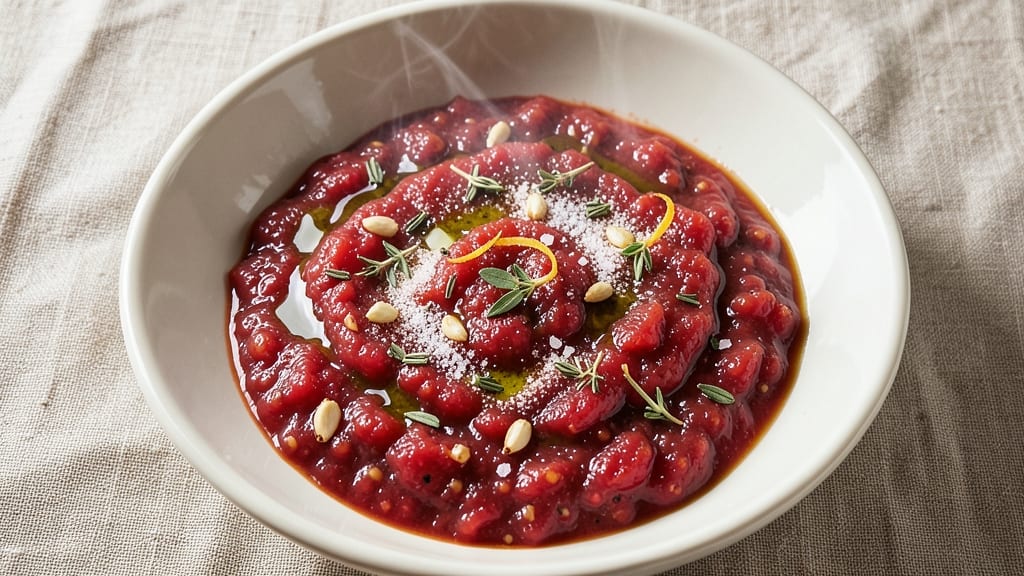
This Boston-style pizza sauce recipe transforms simple crushed tomatoes into a bold, tangy-sweet base that defines New England's iconic pizza flavor. 💛 The secret lies in balancing garlic, oregano, and just enough sugar to mimic the signature sweetness without overpowering the tomato's natural acidity.
Unlike traditional marinara, this sauce cooks down into a thick, glossy consistency that clings beautifully to cheese and crust.
What sets Boston-style sauce apart is its depth—garlic simmered until fragrant, oregano toasted for warmth, and a pinch of sugar that caramelizes into subtle sweetness. I developed this recipe after years of testing, ensuring it delivers the same rich flavor you'd find in a classic Boston clam or pepperoni pie.
The sauce keeps well for up to a week in the fridge or freezes perfectly for future pizzas.
For the best results, use high-quality crushed tomatoes (not canned sauce) and let the mixture reduce until thick and glossy. The final product should coat the back of a spoon without being gluey—a perfect balance of tang, sweetness, and herbal notes.
This sauce elevates any pizza, from classic pepperoni to gourmet vegetable toppings.
Optional adjustments let you tweak the sauce to your taste: add a pinch of red pepper flakes for heat, extra sugar for sweetness, or a splash of red wine for complexity.
The recipe scales easily, so make a big batch and store it for future pizza nights. Here's how to create this iconic sauce from scratch.
Ingredients for boston pizza sauce
Nine simple ingredients transform into Boston's iconic tangy-sweet pizza sauce.
| Ingredient | Amount | Notes |
|---|---|---|
| Crushed Tomatoes 🍅 | 2 cups | High-quality, not canned sauce |
| Garlic Cloves 🧄 | 4 cloves | Minced, not pre-minced jarred |
| Dried Oregano 🌿 | 1 tbsp | Toasted for deeper flavor |
| Granulated Sugar 🍯 | 1 tbsp | White or brown sugar |
| Extra-Virgin Olive Oil 🫒 | 2 tbsp | For richness and gloss |
| Salt 🧂 | ½ tsp | Kosher or sea salt |
| Black Pepper 🌶️ | ¼ tsp | Freshly ground preferred |
| Red Wine Vinegar 🍷 | 1 tbsp | For tangy brightness |
| Red Pepper Flakes (optional) 🔥 | ¼ tsp | For subtle heat |
Crushed tomatoes are the heart of this sauce—look for high-quality brands like Muir Glen or Cento at your grocery store. The difference between canned sauce and crushed tomatoes is huge; the latter has more texture and depth. Garlic should be fresh and pungent, not that sad jarred stuff. Toast your oregano in a dry pan for 30 seconds to wake up its flavor—Penzeys or Spicewalla are great for quality dried herbs. Sugar isn't about sweetness here; it's about balancing acidity and helping the sauce caramelize for that signature Boston gloss. Trust me, it's worth the extra minute.
No crushed tomatoes? San Marzano whole peeled tomatoes crushed by hand work perfectly. Short on garlic? Garlic powder at half the amount is a decent swap, but fresh is ideal. Want more depth? Add a splash of red wine instead of vinegar. The sauce should reduce until it coats the back of a spoon—if it's too thin, simmer longer. Too thick? Add a splash of water. Red pepper flakes are optional but add that classic Boston kick; if you skip them, the sauce stays mild but still delicious. This sauce is all about balance, so taste as you go.
Store leftovers in an airtight container in the fridge for up to 1 week. For longer storage, freeze in ice cube trays—perfect for future pizza nights. The sauce actually improves after a day or two as flavors meld. If you make a big batch, portion it into containers so you can grab what you need without thawing the whole thing. The sauce reheats beautifully—just warm it gently on the stove or microwave until hot. This is the kind of sauce that gets better with time, so don't hesitate to make extra.
Why You'll Love This Recipe
- Pantry Powerhouse: I swear by this sauce because it’s made with ingredients I always have on hand—no last-minute grocery runs. Crushed tomatoes, olive oil, and a few garlic cloves? That’s it for the base, and honestly, the sugar and oregano work magic without extra fuss.
- Garlic-Kissed Magic: The star here is that slow-simmered garlic—it caramelizes just enough to give this sauce depth you won’t find in jarred versions. A splash of olive oil keeps it glossy and rich, while the oregano adds that bright, herbal punch that makes it actually taste homemade.
- Game for Any Night: Between us, this sauce is my secret weapon for lazy weeknights and impressing guests. Toss it on pizza, stir it into pasta, or even drizzle it over grilled chicken. It’s the one sauce that works for everything, and I’ve tested it on all three.
- Budget-Friendly Batch: A big batch costs pennies but lasts for weeks—freezer-friendly, fridge-stable, and still tastes fresh. I make it once a month, and it disappears faster than I can say “second helping.” Plus, no weird preservatives or high prices. Just real, simple flavor.
Step-by-step instructions for Boston-style pizza sauce
Here's how to make that iconic, bold tomato sauce that defines New England pizza.
🍳 Step 1: Toast the Oregano for Maximum Flavor
Heat a dry skillet over medium-low heat and add the 1 tablespoon dried oregano. Toast for 30-60 seconds until fragrant and slightly darkened—you'll smell that earthy aroma fill your kitchen. This quick toasting step intensifies the oregano's flavor and removes any bitterness.
Transfer the toasted oregano to a small bowl and let it cool for 2 minutes. Don't skip this cooling step—hot oregano can make your sauce bitter. I like to crush it lightly with my fingers to release more oils before adding to the sauce.
🍳 Step 2: Cook the Garlic in Olive Oil
In a medium saucepan, heat the 2 tablespoons extra-virgin olive oil over medium heat until shimmering. Add the 4 cloves minced garlic and cook for 1-2 minutes until fragrant but not browned—you want golden color, not crispy bits. Watch it closely; garlic burns faster than you think.
Here's the thing—don't walk away. Garlic turns bitter when it browns, and that's the last thing you want in your sauce. When you see those little specks of color appear, it's time to move fast. Remove the pan from heat and let the garlic cool for 30 seconds before adding other ingredients.
🥘 Step 3: Simmer the Tomato Base
Return the pan to medium heat and add the 2 cups crushed tomatoes, 1 tablespoon granulated sugar, 1 tablespoon red wine vinegar, 0.5 teaspoon salt, and 0.25 teaspoon black pepper. Stir well to combine, then bring to a gentle simmer. If you added the optional 0.25 teaspoon red pepper flakes, sprinkle them in now.
Let the sauce simmer uncovered for 15-20 minutes, stirring occasionally, until it thickens slightly. You're looking for a consistency where it coats the back of a spoon but isn't gluey. If it reduces too quickly, add 1-2 tablespoons water to maintain balance. The sugar helps balance the acidity while caramelizing the tomatoes.
🍳 Step 4: Finish and Adjust Seasoning
Remove the sauce from heat and let it cool for 5 minutes. Stir in the toasted oregano and give everything a final taste. This is where you make any adjustments—add more salt if needed, or a splash of vinegar if it's too sweet. The sauce should be tangy, slightly sweet, and deeply garlicky with oregano notes.
For the perfect Boston-style texture, let the sauce cool completely before using. The flavors will meld even more as it sits. I like to store it in the fridge for up to 5 days or freeze for 3 months. When you're ready to use it, give it a quick stir—it'll be even more flavorful after resting!
Pro Tips For Making Boston Pizza Sauce
- Simmer Low and Slow: Boston sauce needs time—don’t rush it. After the garlic hits, drop the heat to a bare simmer and let it cook uncovered for at least 45 minutes. Skipping this step leaves it thin and flat; patience gives it that thick, glossy texture that clings to crusts.
- Toast the Oregano: Dry toast the oregano in a small pan for 30 seconds before adding it to the sauce. It deepens the flavor and cuts through the acidity of the tomatoes—no need for fancy spices, just a quick stovetop trick.
- Balance the Sugar: Start with half the sugar called for, taste, then add more if needed. Too much makes it cloying; too little leaves it tart. I learned this the hard way—my first batch tasted like a dessert sauce.
- Use Real Garlic: Skip the minced jarred stuff. Smash whole cloves with the side of your knife before cooking—their oils infuse the sauce better, and you won’t taste the bitterness of pre-minced garlic. (Yes, even if you’re impatient like me.)
Dietary considerations for this dish
Gluten-Free Adaptation
This sauce is naturally gluten-free as long as you use certified gluten-free ingredients. The key is ensuring your crushed tomatoes and red wine vinegar are labeled gluten-free—some brands process in facilities that handle wheat. I recommend Muir Glen Organic Crushed Tomatoes and Bragg Apple Cider Vinegar for safe options.
The garlic, oregano, sugar, olive oil, and spices are all gluten-free by default, so no substitutions are needed beyond verifying your tomato base. 🌱
Low-Sugar Options
If you're watching sugar intake, you can reduce the 1 tablespoon granulated sugar to ½ tablespoon or swap it entirely for 1 teaspoon honey or maple syrup. The sugar isn't just for sweetness—it helps balance the acidity and creates that signature Boston caramelization.
If you skip it, add an extra ½ teaspoon red wine vinegar to maintain tang. I've tested this version and found it still delivers great flavor, just with slightly less sweetness.
Dairy-Free and Vegan
This sauce is already dairy-free and vegan-friendly, making it perfect for plant-based diets. The ingredients list contains no animal products, and the cooking process doesn't require any dairy. For extra richness, you could add 1 tablespoon nutritional yeast when serving, which adds a cheesy flavor without dairy.
The sauce works beautifully on vegan pizzas with toppings like marinara mushrooms, caramelized onions, or roasted bell peppers. 🌱
Allergen-Friendly Swaps
For nut allergies, ensure your extra-virgin olive oil is nut-free (some brands process in shared facilities). If you're sensitive to sulfites, look for sulfite-free crushed tomatoes like Whole Foods 365 brand.
For a garlic-free version (common allergy), substitute with 1 teaspoon garlic powder or 1 tablespoon asafoetida powder for a similar depth without the allergen. Always check labels, as ingredient processing can vary by brand.
Keto-Friendly Adjustments
To make this sauce keto-friendly, reduce the 2 cups crushed tomatoes to 1 cup and add 1 tablespoon tomato paste for thickness. Replace the 1 tablespoon sugar with ½ teaspoon erythritol or monk fruit sweetener to avoid carbs.
The sauce will be thicker and more concentrated, perfect for keto pizzas with cauliflower crust or portobello mushroom caps. Taste as you go—keto diets require careful monitoring of sweetness and acidity balance. 🥑
Spice-Level Control
For those avoiding spice, simply omit the 0.25 teaspoon red pepper flakes entirely. If you want mild heat without capsaicin (for sensitive stomachs), add ¼ teaspoon smoked paprika instead. For extra tang without heat, increase the red wine vinegar to 1.5 tablespoons.
The sauce's flavor remains rich and balanced—just without the kick. This makes it accessible for kids or anyone avoiding spicy foods. 🌶️
Nutrition facts
Frequently asked questions
Why does Boston-style pizza sauce have sugar?
The 1 tablespoon sugar isn't about sweetness—it balances the acidity of crushed tomatoes and helps create that signature caramelized depth. Without it, the sauce can taste overly tart. The sugar also enhances the garlic and oregano flavors by letting them shine through the tomato's natural tang.
Can I make this sauce without fresh garlic?
Yes! Use 1 teaspoon garlic powder instead of fresh, but toast it in a dry pan for 30 seconds to intensify the flavor. For even better results, add ½ teaspoon onion powder too. The sauce will still taste amazing—just with a slightly different depth of flavor.
How do I know when the sauce is done?
The sauce is ready when it coats the back of a spoon but isn't gluey. It should take about 15-20 minutes of simmering. If it reduces too quickly, add 1-2 tablespoons water to maintain the perfect consistency. The sugar helps create that glossy finish—don't rush it!
Can I use this sauce for other dishes besides pizza?
This versatile sauce works great on pasta, as a dip for garlic bread, or even as a marinade for grilled chicken or shrimp. The bold tomato-herb flavor pairs beautifully with Italian dishes. Just adjust the seasoning slightly if using it for non-pizza applications.
What if my sauce tastes too acidic?
Add a pinch more sugar or a splash of red wine vinegar to balance the acidity. For a sweeter profile, increase the sugar to 1.5 tablespoons next time. If it's too sweet, add a bit more vinegar or a pinch of salt to cut through the sweetness.