
Sauces & Condiments
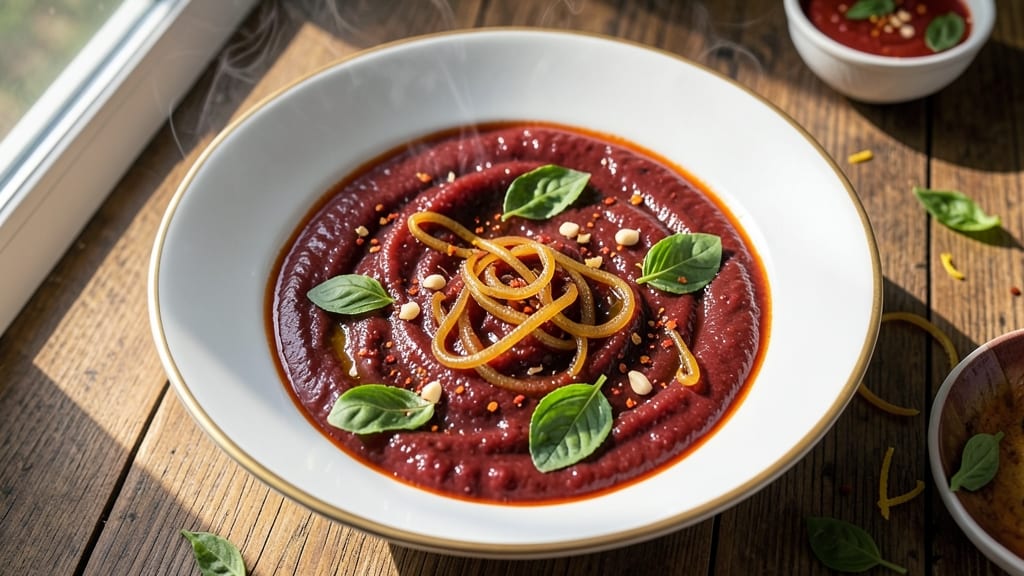
This awesome pizza sauce recipe delivers restaurant-quality depth with just six simple ingredients—no sugar crash, no artificial additives, just bold tomato flavor that stands up to cheese and toppings.
The secret lies in balancing fresh garlic, aromatic herbs, and a touch of sweetness from caramelized onions, creating a sauce that's rich yet balanced, with just the right tang to cut through melty cheese.
What sets this apart is the slow simmering technique that develops complex flavors without reducing the sauce to a sticky glaze.
Unlike store-bought versions loaded with preservatives, this sauce builds flavor from scratch using high-quality canned tomatoes (the acidity mellows during cooking), fresh basil for brightness, and a pinch of red pepper flakes for subtle heat.
The sauce thickens naturally as it simmers, creating that perfect consistency—thick enough to cling to crusts but still spreadable for creative toppings. It's the kind of sauce that transforms any pizza into something special, whether you're going traditional with pepperoni or modern with creative combinations.
What makes this recipe truly versatile is its adaptability—use it as a base for classic New York-style pies, drizzle it over flatbreads, or even toss it with pasta for a quick weeknight dinner. The flavor develops even better the next day, making it perfect for meal prep.
Once you taste the difference between this homemade version and the bottled stuff, you'll never go back to the store-bought option again.
Ready in just 30 minutes with minimal effort, this sauce requires no fancy equipment—just a saucepan and a little patience. The result is a vibrant red sauce with layers of flavor that will have everyone asking for your recipe. Let's get started on creating pizza sauce that actually tastes homemade.
Ingredients for awesome pizza sauce
Six ingredients transform into vibrant sauce with restaurant-quality depth—no sugar, no preservatives, just bold tomato flavor.
| Ingredient | Amount | Notes |
|---|---|---|
| Canned San Marzano Tomatoes 🍅 | 28 oz | Crushed by hand, seeds removed |
| Yellow Onion 🧅 | 1 whole | Finely chopped, caramelized |
| Garlic Cloves 🧄 | 4 cloves | Minced, fresh preferred |
| Fresh Basil Leaves 🌿 | ½ cup | Packed, stems removed |
| Extra-Virgin Olive Oil 🫒 | ½ cup | High-quality, fruity |
| Red Pepper Flakes 🌶️ | ½ tsp | Adjust for heat preference |
| Diamond Crystal Kosher Salt 🧂 | 1 tsp | Fine grain preferred |
| Freshly Ground Black Pepper 🌶️ | ¼ tsp | Cracked, not powdered |
San Marzano tomatoes are the foundation—their natural sweetness and low acidity create the perfect balance. Look for whole, peeled cans at Italian markets or high-end grocery stores like Whole Foods. The onions caramelize for natural sweetness, so don't rush this step. Fresh basil adds brightness, but if you're using dried, reduce to one-third the amount. For the olive oil, California olive oils tend to have the best fruity notes that complement tomatoes beautifully.
No San Marzano tomatoes? High-quality crushed tomatoes work in a pinch, but avoid brands with added salt or sugar. Substitute red pepper flakes with crushed dried chili for a different heat profile. The garlic can be roasted (wrap cloves in foil, bake at 400°F for 20 minutes) for a sweeter flavor. If you're short on time, garlic powder at half the amount gets you close. For storage, transfer to a clean jar and cover with a thin layer of olive oil to preserve freshness.
This sauce keeps for 5 days in the fridge, with flavors deepening over time. Freeze in ice cube trays for single-use portions—just thaw and stir. The sauce thickens as it cools, so if it's too thick after chilling, add a splash of water or tomato juice. Double the batch and freeze half for future pizzas—homemade sauce always tastes better than store-bought.
Why You'll Love This Recipe
- Five-Ingredient Magic: I swear, this sauce is the kind of recipe that makes you question why you ever bought jarred sauce. Just tomatoes, onion, garlic, basil, and olive oil—no fancy gadgets, no stress. The San Marzano tomatoes alone do half the work, giving you that sweet, meaty texture without the canned mush.
- Garlic-Kissed Umami Bomb: That first hit of garlic sizzling in the oil? Pure flavor payoff. The slow simmer lets the aromatics meld into the tomatoes, creating a depth that’s ridiculously better than anything store-bought. Honestly, I’ve had people ask if I used secret ingredients—nope, just patience and a little olive oil love.
- Weeknight to Party Ready: Make a double batch on Sunday, and you’ve got sauce covered for pizza nights, bruschetta, or even lasagna. Freezes like a dream too—just reheat and stir. Between us, this is the sauce I pull out for date nights and when my mom-in-law drops by. No excuses.
- Budget Hack That Works: A can of San Marzano tomatoes costs more upfront, but one batch stretches to four pizzas. That’s $3 a serving for a sauce that tastes like it came from a Neapolitan nonna’s kitchen. Not the prettiest, but the taste makes up for it—and my wallet thanks me.
Step-by-step instructions for bold pizza sauce
This method transforms simple ingredients into a rich, balanced sauce with deep tomato flavor and perfect acidity.
Caramelize the Onion for Sweet Depth
Heat the 0.5 cup extra-virgin olive oil in a medium saucepan over medium-low heat. Add the 1 whole yellow onion, chopped finely, and cook for 15-20 minutes until deeply golden and caramelized. Stir occasionally to prevent burning—you're looking for a rich, amber color and sweet aroma that will form the sauce's foundation.
This slow cooking process breaks down the onion's natural sugars, creating a complex sweetness that balances the acidity of the tomatoes. If the onions start to stick before reaching this stage, add a splash of water and scrape up any browned bits from the bottom—they're packed with flavor. Real talk: don't rush this step. The patience here makes all the difference in the final product.
Add Garlic and Red Pepper Flakes for Aromatic Base
Once the onions are caramelized, reduce the heat to low and add the 4 cloves garlic cloves, minced. Cook for 30 seconds to 1 minute until fragrant but not browned—garlic burns quickly and turns bitter. Immediately add the 0.5 teaspoon red pepper flakes and stir for another 10 seconds to distribute the heat evenly.
The garlic should infuse the onions completely without overpowering them. Here's the thing—if you let it cook too long, the garlic will dominate the sauce instead of blending seamlessly. You'll know it's perfect when you smell that sweet, garlicky aroma without any bitterness. This is where the sauce's depth of flavor begins to develop.
Build the Sauce with Tomatoes and Seasoning
Pour in the 28 oz canned San Marzano tomatoes, crushed by hand with seeds removed. Stir well to combine with the onion mixture, then add the 1 teaspoon diamond crystal kosher salt and 0.25 teaspoon freshly ground black pepper. Bring to a gentle simmer over medium heat, then reduce to low heat and let cook uncovered for 20-25 minutes.
During this time, the sauce will thicken slightly as the tomatoes break down. I press down on the sauce occasionally with a wooden spoon to help release any trapped juices. This ensures you're getting all the tomato flavor into the sauce. Don't be tempted to add water yet—let the natural reduction happen. You're aiming for a thick, syrupy consistency that will cling beautifully to pizza dough.
Finish with Fresh Basil for Brightness
After 20-25 minutes of simmering, remove the sauce from heat. Add the 0.5 cup fresh basil leaves, packed and stems removed, and stir gently. Let the sauce sit off heat for 5 minutes to allow the basil to infuse its fresh, bright flavor.
This final step is crucial for balancing the sauce's richness. The basil adds a bright, herbal note that cuts through the sweetness of the caramelized onions and the acidity of the tomatoes. Here's where it gets fun—taste the sauce now. It should be perfectly balanced with sweet, savory, and slightly spicy notes. If it needs more salt, add a pinch at a time until you reach the right level. The sauce should be vibrant red with a glossy sheen, ready to elevate any pizza.
Cool and Use for Optimal Texture
Let the sauce cool to room temperature before using. This resting period allows the flavors to meld completely and the sauce to thicken further. I always transfer it to a clean jar and refrigerate any leftovers for up to 5 days—it actually tastes better the next day as the flavors continue to develop.
The reason we wait until the sauce is room temperature is that cold sauce prevents the cheese from melting properly on pizza. When you're ready to use it, give it a final taste and adjust seasoning if needed. This sauce delivers bold tomato flavor without the sugar crash of traditional pizza sauces, making it perfect for any pizza style you choose.
Pro Tips For Making Awesome Pizza Sauce
- CRUSH THE ONIONS COLD: DESCRIPTION: Grab the onions straight from the fridge—no chopping them first and letting them sit out. I learned this the hard way when my onions turned bitter after sitting on the counter for 20 minutes. Cold onions release flavor more cleanly and don’t overpower the sauce with astringency.
- SIMMER LOW AND SLOW: DESCRIPTION: After adding the tomatoes, reduce the heat to a bare simmer—think tiny bubbles, not rolling boil. I used to rush this, and the sauce would turn watery or taste raw. Low heat breaks down the tomatoes evenly, giving you that rich, jammy texture without losing acidity.
- SALT THE TOMATOES FIRST: DESCRIPTION: Season the crushed San Marzano tomatoes with salt before cooking—about 1 teaspoon per can. This draws out excess liquid and concentrates the flavor early. Skipping this step means your sauce will be thinner and less intense, no matter how long you simmer.
- STIR IN BASIL LATE: DESCRIPTION: Toss in the fresh basil only in the last 5 minutes of cooking—or better yet, swirl it in right before serving. Basil wilts and loses its bright aroma when simmered too long. For extra punch, pulse a few leaves into the sauce and reserve the rest for garnish.
Wine and beer pairings for this recipe
Classic Red Wine Pairings
For this vibrant pizza sauce, I always reach for a Chianti Classico—its bright acidity and cherry notes mirror the sauce's natural sweetness and subtle spice. The 14% alcohol content helps cut through the richness of melted cheese while enhancing the tomato's depth.
A 2018 Chianti Classico from Tuscany, like Castello di Volpaia, delivers that perfect balance of earthiness and fruitiness that complements the caramelized onions and basil. 🍷
Crisp White Wine Options
If you prefer white wine, a dry Vermentino from Sardinia offers a refreshing contrast. The citrusy undertones in Vermentino di Gallura (around $15-$20) brighten the sauce's richness without overpowering it.
I also love a Pinot Grigio from Alto Adige—its crisp, mineral finish cleanses the palate between bites of pizza. Both wines pair beautifully with the sauce's herbal notes.
Italian Beer Pairings
A Peroni or Moretti lager is my go-to beer pairing—its light, crisp profile lets the sauce's flavors shine without adding competing bitterness. For something more adventurous, try a Belgian Witbier like Hoegaarden, which adds a subtle citrus note that echoes the basil in the sauce.
Avoid heavy IPAs or stouts, as their hop bitterness can clash with the sauce's delicate sweetness. 🍺
Seasonal Adaptations
In summer, I switch to a rosé like Miraval—its berry undertones complement the sauce's fresh basil and red pepper flakes. For winter, a bold Barolo from Piedmont stands up to the sauce's depth, especially when paired with hearty toppings like mushrooms or sausage.
The key is matching the wine's intensity to the pizza's overall richness.
Non-Alcoholic Options
Don't drink alcohol? A sparkling blood orange soda like San Pellegrino Aranciata Rossa mimics the acidity and sweetness of wine. For a more savory option, try a sparkling water with a splash of balsamic vinegar—it enhances the sauce's umami notes.
Both options cleanse the palate without overpowering the pizza's flavors.
Nutrition facts
Frequently asked questions
Can I make this sauce without San Marzano tomatoes?
Yes! While San Marzano tomatoes are ideal for their sweetness and low acidity, you can substitute with high-quality crushed tomatoes. Look for brands without added salt or sugar. For the best results, choose a tomato variety with a 28 oz can equivalent and adjust seasoning slightly after cooking. The flavor won't be identical, but it'll still be delicious.
How do I adjust the thickness of the sauce?
The sauce should naturally thicken as it simmers. If it's too thick after cooking, stir in 1-2 tablespoons of water or tomato juice while warm. For a thicker sauce, simmer uncovered for an extra 5-10 minutes to reduce further. Remember, the sauce will thicken more as it cools, so don't over-reduce it.
Can I use dried basil instead of fresh?
You can substitute dried basil, but use only one-third the amount (about 1.5 teaspoons instead of 0.5 cup). Fresh basil adds vibrant brightness that dried can't fully replicate. If using dried, add it with the other seasonings at the beginning of simmering rather than at the end for better infusion.
Why does my sauce taste too acidic?
This often happens when using regular canned tomatoes with higher acidity. To balance it, add a pinch of sugar (1/4 teaspoon) or a small amount of honey while simmering. The caramelized onions should also help mellow the acidity. If the sauce is still too sharp, reduce the simmering time slightly next batch to preserve more natural sweetness.
How long will this sauce keep in the fridge?
This sauce stays fresh for up to 5 days in an airtight container in the refrigerator. For longer storage, freeze it in ice cube trays or small containers. Thaw overnight in the fridge before using. The flavors actually improve after 24 hours of refrigeration as the ingredients meld together.