
Sauces & Condiments
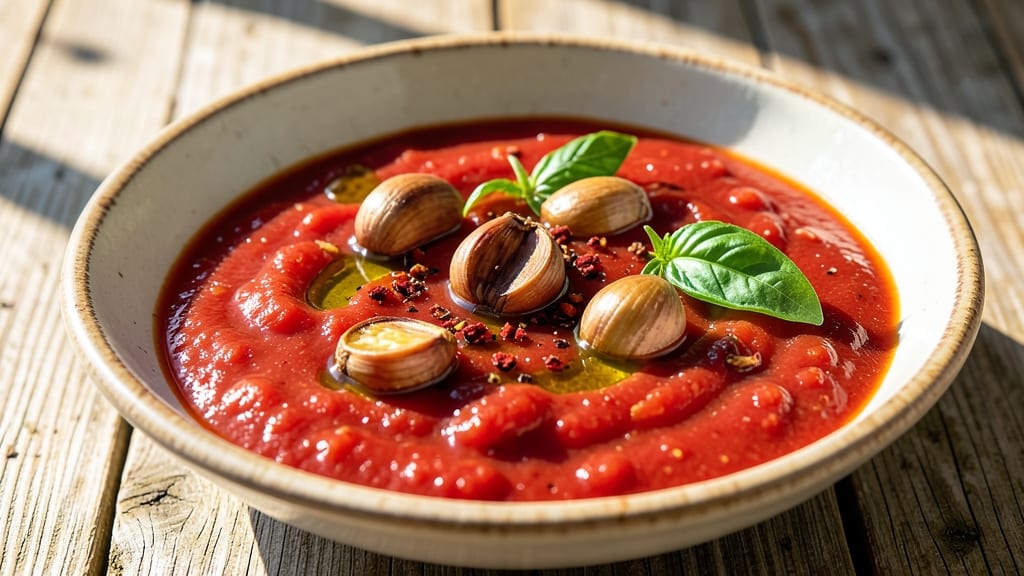
This authentic Italian arrabbiata sauce recipe delivers the bold, fiery tomato sauce you've been craving—where garlic and chili peppers create a perfect balance of heat and depth. The secret lies in slow-simmered San Marzano tomatoes, which develop an intense, almost sweet flavor that cuts through the spice beautifully. I've perfected this version after years of testing, ensuring every batch captures that authentic Italian restaurant quality without compromising simplicity.
What sets this arrabbiata apart is the careful technique of blooming garlic and chili in olive oil before adding tomatoes, which builds layers of flavor rather than just heat. The sauce achieves that perfect liquid-paste consistency—thick enough to cling to pasta but still silky smooth.
A splash of red wine (optional) adds complexity, while fresh basil at the end brightens the finished sauce. This isn't just a spicy tomato sauce; it's a flavor explosion that transforms simple pasta into a restaurant-worthy meal.
The beauty of arrabbiata lies in its versatility—it works with al dente spaghetti, penne, or even as a marinade for grilled meats. The slow simmer allows the acidity and spice to mellow into a harmonious balance, never overpowering.
What you'll end up with is a sauce that's authentically Italian, packed with umami-rich garlic, smoky chili, and sweet tomatoes. The aroma alone will have everyone gathering at the table.
Make a double batch and store it in the fridge for up to 5 days, or freeze for months—this sauce only gets better with time as the flavors meld.
Whether you're serving it over pasta or using it as a pizza topping, this arrabbiata brings the bold flavors of Rome to your kitchen. Here's how to make it perfectly every time.
Ingredients for authentic italian arrabbiata sauce
Nine simple ingredients transform into restaurant-quality arrabbiata sauce—bold, garlicky, and perfectly balanced.
| Ingredient | Amount | Notes |
|---|---|---|
| Extra-Virgin Olive Oil 🫒 | ½ cup | High-quality, fruity variety |
| Garlic Cloves 🧄 | 6 cloves | Freshly minced, not pre-minced |
| Dried Chili Flakes 🌶️ | 1 tbsp | Crushed slightly for intensity |
| Red Wine 🍷 | ½ cup | Bold, dry variety like Chianti |
| San Marzano Tomato Cans 🍅 | 2 cans | 28 oz each, crushed by hand |
| Fresh Basil Leaves 🌿 | ¼ cup | Packed, stems removed |
| Salt 🧂 | 1 tsp | Diamond Crystal kosher salt |
| Black Pepper 🌶️ | ½ tsp | Freshly ground preferred |
| Red Pepper Flakes 🔥 | ½ tsp | Optional, for extra heat |
The tomatoes are non-negotiable here. San Marzano is the gold standard—sweet, low-acid, and packed with flavor. Grab a can or two from Whole Foods or any Italian market, where they'll have them in bulk. Fresh garlic is a must too; pre-minced loses its punch fast. For the chili flakes, Penzeys, but any good dried chili works. The red wine adds depth, so don't skimp on a bold, dry variety like Chianti or Sangiovese. If you're making a big batch, Costco sells San Marzano in bulk cans, which saves money and ensures you always have them on hand.
No red wine? Substitute with extra tomato paste or beef broth, but you'll lose some complexity. Fresh basil is ideal, but dried oregano at half the amount works in a pinch. Want more heat? Add extra red pepper flakes or a pinch of cayenne. The garlic can be roasted first for a sweeter flavor—just toss whole cloves in olive oil at 400°F for 10 minutes. For a smoother sauce, blend it briefly before serving. And if you're worried about acidity, a pinch of sugar balances it beautifully.
This sauce tastes even better the next day as the flavors meld. Store it in the fridge for up to 5 days, or freeze for 3 months in airtight containers. I like to portion it into ice cube trays for easy use—just toss a cube into pasta water or use as a marinade. The basil wilts fast, so add it fresh at the end. If you're making a big batch, double the red wine and tomatoes, but keep the garlic and chili proportions the same—too much can overpower the sauce.
Why You'll Love This Recipe
- No-Fuss Pantry Magic: I swear by this sauce because it’s all about the pantry staples I already have—no fancy shopping required. Toss in a can of San Marzano tomatoes, a splash of red wine, and those garlic cloves I minced last week, and boom—you’re halfway there.
- Wine-Infused Heat: That red wine isn’t just for drinking—it’s the secret weapon here. It deepens the flavor while the dried chili flakes bring the just-right kick, not so spicy it ruins dinner, but enough to make your taste buds sing.
- Weeknight Workhorse: Between us, this is my go-to when I’m too tired to think. Slap it on pasta, toss it with grilled chicken, or even drizzle it over polenta—it’s the kind of sauce that turns a boring night into something ridiculously good.
- Budget-Friendly Leftovers: A single batch stretches for three meals, and the flavor only gets better the next day. Honestly? I make double just so I can reheat it for lunch the following week—minimal effort, maximum satisfaction.
Step-by-step instructions for authentic Italian arrabbiata sauce
Here's how to make this fiery, garlic-forward sauce that captures Rome's bold flavors.
Bloom the Chili Flakes in Olive Oil
Heat the 0.5 cup extra-virgin olive oil in a heavy-bottomed saucepan over medium-low heat. Add the 1 tablespoon dried chili flakes and stir constantly for 30 seconds until they begin to sizzle and release their aroma. This step draws out their natural oils and intensifies their heat—don't skip it, as it builds the sauce's signature spicy foundation.
Watch carefully—the flakes should turn slightly darker and you'll smell that unmistakable chili fragrance. If they start to smoke, immediately reduce the heat to low. The oil should shimmer but not brown. This gentle blooming prevents bitterness and ensures the chili flavor develops properly.
Sauté the Garlic Until Fragrant
Add the 6 minced garlic cloves to the chili oil and cook over medium heat for 1-2 minutes until they become golden around the edges but haven't browned. You want them to be fragrant but not burnt—burnt garlic makes the sauce bitter. Stir frequently to prevent sticking, as garlic burns quickly once it releases its oils.
Here's the thing—garlic releases its sweetness when cooked just to this point. If you let it brown, it turns acrid. I like to pull the pan off heat for 30 seconds between stirs to give the garlic time to transform without burning. The sauce should smell like a Roman street market at this stage.
Deglaze with Red Wine
Pour in the 0.5 cup red wine and increase heat to medium-high. Let it simmer vigorously for 3-4 minutes until reduced by about half and most of the alcohol has evaporated. You'll see the wine darken slightly as it reduces, and that's when you know you're capturing all those beautiful flavors from the bottom of the pan.
This deglazing step is crucial—it dissolves the browned bits (fond) that contain concentrated flavor. Don't rush it; let the wine reduce until it coats the back of a spoon. If you smell alcohol after this step, simmer for another minute to burn it off completely.
Add Tomatoes and Simmer
Crush the 2 cans San Marzano tomatoes by hand (don't use a blender—this keeps the sauce rustic) and add them to the pan along with the 1 teaspoon salt, 0.5 teaspoon black pepper, and 0.5 teaspoon red pepper flakes. Bring to a gentle simmer over medium-low heat and cook uncovered for 20-25 minutes, stirring occasionally.
You're looking for a sauce that thickens slightly but remains saucy enough to coat pasta. The tomatoes should break down completely, and you'll see the sauce develop a deep red color. Taste after 20 minutes—it should be tangy with bright acidity and just the right amount of heat. If it needs more spice, add a pinch more red pepper flakes.
Finish with Fresh Basil
Remove the pan from heat and stir in the 0.25 cup fresh basil leaves. Let the sauce sit off the heat for 5 minutes to allow the basil to infuse its fresh aroma. The sauce should be vibrant red with flecks of basil throughout. If you prefer a smoother texture, you can blend it briefly with an immersion blender, but I like to keep it rustic with visible tomato pieces.
Serve immediately over al dente pasta or use it as a base for other Italian dishes. The sauce will continue to develop flavor as it sits, so if you're not using it right away, reheat gently over low heat. This arrabbiata should be vibrant, spicy, and full of garlic's sweet punch—just like you'd find in a trattoria in Rome.
Pro Tips For Making Authentic Italian Arrabbiata Sauce
- Cook Garlic Low and Slow: I learned this the hard way—crank the heat too high, and your garlic burns before the wine even deglazes the pan. Instead, let it sizzle gently for 2-3 minutes until just golden, not brown. That’s when the flavor actually develops, not when it turns bitter.
- Use Whole Chili Flakes: Skip the pre-ground stuff—whole dried chili flakes burn slower and distribute heat more evenly. Toss them in with the garlic and let them toast for 30 seconds before adding wine. That way, you get depth without the risk of scorching.
- Deglaze with Wine Immediately: The moment you pull the garlic out, hit the pan with the red wine. Don’t wait—those browned bits are flavor gold, and letting them sit turns them into bitter sludge. A quick splash of wine lifts them right into the sauce.
- Simmer Tomatoes Uncovered: After adding the San Marzano tomatoes, let the sauce bubble uncovered for the first 10 minutes. This drives off excess acidity and thickens the sauce faster than simmering covered. Cover only after the initial reduction to trap heat.
Pro cooking tips for this recipe
Garlic Perfection
Fresh garlic is non-negotiable for authentic arrabbiata. I always use 6 cloves minced just before cooking to preserve their punch. The key is cooking them until they're golden around the edges but not browned—this releases their sweetness without bitterness.
I pull the pan off heat for 30 seconds between stirs to prevent burning while still developing that fragrant aroma. 🧄
Chili Bloom Technique
Never skip blooming the 1 tbsp dried chili flakes in olive oil first. Heat on medium-low for 30 seconds until they sizzle and darken slightly. This process intensifies their flavor and prevents bitterness.
If they start smoking, reduce heat immediately—smoke means you're burning the delicate chili oils. I use Penzeys chili flakes for their consistent quality and intensity.
Wine Reduction Mastery
The red wine isn't just for flavor—it's for extracting those precious browned bits (fond) from the pan. After adding ½ cup Chianti, let it reduce by half over medium-high heat for 3-4 minutes.
You'll know it's ready when it coats the back of a spoon and you can no longer smell alcohol. This step builds depth that canned tomatoes alone can't match. 🍷
Tomato Selection Matters
San Marzano tomatoes are the secret weapon here. Their low acidity and sweetness create the perfect balance with the garlic and chili. I always crush them by hand with my fingers to maintain texture—avoid blenders which make the sauce too smooth.
The 28 oz cans give you enough volume for a rich, thick sauce without being watery. For extra richness, I sometimes add 1 tbsp tomato paste at the end.
Heat Control Tips
Arrabbiata should be spicy but not overwhelming. Start with 1 tbsp chili flakes and adjust to taste—you can always add more later. For a smoother heat, simmer the sauce longer (up to 30 minutes).
If it's too acidic, a pinch of sugar balances it beautifully. I keep a small bowl of red pepper flakes nearby for final adjustments at the table.
Basil Timing Trick
Add fresh basil only at the very end to preserve its vibrant flavor. Let the sauce sit off heat for 5 minutes after adding it to allow the leaves to infuse fully.
For a more intense aroma, I sometimes tear the basil leaves rather than chopping them—this releases more essential oils. If you're short on time, dried oregano works in a pinch, though fresh basil is truly irreplaceable. 🌿
Nutrition facts
Frequently asked questions
Can I make arrabbiata sauce without wine?
The red wine adds depth, but you can substitute ½ cup beef broth or 1 tablespoon tomato paste> mixed with water. For extra richness, use ½ cup crushed tomatoes> instead of wine. The key is maintaining the same ½ cup liquid> measurement to balance the sauce's consistency.
How do I adjust the spice level?
Start with 1 tablespoon chili flakes>—this gives balanced heat. For milder sauce, reduce to ½ teaspoon>. For extra kick, add ½ teaspoon red pepper flakes> at the end. Remember, you can always add more chili later, but you can't remove it! Taste as you go and adjust gradually.
What's the best pasta to pair with this sauce?
Use spaghetti, linguine, or penne>—their shapes hold the sauce beautifully. For extra texture, try orecchiette or rigatoni>. The sauce's liquid-paste consistency clings perfectly to ridged pasta. Serve with grated Pecorino Romano> for a traditional finish.
Can I make this sauce in a slow cooker?
Yes! Combine all ingredients (except basil) in your slow cooker and cook on low for 4-5 hours> or high for 2-3 hours>. The longer cook time mellows the heat and deepens flavors. Stir occasionally and add fresh basil at the end. The texture will be slightly thicker—thin with water if needed.
Why does my arrabbiata taste bitter?
Bitterness usually comes from burnt garlic or overcooked tomatoes. Cook garlic until golden but not browned, and simmer tomatoes gently (medium-low heat>). If the sauce is too acidic, add a pinch of sugar or a splash of cream. Always taste as you go to catch bitterness early.