
Sauces & Condiments
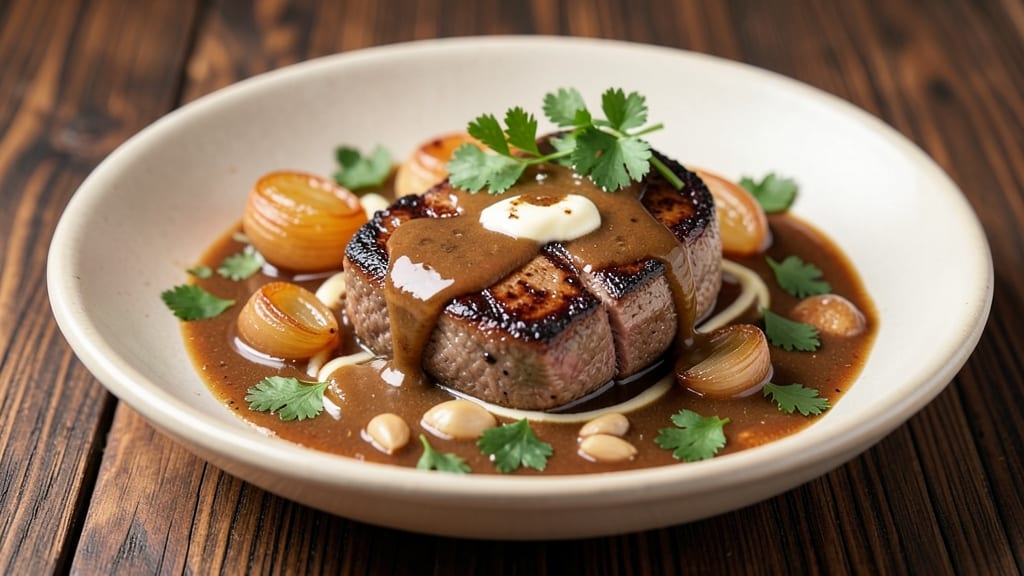
This beef liver sauce recipe transforms humble pan drippings into a luxurious, umami-packed condiment that elevates any protein dish.
The secret lies in caramelizing the fond—the rich browned bits that cling to your pan after searing beef liver—then deglazing with wine or stock to create a velvety sauce with deep, savory complexity.
Professional chefs swear by this technique, and now you can replicate it at home with just a few simple steps and 20 minutes of hands-off time.
The magic happens when you let the fond develop fully—those browned bits are pure flavor gold. By deglazing with a splash of red wine or beef stock, you dissolve them into a glossy, glossy sauce that coats everything it touches.
This isn’t just a simple pan sauce; it’s a restaurant-quality condiment that adds richness to steak, roasted vegetables, or even mashed potatoes. The liver itself contributes a subtle, meaty depth that traditional gravies often miss.
What you’ll end up with is a deep amber sauce that’s silky yet robust, with layers of caramelized sweetness and umami richness. It’s the kind of sauce that makes even the simplest meal feel like a special occasion—think of it as the secret weapon in your culinary arsenal.
The best part? It keeps well in the refrigerator for up to five days, so you can make a big batch and use it throughout the week.
Perfect for drizzling over grilled steaks, seared scallops, or even as a dipping sauce for crusty bread, this sauce is incredibly versatile. Whether you’re cooking for a dinner party or just want to add depth to a weeknight meal, this recipe delivers professional-level results with minimal effort.
Let’s get started on creating your own pan gravy masterpiece.
Ingredients for beef liver sauce
Nine ingredients transform humble pan drippings into restaurant-quality beef liver sauce.
| Ingredient | Amount | Notes |
|---|---|---|
| Beef Liver Pan Drippings (Fond) 🍳 | 2 tbsp | Caramelized browned bits from seared liver |
| Dry Red Wine 🍷 | ½ cup | Bold Cabernet Sauvignon preferred |
| Beef Stock 🥫 | 1 cup | Homemade or high-quality store-bought |
| Shallots 🧅 | 2 whole | Minced, for aromatic base |
| Garlic Cloves 🧄 | 3 cloves | Minced, for depth of flavor |
| Unsalted Butter 🧈 | 2 tbsp | Cold, for finishing sauce |
| Heavy Cream 🥛 | ¼ cup | Full-fat for richness |
| Red Wine Vinegar 🍶 | 1 tbsp | Brightens acidity balance |
| Diamond Crystal Kosher Salt 🧂 | ½ tsp | Adjusts seasoning to taste |
| Fresh Thyme Leaves 🌿 | ¼ tsp | Or 1/8 tsp dried thyme |
The fond is the star here—those rich, caramelized bits that cling to your pan after searing the liver. Don't rush this step; let it develop fully for maximum flavor. For the wine, Cabernet Sauvignon or Merlot works best—their boldness stands up to the liver's intensity. If you're using store-bought beef stock, look for brands like Kitchen Basics or Pacific Foods for deeper flavor. The shallots and garlic should be minced finely; think of them as your aromatic foundation. Fresh thyme is ideal, but dried works in a pinch—just use one-third the amount. For the butter, Plugrá or Land O'Lakes unsalted melts beautifully without overpowering.
No red wine? Substitute with additional beef stock or dry sherry—both add depth without altering the sauce's character. The heavy cream can be swapped for half-and-half or coconut milk for a lighter version, though the sauce will be slightly less rich. If you're avoiding vinegar, a splash of lemon juice works just as well. The sauce thickens as it cools, so if it's too thin, simmer it longer or add a cornstarch slurry. For a vegetarian twist, use mushroom stock instead of beef stock—the umami remains, just with a different profile. And if you're short on time, store-bought demi-glace can be used as a base, though homemade is always better.
This sauce keeps beautifully in the fridge for up to 5 days, though it often gets used up before then. For longer storage, freeze it in ice cube trays—perfect for thawing just what you need. The sauce thickens as it cools, so reheat gently over low heat, adding a splash of stock or water if needed. It reheats beautifully, making it ideal for batch cooking. Drizzle over steak, roasted vegetables, or even mashed potatoes—the possibilities are endless. If you make a big batch, portion it into containers for easy use throughout the week.
Why You'll Love This Recipe
- Here’s what sold me: the red wine and garlic make it feel fancy, but it’s still unfussy. Drizzle it over pasta, toss with steak, or serve with crusty bread—suddenly, you’re the host who didn’t stress.
- I’ll be real: beef liver is cheap, and this sauce stretches like crazy. A little goes a long way, so you’re left with leftovers that taste better than store-bought sauces—without the guilt or the cost.
Step-by-step instructions for beef liver sauce
Transform those rich liver drippings into a velvety, umami-packed sauce that elevates any protein.
Sauté Shallots and Garlic Until Golden
Heat a medium saucepan over medium-low heat and add the 2 whole minced shallots. Cook them for 4-5 minutes until they soften and become translucent, stirring occasionally. The shallots should release their sweet aroma without browning.
Add the 3 minced garlic cloves and cook for an additional 30 seconds until fragrant. Here's the thing—garlic burns fast, so keep an eye on it. You want that nutty aroma, not bitter smoke. If the pan starts to smell harsh, immediately remove it from heat and let it cool slightly before continuing.
Deglaze with Red Wine and Scrape Up Fond
Pour in the 0.5 cup dry red wine and increase heat to medium-high. Let it simmer for 2-3 minutes until reduced by about half. This is where the magic happens—use a wooden spoon to scrape up all those caramelized bits from the bottom of the pan (the fond) along with the 2 tbsp beef liver pan drippings.
Those browned bits are pure flavor concentration, packed with umami goodness. Don't rush this step—let the wine reduce enough to coat the back of a spoon. If it reduces too quickly, lower the heat slightly to prevent scorching. You're building the foundation of your sauce here.
Build the Sauce Base with Stock and Vinegar
Add the 1 cup beef stock and 1 tbsp red wine vinegar to the pan. Bring to a gentle simmer and let it cook uncovered for 8-10 minutes until the liquid reduces by about one-third. You're looking for a sauce that coats the back of a spoon but isn't syrupy.
The vinegar brightens the flavors and cuts through the richness of the liver. Stir occasionally, but don't let it boil vigorously—you want even reduction, not evaporation. If the sauce starts to stick, add a splash of water, but try to keep it moving smoothly. This is where patience pays off.
Finish with Butter and Cream for Richness
Reduce heat to low and stir in the 2 tbsp cold unsalted butter and 0.25 cup heavy cream. Let the sauce simmer gently for 2-3 minutes until it thickens slightly and the butter melts completely. The sauce should be smooth and glossy with a velvety texture.
Here's a pro tip: Taste the sauce before adding seasoning. The liver fond is naturally salty, so you might not need all of the 0.5 tsp kosher salt. Add it gradually along with the 0.25 tsp fresh thyme leaves, then adjust to taste. The thyme adds an earthy depth that complements the richness perfectly.
Strain and Serve Immediately
For a silky-smooth sauce, strain it through a fine-mesh sieve into a clean saucepan. This removes any shallot bits that might make it slightly gritty. Return it to low heat and keep it warm, stirring occasionally. The sauce should maintain its velvety consistency while staying warm.
Serve the sauce immediately over seared beef liver, steak, or even mashed potatoes. The umami richness pairs beautifully with the natural sweetness of liver. If you have leftovers, store them in an airtight container in the refrigerator for up to 3 days. Reheat gently on the stove, adding a splash of water or stock if it thickens too much.
Pro Tips For Making Beef Liver Sauce
- DEGLAZE HOT, NOT LUKEWARM: The fond from beef liver is stubborn—it won’t release into wine like butter does. Scrape up every last bit with a wooden spoon first, then hit the pan with a splash of cold water or stock to loosen the browned bits before adding the wine. I learned this the hard way when my first batch turned into a thin, flavorless glaze instead of a rich sauce.
- MINCE SHALLOTS, DON’T CHOP: Tiny, even dice make all the difference here. If you’re lazy like me and chop them roughly, they’ll turn to mush and cloud the sauce. Use a sharp knife and cut them into 1mm pieces—small enough to dissolve into the wine without leaving texture. (Yes, it takes 30 seconds extra, but the sauce will taste like it simmered for hours.)
- REDUCED WINE FIRST: Don’t dump the full bottle of wine in at once—reduce it by half first. Simmer the wine alone for 3-4 minutes until it’s syrupy and smells concentrated. This cuts cooking time later and deepens the flavor. I was skeptical until I tried it: the sauce now has a richer, almost jammy quality that plain wine can’t match.
- STRAIN, THEN STRESS: After simmering, strain the sauce through a fine-mesh sieve to remove shallot bits, but don’t stop there. Press the solids with a spoon to extract every last drop of flavor—this is where the real depth hides. I skip this step when I’m tired, and the sauce always tastes noticeably lighter. (Your future self will thank you.)
Pro cooking tips for this dish
Fond Extraction Mastery
Never underestimate the power of those caramelized bits clinging to your pan—they’re called fond, and they’re pure flavor gold. After searing your beef liver, let the pan cool for 30 seconds before adding liquid. This prevents the fond from burning when you deglaze.
Use a wooden spoon to scrape up every last bit—don’t leave any behind! I’ve found that a non-stick pan with a dark surface (like All-Clad Stainless) helps maximize fond development. 🔥
Wine Reduction Timing
The key to a balanced sauce lies in reducing the wine properly. Pour in the 0.5 cup dry red wine and simmer until it reduces by half—this should take about 2-3 minutes on medium-high heat. If it reduces too quickly, lower the heat to prevent scorching.
Pro tip: Use Cabernet Sauvignon for its bold tannins, which complement the liver’s richness. Taste the reduced wine before adding stock—it should be concentrated but not bitter.
Stock Reduction Control
When adding the 1 cup beef stock, maintain a gentle simmer—never a rolling boil. This ensures even reduction without evaporation. Stir occasionally and watch closely; you want the sauce to reduce by one-third (about 8-10 minutes).
If it starts to stick, add 1-2 tbsp water to loosen it. I like using homemade stock for deeper flavor, but Kitchen Basics store-bought works in a pinch. The goal is a glossy, coatable consistency—not syrupy or watery.
Butter and Cream Finish
Cold butter is your secret weapon for a silky texture. Whisk in the 2 tbsp cold unsalted butter and 0.25 cup heavy cream over low heat until fully incorporated. The butter should melt smoothly, adding richness without breaking the sauce.
If it curdles, immediately remove from heat and whisk vigorously. Taste before seasoning—the liver fond is naturally salty, so you might only need ¼ tsp salt. Fresh thyme adds an earthy note that rounds out the flavors beautifully. ✨
Straining for Perfection
For a flawless finish, strain the sauce through a fine-mesh sieve into a clean saucepan. This removes any shallot bits that could make the texture slightly gritty. Return to low heat and keep warm—never let it boil. The sauce should stay velvety and glossy.
If it thickens too much, thin it with 1 tbsp water or stock. Serve immediately over seared liver or steak for the best results. The umami depth will make your dish unforgettable.
Nutrition facts
Frequently asked questions about beef liver sauce
Can I use white wine instead of red wine in this recipe?
White wine won't work as well for this sauce because its lighter profile won't complement the liver's rich, umami flavors. Red wine's bold tannins help balance the liver's intensity and create that deep, caramelized fond. If you absolutely must use white wine, try a dry Chardonnay and add an extra ½ teaspoon of red wine vinegar to compensate for the lack of acidity.
What if I don't have beef liver drippings?
No problem! You can substitute with 2 tablespoons of caramelized beef drippings from searing steak or roasting beef. For an even deeper umami flavor, add 1 teaspoon of soy sauce or Worcestershire sauce to the stock. The key is capturing that rich, browned fond—just make sure it's well-developed before deglazing.
How do I prevent the sauce from breaking when adding butter?
Use cold butter and add it gradually while keeping the heat on low. Stir constantly until fully melted—never let it boil. If the sauce starts to curdle, immediately remove it from heat and whisk vigorously. For extra insurance, you can temper the butter by whisking it into the warm sauce in small pieces rather than adding it all at once.
Can I make this sauce ahead of time?
This sauce actually tastes better the next day as flavors meld. Store it in an airtight container in the refrigerator for up to 5 days. When reheating, warm it gently on the stove with a splash of water or stock to restore its silky texture. For longer storage, freeze it in ice cube trays—perfect for thawing just what you need.
What are some unexpected ways to use this sauce?
Beyond steak and liver, this sauce shines on roasted vegetables, mashed potatoes, or even as a dipping sauce for crusty bread. Try drizzling it over grilled mushrooms or using it as a base for creamy pasta. The umami depth pairs surprisingly well with sweet flavors too—drizzle it over caramelized apples or pears for a sweet-savory contrast.