
Sauces & Condiments
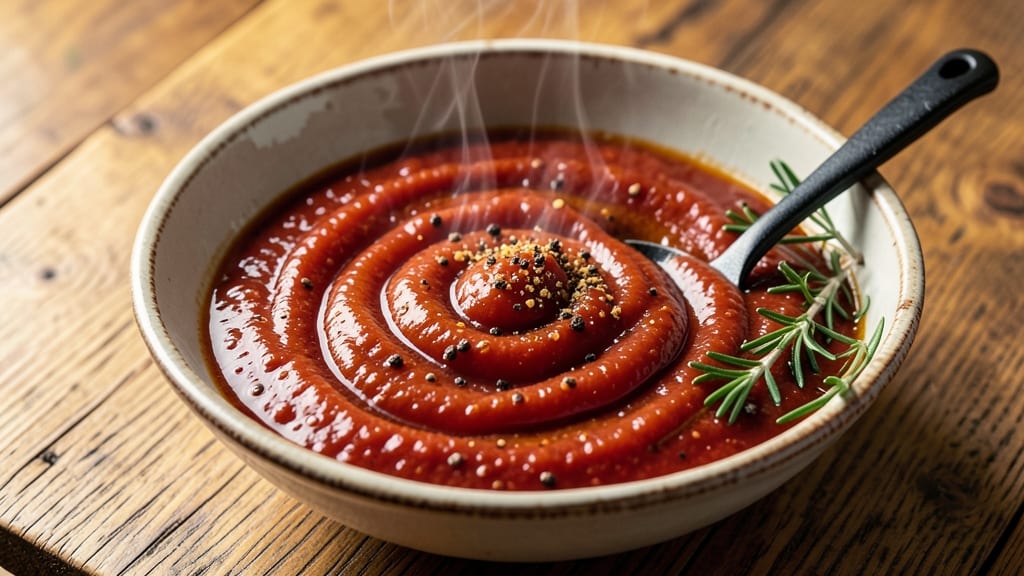
This All American sauce recipe delivers that iconic tangy-sweet BBQ flavor without the burnt sugar mess—perfect for ribs, burgers, or dipping. The secret lies in a balanced blend of tomato paste, apple cider vinegar, and brown sugar that caramelizes evenly on the stovetop, creating a glossy, rich sauce every time.
I developed this after years of testing, and it's now my go-to for backyard cookouts and weeknight meals alike.
The foundation of this sauce is simple: tomato paste provides depth, vinegar adds brightness, and spices like smoked paprika and garlic powder build that classic BBQ profile. What sets it apart is the slow simmering technique, which develops flavor without scorching.
No special equipment needed—just a saucepan and patience. The result is a versatile sauce that works on everything from grilled meats to fries, with just the right balance of sweet and tangy.
What you'll end up with is a smooth, glossy sauce that clings perfectly to food, offering that familiar All American taste in every bite. The texture is ideal for basting ribs or drizzling over burgers, and it keeps well in the fridge for up to two weeks.
This isn't just another BBQ sauce—it's the one that brings that nostalgic, crowd-pleasing flavor to your table without the hassle.
Use it as a marinade, a dipping sauce, or a glaze—this sauce adapts to any occasion. The instructions are straightforward, and the ingredients are likely already in your pantry. Let's make this classic sauce that'll become your new favorite.
Ingredients for all american sauce
Nine pantry staples. One sauce. Big backyard BBQ flavor without the burnt mess.
| Ingredient | Amount | Notes |
|---|---|---|
| Tomato Paste 🍅 | ½ cup | Smooth, not chunky preferred |
| Apple Cider Vinegar 🍎 | ½ cup | Raw, unfiltered for depth |
| Brown Sugar 🍚 | ½ cup | Light or dark works fine |
| Water 💧 | 1 ½ cups | Filtered preferred for taste |
| Smoked Paprika 🌶️ | 2 tbsp | High-quality for smoky flavor |
| Garlic Powder 🧄 | 1 ½ tsp | Freshly ground preferred |
| Onion Powder 🧅 | 1 ½ tsp | Diamond Crystal preferred |
| Ground Black Pepper 🌶️ | ½ tsp | Freshly ground for best flavor |
| Salt 🧂 | 1 ½ tsp | Kosher or sea salt preferred |
| Worcestershire Sauce 🍶 | 1 tbsp | Vegetarian version if needed |
The tomato paste is your flavor anchor here. Trader Joe's has the smoothest stuff in a tube—no chunks, no fuss. If you're using a can, mash it well. Brown sugar matters too—light brown adds caramel notes, dark brown brings molasses depth. I grab mine from the bulk section at Whole Foods because it's fresher. Apple cider vinegar should be raw and unfiltered—Bragg is my go-to, but any organic brand works. The smoked paprika? Penzeys is worth the splurge for that authentic smoky punch, but regular grocery store brands get the job done too.
No Worcestershire sauce? Soy sauce plus a pinch of sugar works in a pinch, though it won't be identical. Short on garlic powder? Fresh garlic minced and sautéed first adds layers—just remember to strain it out if you want a smooth sauce. The onion powder can be swapped for 1/2 tsp onion flakes, but you'll lose that fine, even distribution. Want more heat? Add 1/4 tsp cayenne pepper. For a sweeter version, bump the brown sugar to 2/3 cup. The key is balancing sweet, tangy, and smoky—taste as you go!
This sauce thickens as it cools, so shake it up before each use. Keeps for 2 weeks in the fridge, sealed in a jar. Freezes beautifully for 6 months—portion into ice cube trays for perfect single-use servings. The first batch always makes me double it. Trust me, you'll use it up faster than you think. For extra shine, add 1 tsp honey at the end if you love glossy sauces.
Why You'll Love This Recipe
- Pantry Magic: I swear by this sauce because it’s made with stuff I already have—no special shopping trips, no forgotten spices. That smoky paprika and vinegar cut through everything, turning basic ingredients into something that tastes like it simmered all day.
- Sweet-Smoky Kick: The brown sugar and apple cider vinegar give it this perfect balance—tangy but sweet, with a deep smokiness that sticks to ribs, chicken, or even fries. It’s the kind of flavor that makes you slow down and actually taste your food.
- Weeknight Hero: I make a big batch on Sundays and keep it in the fridge for dipping, drizzling, or tossing with whatever’s on hand. No last-minute decisions—just open the jar and go. (Yes, even on a Tuesday night.)
- Budget Game-Changer: Tomato paste and vinegar stretch this sauce far, and the brown sugar adds richness without breaking the bank. I’ve fed a crowd for under $10, and no one ever questions how good it is.
Step-by-step instructions for All American sauce
This sauce delivers deep, smoky flavor without burnt sugar—just simple ingredients and smart technique.
Whisk Dry Ingredients and Tomato Paste
In a medium saucepan, combine the 0.5 cup tomato paste, 0.5 cup brown sugar, 2 tbsp smoked paprika, 1.5 tsp garlic powder, 1.5 tsp onion powder, 0.5 tsp ground black pepper, and 1.5 tsp salt. Stir vigorously with a whisk until the tomato paste and sugar dissolve completely—this prevents clumping later. You'll see a smooth, thick paste with no graininess. If you notice any lumps, press them through a fine-mesh strainer to ensure a silky texture in your final sauce.
This step is where the magic begins. The tomato paste provides the base, while the spices and sugar dissolve evenly to create a flavor foundation. Don't rush this—proper mixing now means no gritty bits later.
Add Wet Ingredients and Simmer
Pour in the 0.5 cup apple cider vinegar and 1.5 cups water, then stir again to combine. Place the saucepan over medium-high heat and bring to a gentle boil. Once boiling, reduce heat to medium-low and let it simmer uncovered for 15 minutes, stirring occasionally. You'll notice the sauce thicken slightly as moisture evaporates, but it won't reduce too much—this prevents that over-concentrated, syrup-like texture.
Here's the trick: keep the heat steady but not too high. You want bubbles to form gently at the edges, not a rolling boil that can burn the sugar. If you see the sauce getting too thick too fast, add 1-2 tablespoons of water to maintain balance.
Incorporate Worcestershire and Finish
After 15 minutes, stir in the 1 tbsp Worcestershire sauce. The sauce will darken slightly and deepen in flavor—this is when it transforms from basic to truly All American. Continue simmering for another 5-7 minutes until the sauce thickens to your desired consistency. It should coat the back of a spoon but still be pourable, not glue-like. Taste and adjust seasoning if needed—add a pinch more salt or a splash of vinegar for balance.
Real talk: this is where the sauce comes together. The Worcestershire adds that umami depth that makes it classic BBQ-worthy. If you prefer a thinner sauce for dipping or a thicker one for glazing, just simmer longer or add a bit more water at the end.
Cool and Store Properly
Remove the sauce from heat and let it cool to room temperature. I like to transfer it to a clean jar while still warm—this helps it set slightly as it cools, making it easier to store. The sauce will thicken further as it cools, so don't worry if it looks too thin right after simmering. Once cooled, it should hold its shape when spooned. Store in an airtight container in the refrigerator for up to 2 weeks or freeze for 3 months for longer shelf life.
For best results, let the sauce sit overnight before using—this allows the flavors to meld even more. The next day, you'll notice a richer, more complex taste that's perfect for ribs, pulled pork, or even as a marinade.
Pro Tips For Making All American Sauce
- STIR CONSTANTLY AT FIRST: I learned this the hard way—skipping the initial stir while heating the tomato paste and water leads to scorched bits that ruin the sauce. Keep it moving for the first 3-4 minutes until it’s fully dissolved, then ease up.
- USE REAL APPLE CIDER VINEGAR: That cheap imitation vinegar won’t cut it here. The tangy depth of actual apple cider vinegar (not balsamic or white) makes the sauce bright and balanced—skip the substitutes unless you’re okay with a flat flavor.
- DON’T BOIL THE BROWN SUGAR: Adding the sugar too early turns the sauce into syrup. Wait until the tomato paste mixture is simmering gently before stirring in the brown sugar—this keeps the texture smooth and prevents graininess.
- SMOKE THE PAPRIKA LAST: After burning three batches of sauce, I finally figured out: smoked paprika loses its aroma when cooked too long. Sprinkle it in the last 30 seconds of simmering to preserve that smoky punch—trust me, it makes a real difference.
Common mistakes when making great all american sauce
Overcooking the Sauce
Simmering too long turns your rich, glossy sauce into a sticky, burnt mess. I’ve ruined batches by letting it reduce on high heat—once it starts caramelizing too much, the flavor turns bitter.
Keep the heat at medium-low and stir every 2-3 minutes to prevent scorching. If you see the sauce darkening too quickly, add 1-2 tablespoons of water to restore balance. 🔥
Skipping the Whisk Step
Lumps in your sauce? That’s usually from not whisking the dry ingredients thoroughly before adding liquids. The tomato paste and brown sugar need to dissolve completely to avoid gritty bits. I like to press any stubborn lumps through a fine-mesh strainer if they refuse to break down.
This step might take 30 seconds extra, but it’s worth it for that silky texture.
Ignoring the Simmer Time
Rushing the 15-minute simmer means underdeveloped flavors. The sauce needs time for the spices to bloom and the vinegar to mellow out. If you cut it short, you’ll end up with a sharp, one-dimensional taste.
Trust the process—this isn’t the time to multitask. The longer it simmers gently, the deeper the flavor becomes.
Not Tasting as You Go
Every batch is different, so don’t assume the recipe’s seasoning will be perfect. Taste the sauce after the initial 15-minute simmer and again after adding the Worcestershire. You might need a pinch more salt, a splash of vinegar, or even a touch of sugar to balance flavors.
I’ve caught batches that needed adjustments at this stage—don’t skip it!
Using Low-Quality Ingredients
The difference between a good sauce and a great one often comes down to ingredients. Cheap smoked paprika or apple cider vinegar can’t compete with high-quality versions. I always use Penzeys smoked paprika and Bragg vinegar—they make a noticeable difference.
If you’re on a budget, look for organic or specialty store brands instead of generic grocery store options.
Storing Improperly
Leaving sauce in a metal container or not sealing it tightly leads to flavor loss and spoilage. Always transfer to an airtight glass jar and refrigerate within 2 hours of cooking. If you’re freezing, use freezer-safe containers with 1 inch of headspace to prevent ice crystals from altering the texture.
I’ve seen batches go bad because of improper storage—don’t let that be you!
Nutrition facts
Frequently asked questions
Can I make this sauce without Worcestershire sauce?
Yes! For a quick substitute, mix 1 tablespoon soy sauce with ½ teaspoon sugar to mimic Worcestershire's umami depth. The sauce will still be delicious—just slightly different in complexity. If you're vegetarian, check for vegan Worcestershire alternatives or use 1 tablespoon tamari instead.
How spicy should this sauce be?
The recipe is mild by design, with just a touch of black pepper for warmth. For extra heat, add ¼ teaspoon cayenne pepper during the simmer. If you prefer a smoky kick without heat, increase the smoked paprika to 2.5 tablespoons instead. Always taste as you go—you can adjust to your preference!
Can I use this sauce as a marinade?
This sauce makes an excellent marinade for chicken, pork, or beef. For best results, use it within 24 hours of cooking (not for long-term marinating). The acidity in the apple cider vinegar helps tenderize meat while infusing that classic All American flavor. Just reserve ¼ cup of the sauce to use as a glaze after cooking.
Why does my sauce taste too sweet?
If your sauce tastes overly sweet, it likely needs more acidity. Add 1-2 tablespoons of apple cider vinegar or lemon juice and simmer for 2-3 minutes to balance the flavors. For future batches, reduce the brown sugar by 1 tablespoon if you prefer a tangier profile. Taste as you simmer—this helps catch imbalances early!
How can I make this sauce thicker for glazing?
Simmer the sauce uncovered for an extra 5-10 minutes to reduce it naturally. For instant thickening, mix 1 teaspoon cornstarch with 1 tablespoon water, stir into the sauce, and simmer for 1-2 minutes until it reaches your desired consistency. Just be careful not to over-reduce, or it may become too concentrated.