
Sauces & Condiments
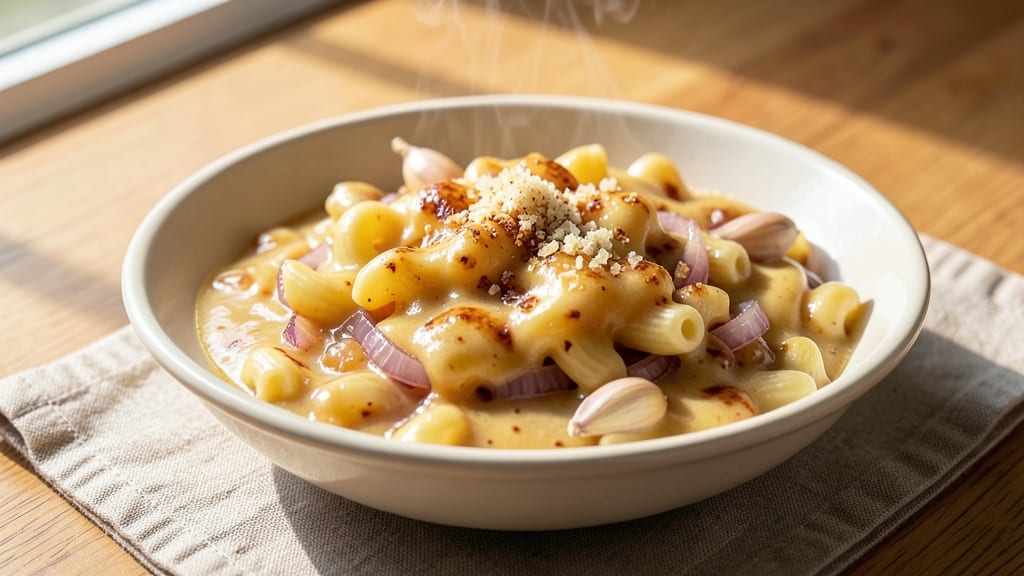
This basic mac and cheese sauce recipe delivers a velvety, lump-free melt that transforms ordinary pasta into a creamy masterpiece. The secret lies in a simple roux technique that creates a stable base for rich, cheesy goodness—no lumps, no curdling, just pure comfort in every spoonful.
I developed this formula after years of testing, ensuring it works as a standalone sauce or the perfect topping for mac and cheese dishes.
What sets this sauce apart is its foolproof method: melted butter and flour form a smooth foundation before milk and cheese are gradually incorporated. The result? A silky, stretchy sauce that clings perfectly to pasta or breadsticks, with a flavor so rich it rivals restaurant versions.
Whether you're making classic mac and cheese or using it as a creamy dip, this sauce delivers restaurant-quality results every time.
The beauty of this recipe is its versatility—use sharp cheddar for classic flavor or blend in Gruyère for extra depth. It reheats beautifully and freezes like a dream, making it perfect for meal prep or holiday gatherings.
The sauce thickens just enough to coat without being gluey, ensuring each bite is creamy and satisfying.
Ready in just 15 minutes, this sauce requires minimal effort but maximum flavor. No special equipment needed—just a saucepan and patience for the roux to develop its nutty aroma.
The key is low-and-slow cooking to prevent lumps, resulting in a sauce so smooth it practically melts on your tongue. Let's make this creamy masterpiece!
Ingredients for basic mac and cheese sauce
Eight simple ingredients transform into velvety mac and cheese sauce without lumps.
| Ingredient | Amount | Notes |
|---|---|---|
| Unsalted Butter 🧈 | ½ cup | Cold, cubed for even melting |
| All-Purpose Flour 🌾 | ½ cup | Diamond Crystal preferred |
| Whole Milk 🥛 | 2 cups | Full-fat for creaminess |
| Sharp Cheddar Cheese 🧀 | 2 cups | Freshly grated from block |
| Gruyère Cheese 🧀 | ½ cup | Optional for depth of flavor |
| Yellow Onion 🧅 | ¼ cup | Finely diced, for subtle sweetness |
| Garlic Cloves 🧄 | 2 cloves | Minced for aromatic base |
| Salt 🧂 | 1 ½ tsp | Diamond Crystal kosher |
| Ground Black Pepper 🌶️ | ½ tsp | Freshly ground for warmth |
| Fresh Nutmeg 🌿 | ¼ tsp | Finely grated, not pre-ground |
The butter and flour create the sauce's foundation, so use high-quality unsalted butter—none of that salted nonsense that throws off your seasoning. Diamond Crystal flour works best because it absorbs moisture evenly, preventing lumps. For the cheddar, buy a wedge and grate it yourself—pre-shredded has anti-caking agents that make the sauce grainy. Gruyère adds complexity if you've got it, but sharp cheddar alone delivers classic flavor. The onion and garlic are optional but worth it for that subtle depth (I usually skip them for a kid-friendly version).
No sharp cheddar? Pepper Jack or Colby Jack work in a pinch, though the flavor won't be as rich. Running out of Gruyère? Parmesan at half the amount adds umami. The milk can be swapped for half-and-half for extra creaminess, but full-fat dairy is non-negotiable here. For a dairy-free version, coconut milk works surprisingly well—just add a splash of lemon juice to balance the flavor. And if you're worried about lumps, whisk constantly during the roux stage—that's when most people mess up.
This sauce reheats beautifully—just add a splash of milk if it thickens too much. It keeps for 5 days in the fridge and freezes for 3 months (though texture changes slightly after thawing). I like to portion it into silicone molds before freezing so I can pop out single servings. For meal prep, double the batch and freeze half—perfect for lazy weeknights when you need comfort food fast.
Why You'll Love This Recipe
- Five-Ingredient Magic: I swear by this combo—just butter, flour, milk, and those two cheeses. No weird shortcuts, no overcomplicating it. The Gruyère adds that nutty depth while the sharp cheddar keeps it bold, and honestly? That’s all you need for something that tastes restaurant-worthy.
- One-Pot Wonder: Between us, this is my go-to when I’m too tired to scrub three bowls. Melt the butter, whisk in the flour, add milk, then cheese—all in the same pot. Stir once, let it thicken, and boom. Minimal cleanup, maximum satisfaction. (Yes, even on a Tuesday night.)
- Leftovers That Save: This sauce reheats like a dream—no graininess, no sad texture. I make a double batch on Sundays, stash it in the fridge, and pull it out for lazy dinners or to toss with roasted veggies. It’s my secret weapon for busy weeks when I’d otherwise order takeout.
- Budget-Friendly Luxury: Sharp cheddar and Gruyère might sound fancy, but they stretch further than you’d think. A single batch feeds four, and the flavor is so rich you’ll forget it’s “basic.” Plus, using whole milk instead of cream keeps it creamy without breaking the bank. Frugal? Yes. Delicious? Absolutely.
Step-by-step instructions for perfect mac and cheese sauce
This method delivers a silky, lump-free sauce every time using precise technique and quality ingredients.
Melt Butter and Cook Aromatics
Melt the 0.5 cup unsalted butter in a medium saucepan over medium heat. Once fully melted and bubbling gently, add the 0.25 cup finely diced yellow onion and 2 cloves minced garlic cloves. Cook for 3-4 minutes until the onions become translucent and the garlic releases its aroma.
This step builds flavor foundation—don't rush it. The onions should soften completely before moving forward. If the butter browns too quickly, reduce heat slightly to prevent burning. The aromatic base will carry through the entire sauce.
Create the Roux
Whisk in the 0.5 cup all-purpose flour all at once, stirring constantly for 1-2 minutes until the mixture forms a smooth, pale roux with no floury taste. The roux should look like wet sand and coat the back of a spoon when stirred.
This critical step prevents lumps. If the roux darkens too quickly, reduce heat to medium-low. The roux is the secret to velvety texture—don't skip this cooking time. When properly developed, it will create that signature creamy consistency.
Gradually Add Milk
Slowly pour in the 2 cups whole milk while whisking vigorously to prevent lump formation. Once all milk is incorporated, increase heat to medium-low and simmer for 5-7 minutes, stirring frequently, until the sauce thickens enough to coat the back of a spoon.
Patience here is key. The sauce should thicken gradually without curdling. If it starts to separate, whisk more vigorously and reduce heat slightly. You'll know it's ready when it coats the whisk smoothly and holds its shape when drizzled.
Add Cheeses and Seasonings
Remove the saucepan from heat and stir in the 2 cups freshly grated sharp cheddar cheese and 0.5 cup grated gruyère cheese (if using) until completely melted and smooth. Return to low heat and whisk in the 1.5 tsp salt, 0.5 tsp freshly ground black pepper, and 0.25 tsp finely grated fresh nutmeg. Keep heat low just to maintain warmth—no boiling.
This is where the magic happens. The nutmeg adds warmth while the pepper brings depth. The gruyère adds complexity if included. Stir constantly until all cheese is fully melted and the sauce is completely smooth. If any lumps appear, strain through a fine-mesh sieve for perfect texture.
Pro Tips For Making Basic Mac And Cheese Sauce
- Melt Cheese Slowly: If you dump all the cheese at once, you’ll end up with lumps or a sauce that breaks. Instead, whisk in half the cheddar first, let it melt completely, then stir in the Gruyère a little at a time—it’s more delicate and melts cleaner. (Yes, it takes 30 seconds longer, but your sauce will actually look like it’s supposed to.)
- Bloom the Flour Properly: Don’t just toss in the flour and stir. Melt the butter first, then add the flour and cook it for 2 full minutes on medium heat, stirring constantly, until it turns a pale golden color. This step makes the sauce richer and prevents that raw flour taste—trust me, you’ll notice the difference.
- Use Cold Milk: Pouring cold milk into the roux keeps the sauce from overheating and turning grainy. Warm it slightly first if you’re worried, but don’t go hot—you want it cool enough to temper the roux without shocking it. (I used to rush this and ended up with a lumpy mess.)
- Salt the Milk: Unsalted butter and whole milk are both bland on their own. Add 1/2 teaspoon of salt to the milk before you pour it in—it balances the flavors way better than trying to adjust later. (This is the thing that matters most for a well-seasoned sauce.)
Make-ahead tips for this basic mac and cheese sauce
Make-Ahead Magic
This sauce is a meal-prep dream—prepare it 2 days ahead and store it in an airtight container in the fridge. The flavors actually deepen over time, becoming richer and more cohesive.
I like to reheat portions in a saucepan with 1-2 tablespoons of milk or water to restore creaminess. For best results, reheat over low heat to prevent curdling. 💫
Freezer-Friendly
Freeze sauce in silicone molds or airtight containers for up to 3 months. Portion into single servings before freezing so you can grab exactly what you need. When ready to use, thaw overnight in the fridge, then reheat gently.
If the sauce thickens too much after thawing, thin it with a splash of milk or warm water. The texture may be slightly grainier after freezing, but the flavor remains delicious.
Double the Batch
Make a big batch and freeze half for future meals. I often double the recipe when hosting dinner parties—it’s perfect for dipping breadsticks or topping mac and cheese. The sauce reheats beautifully, so you can keep it on hand for quick weeknight dinners. Just
Reheating Perfection
For stovetop reheating, transfer sauce to a saucepan and warm over medium-low heat, stirring frequently. If it thickens too much, add 1-2 tablespoons of milk to restore creaminess. Avoid high heat—it can cause the sauce to separate or develop a skin. For microwave reheating, cover with a damp paper towel and heat in 30-second intervals, stirring in between, until warmed through. 🔥
Meal Prep Hacks
Use this sauce as a base for other dishes too! Store extra portions in the fridge for quick pasta nights or as a creamy dip for veggies. I also love using it as a filling for stuffed shells or baked potatoes.
The sauce’s versatility makes it a staple in my meal-prep rotation—just reheat and serve. For extra convenience, pre-portion into small containers for easy grab-and-go meals. ✨
Nutrition facts
Frequently asked questions
Why does my mac and cheese sauce get lumpy?
Lumps happen when flour isn't fully cooked in the roux or milk is added too quickly. Always whisk constantly while adding milk and cook the roux for 1-2 minutes until it turns pale golden and smells nutty. If lumps appear, strain through a fine-mesh sieve for instant smoothness.
Can I make this sauce without a roux?
Yes! For a no-roux version, melt 0.5 cup butter in a saucepan, whisk in 2 cups milk, then add 2 cups grated cheese and simmer until melted. It won't be as thick or stable, but works in a pinch. The roux method creates that signature velvety texture, though.
What's the best cheese substitute if I don't have Gruyère?
Use Parmesan (½ cup) for umami depth or Monterey Jack for extra creaminess. Avoid pre-shredded cheeses—they contain anti-caking agents that make the sauce grainy. If you're dairy-free, nutritional yeast adds a cheesy flavor when mixed with coconut milk.
How do I fix sauce that's too thick or too thin?
For thick sauce, stir in 1-2 tablespoons of milk or water to loosen. If too thin, simmer uncovered for 2-3 minutes to evaporate excess liquid. Never add flour directly—it creates lumps. For emergency fixes, whisk in a 1 teaspoon of cornstarch mixed with cold water until smooth.
Can I use this sauce for dishes other than mac and cheese?
This versatile sauce works as a creamy dip for veggies, a filling for stuffed shells, or a topping for baked potatoes. It's also perfect for dipping breadsticks or as a creamy pasta sauce. The rich flavor pairs well with proteins like chicken or shrimp too.