
Sauces & Condiments
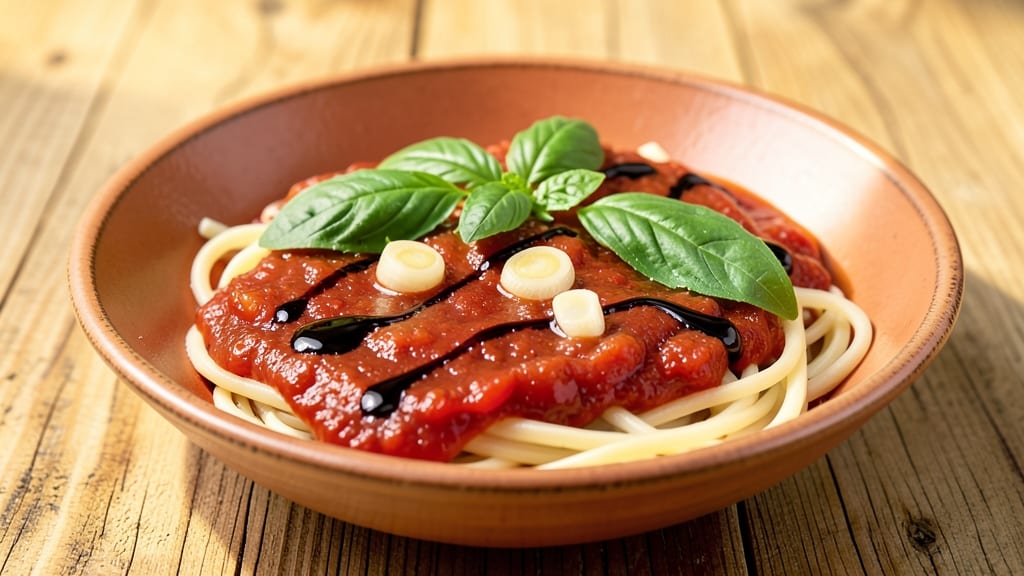
Authentic Italian tomato pasta sauce transforms simple ingredients into a velvety, umami-rich foundation that elevates every pasta dish. This recipe captures the essence of Italian cooking—slow simmering, balanced acidity, and fresh herbs—without shortcuts. The key lies in proper technique: caramelizing garlic, reducing tomatoes gently, and finishing with just the right touch of acid to brighten the flavors.
What sets this sauce apart is its depth of flavor, achieved through a combination of fresh tomatoes (or high-quality canned San Marzano), aromatic garlic, and a touch of olive oil that enhances rather than overpowers.
The sauce develops complexity as it simmers, creating a natural sweetness that pairs perfectly with al dente pasta. No artificial additives or heavy cream—just pure, authentic Italian taste.
By mastering this technique, you'll unlock a sauce that's versatile enough for any pasta but rich enough to stand alone. The texture is silky yet slightly chunky, with a balance of acidity and sweetness that makes it impossible to resist.
This isn't just a sauce—it's the heart of your Italian meal, built to shine.
Store it in the fridge for up to 5 days or freeze for longer shelf life, ensuring you always have restaurant-quality flavor at your fingertips. The process is simple, but the results are undeniably professional—proof that authentic Italian cooking is within reach.
Ingredients for authentic italian pasta sauce recipe tomato
Ten essential ingredients crafting restaurant-quality Italian tomato sauce at home.
| Ingredient | Amount | Notes |
|---|---|---|
| Extra-Virgin Olive Oil 🫒 | ½ cup | High-quality, fruity variety preferred |
| Garlic Cloves 🧄 | 6 whole | Freshly peeled, thinly sliced |
| San Marzano Tomatoes 🍅 | 28 oz | Canned, whole peeled tomatoes |
| Shallots 🧅 | 2 whole | Finely minced, or substitute onions |
| Fresh Basil Leaves 🌿 | ½ cup | Packed, stems removed for garnish |
| Red Wine Vinegar 🍷 | 2 tbsp | Dry, aged variety for brightness |
| Sea Salt 🧂 | 1 ½ tsp | Diamond Crystal preferred |
| Ground Black Pepper 🌶️ | ½ tsp | Freshly cracked for optimal flavor |
| Dried Oregano 🍃 | 1 tsp | Italian or Mediterranean blend |
| Freshly Grated Parmesan Cheese 🧀 | ¼ cup | Aged 12+ months, block preferred |
The foundation begins with San Marzano tomatoes—their natural sweetness and low acidity are non-negotiable for authentic flavor. Whole peeled cans (not crushed) ensure better texture control. For olive oil, extra-virgin is mandatory—look for Italian varieties like Colavita or Bertolli at specialty stores. Garlic should be freshly peeled and sliced thinly to caramelize properly without burning. Shallots add depth; if unavailable, yellow onions work but require more careful cooking. Fresh basil is ideal for finishing, though dried oregano can substitute in a pinch for storage flexibility.
No San Marzano tomatoes? High-quality crushed tomatoes work in a bind, but avoid brands with added salt or preservatives. Substitute red wine vinegar with white wine vinegar or lemon juice, though the flavor profile shifts slightly. For garlic, garlic powder at half the amount can work, but fresh is always superior. If Parmesan isn't available, Pecorino Romano offers a sharper alternative. The sauce relies on slow reduction—don't rush this step. For a quicker version, passata can replace crushed tomatoes, but texture will be smoother. Always taste before finishing with salt; Diamond Crystal dissolves more easily than table salt.
Store finished sauce in an airtight glass container with a thin layer of olive oil on top to preserve freshness. Keeps for 5 days refrigerated or 3 months frozen—portion into ice cube trays for easy use. The sauce develops deeper flavor overnight, so always make it a day ahead for optimal results. For reheating, low heat prevents curdling. Freeze extras in silicone molds for portion control. This sauce is the heart of Italian meals—never skip the fresh basil at the end, even if it's just a sprinkle.
Why You'll Love This Recipe
- No-Chop Nightmare: I swear by this sauce because it only asks for two things: chopping shallots and crushing garlic. That’s it. No dicing, no peeling mountains of tomatoes—just slice, crush, and let the San Marzano tomatoes do the work for you. (Yes, even on a Tuesday night when I’d rather be scrolling.)
- Garlic-Kissed Magic: The moment those minced garlic cloves hit the olive oil? Pure alchemy. Low and slow until they’re golden—not burnt, not raw—then tossed with sweet, crushed tomatoes and a whisper of shallot. That crispy edge with the creamy center? Chef’s kiss. Honestly, I’ve tried fancy sauces, but this one still wins.
- Weeknight to Dinner Party: Same sauce, endless uses. Toss it with spaghetti for a quick weeknight meal, or drizzle it over grilled chicken and crusty bread for a Sunday spread. Freeze half for lazy days, and the other half? You’ll want to eat it fresh—because it’s that good. (Between us, my roommate stole my last batch.)
- Pantry Goldmine: A single jar of San Marzano tomatoes and a bulb of garlic stretch this sauce farther than you’d think. I’ve fed four people for under $10 with this, and the leftovers? Even better the next day. Not the prettiest, but the taste makes up for it—plus, it’s my secret weapon for when I’m broke but still want to feel fancy.
Step-by-step instructions for authentic Italian tomato pasta sauce
This classic technique transforms simple ingredients into a deeply flavorful, umami-rich sauce worthy of Italian trattorias.
Sauté Aromatics in Olive Oil Until Fragrant
Heat the 0.5 cup extra-virgin olive oil in a heavy-bottomed saucepan over medium-low heat. Add the 2 whole shallots and 6 whole garlic cloves, stirring gently to coat in the oil. Cook for 5-7 minutes until the shallots soften and become translucent, but never brown.
This gentle cooking draws out their natural sweetness without bitterness—the foundation of authentic Italian flavor. I like to use a wooden spoon here to stir, as metal can react with the acidic components we'll add later. Keep the heat low; you're building flavor, not searing. You'll know it's ready when the garlic smells intensely aromatic and the shallots have just begun to lose their raw edge.
Add Tomatoes and Vinegar for Acidic Balance
Pour in the 28 oz San Marzano tomatoes (crushed by hand or with a wooden spoon) and 2 tbsp red wine vinegar. Stir well to combine, then bring the mixture to a gentle simmer over medium heat. The vinegar brightens the tomatoes and prevents the sauce from becoming overly sweet—a common mistake in homemade preparations.
Let the sauce simmer uncovered for 15 minutes while you prepare the remaining ingredients. This initial reduction concentrates the flavors and removes excess water. You'll notice the sauce darken slightly and thicken—this is normal and indicates the tomatoes are breaking down properly. The aroma should be rich and complex, with notes of tomato, garlic, and a subtle acidity from the vinegar.
Season and Simmer for Deep Flavor Development
Add the 1.5 tsp sea salt, 0.5 tsp ground black pepper, and 1 tsp dried oregano to the simmering tomatoes. Stir well to distribute the seasonings evenly. Reduce the heat to low and let the sauce cook uncovered for 30-40 minutes, stirring occasionally.
This long, slow simmer is crucial for developing authentic Italian flavor. The sauce should reduce by about 25%—it will thicken noticeably and develop a glossy sheen. You're looking for a sauce that coats the back of a spoon smoothly but still has body. Taste occasionally and adjust seasoning if needed; Italian sauces should be balanced between sweet, acidic, and savory notes. The oregano should infuse the sauce with its earthy depth, while the pepper adds subtle heat.
Finish with Fresh Basil and Parmesan
Remove the sauce from heat and stir in the 0.5 cup fresh basil leaves (stems removed) and 0.25 cup freshly grated Parmesan cheese. Let the mixture sit for 5 minutes to allow the basil to soften slightly and release its aromatic oils. The Parmesan should melt smoothly into the sauce, adding a nutty depth that balances the acidity.
This final step elevates the sauce from good to exceptional. The basil adds freshness that cuts through the richness, while the Parmesan provides a savory umami note that ties everything together. For best results, serve the sauce immediately over freshly cooked pasta, allowing the strands to absorb the flavorful liquid. If storing, refrigerate for up to 5 days or freeze for 3 months, but always reheat gently to preserve the delicate balance of flavors.
Pro Tips For Making Authentic Italian Pasta Sauce Recipe Tomato
- Sweat the Shallots: Low and slow over medium heat—no rushing—until they’re translucent but not brown. I used to blast them and end up with bitter, burnt bits that ruined the whole sauce. Two minutes max, stirring often, and you’ll get that sweet, mellow flavor that makes the sauce sing.
- Crush the Garlic: Mince it fine, then let it sit in the oil for 30 seconds before adding anything else. This softens the raw bite and lets the flavor meld properly. I learned this the hard way when my sauce tasted sharp and underdeveloped—now I never skip it.
- Salt the Tomatoes: Break open those San Marzano cans, drain most of the juice, and give the tomatoes a pinch of salt right in the pot. It draws out moisture and concentrates the flavor before cooking. Sounds weird, but it works—your sauce will taste deeper and more balanced.
- Finish with Whole Basil: Tear leaves roughly and add them at the very end, just before serving. Whole leaves stay vibrant longer and release their aroma when the sauce hits your plate. I was skeptical until I tried it—now I never chop basil into sauce unless I’m making pesto.
Troubleshooting this dish
Sauce Too Thin?
If your sauce is watery after simmering, you likely didn't reduce it long enough. The key is low-and-slow cooking—let it bubble gently for at least 45-60 minutes uncovered. For a quicker fix, remove the lid and simmer vigorously for 10-15 minutes, stirring frequently.
If it's still too thin, mash a few San Marzano tomatoes with a fork to release more juice, then simmer until it thickens. 🔥
Garlic Burns Too Fast
Burnt garlic ruins the sauce instantly. Always cook garlic over medium-low heat and remove it just before it turns golden. I recommend slicing cloves thinly to maximize surface area without overcooking.
If you notice smoke or a bitter aroma, immediately add 1 tbsp cold water to deglaze the pan and dilute the harsh flavors. Fresh garlic should smell sweet and aromatic, not pungent or bitter.
Sauce Tastes Bland
Blandness usually means underseasoning or insufficient reduction. First, check your salt balance—Italian sauces should taste slightly salty before adding pasta. If it's still flat, add 1 tsp red wine vinegar or a pinch of dried oregano to deepen the flavor.
For extra umami, stir in 1 tsp fish sauce (trust me, it works!) or a splash of Parmesan pasta water. Always taste as you go—Italian sauces should be complex, not one-dimensional.
Tomatoes Too Acidic
If your sauce tastes overly tangy, you likely used too much vinegar or acidic tomatoes. Balance it by adding 1 tsp sugar or 1 tbsp tomato paste to mellow the acidity. For a natural fix, simmer in a pinch of honey (just ½ tsp) to round out the flavors.
If using green tomatoes or heirloom varieties, reduce vinegar to 1 tbsp and add ½ tsp sugar upfront to prevent sourness. The goal is brightness, not sharpness.
Sauce Separates When Reheating
This happens when the sauce breaks down from uneven heating. Always reheat over low heat and stir constantly to prevent curdling. If it separates, whisk in 1 tbsp cold water or olive oil to re-emulsify.
For storage, keep sauce in glass containers (not plastic) and press a parchment paper directly on the surface before sealing to prevent oxidation. When reheating, add 2 tbsp pasta water to loosen the sauce naturally. 💫
No Fresh Basil?
If you're missing fresh basil, don't skip it entirely—use 1 tsp dried basil (but it won't be the same). For a better substitute, blend 1 tbsp dried basil with 1 tbsp olive oil into a paste, then stir it in.
Alternatively, add 1 tsp lemon zest or ½ tsp fennel seeds for a different but still aromatic finish. The basil is the signature freshness in Italian tomato sauce, so if possible, even a sprinkle of dried basil at the end improves the dish. 🌿
Nutrition facts
Frequently asked questions
Can I use fresh tomatoes instead of canned San Marzano?
Yes, but you'll need to roast or blanch them first to remove excess water. Halve 4 large ripe tomatoes, roast at 400°F for 20 minutes, then peel and crush. This mimics the texture of canned tomatoes. Fresh tomatoes work beautifully in summer but require more active cooking to achieve the same depth of flavor.
How do I adjust the sauce for different pasta shapes?
For long pasta (spaghetti, linguine), use 1 cup sauce per 8 oz pasta—the strands absorb sauce well. For short pasta (penne, rigatoni), reduce to ½ cup sauce per 8 oz pasta and toss with a splash of pasta water. For hearty dishes like lasagna, increase to 2 cups sauce per 8 oz pasta and layer generously.
Can I make this sauce in a slow cooker?
Combine all ingredients (except fresh basil) in your slow cooker on low for 6-8 hours or high for 3-4 hours. The long cook time enhances flavor but requires occasional stirring. Add fresh basil and Parmesan just before serving, as they don't hold up well to extended cooking. For best results, reduce the tomatoes by 30% after cooking to achieve proper thickness.
What's the secret to restaurant-quality texture?
The magic lies in two key techniques: first, never crush tomatoes with a blender—use a wooden spoon to break them gently for natural chunkiness. Second, simmer uncovered for 45+ minutes to develop a glossy, velvety consistency. The sauce should coat the back of a spoon smoothly but still have body. If it's too thick, add 2 tbsp water and simmer 5 more minutes.
How can I make this sauce less acidic?
If your tomatoes taste too sharp, balance the acidity by adding 1 tsp sugar or 1 tbsp tomato paste during simmering. For a natural approach, stir in ½ tsp honey or 1 tsp balsamic vinegar (instead of red wine vinegar) to round out flavors. Always taste as you go—Italian tomato sauce should be bright, not sour.