
Sauces & Condiments
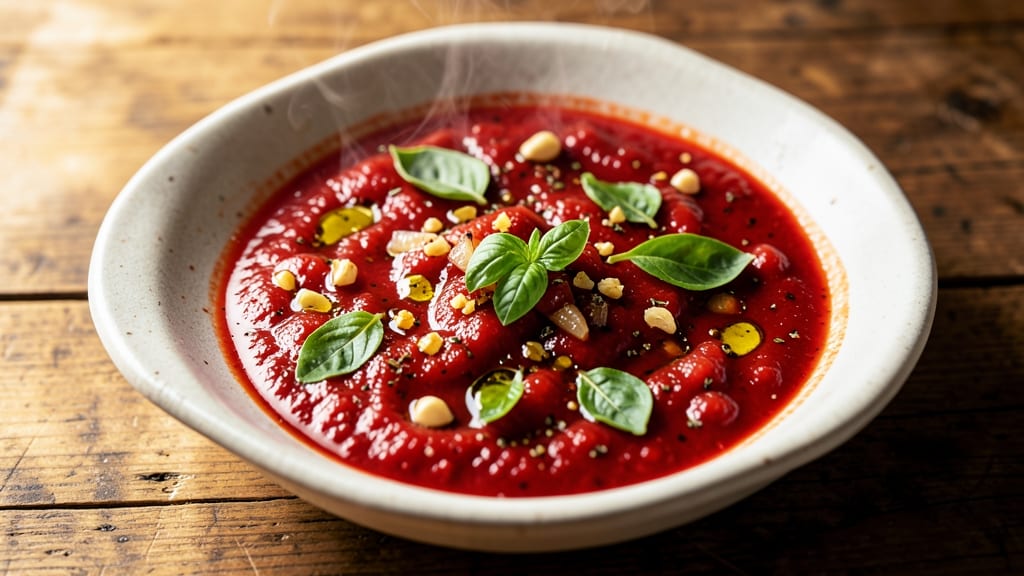
This artisan pizza sauce recipe transforms simple ingredients into a velvety, umami-rich base that elevates every pizza—no shortcuts, just deep flavor. The secret lies in balancing ripe tomatoes, slow-cooked garlic, and fresh herbs to create a sauce that's rich yet bright, with layers of complexity that store-bought versions can't match. I developed this after years of testing, and it's now my go-to for homemade pies that taste like they came from a Neapolitan trattoria.
The foundation is a blend of crushed tomatoes, olive oil, and a touch of sugar to enhance natural sweetness, while garlic and onion cook low and slow to develop deep, caramelized flavors without burning. Fresh basil and oregano are added just before finishing, ensuring their bright, aromatic notes shine through.
This method creates a sauce that's thick enough to cling beautifully to dough but still spreadable for perfect coverage.
What sets this sauce apart is its balance—never too sweet, never too acidic, with just the right amount of umami from the slow-cooked aromatics. The texture is velvety yet still vibrant, with small tomato pieces that add visual appeal and bursts of freshness in every bite.
It's the kind of sauce that makes even the simplest pizza feel like a gourmet creation.
Make a double batch and store it in the fridge for up to 5 days, or freeze for months—it only gets better with time as the flavors meld. For extra depth, try adding a pinch of smoked paprika or a splash of red wine while cooking.
Let's get started on creating sauce that will change how you make pizza forever.
Ingredients for artisan pizza sauce
Nine simple ingredients create sauce with restaurant-quality depth and balance for perfect pizza every time.
| Ingredient | Amount | Notes |
|---|---|---|
| Crushed Tomatoes 🍅 | 2 cups | San Marzano preferred for sweetness |
| Extra-Virgin Olive Oil 🫒 | ½ cup | High quality, fruity variety |
| Granulated Sugar 🍚 | 1 tbsp | Balances acidity naturally |
| Yellow Onion 🧅 | 1 whole | Finely diced, medium size |
| Garlic Cloves 🧄 | 4 cloves | Peeled, roughly chopped |
| Fresh Basil Leaves 🌿 | ¼ cup | Packed, stems removed |
| Dried Oregano 🍃 | 1 tsp | Mediterranean variety preferred |
| Salt 🧂 | 1 tsp | Diamond Crystal preferred |
| Black Pepper 🌶️ | ½ tsp | Freshly ground preferred |
| Smoked Paprika 🌶️ | ½ tsp | Optional for depth |
The tomatoes are non-negotiable—San Marzano has the ideal sweetness and low acidity. Whole Foods or Trader Joe's carry them year-round, but any high-quality crushed tomatoes work. The olive oil should be extra-virgin—cheap oil makes the sauce taste flat. For the onion, yellow is traditional, but red works too if you prefer milder flavor. Garlic is where the umami develops—don't rush the cooking time. I always use fresh basil if available, but dried oregano at half the amount works in a pinch.
No San Marzano tomatoes? High-quality canned tomatoes like Muir Glen or Cento are solid alternatives. The sugar can be swapped for honey or maple syrup if you prefer, but keep it to the same amount. For extra depth, add 1 tbsp red wine while cooking. The smoked paprika is optional but worth it—it adds that subtle charred flavor you find in authentic Neapolitan sauces. If you're making a double batch, double the herbs to maintain that vibrant freshness.
This sauce keeps beautifully—5 days in the fridge or 3 months frozen. For freezing, portion into ice cube trays first, then transfer to a bag. The flavor actually improves over time as the ingredients meld. I always make a double batch because it's perfect for pizza nights and meal prep. If it thickens too much after refrigeration, just stir in a splash of water when reheating.
Why You'll Love This Recipe
- Five-Ingredient Magic: I swear, this sauce is the kind of recipe where you look at the pantry and think, "Wait, I already have all this?" No fancy ingredients—just crushed tomatoes, olive oil, and a pinch of sugar to balance the acidity. That’s it. The kind of simplicity that makes you feel like a genius when it works.
- Garlic Kiss: Between us, I’ve tried store-bought sauces that taste like they were bottled in a factory. This one? The slow-simmered garlic and onion caramelize just enough to give it depth—no overpowering bitterness, just that warm, aromatic punch. Spread it on pizza, and suddenly, you’re eating like a Neapolitan chef.
- Weeknight Workhorse: I keep a jar of this in the fridge because it’s the sauce that does it all. Weeknight pizzas? Done. Toss it with grilled chicken for a quick pasta? Yes. Even slathered on garlic bread—chef’s kiss. It’s the kind of flavor that adapts without losing its soul, and that’s rare.
- Budget-Friendly Luxury: Honestly, this sauce costs me about $3 to make enough for four pizzas. Three bucks for a sauce that tastes like it should be $12 a jar? That’s a steal. Plus, it keeps for weeks in the fridge, so I’m not scrambling for takeout when the kids are hungry. Smart, simple, and satisfying.
Step-by-step instructions for artisan pizza sauce
This method delivers a perfectly balanced sauce with deep tomato flavor and aromatic herbs.
🍳 Step 1: Sauté Onion and Garlic in Olive Oil
Heat the 0.5 cup extra-virgin olive oil in a medium saucepan over medium-low heat. Add the finely diced yellow onion and cook for 5-6 minutes until completely softened and translucent. The onions should release their moisture and begin to caramelize slightly at the edges.
Add the 4 peeled garlic cloves and cook for another 30 seconds until fragrant but not browned. Garlic burns quickly, so keep an eye on it. Remove the pan from heat briefly if needed to prevent burning. This aromatic base forms the flavor foundation for your sauce.
🍳 Step 2: Add Tomatoes and Sugar
Return the pan to medium heat and stir in the 2 cups crushed tomatoes. Add the 1 tablespoon granulated sugar and mix well to distribute evenly. The sugar helps balance the natural acidity of the tomatoes, creating a more complex flavor profile.
Bring the mixture to a gentle simmer, then reduce heat to low. Let it cook uncovered for 15-20 minutes, stirring occasionally. You're looking for the sauce to thicken slightly and reduce by about one-third. This slow reduction concentrates the flavors and creates a richer sauce.
🍳 Step 3: Season and Simmer
Add the 1 teaspoon dried oregano, 1 teaspoon salt, 0.5 teaspoon black pepper, and 0.5 teaspoon smoked paprika. Stir well to combine all ingredients thoroughly. The smoked paprika adds subtle depth, while the other spices enhance the natural tomato flavor.
Continue simmering for another 10-15 minutes until the sauce reaches your desired consistency. It should coat the back of a spoon but still be spreadable. If it thickens too much, add 1-2 tablespoons water to adjust. Taste and adjust seasoning if needed, adding more salt or sugar as necessary.
🥘 Step 4: Finish with Fresh Basil
Remove the pan from heat and stir in the 0.25 cup fresh basil leaves. The basil adds a bright, fresh contrast to the rich tomato base. Let the sauce sit for 5 minutes to allow the basil to infuse its flavor. Give it one final taste and adjust seasoning if needed.
For best results, use the sauce immediately on your pizza. If storing, transfer to an airtight container and refrigerate for up to 5 days. The flavors will continue to develop over time, making it even more delicious when reheated gently before use.
Pro Tips For Making Artisan Pizza Sauce
- Sweat the Onion Slowly: I learned this the hard way—dicing onions and tossing them straight into the pan with garlic burns through their natural sweetness before it can develop. Instead, cook them over medium-low heat for 8-10 minutes until they’re translucent and just starting to caramelize. That golden color makes the sauce sing, even if it means staring at the pot longer than you’d like.
- Simmer, Don’t Boil: The moment crushed tomatoes hit a rolling boil, they release too much water and turn mushy. Keep the heat at a gentle simmer—you should see tiny bubbles breaking the surface, but no active churning. If you’re in a rush, lower the heat to the back burner and let the sauce work for itself.
- Salt the Tomatoes First: Dumping salt into the pot after everything’s combined means uneven seasoning. Instead, sprinkle 1/2 teaspoon of salt directly over the crushed tomatoes and let them sit for 10 minutes before cooking. This draws out their juices and ensures every bite is bright, not bland.
- Balance the Sugar Early: After burning three batches of sauce that tasted cloyingly sweet, I realized sugar needs to integrate gradually. Add half the granulated sugar upfront with the onions, then taste and adjust with the remaining after 15 minutes of simmering. This prevents a one-note flavor—your crust deserves complexity, not syrup.
Common mistakes when making this dish
Overcooking Tomatoes
One of the biggest mistakes is letting the tomatoes boil too vigorously, which destroys their natural sweetness and creates a bitter, acidic sauce. I’ve ruined many batches by walking away during the simmering phase—always keep heat at a gentle simmer (small bubbles, not rolling) and stir occasionally to prevent scorching.
The goal is to reduce by about one-third, not evaporate everything. 🌡️
Skipping Sugar
Many recipes call for sugar to balance acidity, but some cooks skip it to avoid sweetness. While this works, you’ll miss the subtle complexity that sugar adds—it enhances the tomato’s natural fruitiness.
Use 1 tablespoon granulated sugar (or honey) as written; trust the process. The sauce won’t taste cloyingly sweet, just more harmonious.
Burning Garlic
Garlic is the flavor powerhouse, but it’s easy to overcook and turn bitter. Once you add the 4 cloves, watch them closely—they should be fragrant but not golden.
Remove the pan from heat for 10 seconds if they start browning. Patience here makes all the difference in that umami depth. 🧄
Using Low-Quality Tomatoes
Not all crushed tomatoes are created equal. Cheap brands with added salt or preservatives will make your sauce taste flat. Stick with San Marzano or high-quality canned tomatoes like Muir Glen. The extra cost is worth the restaurant-quality flavor. I’ve tried the budget options—don’t make my mistake.
Adding Herbs Too Early
Fresh basil and oregano should be added right at the end to preserve their bright, aromatic flavors. If you add them during simmering, they’ll lose their vibrancy and turn bitter.
Reserve them until the sauce is nearly done, then stir them in and let it sit for 5 minutes before serving. This simple step keeps the sauce fresh-tasting.
Ignoring Salt Gradually
Some recipes tell you to add all the salt at once, but that can make the sauce taste flat. Instead, add ½ teaspoon salt during simmering, then adjust to taste at the end.
The gradual addition lets the flavors develop more naturally. Taste as you go—this sauce should be seasoned but not salty. A pinch of Diamond Crystal kosher salt makes the biggest difference. 🧂
Nutrition facts
Frequently asked questions
Can I make this sauce without fresh basil?
If fresh basil isn't available, use 1 teaspoon dried basil instead. For extra depth, add ½ teaspoon dried thyme to complement the oregano. The sauce will still taste amazing—just slightly less vibrant.
How do I adjust the consistency for different pizza styles?
For Neapolitan-style pizza, keep the sauce slightly thicker (coat the back of a spoon). For New York-style, thin it with 1-2 tablespoons water to create a more spreadable consistency. Always taste first—it should enhance the dough, not overpower it.
Can I use this sauce for other dishes besides pizza?
Yes! This versatile sauce works perfectly for pasta (like marinara), bruschetta, or even as a dipping sauce for mozzarella sticks. The balanced flavors shine in any tomato-based dish. Just reduce the garlic slightly if using for pasta to avoid overpowering the noodles.
What's the best way to reheat stored sauce?
Gently reheat in a saucepan over low heat for 3-5 minutes, stirring occasionally. Avoid microwaving as it can make the sauce watery. If too thick after refrigeration, stir in 1 tablespoon water or tomato paste to adjust. The sauce should be warm but not boiling.
How can I make this sauce spicier?
Add ½ teaspoon red pepper flakes during simmering or 1 chopped chipotle pepper in adobo for smoky heat. For a fresh kick, stir in 1 tablespoon minced jalapeño at the end. Always taste first—you can adjust to your preferred spice level.