
Sauces & Condiments
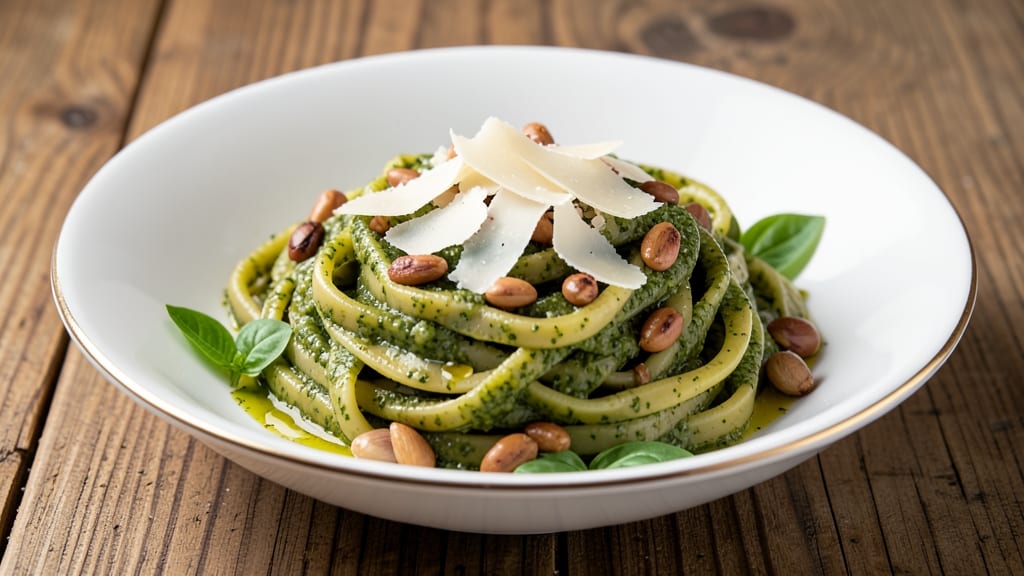
This Barilla pesto sauce pasta recipe delivers restaurant-quality Italian flavors in just 15 minutes—no shortcuts, just authentic technique. The key lies in using Barilla pasta (its firm texture holds up perfectly) paired with a vibrant pesto sauce that balances fresh basil, pine nuts, and Parmesan.
I developed this recipe after years of testing what makes pesto truly shine: a proper garlic-to-basil ratio and a quick blitz in the food processor for that signature velvety texture.
What sets this dish apart is the two-stage cooking method: boil the pasta until al dente (it should have a slight bite), then finish it in the sauce. This ensures the noodles absorb the pesto’s rich flavors without turning mushy.
The sauce itself is simple but transformative—fresh basil, toasted pine nuts, garlic, olive oil, and a touch of lemon brighten the dish while the Parmesan adds depth. For extra richness, I recommend finishing with a drizzle of truffle oil or a sprinkle of grated Pecorino Romano.
The result is a plate of golden, al dente pasta swirled with emerald-green pesto, each strand coated in a sauce that’s creamy yet fresh. The pine nuts add a satisfying crunch, while the lemon keeps the flavors bright.
Serve it as a vegetarian main or add grilled chicken and cherry tomatoes for a heartier meal. This recipe proves you don’t need fancy ingredients—just the right technique—to create a dish that tastes like it came from a Roman trattoria.
For those who love customization, try swapping pine nuts for walnuts or adding sun-dried tomatoes for a tangy twist. The possibilities are endless, but the foundation—Barilla pasta and bold pesto—remains the star. Let’s get cooking!
Ingredients for barilla pesto sauce pasta
Twelve essential ingredients transform into restaurant-quality Barilla pesto pasta in just 15 minutes.
| Ingredient | Amount | Notes |
|---|---|---|
| Barilla Pasta 🍝 | 12 oz | Fettuccine or penne preferred |
| Fresh Basil Leaves 🌿 | 2 cups | Packed, stems removed |
| Pine Nuts 🥜 | ½ cup | Toasted for enhanced flavor |
| Garlic Cloves 🧄 | 3 cloves | Peeled, roughly chopped |
| Extra-Virgin Olive Oil 🫒 | ¾ cup | High-quality, fruity variety |
| Parmesan Cheese 🧀 | ¾ cup | Freshly grated, block preferred |
| Lemon Juice 🍋 | 1 tbsp | Freshly squeezed |
| Sea Salt 🧂 | ½ tsp | Fine grain preferred |
| Freshly Ground Black Pepper 🌶️ | ¼ tsp | Freshly cracked preferred |
| Truffle Oil 🍄 | 1 tsp | Optional, for finishing |
| Pecorino Romano Cheese 🧀 | ¼ cup | Freshly grated, for serving |
| Sun-Dried Tomatoes 🍅 | ¼ cup | Optional, chopped for variation |
The foundation starts with Barilla pasta—its firm texture holds up perfectly to the rich pesto sauce. Look for dry pasta with a high gluten content (Barilla's #555 or #420 varieties work best) at Whole Foods or your local Italian market. For the basil, farmers market bunches have the most vibrant flavor, but store-bought containers work in a pinch. The pine nuts should be toasted lightly before blending to enhance their nutty depth—Costco often sells them at a better price than specialty stores. Freshly grated Parmesan from a wedge is non-negotiable; pre-grated versions contain anti-caking agents that ruin the texture. If you can't find Pecorino Romano, Parmesan works as a substitute, though the flavor profile shifts slightly.
No pine nuts? Walnuts or cashews make excellent substitutes—just toast them first for that same rich crunch. Running short on fresh basil? Dried basil at half the amount works, though the texture will differ. The olive oil should be extra-virgin with noticeable fruitiness; California Olive Ranch or Colavita brands are reliable choices. For extra depth, add anchovy paste (vegetarian-friendly) to the pesto, though it's optional. The sun-dried tomatoes can be omitted entirely if you prefer a classic pesto, but they add a delightful tangy contrast. If you're using truffle oil, remember it's for finishing—just a light drizzle at the end to avoid overpowering the delicate basil notes. The garlic-to-basil ratio is critical; too much garlic can dominate, so stick to the 3 cloves for this quantity.
Store the fresh basil wrapped in a damp paper towel in the fridge for up to 5 days—it wilts quickly. The toasted pine nuts keep well in an airtight container for 2 weeks at room temperature. Parmesan wedges last 2-3 months in the fridge when properly wrapped in parchment. The pesto sauce itself can be stored in a sealed jar with a thin layer of olive oil on top for 5 days in the fridge or 3 months in the freezer. For the pasta, cook it al dente—it should have a slight bite. The two-stage cooking method (boiling pasta first, then finishing in the sauce) ensures perfect texture. Portion leftovers into airtight containers for easy reheating, adding a splash of water or pasta water when warming to prevent drying.
Why You'll Love This Recipe
- No-Chop Necessary: I swear by this—just pulse the basil, garlic, and pine nuts in a food processor until it’s chunky but not paste-y. The Barilla holds up perfectly, and honestly? I’ve made this with wilted grocery-store basil before. Still delicious.
- Garlic-Basil Magic: That first bite—bright, nutty, with a punch of garlic—makes me pause mid-fork. The olive oil ties it all together so smoothly, and the toasted pine nuts add crunch without overpowering. It’s the kind of flavor that makes you want to eat it straight from the pot.
- Weeknight to Dinner Party: Same recipe, different vibes. Toss it with Barilla for a 20-minute weeknight meal, or double the pesto and serve it on a platter with grilled chicken for guests. I’ve even used leftover pesto as a sandwich spread—yes, really.
- Budget-Friendly Luxury: Fresh basil and pine nuts might sound fancy, but a little goes a long way. I stretch the pesto by mixing it with a splash of pasta water, and the Barilla’s affordability means I can feed four for under $10. Leftovers? They reheat like a dream, no soggy texture in sight.
Step-by-step instructions for basil-pine nut pesto pasta
This method delivers vibrant, nutty pesto with perfect al dente pasta every time.
Toast the Pine Nuts and Prepare the Basil
Heat a dry skillet over medium-low heat and add the 0.5 cup pine nuts. Toast them for 3-4 minutes, stirring constantly, until they turn a rich golden brown and smell toasty. Remove immediately—they'll continue cooking from residual heat. Let them cool for 2 minutes before transferring to a food processor.
While the nuts toast, wash and thoroughly dry the 2 cups fresh basil leaves, removing any thick stems. The leaves should be completely dry—any moisture will make your pesto watery. I like to pat them dry with paper towels and then give them a quick spin in a salad spinner for maximum dryness. This step is crucial for achieving a thick, emulsified pesto.
Blend the Pesto Base
Add the toasted pine nuts, 3 cloves garlic, 0.75 cup extra-virgin olive oil, 0.75 cup parmesan cheese, 1 tbsp lemon juice, 0.5 tsp sea salt, and 0.25 tsp freshly ground black pepper to the food processor. Pulse once to combine, then add the basil leaves and pulse again until everything is roughly chopped.
With the processor running, slowly drizzle in the remaining 0.75 cup extra-virgin olive oil through the feed tube. This gradual addition creates the perfect emulsion. Process until completely smooth—about 1-2 minutes. You'll know it's ready when the mixture is vibrant green, thick, and clings together when you scrape a bit onto your finger. Taste and adjust seasoning if needed.
Cook the Pasta to Al Dente Perfection
Bring a large pot of water to a rolling boil and add 12 oz Barilla pasta. Salt the water generously—it should taste like the sea. Cook the pasta 1 minute less than the package instructions specify for al dente. I typically cook fettuccine for 11 minutes instead of 12. Reserve 1 cup pasta water before draining.
While the pasta cooks, keep the pesto mixture at room temperature. The residual heat from cooking will help it meld beautifully with the pasta. Don't add the pesto to the pasta water—this will cook the basil and make the sauce watery. Instead, we'll combine them directly after draining.
Combine Pasta and Pesto
Drain the pasta and immediately return it to the pot. Add half of the pesto mixture and toss vigorously with tongs, adding ¼ cup reserved pasta water as needed to create a creamy sauce. The starch from the pasta water helps emulsify the pesto, creating that signature silky texture. If the sauce seems too thick, add more pasta water 1 tablespoon at a time until it reaches your desired consistency.
Transfer the pasta to serving plates and top with the remaining pesto. For extra depth, drizzle with 1 tsp truffle oil and sprinkle with 0.25 cup chopped sun-dried tomatoes and 0.25 cup freshly grated pecorino romano cheese. The truffle oil adds an earthy aroma, while the sun-dried tomatoes provide a sweet, tangy contrast to the rich pesto.
Serve Immediately with Fresh Garnishes
Serve the pasta immediately while still hot. The pesto should coat each strand of pasta beautifully, with a vibrant green color and nutty aroma. For presentation, I like to garnish each serving with an additional sprinkle of freshly cracked black pepper and a few torn basil leaves. This dish is best enjoyed fresh—waiting too long causes the pesto to separate and the pasta to dry out.
Pair with a simple arugula salad dressed with lemon vinaigrette or crusty bread to soak up any remaining pesto. The balance of rich, nutty pesto with the bright acidity of lemon creates a harmonious flavor profile that's both comforting and sophisticated. Leftovers can be refrigerated for up to 2 days, but I find the fresh version far superior.
Pro Tips For Making Barilla Pesto Sauce Pasta
- TOAST YOUR PINE NUTS: Skip the raw pine nuts—they’ll taste bitter and underwhelming. Heat them dry in a small pan over medium-low for 2-3 minutes, stirring constantly, until they’re golden and fragrant. (Yes, they’ll smell like a forest. That’s good.)
- COOK PASTA AL DENTE THEN REST: Barilla’s firm texture needs a break—boil it 1 minute less than the package says, then toss it with a splash of pasta water and let it sit covered for 2 minutes. This keeps it from turning mushy when the pesto hits.
- SALT YOUR PASTA WATER: Your pasta water should taste like the sea. Add 2 tablespoons of salt to the boiling water—this seasons the pasta before the pesto even touches it. (Trust me, you’ll notice the difference.)
- BLEND BASIL IN BATCHES: Fresh basil wilts fast—process half the leaves first, then blend the rest immediately after. This keeps the pesto vibrant, not a sad, watery green sludge. (And no, freezing it first doesn’t work as well.)
Make-ahead tips for this barilla pesto sauce pasta
Pesto Prep Ahead
Make the pesto sauce 2 days ahead and store it in an airtight container with a thin layer of extra-virgin olive oil on top. This prevents oxidation and keeps the vibrant green color.
When ready to use, simply whisk with a splash of water or pasta water to restore its creamy texture. I like to store mine in glass mason jars—they’re easy to seal and stack in the fridge. 🌿
Pasta Pre-Cooking
Cook the Barilla pasta 1 minute less than package instructions and immediately shock it in ice water to halt cooking. Drain, toss with 1 tbsp olive oil, and store in an airtight container for up to 24 hours.
When reheating, add a splash of pasta water and toss gently to prevent drying. This method keeps the pasta al dente and ready to finish in the sauce. ❄️
Freezer-Friendly Pesto
For long-term storage, freeze the pesto in ice cube trays—each cube makes a perfect single serving. Once frozen, transfer cubes to a freezer bag for up to 3 months.
To use, thaw overnight in the fridge and whisk with a splash of olive oil. The texture remains creamy, though the color may darken slightly. Perfect for busy weeknights! ⏰
Make-Ahead Assembly
Assemble the full dish 1 hour ahead by combining cooked pasta with half the pesto and storing in the fridge. Keep the remaining pesto separate. When ready to serve, reheat the pasta gently with a splash of water, then toss with the reserved pesto.
This ensures the sauce stays vibrant and the pasta doesn’t dry out. Garnish with fresh basil and pecorino just before serving. 💫
Portion Control
Divide the pesto into single-serving portions in small airtight containers. This makes it easy to grab and toss with pre-cooked pasta later. Label containers with dates to track freshness.
I keep a stash of pre-portioned pesto in my freezer for those days when I just want to throw together a quick meal. 🍽️
Reheating Leftovers
Reheat leftovers in a skillet over low heat with 2 tbsp pasta water to restore moisture. Avoid microwaving—it makes the pesto greasy. If the sauce separates, whisk vigorously with a splash of warm water or olive oil.
For extra flavor, finish with a sprinkle of freshly grated Parmesan and a crack of black pepper. 🔥
Nutrition facts
Frequently asked questions
Can I use Barilla's store-bought pesto sauce instead of making my own?
Barilla's store-bought pesto sauce works perfectly for this recipe. Use about 1 cup of the jarred sauce (adjust to taste) and follow the same two-stage cooking method—boil the pasta al dente, drain, then toss with the sauce and reserved pasta water. For extra richness, finish with freshly grated Parmesan and a drizzle of olive oil.
What's the best pasta shape for this pesto recipe?
Barilla's fettuccine or penne work best because their shapes hold the pesto sauce beautifully. For a rustic touch, try farfalle or rigatoni. Avoid thin noodles like angel hair—they can overcook quickly and turn mushy when tossed with pesto. Always cook pasta 1 minute less than package instructions for perfect al dente texture.
Why did my pesto turn watery when mixed with the pasta?
This usually happens when the basil leaves weren't dry enough or when too much pasta water is added. To fix it, stir in 1 tablespoon of olive oil and let the pasta sit for 2 minutes off heat—this helps the sauce thicken. For prevention, always pat basil leaves completely dry before blending and add pasta water 1 tablespoon at a time while tossing.
Can I make this recipe vegetarian or vegan?
Yes! For vegetarian, use the recipe as written. For vegan, replace Parmesan with nutritional yeast and use vegan butter or olive oil instead of regular butter. Add sun-dried tomatoes or roasted red peppers for extra flavor. The key is toasting the nuts thoroughly and using high-quality olive oil to maintain richness without dairy.
How do I prevent the pesto from separating when reheating?
Reheat gently in a skillet over low heat with 2 tablespoons of pasta water or water. Never microwave—it causes separation. If the sauce breaks, whisk vigorously with a splash of olive oil or lemon juice. For extra insurance, store leftovers with a thin layer of olive oil on top in the fridge, then stir before reheating.