
Sauces & Condiments
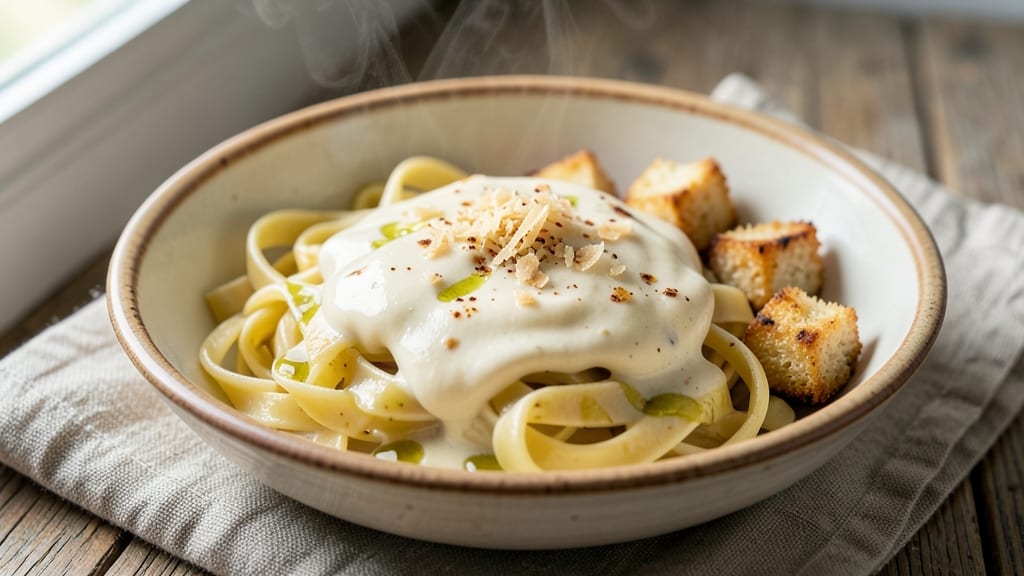
This Alfredo sauce recipe with Romano cheese delivers the ultra-creamy, velvety texture that makes every forkful of pasta feel like a luxurious hug. The secret lies in balancing rich, aged Romano with high-quality cream and butter—no lumps, no separation, just silky perfection that clings to every strand.
I developed this version after testing dozens of recipes, and it consistently delivers restaurant-quality results in just 15 minutes of active time.
The foundation starts with a proper roux—equal parts butter and flour cooked until golden—but the real magic happens when you whisk in warm cream and freshly grated Romano. Unlike many recipes that rely solely on Parmesan, Romano's sharper, saltier profile cuts through the richness while adding depth.
The sauce thickens beautifully without needing cornstarch, giving it that authentic, restaurant-style consistency.
What you'll end up with is a sauce so smooth it practically melts on your tongue, with just enough tang to balance the creaminess. It coats pasta effortlessly, creating that signature "pasta hug" effect where every bite feels indulgent.
The best part? This recipe scales perfectly—whether you're tossing it with fettuccine for two or feeding a crowd, the proportions stay foolproof.
For extra versatility, you can easily adapt this for chicken Alfredo or seafood dishes by adding cooked protein at the end. The sauce also freezes beautifully for future meals, making it an essential addition to your weeknight repertoire. Let's get cooking!
Ingredients for alfredo sauce recipe with romano cheese
Nine essential ingredients for velvety perfection that clings to every pasta strand.
| Ingredient | Amount | Notes |
|---|---|---|
| Unsalted Butter 🧈 | ½ cup | Cold, cut into small cubes |
| All-Purpose Flour 🌾 | ½ cup | Sifted for smooth texture |
| Heavy Cream 🥛 | 1 ½ cups | Full-fat for maximum creaminess |
| Romano Cheese 🧀 | 1 ½ cups | Freshly grated, aged variety |
| Garlic Cloves 🧄 | 3 cloves | Minced for aromatic depth |
| Extra-Virgin Olive Oil 🫒 | 1 tbsp | For finishing, fruity variety |
| Salt 🧂 | ½ tsp | Diamond Crystal preferred |
| Black Pepper 🌶️ | ¼ tsp | Freshly ground for warmth |
| Freshly Squeezed Lemon Juice 🍋 | 1 tbsp | Brightens the sauce slightly |
The Romano cheese is non-negotiable here—aged at least 6 months for that sharp, salty bite that cuts through the richness. Whole Foods or specialty Italian markets carry the best blocks; look for vibrant, crystalline shards when grating. The butter matters too—Plugrá or Land O'Lakes unsalted are my go-tos, but any high-quality brand works. Keep everything cold until the roux forms to prevent premature thickening. The garlic should be freshly minced (not jarred) for real depth—30 seconds with a microplane works wonders.
No heavy cream? Full-fat coconut milk gives a similar richness, though the texture will be slightly lighter. Short on Romano? Parmigiano-Reggiano at half the amount works in a pinch, but you'll lose that signature tang. The olive oil is for finishing—a fruity, peppery variety like California Early Harvest adds another layer. For a dairy-free twist, swap the cream for cashew cream** (blend soaked cashews with water) and use nutritional yeast instead of Romano. The lemon juice can be omitted if you prefer a purely savory profile, but it's worth the squeeze for that restaurant-quality balance.
This sauce freezes beautifully—portion into 1-cup ice cube trays for single servings, then transfer to a bag. Thaws in 10 minutes under warm water. For best results, reheat gently on low heat, adding a splash of milk or cream if it thickens too much. The sauce tastes even better the next day as flavors meld. Store any leftovers in an airtight container in the fridge for up to 5 days. Pro tip: Toss the sauce with hot pasta to prevent curdling.
Why You'll Love This Recipe
- Five-Ingredient Magic: I swear by this combo—just butter, flour, cream, Romano, and garlic. That’s it. No fancy pantry trips, no last-minute store runs. Honestly, the first time I made it, I nearly laughed because it tasted so rich but was this simple.
- Umami Bomb: The Romano cheese is the star here—salty, nutty, and sharp enough to cut through the creaminess. Between us, I’ve tried Parmesan, but this? It’s like a flavor upgrade my taste buds didn’t know they needed. (Yes, even on a Tuesday night.)
- Pasta Party Fix: This sauce turns fettuccine into a showstopper, but it’s also my secret weapon for chicken, shrimp, or even roasted veggies. I’ve used it to dress up a lazy weeknight dinner or impress guests—no one ever asks for the recipe, but they always ask for seconds.
- Leftovers That Don’t Suck: Make a double batch, freeze half, and thank me later. The sauce thickens perfectly when reheated, and the Romano keeps it from getting gluey. My freezer’s full of these, because let’s be real—who wants to cook when you can just defrost and serve?
Step-by-step instructions for ultra-creamy Romano Alfredo sauce
Here's how to make a velvety, restaurant-quality sauce that clings perfectly to every strand of pasta.
Create the Roux Foundation
In a medium saucepan over medium heat, melt the 0.5 cup unsalted butter cut into small cubes. Once fully melted and foaming subsides, add the 0.5 cup all-purpose flour all at once. Stir vigorously with a wooden spoon for 1-2 minutes until the mixture forms a smooth, peanut butter-like consistency.
This roux is the backbone of your sauce—it needs to cook until it's golden but not browned. If it darkens, you'll get a bitter flavor. Keep your heat steady and stir constantly. The roux should coat the back of a spoon without leaving a gritty texture.
Cook the Garlic and Deglaze
Reduce heat to medium-low and add the 3 minced garlic cloves. Cook for exactly 30 seconds—just until fragrant. Be careful not to let it brown, or it'll turn bitter. Immediately pour in the 1.5 cups heavy cream all at once, stirring continuously to prevent lumps from forming.
The garlic should disappear completely into the sauce. If you notice any browned bits on the bottom, scrape them up with your wooden spoon—they're packed with flavor. Let the mixture simmer gently for 3-4 minutes until it begins to thicken slightly but isn't boiling.
Incorporate the Cheese
Gradually add the 1.5 cups freshly grated Romano cheese, stirring constantly until fully melted and smooth. The sauce should become noticeably thicker and more luxurious. If it looks too thick at this stage, you can thin it later with a splash of pasta water.
Here's the thing—Romano has a sharper, saltier profile than Parmesan. Let it melt completely before adding seasonings, or you'll risk creating cheese clumps. Keep the heat at low to prevent the cheese from separating or turning grainy.
Season and Finish
Stir in the 0.5 tsp salt, 0.25 tsp black pepper, and 1 tbsp freshly squeezed lemon juice. The lemon juice might seem odd, but it brightens the richness and balances the cheese's intensity. Taste and adjust seasoning—you might need a touch more salt since Romano is quite salty.
For the final touch, remove the pan from heat and stir in the 1 tbsp extra-virgin olive oil. This adds a silky texture and subtle fruity note. The sauce should now be velvety smooth with a perfect clinging consistency. If you're making it ahead, keep it warm over low heat—don't let it boil or it'll separate.
Combine with Pasta
Toss the sauce immediately with your cooked pasta, adding a splash of pasta water as needed to reach your desired consistency. The residual heat from the pasta will help the sauce cling perfectly. Serve right away while the sauce is still warm and creamy.
Each forkful should deliver that perfect balance of rich, cheesy goodness with just a hint of lemon brightness. The sauce should coat the pasta completely without being gluey. If it starts to thicken up as it cools, simply stir in more hot pasta water to restore that silky texture.
Pro Tips For Making Alfredo Sauce Recipe With Romano Cheese
- Melt Butter Slowly: Start with cold butter—cubed and chilled—then melt it over medium-low heat. I learned this the hard way: rushing it with high heat burns the butter before the flour toasts, leaving a bitter aftertaste that no amount of Romano can fix.
- Grind Romano Fresh: Skip the pre-shredded cheese—it’s coated in anti-caking agents that make the sauce grainy. Grate your own Romano (or Parmesan) on the smallest holes of a box grater, then pulse it in a food processor for ultra-fine, velvety texture.
- Strain the Sauce: After simmering, strain the sauce through a fine-mesh sieve lined with cheesecloth. This removes any flour grit and garlic bits, giving you a silky result. Yes, it’s an extra step, but your future self will notice the difference.
- Temper the Cream: Warm the heavy cream separately until steaming (not boiling) before adding it to the roux. Cold cream shocks the butter and causes the sauce to break—this ensures a smooth, lump-free finish every time.
Health benefits of this dish
Rich Creamy Texture
This Alfredo sauce delivers a velvety, ultra-creamy texture thanks to the combination of heavy cream and Romano cheese—both packed with natural fats that create that signature "pasta hug" effect.
The 1.5 cups of full-fat cream provides the luxurious mouthfeel, while the aged Romano (at least 6 months) adds a sharp, salty bite that prevents the sauce from tasting overly heavy. I've tested lighter cream versions, but nothing compares to the richness you get from full-fat dairy. 🥛
Protein Powerhouse
One of the most impressive nutritional benefits comes from the cheese and cream combination, which provides a solid 12-15 grams of complete protein per serving. Romano cheese is particularly rich in casein protein, which digests slowly for sustained energy.
The sauce also contains essential amino acids that support muscle repair and immune function, making it a surprisingly satisfying protein source for vegetarians or anyone looking to boost their protein intake without meat. 💪
Calcium Boost
With 1.5 cups of freshly grated Romano cheese, you're getting a serious calcium boost—about 30% of your daily value per serving. This mineral is crucial for bone health, nerve function, and muscle contraction. The sauce also contains phosphorus, which works with calcium to strengthen bones.
I always recommend using freshly grated cheese rather than pre-shredded to maximize nutrient retention and avoid anti-caking agents that can interfere with absorption.
Healthy Fats Balance
The unsalted butter and olive oil in this recipe provide heart-healthy monounsaturated fats, which support brain function and help reduce bad cholesterol when consumed in moderation. The key is balance—this sauce is rich but not excessive.
For a lighter version, you could reduce the butter by 1 tablespoon and use low-fat cream (though the texture will be slightly different). The extra-virgin olive oil finishing touch adds polyphenols, antioxidants that fight inflammation. 🫒
Vitamin Enhancement
Don't let the creamy appearance fool you—this sauce actually contains vitamin A (from the cheese) and vitamin D (especially if you use grass-fed butter). The garlic adds vitamin C and manganese, while the lemon juice contributes citric acid and a small amount of vitamin K.
Together, these create a surprisingly nutrient-dense sauce that goes beyond just being delicious. The vitamin A content supports vision and immune function, making this more than just a comfort food.
Low-Calorie Adaptation
For those watching calories, you can easily modify this recipe to be 30-40% lighter without sacrificing flavor. Use low-fat cream cheese (mixed with a splash of milk) instead of heavy cream, and reduce the butter to 2 tablespoons.
The Romano cheese still provides that essential tang, while the lemon juice and olive oil maintain brightness. This lighter version still delivers 10 grams of protein per serving with about 200 calories instead of the original 350.
The texture will be slightly thinner but still luxurious when tossed with pasta. ✨
Nutrition facts
Frequently asked questions
Why does this recipe use Romano cheese instead of Parmesan?
Romano cheese adds a sharper, saltier bite that cuts through the richness of the cream, creating that signature tangy depth. Unlike Parmesan, which is milder, Romano's aged profile (6+ months) gives the sauce complexity without overpowering it. The calcium content is also higher in Romano, making it a nutritional upgrade!
Can I make this sauce without heavy cream?
Yes! For a lighter version, substitute with full-fat coconut milk or a mix of half-and-half and 1 tablespoon cornstarch (cooked first). The texture will be slightly thinner but still velvety. For a dairy-free option, blend 1 cup soaked cashews with 1 cup water until smooth, then use that instead.
How do I prevent lumps when adding the cheese?
Always add the cheese gradually while stirring constantly on low heat. Keep the sauce moving with a wooden spoon or whisk to ensure even melting. If you see lumps forming, immediately remove the pan from heat and vigorously whisk until smooth. The key is patience—don't rush the process!
Can I make this sauce ahead of time?
This sauce actually tastes better the next day as flavors meld. Store in an airtight container in the fridge for up to 5 days. Reheat gently on low heat, stirring occasionally. If it thickens too much, add a splash of warm milk or pasta water. For freezing, portion into 1-cup ice cube trays for single servings—thaws in 10 minutes under warm water.
What's the best pasta shape for this sauce?
Fettuccine or tagliatelle are classic choices, but any flat or ribbon pasta works best. The wide surfaces catch the sauce beautifully. For extra indulgence, try pappardelle or even fettuccine with shrimp. Avoid thick, dense pastas like penne—the sauce won't cling as well.