
Sauces & Condiments
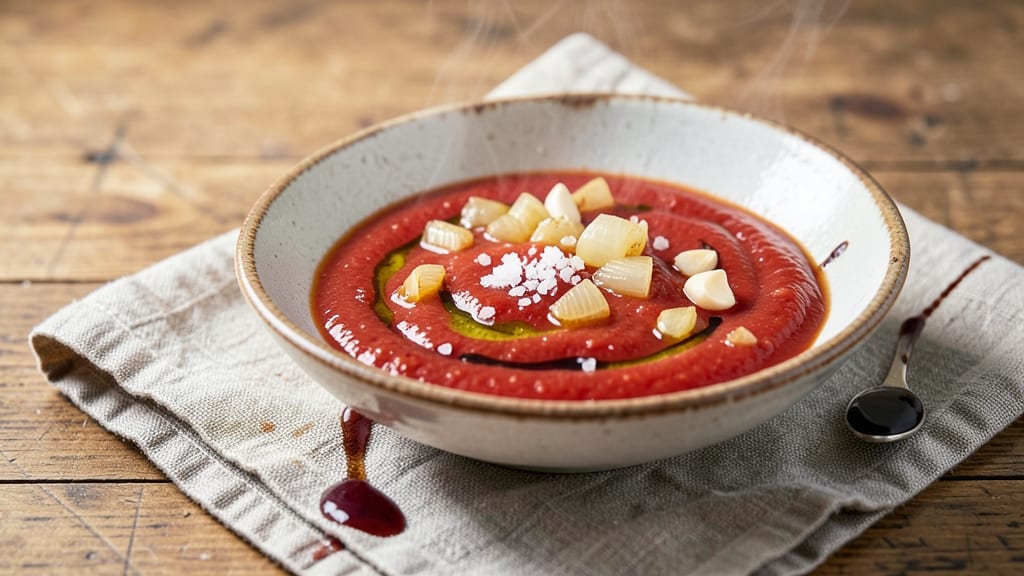
This Barilla marinara sauce recipe delivers restaurant-quality depth in just 30 minutes, transforming simple canned tomatoes into a velvety, flavorful sauce perfect for pasta, pizza, or dipping.
The secret lies in simmering Barilla tomato sauce with aromatics until the flavors meld into a rich, concentrated base—no fancy techniques required, just patience and a few key ingredients.
What sets this marinara apart is the balance of acidity and sweetness, achieved by combining Barilla tomato sauce with a touch of sugar and a splash of red wine vinegar.
Aromatics like garlic and onion build the foundation, while fresh basil added at the end brightens the sauce without overpowering its natural tomato flavor. The result is a sauce that’s smooth yet vibrant, with just the right amount of body for coating noodles or topping bruschetta.
This recipe is versatile enough for everyday meals but sophisticated enough for company—think weeknight dinners or Sunday family gatherings. The sauce thickens beautifully as it simmers, creating a glossy, clingy consistency that clings to pasta perfectly.
Plus, it stores well in the fridge for up to a week, making it a perfect make-ahead option for busy cooks.
For those who love to experiment, try adding a pinch of red pepper flakes for heat or a sprinkle of dried oregano for extra depth.
The beauty of this marinara is its adaptability—whether you stick to the classic version or tweak it to your taste, you’ll end up with a sauce that tastes homemade, not store-bought. Let’s get started!
Ingredients for barilla marinara sauce
Nine simple ingredients transform canned tomatoes into restaurant-quality marinara sauce.
| Ingredient | Amount | Notes |
|---|---|---|
| Barilla Tomato Sauce (28 oz can) 🍅 | 1 can | San Marzano tomatoes preferred |
| Extra-Virgin Olive Oil 🫒 | ¼ cup | High-quality, fruity variety |
| Yellow Onion 🧅 | 1 whole | Finely diced, sweet variety |
| Garlic Cloves 🧄 | 4 cloves | Fresh, minced for depth |
| Granulated Sugar 🍚 | 1 tbsp | Balances acidity perfectly |
| Red Wine Vinegar 🍷 | 1 tbsp | Brightens flavor profile |
| Fresh Basil Leaves 🌿 | ¼ cup | Packed, torn by hand |
| Dried Oregano 🌿 | ½ tsp | Mediterranean variety |
| Sea Salt 🧂 | 1 tsp | Diamond Crystal preferred |
| Black Pepper 🌶️ | ¼ tsp | Freshly cracked |
The Barilla can is non-negotiable here—San Marzano tomatoes elevate the sauce with their natural sweetness and depth. Grab the 28-ounce can from the Italian aisle at Whole Foods or Trader Joe's for the best quality. Fresh basil is ideal, but if you're using dried, half the amount works fine. For the olive oil, California avocado oil or Italian extra-virgin adds a fruity note that stands up to the tomatoes. The garlic and onion should be cooked low and slow to develop their flavors without burning—don't rush this step.
No red wine vinegar? Balsamic vinegar at half the amount works in a pinch, though it adds a slightly sweeter note. Short on sugar? A splash of tomato paste (1 tbsp) gives similar balance. The dried oregano can be swapped for fresh oregano at double the amount, but it loses its concentrated flavor quickly. For a smoky twist, add 1/4 tsp smoked paprika with the oregano. If you're making this ahead, the sauce actually tastes better the next day as the flavors meld—double the batch and freeze half for later.
This sauce keeps beautifully in the fridge for up to 1 week in an airtight container, with a thin layer of olive oil on top to preserve freshness. For longer storage, portion into ice cube trays, freeze, then transfer to a bag—perfect for 3-month freezer life. The basil wilts fast, so add it fresh at the very end. If you're using this for pasta, toss in a splash of pasta water to loosen the sauce before serving. Leftovers reheat perfectly—just add a splash of water if it thickens too much.
Why You'll Love This Recipe
- Pantry-to-Pot Magic: I swear by this recipe because it starts with a single can of Barilla—no fancy prep, no peeling mountains of tomatoes. Just open, simmer, and let the olive oil and garlic work their magic while you chop an onion in under five minutes.
- Sweet-Savory Balance: That little pinch of sugar? It’s the secret weapon. The Barilla’s acidity softens just enough to let the caramelized onions and garlic shine, while the sugar rounds out the bitterness. Honestly, it’s the kind of sauce that makes you pause mid-bite.
- Game for Any Night: Toss it with spaghetti for a weeknight, ladle it over grilled chicken for a Sunday supper, or even use it as a pizza base when you’re craving something hands-off. Between us, I’ve served it at everything from game nights to lazy Saturdays.
- Leftovers That Save Me: This sauce keeps for days in the fridge, and it only gets better as the flavors meld. I make a double batch on Sundays—enough for pasta one night, baked ziti the next, and a quick marinade for steak another. Budget-friendly? Absolutely. Stress-free? Even more so.
Step-by-step instructions for simmered marinara sauce
This classic marinara comes together faster than you'd think—just 30 minutes of hands-off simmering.
Sauté Onion and Garlic Until Translucent
Heat the 0.25 cup extra-virgin olive oil in a medium saucepan over medium heat. Add the finely diced yellow onion and cook for 5-6 minutes, stirring occasionally, until completely soft and translucent. You'll know it's ready when the onion releases its sweet aroma and loses its raw bite.
Reduce heat to medium-low and add the 4 minced garlic cloves. Cook for 30-60 seconds until fragrant—don't let it brown or it'll turn bitter. The garlic should melt into the onions, creating a flavorful base for your sauce. Here's where the magic starts: these aromatics form the foundation of every great marinara.
Add Vinegar, Sugar, and Seasonings
Pour in the 1 tablespoon red wine vinegar and 1 tablespoon granulated sugar, stirring to combine. The vinegar brightens the sauce while the sugar balances its acidity—this is what gives authentic marinara that perfect sweet-savory balance. Let the mixture simmer for 2 minutes until slightly reduced.
Add the 0.5 teaspoon dried oregano, 1 teaspoon sea salt, and 0.25 teaspoon black pepper, stirring well to distribute the seasonings evenly. At this point, you're building layers of flavor that will develop beautifully during the simmer. I like to taste the mixture now—it should be tangy, slightly sweet, and aromatic, with no raw onion or garlic flavor remaining.
Incorporate the Tomato Sauce
Pour in the 1 can Barilla tomato sauce, stirring to combine with the onion mixture. The sauce should coat the back of a spoon but still be loose enough to stir easily. Bring the mixture to a gentle boil over medium-high heat, then immediately reduce heat to low to maintain a steady simmer. This prevents the sauce from boiling over while allowing the flavors to meld.
Here's the key: let the marinara simmer uncovered for 20-25 minutes, stirring occasionally. You're looking for a sauce that thickens slightly but remains smooth and glossy. If it gets too thick, add 1-2 tablespoons water to loosen it. The sauce should reduce just enough to concentrate the flavors without becoming pasty.
Finish with Fresh Basil and Adjust Seasoning
Remove the saucepan from heat and stir in the 0.25 cup fresh basil leaves, torn by hand. The basil adds a bright, herbal note that freshens the sauce and cuts through the richness. Let the basil steep in the warm sauce for 5 minutes, then taste and adjust seasoning if needed—you might need a pinch more salt or a crack of pepper to balance the flavors.
For the best texture, I like to blend the sauce briefly with an immersion blender (about 10 seconds) to achieve a silky consistency. If you prefer a rustic texture, simply stir well and leave it chunky. Serve immediately over pasta or store in an airtight container in the refrigerator for up to 5 days—it only gets better with time as the flavors deepen.
Pro Tips For Making Barilla Marinara Sauce
- Sweat, Don’t Burn the Onion: I learned this the hard way—low heat is your friend here. The onion should release its sweetness and soften without turning gray or bitter, which happens fast on high. If you’re impatient (like me), keep the heat at a gentle simmer and stir every 30 seconds.
- Crush Garlic, Don’t Mince It: Minced garlic burns in seconds, turning bitter and ruining the sauce’s bright flavor. Instead, smash 3-4 cloves with the flat side of your knife before adding them whole to the pot. They’ll infuse flavor without overpowering.
- Salt the Barilla Early: The canned sauce is already salty, but it’s not enough—trust me. Add 1 teaspoon of salt right when you open the can and stir it in before heating. This balances the acidity better than throwing it in later.
- Simmer, Don’t Boil: After combining everything, keep the sauce at a gentle bubble, not a rolling boil. Boiling skims off the natural oils and concentrates the acidity, making the sauce taste harsh. A steady simmer for 15-20 minutes lets the flavors meld without losing texture.
Wine and beer pairings for these flavors
Classic Italian Reds
For this bright, acidic marinara, I always reach for a crisp Chianti Classico from Tuscany—its medium body and bright acidity mirror the sauce's tangy-sweet balance. Look for a Sangiovese-based wine like Castello di Volpaia Chianti Classico ($25-$35).
The earthy cherry notes complement the tomato's natural sweetness without overpowering it. Serve slightly chilled to enhance the wine's freshness and cut through the richness of pasta dishes. 🍷
Light White Wines
A Vermentino from Sardinia or a Pinot Grigio from Alto Adige works beautifully with this marinara, especially when paired with seafood or grilled vegetables. I love Cantina Mesina Vermentino ($12-$18) for its citrusy brightness that cleanses the palate between bites.
Avoid heavy whites like Chardonnay—they'll make the sauce taste flat by comparison. Keep the wine at 45-50°F for optimal pairing.
Craft Beer Pairings
For beer lovers, a Belgian witbier like Hoegaarden ($10-$14) adds a refreshing contrast with its coriander and citrus notes. Alternatively, try a German Helles Lager such as Weihenstephaner Original ($6-$10)—its subtle malt sweetness balances the sauce's acidity.
Avoid hoppy IPAs or malty stouts, which will clash with the delicate tomato flavors. Serve the beer ice-cold to highlight its crispness. 🍺
Unexpected Twists
Want to get creative? Pair your marinara with a sparkling rosé like La Vieille Ferme ($15-$20) for a festive touch. The bubbles cut through the sauce's richness while the berry notes add a fruity contrast.
For a non-alcoholic option, try a sparkling blood orange soda—the effervescence and citrus brighten the dish without alcohol. This works surprisingly well with bruschetta or as a marinara dipping sauce.
Red Wine Vinegar Substitute
If you're pairing with wine, consider using the same type of wine you're drinking to deglaze your pan instead of vinegar. For example, if you're serving Chianti, add 1 tbsp reduced Chianti to the sauce instead of vinegar—it deepens the flavor profile and creates a harmonious pairing.
Just reduce the wine to ½ its volume before adding to avoid thinning the sauce too much. This trick elevates both the dish and the drink. ✨
Nutrition facts
Frequently asked questions
Can I use Barilla tomato sauce for other recipes besides marinara?
Barilla tomato sauce is incredibly versatile—use it as a base for lasagna, ravioli filling, or even homemade pizza sauce. For lasagna, simmer it with ricotta and herbs, while for pizza, thin it slightly with water and add garlic and oregano. The canned sauce works great for soup bases too—just reduce it first to concentrate the flavor.
How do I adjust the thickness of this marinara?
If your sauce is too thick, add 1-2 tablespoons water or pasta water while simmering. For a thicker consistency, simmer uncovered for an extra 5-10 minutes to reduce the liquid. Pro tip: If you want a smooth texture, blend it briefly with an immersion blender after simmering. For a rustic look, leave it chunky by stirring well instead.
Can I make this marinara in a slow cooker?
Yes! Follow the same steps but transfer everything to your slow cooker after simmering for 15 minutes on the stovetop. Cook on low for 4-6 hours or high for 2-3 hours, stirring occasionally. The slow cooker deepens the flavors even more—just add fresh basil at the very end. This method is perfect for meal prep since it keeps well for up to a week.
What if I don’t have fresh basil?
No problem! Use ½ teaspoon dried basil instead, but add it with the oregano during simmering—not at the end. For extra depth, try 1 teaspoon dried thyme or ½ teaspoon dried marjoram. If you're using pesto, stir in 1 tablespoon at the end for a fresh twist. The key is balancing the herbs to avoid overpowering the tomato flavor.
Why does my marinara taste too acidic?
Acidity comes from the tomatoes and vinegar—balance it by adding ½ teaspoon more sugar or a pinch of brown sugar while simmering. If it’s still too sharp, stir in 1 tablespoon tomato paste and cook for 2-3 minutes to mellow the flavors. Avoid adding more salt, as it’ll make the acidity more noticeable. Taste as you go!