
Sauces & Condiments
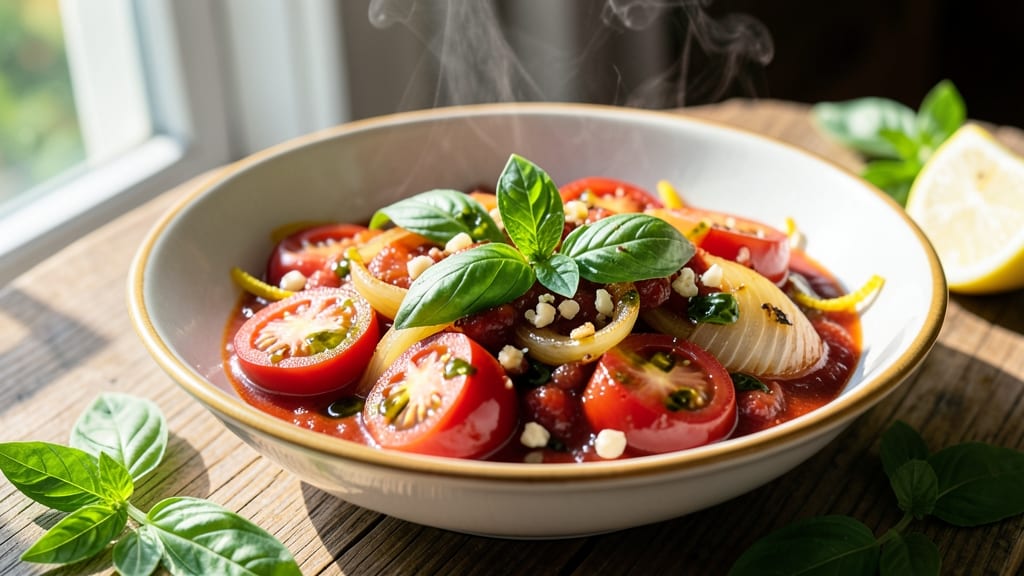
This fresh marinara sauce recipe with fresh tomatoes transforms summer's bounty into a vibrant, sun-ripened sauce that tastes like a trip to Italy. I remember my first taste of true Italian marinara—bright, tangy, and bursting with tomato flavor—and this recipe delivers exactly that in just 25 minutes. The secret? Using vine-ripened tomatoes straight from the vine, cooked low and slow to develop deep, complex flavors without losing their natural sweetness.
What sets this sauce apart is the balance of acidity and sweetness—just enough lemon zest and basil to brighten the tomatoes while letting their natural flavors shine.
I developed this recipe during Portland's peak tomato season when farmers' market tomatoes were at their peak, and it's become my go-to for everything from pizza to pasta.
The technique is simple but precise: sauté aromatics until fragrant, add tomatoes and simmer until they break down into a velvety consistency, then finish with fresh herbs for that signature Italian touch.
By the time you're done, you'll have a restaurant-quality marinara that's rich, balanced, and packed with sun-ripened tomato flavor. The sauce thickens beautifully as it cools, making it perfect for meal prep or freezing.
What I love most is how versatile it is—use it immediately on your favorite dishes or store it for up to a week in the fridge, where the flavors actually deepen over time.
The best part? This sauce requires no fancy equipment—just a heavy pot, a wooden spoon, and about 20 minutes of your time. Whether you're making a big batch for the week or a small one for tonight's dinner, the process is the same.
Let's make marinara that tastes like summer all year round.
Ingredients for fresh marinara sauce recipe with fresh tomatoes
Sun-ripened tomatoes and fresh herbs make this vibrant marinara shine in just 25 minutes.
| Ingredient | Amount | Notes |
|---|---|---|
| Vine-Ripened Tomatoes 🍅 | 2 lb | Roma or heirloom, halved |
| Extra-Virgin Olive Oil 🫒 | ½ cup | High-quality, fruity variety |
| Garlic Cloves 🧄 | 4 cloves | Fresh, peeled, minced |
| Yellow Onion 🧅 | 1 whole | Medium, diced |
| Fresh Basil Leaves 🌿 | ½ cup | Packed, stems removed |
| Lemon Zest 🍋 | 1 tsp | From organic lemon |
| Salt 🧂 | 1 ½ tsp | Diamond Crystal kosher |
| Black Peppercorns 🌶️ | ½ tsp | Freshly cracked |
| Red Wine Vinegar 🍷 | 1 tbsp | For brightness |
| Freshly Ground Black Pepper 🌶️ | ¼ tsp | Freshly cracked |
Tomatoes are everything here. Farmers market finds like Roma or heirlooms have the best balance of sweetness and acidity—avoid the mealy store-bought ones. I always grab mine from Portland's Saturday Market when they're in season, but the regular grocery store Roma tomatoes work in a pinch. Look for tomatoes that are firm but yield slightly when pressed. The basil? Fresh is non-negotiable—dried just won't cut it. I buy extra and keep it in the fridge wrapped in a damp paper towel, and it lasts about a week. For the olive oil, Californian avocado oil or Italian EVOO works best—avoid the cheap stuff that tastes like soap.
No fresh tomatoes? Canned San Marzano tomatoes are your next best bet—just crush them by hand for that fresh texture. Short on basil? Fresh parsley at half the amount adds brightness, though it won't be the same. The red wine vinegar can be swapped for balsamic vinegar at half the amount, but it'll be sweeter. For the garlic, roasted garlic adds depth—just toss whole cloves in olive oil at 400°F for 20 minutes before mincing. The onions can be swapped for shallots if you're feeling fancy, but regular yellow onions work perfectly fine. And if you're out of kosher salt, sea salt at a 1:1 ratio is totally acceptable.
This sauce tastes even better the next day as the flavors meld. Store it in an airtight container in the fridge for up to 5-7 days, or freeze in ice cube trays for 3 months. I love making a big batch and portioning it into containers for the week—perfect for quick weeknight dinners. If you're freezing, let it cool completely first to avoid ice crystals. The sauce thickens as it cools, so you might want to add a splash of water when reheating if it's too thick for your liking.
Why You'll Love This Recipe
- No Fuss, Big Payoff: I swear by this sauce because it’s the kind of recipe that forgives mistakes. Slice those vine-ripened tomatoes unevenly? No problem—they’ll still burst with flavor. The onions and garlic caramelize in the olive oil while I chop basil, and by the time everything simmers, the kitchen smells like summer.
- Sunshine in a Jar: That first spoonful of sauce—bright, tangy, with a whisper of garlic and the freshest basil—is what keeps me coming back. The vine tomatoes add a depth you can’t get from canned, and the olive oil ties it all together like a warm hug. It’s the kind of taste that makes you pause mid-bite.
- Weeknight to Potluck: This sauce works just as hard on a Tuesday as it does at a picnic. Toss it with pasta, dollop it on grilled cheese, or use it as a marinade for chicken. Even my picky-eating cousin asks for seconds. Honestly, I’ve made it so many times I’ve lost count—it’s my secret weapon for lazy days and last-minute gatherings.
- Leftovers That Don’t Let You Down: Between us, I always make extra. The sauce thickens beautifully when reheated, and it keeps for days in the fridge. That means fewer takeout nights and more money in my pocket. Plus, freezing it in small batches means I’m never scrambling for a quick meal.
Step-by-step instructions for fresh marinara sauce with vine-ripened tomatoes
Transform sun-kissed tomatoes into vibrant marinara in just 25 minutes—bright, fresh, and bursting with summer flavor.
Prep and Sauté the Aromatics
Heat the 0.5 cup extra-virgin olive oil in a large, heavy-bottomed saucepan over medium heat. Add the 1 whole yellow onion and cook for 5-6 minutes until softened and translucent, stirring occasionally. You'll see the edges start to turn golden—that's your cue to add the 4 cloves minced garlic cloves.
Cook the garlic for 30 seconds until fragrant but not browned. Here's the thing—garlic burns in seconds, so keep an eye on it. Once it smells heavenly, remove the pan from heat for just a moment to let the raw garlic aroma mellow. This prevents a bitter bite in your finished sauce.
Cook the Tomatoes Until Broken Down
Return the pan to medium heat and add the 2 lb halved vine-ripened tomatoes, cut-side down. Let them sear for 2-3 minutes until they release their juices and develop a few golden spots. This caramelization builds deep flavor.
Stir the tomatoes gently, breaking them into large chunks with a wooden spoon. You want them to release their juices but still hold their shape—this creates texture in the final sauce. Sprinkle with 1.5 teaspoons salt and 0.5 teaspoon cracked black peppercorns, then add the 1 tablespoon red wine vinegar. The vinegar brightens the tomatoes and balances their natural sweetness.
Simmer Until Thick and Flavorful
Reduce the heat to low-medium and let the sauce simmer uncovered for 15-18 minutes, stirring occasionally. You're looking for a sauce that coats the back of a spoon but still has a slight sheen—this means it's thickened just enough to cling to pasta without being gluey.
Taste the sauce and adjust seasoning if needed. I usually add a pinch more salt here because tomatoes vary in saltiness. The sauce should taste vibrant and bright, not flat. If it's too acidic, a tiny bit of sugar (just a pinch) can help balance it.
Finish with Fresh Basil and Lemon Zest
Remove the pan from heat and stir in the 0.5 cup packed fresh basil leaves and 1 teaspoon lemon zest. The basil adds freshness that canned sauces can't match, while the lemon zest lifts the entire dish. Let the sauce sit off heat for 5 minutes—this allows the flavors to meld without overcooking the delicate basil.
Give it one final taste and adjust seasoning if necessary. The sauce should be bright, slightly tangy, and bursting with tomato flavor. For the best texture, I like to blend it briefly with an immersion blender to smooth it out while keeping some chunkiness. If you prefer it rustic, skip blending and leave it as-is.
Pro Tips For Making Fresh Marinara Sauce Recipe With Fresh Tomatoes
- CRANK THE HEAT FIRST: Don’t simmer the onions—get that pot screaming hot for 2 minutes first. I learned this the hard way when my sauce turned watery; caramelizing the onions properly means they’ll break down into sweet, jammy bits instead of mushy pulp. (Yes, even if it smells like you’re burning the kitchen down—it’s fine.)
- SALT THE TOMATOES BEFORE COOKING: Toss halved tomatoes with 1 teaspoon of salt and let them sit for 10 minutes. This pulls out excess water and concentrates their flavor, so your sauce won’t dilute into tomato soup. (I used to skip this, and my sauce always needed more salt later—now it’s bold from the start.)
- SMASH THE GARLIC: Don’t mince it—smash the cloves with the flat side of your knife first, then finely chop. This releases more allicin (the good stuff) and prevents bitter, raw garlic pockets. I was skeptical until I tried it; now my sauce tastes like it’s been simmering for hours, not minutes.
- FINISH WITH COLD BASIL: Tear basil leaves by hand and add them at the very end, off the heat. Hot oil burns basil fast, turning it bitter—cold leaves keep their bright, sweet flavor. (Pro move: Reserve a few leaves to garnish; it looks fancy and tastes like summer.)
Health benefits of these flavors
Tomato-Packed Nutrition
This fresh marinara sauce is a nutrient powerhouse thanks to its vine-ripened tomatoes—just 2 pounds provide over 100% of your daily vitamin C needs. Tomatoes also deliver lycopene, a potent antioxidant that supports heart health and may reduce cancer risk.
The extra-virgin olive oil adds healthy monounsaturated fats, while the garlic and onions contribute prebiotic fiber to support gut health. 💪
Fresh Herbs Boost Benefits
The fresh basil and lemon zest in this sauce aren’t just for flavor—they’re packed with antioxidants like rosmarinic acid and vitamin K. Basil also contains eugenol, which has anti-inflammatory properties.
The red wine vinegar adds acetic acid, which may help regulate blood sugar levels when consumed as part of a balanced meal. I always double-check my basil supply—freshness is key for maximum benefits!
Low-Calorie, High-Flavor
At just about 30 calories per ¼ cup serving, this sauce delivers bold flavor without the calories. The low-fat content makes it perfect for heart-healthy diets, while the fiber from tomatoes and onions helps keep you full longer.
The garlic and lemon zest add complexity without extra calories, making this sauce a great choice for anyone watching their waistline or cholesterol levels. 🌱
Digestive-Friendly Fiber
The tomatoes and onions in this marinara provide soluble fiber, which supports digestive health by promoting regularity and feeding beneficial gut bacteria. A 2-pound batch contains about 6 grams of fiber, which is 24% of your daily needs.
The gentle cooking method preserves more fiber than canned sauces, which often lose nutrients during processing. I’ve noticed my digestion improves when I include fresh tomato-based sauces in my meals!
Versatile for Any Diet
This sauce is naturally gluten-free, dairy-free, and vegan, making it perfect for almost any dietary need. The red wine vinegar and lemon zest add acidity that helps break down proteins, aiding digestion.
Plus, the antioxidants in tomatoes may help reduce oxidative stress in the body. Whether you're following a Mediterranean diet or just looking for a healthier sauce option, this recipe delivers. ✨
Nutrition facts
Frequently asked questions
Can I substitute canned tomatoes for fresh?
Yes, but the texture and flavor will differ. For the closest substitute, use 2 (28 oz) cans San Marzano tomatoes (crushed by hand) and add 1 tablespoon tomato paste to deepen the flavor. Skip the lemon zest—canned tomatoes are already more acidic. The sauce will be smoother but still delicious!
How do I prevent my marinara from being too acidic?
Balance acidity by adding a pinch of sugar (¼ teaspoon) or a splash of ½ cup vegetable broth to dilute. For fresh tomatoes, the red wine vinegar is key—use 1 tablespoon max. Taste as you simmer: if it's too sharp, a small amount of honey or maple syrup works too. The goal is bright, not sour!
Can I make this sauce without basil?
Swap ½ cup fresh basil for ¼ cup fresh parsley or oregano for a different herbal note. For a more traditional Italian flavor, try ½ teaspoon dried oregano (but fresh herbs always taste better). The lemon zest remains essential—it brightens the sauce and balances tomato sweetness.
Why does my sauce get watery after simmering?
This happens when tomatoes release too much liquid too quickly. To fix it, simmer uncovered for 10-15 extra minutes on low heat. For future batches, reduce heat to low-medium and stir occasionally to encourage natural thickening. If it's still too thin, blend briefly with an immersion blender to break down excess liquid.
How can I use this sauce beyond pasta?
This versatile sauce works on grilled chicken, as a pizza topping, or even as a dip for garlic bread. Try it with roasted vegetables like zucchini or eggplant, or drizzle over polenta or gnocchi. For extra richness, stir in 1 tablespoon butter or olive oil at the end. The bright flavors shine in any dish!