
Sauces & Condiments
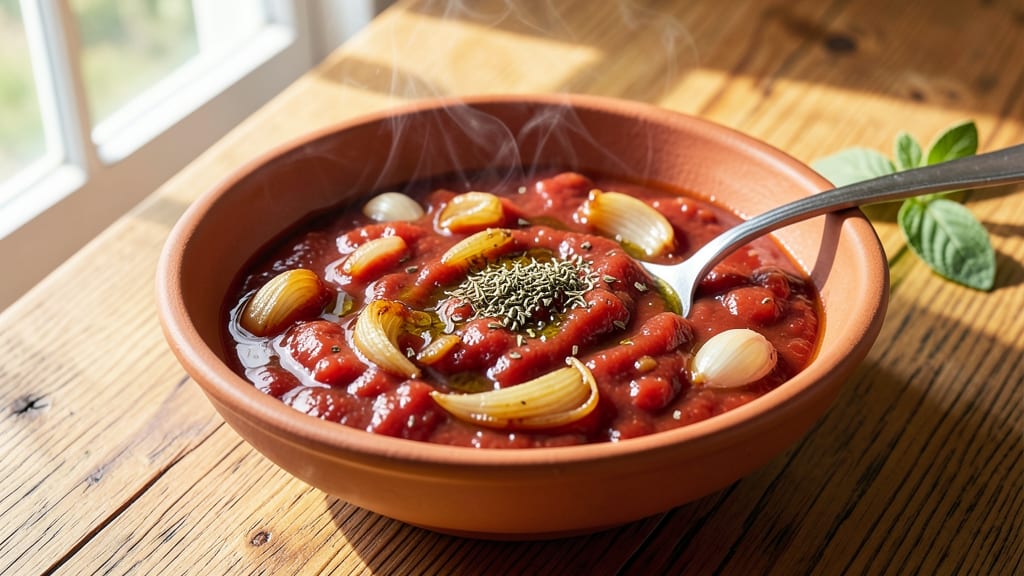
Ina Garten's Barefoot Contessa spaghetti sauce transforms simple pantry staples into restaurant-worthy tomato magic with just a few hours of slow simmering. The secret lies in building layers of flavor—caramelized onions, toasted garlic, and sun-ripened tomatoes meld into a velvety, aromatic sauce that's impossible to resist.
This isn't just sauce; it's the foundation of a meal that feels like a Sunday supper, even on a weeknight.
What sets this sauce apart is the technique: a long, gentle simmer that allows flavors to deepen and intensify. You'll start with fresh basil and aromatic herbs, then let them infuse the sauce until the edges are just beginning to brown—this is where the real magic happens.
The result is a sauce that's rich yet balanced, with bright acidity from tomatoes and earthy depth from the aromatics. It's the kind of sauce that makes you want to eat it straight from the pot.
This recipe delivers foolproof results every time, with minimal effort and maximum reward. The ingredients are simple—tomatoes, garlic, onions, herbs—but the method transforms them into something extraordinary. Whether you're feeding a family or meal prepping for the week, this sauce keeps beautifully and only gets better with time.
The fresh basil at the end adds that signature Barefoot Contessa touch, brightening each spoonful with vibrant green flecks.
Perfect for pairing with al dente spaghetti, crusty bread, or even as a marinade for grilled meats. The sauce's versatility means it works just as well in lasagna or as a topping for baked ziti.
Let's get started on creating your new go-to spaghetti sauce—one that will have everyone asking for seconds.
Ingredients for barefoot contessa spaghetti sauce
Simple pantry staples elevate to restaurant-quality tomato magic with slow simmering.
| Ingredient | Amount | Notes |
|---|---|---|
| Extra-Virgin Olive Oil 🫒 | ½ cup | High-quality, fruity variety |
| Yellow Onions 🧅 | 2 whole | Medium-sized, finely chopped |
| Garlic Cloves 🧄 | 6 cloves | Peeled, minced finely |
| San Marzano Tomatoes 🍅 | 28 oz | Canned, crushed or whole |
| Tomato Paste 🍅 | 6 oz | Canned, unsweetened |
| Dried Oregano 🍃 | 1 tbsp | Italian variety preferred |
| Dried Basil 🌿 | 1 tbsp | Or 0.25 cup fresh |
| Salt 🧂 | 1 ½ tsp | Diamond Crystal kosher |
| Black Pepper 🌶️ | ½ tsp | Freshly ground preferred |
| Red Wine 🍷 | ½ cup | Dry, bold variety |
| Fresh Basil Leaves 🌿 | ¼ cup | Torn, for finishing |
The tomatoes are the heart of this sauce—San Marzano is ideal, but any high-quality canned tomatoes work. Look for brands with minimal additives. Costco or Trader Joe's often carry excellent options in bulk. Fresh basil? Farmers markets have the best quality, but grocery store containers work too—just check for vibrant green leaves. The olive oil should be fruity and peppery; California or Italian brands typically deliver. Don't skimp on the garlic—it's the aromatic backbone here, so freshly minced makes all the difference.
No San Marzano? Any crushed tomatoes will do—just taste and adjust seasoning. Dried basil? Use half the amount of fresh, but Italian or Mediterranean blends work best. Running low on red wine? Dry white wine or extra vegetable broth keeps the depth. The tomato paste can be substituted with extra crushed tomatoes if needed—just reduce the overall liquid slightly. For a meatier flavor, add 1/4 cup finely chopped mushrooms or 1/2 cup cooked lentils.
This sauce only gets better with time—3-4 days in the fridge is perfect. For longer storage, freeze in glass jars with room to expand. Portion into ice cube trays for single-use portions. The fresh basil should be added just before serving—it wilts quickly when cooked. If you make a big batch, freeze half immediately; the flavor develops beautifully over time.
Why You'll Love This Recipe
- No-Chop Nightmare: That onion and garlic combo? I just pulse them in the food processor—no tears, no mess. The San Marzano tomatoes take over from there, and honestly, the paste caramelizes into this rich, velvety base without any fuss.
- Umami Bomb: Between us, that tomato paste and slow-simmered garlic create a depth you won’t find in jarred sauce. The olive oil finish? Pure satisfaction—like a hug for your taste buds when the pasta hits your plate.
- Weeknight to Potluck: I make a double batch on Sundays, freeze half, and boom—weeknight dinners are covered. But here’s the kicker: it’s just as welcome at a casual family dinner as it is at a holiday spread (yes, even on a Tuesday night).
- Fridge Hero: This sauce actually improves after a day or two—better flavor, richer texture. I’ll be real: my kids now ask for leftovers over fresh, and I’m not complaining about the grocery bill stretching further than usual.
Step-by-step instructions for slow-simmered tomato sauce
This classic method delivers rich, balanced flavors through careful layering and patience.
Sauté Onions Until Translucent
Heat the 0.5 cup extra-virgin olive oil in a large Dutch oven over medium heat. Add the 2 whole yellow onions, chopped into ¼-inch dice, and cook for 8-10 minutes until completely soft and golden. Stir occasionally to prevent browning—you're looking for onions that look like wet silk rather than crispy bits.
I press down gently with a wooden spoon during the last 2 minutes to help break down the onion fibers. This ensures they melt completely into the sauce rather than remaining as distinct pieces. If the onions start to brown too quickly, reduce the heat slightly—you want them to cook through without color.
Add Garlic and Tomato Paste
Push the onions to one side of the pot and add the 6 cloves minced garlic to the empty space. Cook for 30 seconds until fragrant—you'll smell that unmistakable garlic aroma. Then stir to distribute it evenly among the onions.
Lower the heat to medium-low and add the 6 oz tomato paste, stirring constantly for 2 minutes until it dissolves completely. The paste will darken slightly as it melts, creating a deep, concentrated base for your sauce. This step builds the sauce's body and prevents the final product from being too watery.
Deglaze with Red Wine
Pour in the 0.5 cup red wine and scrape up any browned bits from the bottom of the pot with a wooden spoon. These bits are packed with flavor—don't miss them. Let the wine simmer for 3-4 minutes until it reduces by half and the alcohol smell disappears completely.
Here's where the sauce starts to come together. The wine's acidity cuts through the richness of the tomato paste, creating balance. If you taste the sauce now, you'll notice it's already developing depth—this is the foundation that will carry through the entire cooking process.
Build the Sauce with Tomatoes and Herbs
Add the 28 oz San Marzano tomatoes, 1 tbsp dried oregano, 1 tbsp dried basil, 1.5 tsp salt, and 0.5 tsp black pepper. Stir well to combine, then bring to a gentle boil. Once boiling, reduce heat to low and let it simmer uncovered for 45-60 minutes, stirring occasionally.
The sauce will thicken gradually as moisture evaporates. I stir every 10-15 minutes to prevent sticking, but avoid over-stirring—this can break down the tomato fibers and make the sauce too smooth. You'll know it's ready when it coats the back of a spoon and has reduced to your desired consistency.
Finish with Fresh Basil and Rest
Remove the sauce from heat and stir in the 0.25 cup fresh basil leaves, torn by hand. Let it sit for 5 minutes to allow the flavors to meld. The fresh basil adds a bright, aromatic finish that dried basil can't replicate.
Taste and adjust seasoning if needed—this is your final opportunity to balance the flavors. The sauce should be rich but not overpowering, with bright acidity from the tomatoes and subtle herbal notes. For best results, let the sauce rest for at least 30 minutes before serving. This allows the flavors to develop fully and the sauce to thicken slightly more.
Pro Tips For Making Barefoot Contessa Spaghetti Sauce
- SWIM THE ONIONS: I learned this the hard way—when you sweat onions for Barefoot Contessa sauce, they should cook low and slow in the olive oil until they’re translucent but not browned. Too much heat turns them bitter, and you’ll taste it in every bite. Keep the pan on medium-low, stir often, and resist the urge to rush.
- CRUSH GARLIC LIKE IT’S 1950: Skip the mincer—smash those garlic cloves with the flat side of your knife first. Then, finely chop them while they’re still whole (not pre-crushed). This keeps the flavor intense and prevents it from turning bitter in the long simmer. Your sauce will thank you.
- STIR THE PASTE: After adding the tomato paste to the onions, give it a solid 2 minutes of stirring on medium heat. This ensures it fully dissolves and coats the onions, creating that deep, rich base the recipe depends on. I used to skip this, and the sauce always tasted thin and one-dimensional.
- SAVE THE SEEDS: When you crush the San Marzano tomatoes, don’t toss the seeds—reserve them in a small bowl. Stir them back in at the very end for a subtle but noticeable brightness. It’s a tiny detail, but it makes the sauce taste fresher, like it was made yesterday. (Yes, even if you’re prepping ahead.)
Storing and reheating this dish
Fridge Storage Tips
Transfer your sauce to airtight glass containers (I love Ball mason jars) within 2 hours of cooking to preserve freshness. Store in the fridge at 40°F or below for up to 4 days—the flavors actually deepen over time.
The sauce will thicken slightly as it cools, so you may want to add 1-2 tablespoons of water when reheating if it becomes too stiff. Always leave ½-inch headspace to prevent spillage when the sauce expands.
Freezer Magic
For longer storage, freeze in quart-sized glass jars or silicone ice cube trays (perfect for single servings). Leave 1-inch headspace to account for expansion—liquids expand when frozen. Label with the date and store for up to 3 months.
The sauce maintains its rich texture when thawed properly, though you may need to add 1-2 tablespoons of water or broth after reheating to restore consistency. 🧊
Reheating Perfection
For stovetop reheating, transfer sauce to a heavy-bottomed saucepan and warm over medium-low heat for 10-15 minutes, stirring occasionally. Add 2-3 tablespoons of water or broth if the sauce thickens too much.
Never boil—this can break down the tomato fibers and make the sauce mushy. For microwave reheating, use 50% power in 1-minute intervals, stirring between each, until heated through to 165°F.
Sauce Refresh Tricks
If your refrigerated sauce tastes flat after reheating, revive it by adding 1 teaspoon of red wine vinegar or 1 clove of minced garlic while warming. For extra richness, stir in 1 tablespoon of butter or 1 teaspoon of olive oil at the end.
The fresh basil should always be added after reheating—it wilts quickly when cooked. A sprinkle of freshly grated Parmesan on top just before serving adds that final restaurant-quality touch. 💫
Portion Control Hacks
Divide the sauce into single-serving portions before freezing for easy grab-and-go meals. Use silicone muffin molds or ice cube trays—each cube makes one perfect serving over pasta. For meal prep, portion into small glass jars with 1 cup of sauce per jar, leaving room for expansion.
Label with the date and reheat only what you need to maintain peak flavor. This method keeps your freezer organized and your meals fresh. ✨
Sauce Longevity Secrets
The longer you store this sauce, the deeper the flavors become—3-4 days in the fridge is ideal for maximum richness. If freezing, glass containers are best as they prevent freezer burn better than plastic.
After thawing, stir in 1 teaspoon of lemon juice to brighten flavors if needed. Remember, the fresh basil should be added only after reheating—it's what gives this sauce its signature Barefoot Contessa finish. 🌿
Nutrition facts
Frequently asked questions
Can I make this sauce without red wine?
The wine adds depth, but you can substitute ½ cup dry white wine or ½ cup vegetable broth for a similar effect. For a non-alcoholic version, use ½ cup tomato juice plus 1 teaspoon red wine vinegar to maintain acidity. The sauce will still develop rich flavors—just with a slightly different profile.
How do I adjust the thickness of the sauce?
If your sauce is too thin, simmer uncovered for 10-15 more minutes to reduce it further. For a thicker sauce, add 1-2 tablespoons of tomato paste while simmering. If it becomes too thick after cooling, thin with 1-2 tablespoons of water or broth when reheating. The key is patience—rushing the simmering can make the sauce watery.
What's the best way to use up leftover sauce?
This versatile sauce works beautifully in lasagna, manicotti, or as a marinade for grilled chicken. Freeze portions in ice cube trays for easy single servings, or blend with 1 cup ricotta cheese and ½ cup grated Parmesan for a quick alfredo-style sauce. The flavors only get better with time, so don't hesitate to experiment!
Can I make this sauce in a slow cooker?
Yes! Follow the same steps for sautéing onions and garlic, then transfer everything to a 6-quart slow cooker. Cook on low for 6-8 hours or high for 3-4 hours, stirring occasionally. The slow cooker method is perfect for hands-off prep, though you may need to add 1-2 tablespoons of water if it reduces too much. The flavors will develop just as deeply.
Why does my sauce taste bland after reheating?
Reheating can mute flavors, but you can easily revive it! Add 1 teaspoon of red wine vinegar or 1 clove of minced garlic while warming. For extra brightness, stir in 1 tablespoon of butter or 1 teaspoon of olive oil at the end. Always add fresh basil after reheating—it wilts quickly when cooked. A sprinkle of freshly grated Parmesan also adds a restaurant-quality finish.