
Sauces & Condiments
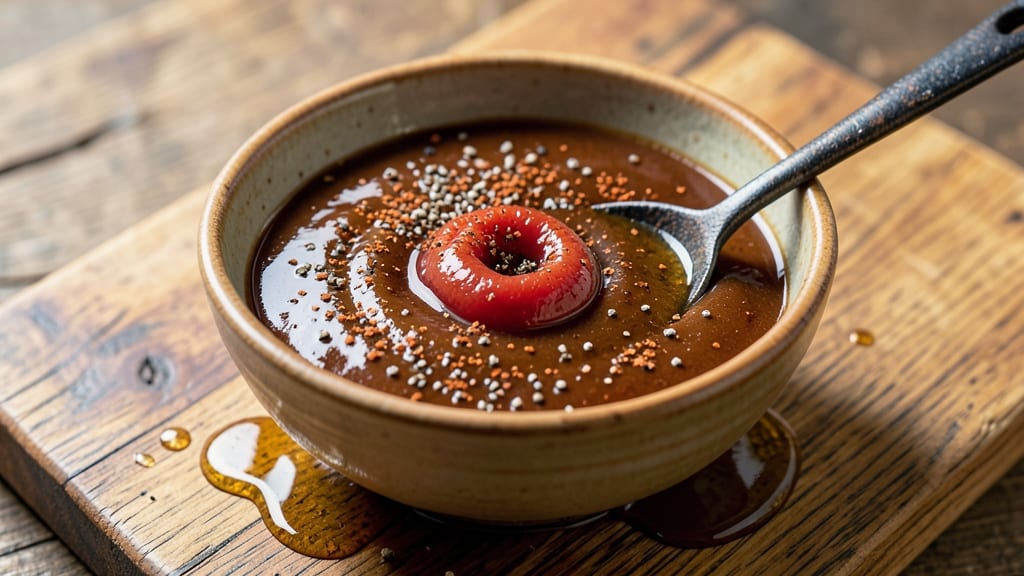
This barbecue basting sauce recipe transforms your grill game with a smoky-sweet glaze that locks in flavor while creating irresistible caramelized crusts. 🔥 The key lies in balancing tomato-based richness with vinegar's tang and a touch of molasses for depth—perfect for basting ribs, chicken, or steak during cooking.
What sets this sauce apart is its high-smoke-point stability, ensuring it won’t burn when exposed to direct heat.
The foundation starts with a blend of ketchup and tomato paste for that classic BBQ backbone, then brightened with apple cider vinegar and brown sugar. A dash of smoked paprika and garlic powder adds that unmistakable smoky aroma, while a splash of Worcestershire sauce brings umami complexity.
The sauce thickens just enough to cling beautifully, creating a sticky, flavorful crust every time you baste.
What you’ll achieve is meat that’s juicy, tender, and packed with layers of flavor—the kind that makes your guests ask for the recipe. This sauce works equally well for slow-smoked brisket or quick grilled chicken, adapting to any cooking method while delivering restaurant-quality results at home.
The best part? It’s ready in just 15 minutes and keeps well in the fridge for up to two weeks.
Use it as a basting sauce during cooking or as a finishing glaze after the meat comes off the grill. Pair it with your favorite BBQ rub for an extra flavor boost, or serve it alongside grilled vegetables for a complete meal.
The versatility makes it a must-have for any grilling enthusiast.
Ingredients for barbecue basting sauce
Nine simple ingredients blend into a sauce that'll make your grill game legendary.
| Ingredient | Amount | Notes |
|---|---|---|
| Ketchup 🍅 | 1 cup | High-quality, not watered-down |
| Tomato Paste 🍅 | 2 tbsp | Squeeze tube for easy use |
| Apple Cider Vinegar 🍏 | ¼ cup | Unfiltered for best flavor |
| Brown Sugar 🍚 | ½ cup | Light or dark variety |
| Molasses 🍯 | 2 tbsp | Unsulphured preferred |
| Smoked Paprika 🌶️ | 1 tbsp | For authentic smoky flavor |
| Garlic Powder 🧄 | 1 tsp | Freshly ground preferred |
| Worcestershire Sauce 🫒 | 1 tbsp | Vegan version if needed |
| Black Pepper 🌶️ | ¼ tsp | Freshly cracked |
| Salt 🧂 | ½ tsp | Kosher or sea salt |
The ketchup and tomato paste form the backbone—Heinz or Hunt's are solid choices, but avoid the watery brands. Apple cider vinegar should be unfiltered for that extra depth of flavor. I grab mine from Trader Joe's or Whole Foods—both have great options. Molasses is where the magic happens: unsulphured gives you that rich, caramel-like sweetness without any weird aftertaste. Smoked paprika? Penzeys sells the best, but any quality brand works—just don't skimp on this one.
No Worcestershire sauce? Soy sauce plus a pinch of sugar gets you close. Running low on molasses? Maple syrup at half the amount works in a pinch. The brown sugar can be swapped for white sugar plus a dash of cinnamon if you're out. Looking for extra smokiness? Add a pinch of liquid smoke—just don't overdo it. The sauce thickens as it cooks, so if you want it runnier for basting, add 1-2 tbsp water at the end. Trust me, this sauce reheats beautifully—just stir in a splash of water if it gets too thick.
This sauce keeps for 2 weeks in the fridge, sealed tight in a jar. Freeze portions for up to 6 months if you're making a big batch. I always double the recipe—one for the grill, one for leftovers. The flavors actually get better after a day or two as everything melds together. Store it in a glass jar with a tight lid to keep it fresh. And if you're grilling a crowd, this sauce is your secret weapon—everyone will ask for the recipe.
Why You'll Love This Recipe
- Pantry Magic: I swear by this sauce because it uses stuff I already have—no fancy shopping trips. Open the cabinet, grab the ketchup and molasses, and boom—you’re halfway there.
- Sweet-Smoky Balance: That molasses and brown sugar combo? It’s chef’s kiss—deep, caramelized richness with a tangy vinegar kick. Slather it on ribs or chicken, and every bite sings.
- Double-Duty Sauce: Make a big batch and use it for everything: grilled veggies, slow-cooker pulled pork, even as a glaze for roasted potatoes. Honestly, I’ve lost track of how many ways I’ve repurposed it.
- No-Waste Winner: A little goes a long way, so I end up with leftovers that taste even better the next day. Stash it in the fridge for last-minute BBQ emergencies—trust me, your taste buds will thank you.
Step-by-step instructions for smoky-sweet barbecue basting sauce
Here's how to make a rich, flavor-packed sauce that'll transform your grilling game.
🍳 Step 1: Combine Wet Ingredients in a Saucepan
In a medium saucepan over medium heat, pour in the 1 cup ketchup, 2 tablespoons tomato paste, and ¼ cup apple cider vinegar. Stir constantly for 3-4 minutes until everything is fully incorporated and begins to simmer gently. The vinegar will make the mixture bubble slightly—this is normal and helps dissolve the tomato paste completely.
Here's the thing—don't rush this step. You want all the ingredients to blend smoothly before adding anything else. If you see any tomato paste clumps, use a whisk to break them up completely. The sauce should look like a thick, glossy liquid with no lumps remaining.
🔥 Step 2: Add Sweet and Smoky Elements
Reduce the heat to low and stir in the ½ cup brown sugar, 2 tablespoons molasses, and 1 tablespoon smoked paprika. Let the mixture simmer for 5-6 minutes while stirring occasionally. You'll notice the sugar starts to dissolve and the sauce becomes even thicker and glossier.
This is where the magic happens—the smoky paprika and deep molasses flavors meld with the sweetness. You'll smell that incredible barbecue aroma developing. If you notice any sugar crystals forming at the bottom, give it a good stir to dissolve them completely. The sauce should coat the back of a spoon smoothly by this point.
🍳 Step 3: Season and Simmer to Perfection
Add the 1 teaspoon garlic powder, 1 tablespoon Worcestershire sauce, ¼ teaspoon black pepper, and ½ teaspoon salt. Stir well to combine, then increase the heat to medium-low and let the sauce simmer for another 8-10 minutes. You're looking for a sauce that's thick enough to coat the back of a spoon but still pourable.
Taste and adjust seasoning if needed—this is your chance to fine-tune the balance. Need more sweetness? Add a pinch of sugar. Want more tang? A splash of vinegar. The sauce should be rich, smoky, and perfectly balanced between sweet and tangy. If it thickens too much during simmering, you can thin it with a few teaspoons of water or apple cider vinegar.
⏰ Step 4: Cool and Store for Maximum Flavor
Remove the saucepan from heat and let the sauce cool for 5 minutes. This resting period allows all the flavors to meld completely. For best results, transfer the sauce to a clean jar or airtight container. The sauce will continue to thicken as it cools—this is normal and actually improves the texture.
This sauce keeps well in the refrigerator for up to 2 weeks, so you can make a big batch for all your grilling sessions. When you're ready to use it, simply reheat it gently on the stove or in the microwave until warm. The sauce should be thick enough to stick to your meat but still drizzle easily when brushed on. That's your perfect basting consistency!
Pro Tips For Making Barbecue Basting Sauce
- Simmer Low and Slow: After burning three batches of sauce, I finally figured out that medium-low heat is your friend here—especially when mixing tomato paste. Too hot, and you’ll end up with a bitter, scorched mess. Let it bubble gently for at least 15 minutes to blend flavors evenly.
- Stir the Tomato Paste: I used to just dump the paste in and walk away. Big mistake. Whisk it into the ketchup first—before adding liquids—to break up clumps and avoid that weird grainy texture. Sounds weird, but it works.
- Balance the Vinegar: Apple cider vinegar adds tang, but too much turns your sauce into a mouthful of pucker. Start with 2 tablespoons, taste, then adjust. If it’s too sharp, a pinch of brown sugar or molasses will smooth it out—just don’t overdo it.
- Skip the Cheap Molasses: I was skeptical until I tried it: using unsulphured molasses (the good stuff) makes a real difference in depth of flavor. It’s pricier, but it’s the thing that matters most when you’re basting ribs or brisket. Trust me, your sauce will taste richer.
Essential equipment for this recipe
Medium Saucepan
A 3-quart stainless steel saucepan is my go-to for this recipe—it gives enough room to stir without splattering while maintaining even heat distribution. I love the All-Clad Stainless Steel Saucepan for its durability and heat control, but any quality brand like Cuisinart or Calphalon works perfectly.
The key is to avoid non-stick pans for this sauce since you want some caramelization on the bottom for deeper flavor. 🔥
Whisk for Smooth Blending
Use a balloon whisk or flat whisk to combine ingredients smoothly, especially when dissolving the tomato paste and sugar. I prefer OXO Good Grips because the silicone handles stay cool and the wire loops are sturdy.
A whisk prevents lumps and ensures the sauce has a silky texture. If you don’t have a whisk, a sturdy spoon works, but you’ll need to stir more vigorously.
Measuring Spoons Set
Precision matters with spices and liquids—grab a stainless steel measuring spoon set with clearly marked increments. I keep McElroy Metal Measuring Spoons on my counter because they’re durable and accurate.
For the ½ teaspoon salt and ¼ teaspoon black pepper, having precise measurements ensures your sauce isn’t over- or under-seasoned. A cheap plastic set might wear out quickly, so invest in something that lasts.
Basting Brush
A silicone basting brush is a game-changer for applying sauce evenly without burning your hands. The Weber Original Basting Brush is my top pick—it’s heat-resistant and easy to clean.
For thicker sauces, a wide, flat brush works best, while a narrow brush is better for detailed basting on smaller cuts like chicken thighs. Avoid metal brushes, as they can react with acidic ingredients over time.
Glass Storage Jar
Store your sauce in a glass mason jar with a tight-sealing lid to maintain freshness and prevent contamination. I use Ball Mason Jars because they’re airtight and stackable. The glass also lets you see the sauce’s consistency at a glance.
Label the jar with the date—this sauce keeps for 2 weeks in the fridge or 6 months in the freezer. Avoid plastic containers, as they can absorb flavors and odors over time.
Thermometer for Heat Control
While not strictly necessary, a kitchen thermometer helps you monitor the sauce’s temperature for consistent results. I use a Thermoworks Thermapen to keep the sauce between 180–200°F during simmering—this ensures it thickens properly without burning.
If you don’t have one, watch for gentle bubbling and adjust heat accordingly. The sauce should never boil vigorously, or it’ll lose its depth of flavor.
Nutrition facts
Frequently asked questions
Can I make this sauce without tomato paste?
Yes, but the texture and depth will change. For a substitute, blend 1 cup tomato sauce (like crushed tomatoes) until smooth, then use 1 tablespoon extra brown sugar to balance the flavor. The sauce will be slightly thinner, so reduce the simmering time by 2-3 minutes to maintain the right consistency.
How do I prevent the sauce from burning when basting?
Use a high-smoke-point oil (like avocado or grapeseed oil) to thin the sauce slightly before basting—just 1-2 teaspoons per cup. Also, keep your grill grates clean and avoid direct flame exposure. If the sauce starts to smoke, reduce heat and let it cool slightly before applying more.
What’s the best way to baste without making a mess?
Use a wide, flat silicone brush for even coating, or try a spray bottle filled with the sauce. For large cuts like ribs, work in sections—baste one side, rotate, then repeat. Keep extra sauce in a heatproof bowl on the grill to maintain temperature. Avoid pouring sauce directly on flames!
Can I use this sauce for non-meat dishes?
It’s perfect for grilled vegetables (like bell peppers or zucchini) or as a dipping sauce for fries. For vegetarian use, reduce the Worcestershire to 1 teaspoon and add ½ teaspoon liquid smoke for extra depth. The smoky-sweet balance works beautifully on plant-based proteins too.