
Sauces & Condiments
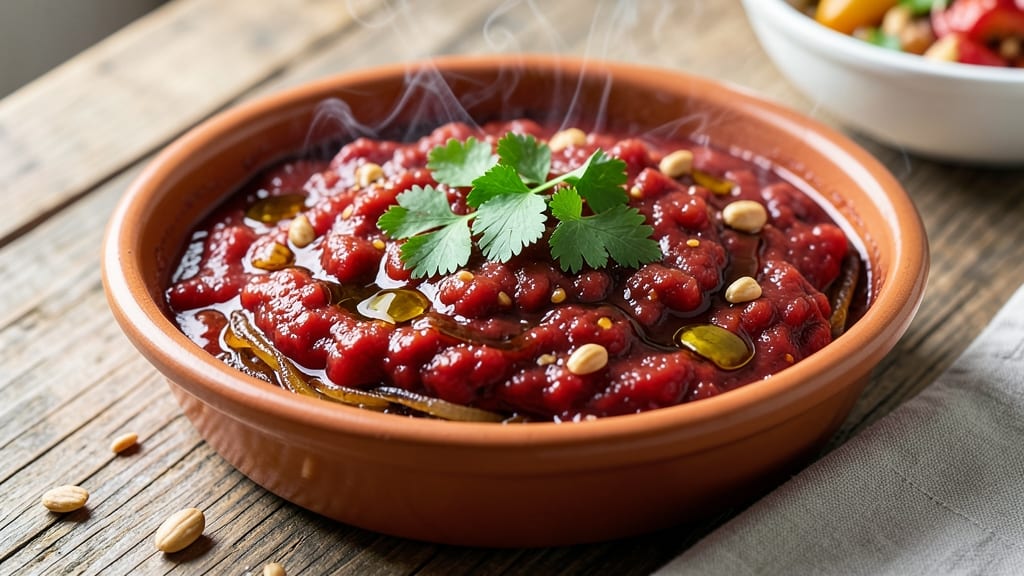
This Aussie tomato sauce recipe transforms simple ingredients into a smoky, herb-infused condiment that elevates everything from pasta to grilled meats. The secret lies in slow simmering tomatoes with Worcestershire sauce, vinegar, and aromatic herbs—creating a rich, balanced flavor that’s both tangy and slightly sweet.
I developed this after craving that perfect Aussie BBQ sauce depth, and it’s become my go-to for weeknight dinners and weekend cookouts.
The beauty of this sauce is its versatility—use it as a marinade, a pasta topping, or even a dip for crusty bread. The smoky notes come from a touch of liquid smoke and black pepper, while the herbs (parsley, thyme, and bay leaf) add freshness that cuts through the richness.
What sets this apart is the balance: not too sweet, not too acidic, but perfectly harmonized for maximum flavor impact.
What you’ll end up with is a thick, velvety sauce that clings beautifully to meat or noodles, packed with layers of umami and herbaceous brightness. The best part? It tastes even better the next day as the flavors meld together.
Whether you’re slathering it on burgers, drizzling over roasted vegetables, or using it as a base for meatballs, this sauce delivers restaurant-quality results at home.
Store it in the fridge for up to 2 weeks or freeze for longer shelf life—because once you make it, you’ll want to keep a jar on hand for any occasion. Let’s get cooking!
Ingredients for aussie tomato sauce
Twelve simple ingredients transform into that iconic Aussie BBQ sauce flavor you crave.
| Ingredient | Amount | Notes |
|---|---|---|
| Canned San Marzano Tomatoes 🍅 | 28 oz | Crushed by hand, seeds removed |
| Apple Cider Vinegar 🍏 | ¼ cup | For tangy brightness |
| Worcestershire Sauce 🍶 | 2 tbsp | Lea & Perrins preferred |
| Liquid Smoke 🔥 | 1 tbsp | For authentic Aussie smokiness |
| Granulated Sugar 🍬 | 2 tbsp | Balances acidity |
| Fresh Parsley 🌿 | ¼ cup | Chopped finely, stems included |
| Fresh Thyme Leaves 🌿 | 1 tbsp | Or 1 tsp dried thyme |
| Bay Leaves 🍃 | 2 whole | Removed before serving |
| Ground Black Pepper 🌶️ | 1 tsp | Freshly cracked for heat |
| Olive Oil 🫒 | ¼ cup | Extra-virgin for richness |
| Garlic Cloves 🧄 | 3 cloves | Minced finely for depth |
| Salt 🧂 | 1 ½ tsp | Diamond Crystal preferred |
The tomatoes are non-negotiable—San Marzano is the gold standard, but any high-quality canned tomatoes work. I grab mine from Trader Joe's in the summer when they're on sale. The Worcestershire sauce is where the magic happens—Lea & Perrins is the original, but any good brand with anchovies will do. For the herbs, fresh is always better, but dried thyme and parsley (at half the amount) will save you if you're in a pinch. The liquid smoke gives that unmistakable smoky depth—no substitutes here—and the apple cider vinegar keeps the sauce bright without overpowering.
No Worcestershire? Soy sauce plus a pinch of sugar gets you close, but you'll lose some complexity. Running out of liquid smoke? Smoked paprika at double the amount adds a hint of that campfire flavor. The sugar can be swapped for honey (if you're not strict vegan) or maple syrup, but keep it to the same amount. Fresh herbs wilt fast, so chop them last and add them back after cooking. The sauce thickens as it cools—add a splash of water if it's too stiff the next day. And if you're feeling fancy, toast the bay leaves in the olive oil for 30 seconds before adding them for extra aroma.
This sauce tastes even better the next day as the flavors meld together—store it in a glass jar in the fridge for up to 2 weeks. Freeze it in ice cube trays for single-use portions that thaw in minutes. I always make a double batch because once you've had this, you'll want it on everything. The best part? It's versatile enough to use as a marinade—just thin it with a little water or vinegar. And if you're serving it at a BBQ, keep a bowl of it chilled in the fridge for easy slathering.
Why You'll Love This Recipe
- Pantry Magic: I swear by this sauce because it lives in my cupboard, not the fridge. Open a can, dump in a few pantry staples—like that liquid smoke and Worcestershire—and boom, flavor without the fuss. No fresh herbs to wilt, no last-minute grocery runs.
- Smoky-Sweet Obsession: That liquid smoke and sugar combo? It’s what turns this into something special. The vinegar cuts through the richness, and the San Marzano tomatoes give it a depth that’s hard to resist. Honestly, I’ve caught myself eating it straight from the pot.
- Weeknight Swiss Army Knife: This sauce is my secret weapon for pasta, meatballs, or even grilled sausages. Toss it with spaghetti for a 10-minute dinner, or use it as a marinade for chicken. Between us, I’ve even drizzled it over toasted bread—don’t judge.
- Budget-Friendly Staple: A single can of tomatoes stretches into meals for days. The ingredients cost pennies, and the leftovers? They’re just as good reheated as they are fresh. My wallet and my taste buds thank me every time.
Step-by-step instructions for Aussie tomato sauce
This smoky, vibrant sauce comes together in one pot with simple techniques.
🍳 Step 1: Sauté Aromatics in Olive Oil
Heat the 0.25 cup olive oil in a large saucepan over medium heat. Add the 3 cloves garlic and cook for 30 seconds until fragrant but not browned—this prevents bitterness. I like to stir constantly so the garlic doesn't clump or burn. Here's the thing—if it starts to sizzle too aggressively, reduce heat slightly to maintain gentle cooking.
Next, add the 2 whole bay leaves and 1 tsp ground black pepper. Let them warm for 1 minute while you prepare the tomatoes. The bay leaves will infuse subtle earthy notes, and the pepper adds a subtle heat that balances the sweetness later. Don't skip this step—it builds the sauce's aromatic foundation.
🍳 Step 2: Build the Sauce Base
Pour in the 28 oz canned San Marzano tomatoes (crushed by hand) and stir to combine with the aromatics. Add the 0.25 cup apple cider vinegar, 2 tbsp Worcestershire sauce, and 1 tbsp liquid smoke. Bring everything to a gentle simmer over medium-low heat, then reduce heat to low to maintain a steady bubble.
Let it cook uncovered for 15 minutes while you stir occasionally. You're looking for the sauce to reduce slightly and develop depth of flavor. The liquid smoke will give it that authentic Aussie barbecue character—don't worry if it smells strong at first, it mellows as it cooks. If the sauce gets too thick, add 2-3 tablespoons water to maintain consistency.
🍳 Step 3: Add Sweetness and Herbs
Stir in the 2 tbsp granulated sugar and 1 tbsp fresh thyme leaves. The sugar balances the acidity from the vinegar while enhancing the tomatoes' natural sweetness. Let the sauce simmer uncovered for another 10 minutes to allow the sugar to fully dissolve and the flavors to meld.
I know it seems like a long cook time, but patience here is crucial. The sugar needs time to caramelize slightly, deepening the sauce's complexity. Taste occasionally—you should notice the flavors developing and coming together. If the sauce starts to stick, add another splash of water, but aim to keep it relatively thick for that classic Aussie sauce consistency.
🍳 Step 4: Finish with Fresh Parsley
Remove the sauce from heat and stir in the 0.25 cup fresh parsley and 1.5 tsp salt. Let it steep for 5 minutes off the heat—this allows the parsley to infuse its bright, fresh notes without wilting completely. The salt should be added last to taste, as some sauces need more than others depending on your tomatoes.
Give it one final taste and adjust seasoning if needed. You want a balance of sweet, smoky, tangy, and herby flavors. The sauce should coat the back of a spoon with a velvety texture. If you're serving immediately, remove the bay leaves before ladling onto your dish. For best results, let it sit at room temperature for 30 minutes before serving—this allows all the flavors to fully integrate.
Pro Tips For Making Aussie Tomato Sauce
- CRUSH THE TOMATOES FIRST: Dump the San Marzano cans whole and mash half with a wooden spoon before adding the rest—this breaks down the pulp faster and gives you a smoother sauce right from the start. I used to just dump and stir, but this cuts simmering time by half, especially if you’re in a hurry.
- SIMMER LOW AND LONG: After adding the vinegar and Worcestershire, reduce heat to a bare simmer (tiny bubbles, not rolling) and let it cook uncovered for 20-25 minutes. Skipping this step leaves the sauce thin and vinegary—low heat lets the flavors meld without burning.
- MEASURE THE LIQUID SMOKE: Start with just ½ teaspoon of liquid smoke, taste, then add another ¼ if needed. Too much turns your sauce bitter, and you’ll regret it when you’ve already added sugar to balance it. I’ve ruined batches by eyeballing it—don’t be like me.
- USE A SPLASH OF WATER: If the sauce thickens too fast, add 2 tablespoons of water to loosen it before it turns gluey. This keeps the consistency balanced without diluting the flavors. I learned this after a pot of sauce turned into tomato paste—now I adjust early.
Storing and reheating your leftovers
Fridge Storage Tips
Store your Aussie tomato sauce in an airtight glass jar in the refrigerator for up to 2 weeks. The glass preserves flavor better than plastic and prevents absorption of fridge odors.
I always use a quart-sized mason jar—it’s just the right size for a double batch. Let the sauce cool completely before sealing to avoid condensation, which can dilute flavors. 💫
Label your jar with the date and "Aussie Tomato Sauce" so you don’t forget what’s inside. The sauce thickens as it chills, so add 1-2 tablespoons of water when reheating if you prefer a thinner consistency. Trust me, the flavors deepen overnight as the ingredients meld together.
Freezer Preservation
For longer storage, freeze the sauce in ice cube trays for single-use portions. Each cube makes about 1-2 tablespoons of sauce, perfect for drizzling on meats or tossing with pasta.
Once frozen, transfer the cubes to a freezer-safe bag with all the air squeezed out to prevent freezer burn. Label with the date—it keeps for 3 months without losing quality.
Thaw frozen cubes in the fridge overnight or microwave them for 10-15 seconds for quick use. The texture might separate slightly, but stir in a splash of water or vinegar to restore its velvety consistency.
I keep a stash of these cubes in my freezer for last-minute BBQs or weeknight dinners.
Reheating Methods
For stovetop reheating, transfer the sauce to a saucepan and warm over low heat for 5-7 minutes. Stir occasionally and add 1-2 tablespoons of water if it’s too thick.
This method preserves the sauce’s depth of flavor better than microwaving. Taste and adjust seasoning—sometimes reheated sauce needs a pinch more salt or sugar to balance.
Microwave reheating works in a pinch: transfer the sauce to a microwave-safe bowl, cover loosely, and heat on 50% power for 1-2 minutes. Stir well and let it sit for 30 seconds before tasting—microwaves can make sauces unevenly hot.
If the sauce seems dull after reheating, a splash of apple cider vinegar or a pinch of black pepper can revive its brightness.
Sauce Texture Fixes
If your reheated sauce is too thick, thin it with warm water or broth—start with 1 tablespoon at a time until you reach your desired consistency. For a smoother texture, blend it briefly with an immersion blender (no need to strain).
If it’s too thin, simmer it uncovered for 5-10 minutes to reduce the liquid naturally. The goal is that perfect Aussie sauce cling—thick enough to coat but still pourable.
Pro tip: If the sauce separates after reheating, whisk in 1 teaspoon of cornstarch mixed with 1 tablespoon of water and simmer for 2 minutes until it thickens. This trick works wonders for restoring that silky texture without altering the flavor. Always taste as you go—seasoning can shift after reheating!
Nutrition facts
Frequently asked questions
Can I make this Aussie tomato sauce without Worcestershire sauce?
Yes, you can substitute with 2 tbsp soy sauce plus ½ tsp sugar for a similar umami depth, though you'll lose some complexity. For a closer match, try 1 tbsp fish sauce plus 1 tsp molasses—this combo mimics Worcestershire's savory-sweet profile while keeping that Aussie BBQ essence. The sauce will still work, but the flavor won't be identical.
How can I use this sauce beyond BBQ?
This versatile sauce works as a marinade for chicken or pork, a pasta sauce base, or even a dip for fried chicken. Try it on grilled sausages, drizzled over roasted vegetables, or mixed with mayonnaise for a smoky sandwich spread. The smoky-sweet balance makes it perfect for tacos, meatballs, or as a pizza sauce—just thin it slightly with water if needed.
Why does my sauce taste too sweet or sour?
Too sweet? Reduce the sugar to 1 tbsp next time or add 1 extra tbsp vinegar to balance. Too sour? Cut the vinegar to 0.2 cup and add ½ tsp sugar or a pinch more Worcestershire. The key is simmering longer (up to 30 minutes) to let flavors meld—this often reduces perceived sweetness or acidity as the sauce thickens naturally.
Can I make this sauce in a slow cooker? Combine all ingredients in your slow cooker and cook on low for 4-5 hours or high for 2-3 hours. Stir occasionally and add water if needed to prevent burning. The slow cooker enhances the smoky depth while keeping the sauce naturally thick. Just
What's the best way to thicken this sauce if it's too thin?
Simmer uncovered for 5-10 minutes to reduce naturally, or stir in 1 tsp cornstarch mixed with 1 tbsp water and cook for 2 minutes until thickened. For a smoother texture, blend briefly with an immersion blender. Avoid flour—it can make the sauce taste grainy. The ideal consistency should coat the back of a spoon but still be pourable.