
Sauces & Condiments
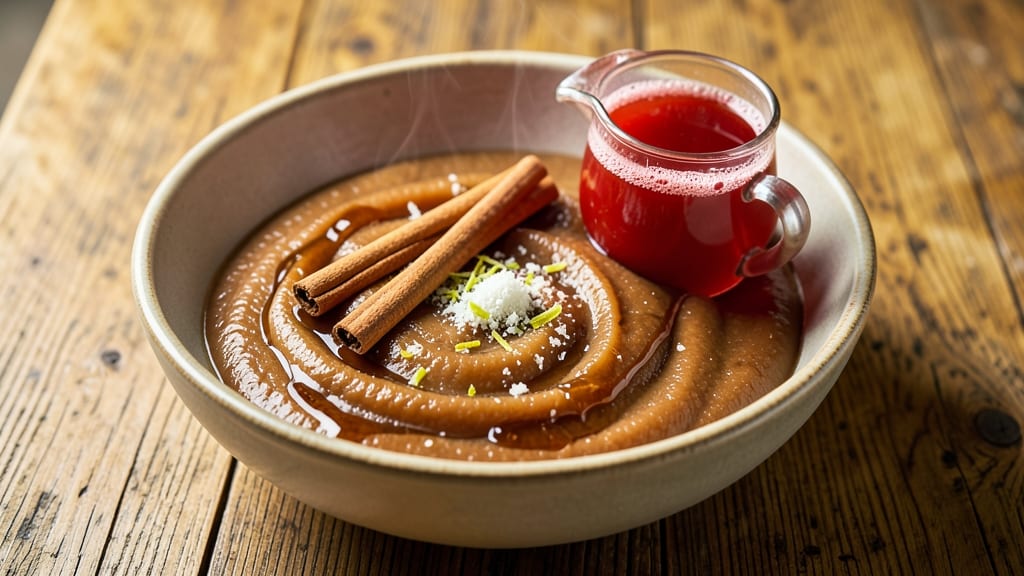
This applesauce recipe with apple cider transforms simple apples into a velvety, spiced condiment that elevates everything from pancakes to pork chops. The apple cider adds depth and subtle tartness, while cinnamon and nutmeg create warmth that lingers long after the first bite.
What makes this version special is how quickly it comes together—just 20 minutes of active time—and how versatile it is, whether you're using it as a topping, sauce, or even a cocktail mixer.
The process is straightforward but yields restaurant-quality results. You'll simmer peeled apples with apple cider until tender, then blend until smooth, creating a sauce that's naturally sweetened without added sugar.
A pinch of cinnamon and nutmeg infuses each spoonful with cozy autumn flavors, while a touch of lemon juice brightens the finish. The cider reduction intensifies the apple flavor, giving you a sauce that's richer than store-bought but still light enough to drizzle over desserts or pair with savory dishes.
What you'll end up with is a smooth, aromatic applesauce that's perfect for breakfast, dinner, or even cocktails. The texture is velvety yet light, with just the right balance of sweetness and acidity from the cider.
It reheats beautifully for leftovers, making it ideal for meal prep, and the spices keep it interesting even after a few days in the fridge. This isn't just applesauce—it's a flavorful, multi-purpose condiment that deserves a place in your pantry.
Use it as a topping for waffles, a glaze for roasted pork, or even a base for a spiced apple cider cocktail. The possibilities are endless, and the process is simple enough to make whenever you crave that comforting, spiced apple flavor. Let's get started—your taste buds will thank you.
Ingredients for applesauce recipe with apple cider
Seven simple ingredients create this velvety applesauce with autumn-spiced depth.
| Ingredient | Amount | Notes |
|---|---|---|
| Apples (mixed varieties like Honeycrisp, Fuji, or Granny Smith) 🍎 | 4 medium | Peeled and cored |
| Apple Cider 🍏 | 1 ½ cups | Unfiltered for best flavor |
| Water 💧 | ½ cup | For even cooking |
| Cinnamon 🌿 | 1 ½ tsp | Ground, not cassia |
| Ground Nutmeg 🌿 | ½ tsp | Freshly grated preferred |
| Lemon Juice 🍋 | 1 tbsp | Freshly squeezed |
| Pinch of Salt 🧂 | ⅛ tsp | Enhances flavor |
The apples make all the difference here—mix sweet and tart varieties for balance. Honeycrisp or Fuji add natural sweetness, while Granny Smith brings tartness. Grab them at Trader Joe's or Whole Foods for the freshest selection, or any grocery store's produce section. The apple cider should be unfiltered (like Woodchuck Hard Cider or Angry Orchard)—it adds complexity that store-bought sauces miss. Look for cider with minimal additives, just pure apple flavor.
No Honeycrisp? Gala or Braeburn work just fine. Running low on cinnamon? Ceylon cinnamon at half the amount gives a milder, sweeter note. Fresh nutmeg is ideal, but pre-ground works in a pinch (just use a tiny bit more). The lemon juice brightens everything—don’t skip it. For extra richness, add a tablespoon of maple syrup if your apples aren’t sweet enough. The salt might seem negligible, but it rounds out the flavors beautifully.
This applesauce keeps for 5-7 days in the fridge, sealed tightly in an airtight container. For longer storage, freeze in ice cube trays—perfect for portion control. Reheat gently on the stove with a splash of water or apple cider to restore its silky texture. I always make a double batch—half for waffles, half for pork tenderloin glazes. The spices mellow slightly over time, so it actually tastes better the next day.
Why You'll Love This Recipe
- I swear by this trick: just peel, quarter, and toss the apples into the pot whole. The skins soften beautifully with the cider, and you skip the tedious coring entirely. My hands stay clean while the apples break down into that perfect, rustic texture.
- No-Core Chopping Needed: I swear by this trick: just peel, quarter, and toss the apples into the pot whole. The skins soften beautifully with the cider, and you skip the tedious coring entirely. My hands stay clean while the apples break down into that perfect, rustic texture.
- Cider Magic: That first sip of apple cider simmering with the apples? It’s like autumn in a pot. The tangy depth cuts through the sweetness, and a pinch of nutmeg ties it all together—warm, cozy, and impossible to resist. (Between us, I’ve been known to stir the pot just for the aroma.)
- Pantry-to-Table Flex: This applesauce works as a side for roasted pork, a spread for toast, or even a sweetener in oatmeal. Honestly, I keep a jar in the fridge for when I need something quick—breakfast, snack, or dessert. The cider keeps it from getting cloying, so it’s always just right.
Step-by-step instructions for applesauce with apple cider
Here's how to make velvety applesauce infused with rich apple cider flavor—simple, foolproof, and ready in under 20 minutes.
Peel, Core, and Chop the Apples
Start by peeling and coring the 4 medium apples using a sharp paring knife or vegetable peeler. I like to work with the apples whole until the very last step to prevent browning. Once peeled, cut each apple into roughly ½-inch chunks—this size ensures even cooking without turning to mush.
For best results, use a mix of tart and sweet varieties like Granny Smith and Honeycrisp. The tartness balances the apple cider's sweetness, while the sweet apples add natural depth. Place the chopped apples in a large saucepan—no need to measure, just use all of them.
Cook the Apples Until Tender
Add the 1.5 cups apple cider and 0.5 cup water to the saucepan with the chopped apples. Stir gently to combine, then bring the mixture to a boil over medium-high heat. Once boiling, reduce the heat to medium-low and let it simmer uncovered for 8-10 minutes, stirring occasionally.
You'll know the apples are tender when a fork slides in easily with minimal resistance. If the sauce starts to look too thick before the apples are fully cooked, add 1-2 tablespoons of water to keep it smooth. The goal is silky texture, not chunky apple pieces.
Add Spices and Simmer
Once the apples are tender, stir in the 1.5 teaspoons cinnamon, 0.5 teaspoon ground nutmeg, and 0.125 teaspoon pinch of salt. Let the mixture simmer for another 5 minutes to allow the spices to infuse and deepen in flavor. The aroma will fill your kitchen—this is where the magic happens.
I like to taste the sauce at this point to adjust seasoning. If it needs more warmth, add a pinch more cinnamon or nutmeg. If it tastes flat, a splash of apple cider or a squeeze of lemon juice can brighten it up. The spices should be noticeable but not overpowering.
Finish with Lemon Juice and Blend
Remove the saucepan from heat and stir in the 1 tablespoon lemon juice. This final touch brightens the flavors and balances the sweetness of the apple cider. Let the sauce sit for 2 minutes to cool slightly—this prevents scorching when you blend.
For a smooth texture, use an immersion blender directly in the saucepan. If you prefer chunkier applesauce, skip blending and simply mash the apples with a potato masher. Either way, the result should be creamy and inviting, with a perfect harmony of apple cider and spice.
Serve Warm or Store
Transfer the applesauce to serving bowls or jars. It's best enjoyed warm, straight from the pot, but it also keeps well in the refrigerator for up to 5 days. For a restaurant-style presentation, garnish with a sprinkle of cinnamon or a drizzle of extra apple cider.
This applesauce pairs beautifully with roasted meats, pancakes, or even as a standalone dessert. The apple cider adds a depth of flavor that store-bought versions can't match. Serve it while warm for the ultimate cozy experience—you'll want to make this again and again.
Pro Tips For Making Applesauce Recipe With Apple Cider
- Peel Apples After Cooking: I used to peel them raw and lose half the flavor—don’t. Cook whole apples first (peel and core later), then slip skins off after simmering. The heat softens them effortlessly, and you’ll save 10 minutes of mess. (Yes, even Granny Smiths come off cleanly this way.)
- Use 1:1 Cider-to-Water Ratio: Skip the guesswork—equal parts cider and water (e.g., 2 cups each) balances depth and texture. Too much cider? It’ll turn syrupy. Too little? The sauce gets watery. I learned this after three batches where I eyeballed it and regretted it.
- Simmer Until Fork-Tender: Low and slow is the only way. Cover the pot and let it bubble gently for 20–25 minutes, stirring occasionally, until a fork glides through the apples like butter. Rushing this step means gummy, uneven texture—trust the process, even if you’re impatient.
- Toast Spices in Cider: Warm the cinnamon and nutmeg in the cider for 2 minutes before adding apples. The spices bloom, releasing aroma that cuts through the sweetness. I was skeptical until I tried it—now it’s non-negotiable for depth. (Just don’t burn them; keep heat medium.)
Flavor customization for this dish
Spiced Variations
Swap the cinnamon and nutmeg for cardamom and cloves for a Middle Eastern twist—just ½ teaspoon each—and add 1 star anise pod while simmering. Remove the pod before blending. This version pairs beautifully with Moroccan tagines or roasted chicken.
For a Mexican-inspired touch, add ½ teaspoon chili powder and ¼ teaspoon cumin—perfect for drizzling over tacos or grilled fish. 🌶️
Sweet & Tangy Twist
Boost the brightness by adding 1 tablespoon orange juice (instead of lemon) and ½ teaspoon vanilla extract at the end. This creates a citrusy, floral applesauce that works as a cocktail mixer or dessert topping.
For extra richness, stir in 1 tablespoon brown sugar while simmering—ideal for pancakes or French toast. The orange juice cuts through the apple cider’s sweetness beautifully.
Herbal & Earthy Depth
Infuse the sauce with fresh rosemary or thyme by adding 2 sprigs while simmering, then removing them before blending. This herbal version complements roasted pork or lamb like a glaze.
For a savory-sweet balance, add ½ teaspoon smoked paprika—great for BBQ slathered ribs or grilled sausages. The herbs add complexity without overpowering the apple cider’s natural flavor.
Boozy Upgrades
Add 2 tablespoons bourbon or apple brandy when simmering the spices for a warm, caramelized depth. This works wonders in cocktails (try it in a spiced apple cider mimosa) or as a glaze for ham.
For a non-alcoholic version, use 2 teaspoons apple cider vinegar—it adds tang without the booze. The alcohol cooks off, leaving behind a rich, aromatic finish. 🍷
Texture Play
For a chunky texture, reserve ½ cup chopped apples before blending and fold them back in at the end. This version is ideal for topping yogurt or oatmeal.
For a creamy twist, blend in ¼ cup Greek yogurt or mascarpone cheese after cooking—perfect for dessert sauces or stuffed apples. The texture contrast changes the dish entirely while keeping the apple cider’s flavor intact.
Seasonal Adaptations
In fall, use spiced apple cider (like Woodchuck’s Spiced) and add ½ teaspoon ginger for warmth. In winter, swap lemon juice for cranberry sauce (simmer ½ cup cranberries with the apples) for a holiday-inspired twist.
For spring/summer, reduce the spices to ½ teaspoon cinnamon only and add 1 teaspoon honey—lighter and brighter for picnic-friendly dishes. Each season brings a fresh take! 🍂
Nutrition facts
Frequently asked questions
Can I use apple cider vinegar instead of apple cider?
You can substitute, but the flavor will be very different. Apple cider vinegar adds tanginess without the rich, sweet depth of fresh cider. For every 1 cup of apple cider in the recipe, use 2 tablespoons of apple cider vinegar plus 1 teaspoon honey to balance the sharpness. The texture will be thinner, so add 1 extra apple to thicken it.
How do I adjust the sweetness if my apples are tart?
For tart apples like Granny Smith, add 1-2 teaspoons of honey or maple syrup while simmering. Start with 1 teaspoon and taste after 5 minutes of spice infusion. The apple cider already contributes natural sweetness, so don't overdo it—you want to enhance, not overpower, the apple's natural flavor. A pinch of salt helps balance tartness too.
Can I make this applesauce without blending?
For a rustic texture, simply mash the cooked apples with a potato masher after simmering. The apple cider will still infuse beautifully, creating a chunky sauce perfect for topping yogurt or stuffing baked apples. Just stir in the spices and lemon juice as directed—no blending required. The result is heartier and more rustic than smooth applesauce.
What's the best way to reheat leftover applesauce?
Reheat gently on the stove over low heat with 1-2 tablespoons of water or apple cider to restore its silky texture. Stir constantly to prevent scorching. For microwave reheating, use 30-second intervals on medium power, stirring between each interval. The apple cider helps prevent separation, so a splash keeps it creamy. Never reheat to a boil—just warm through.
Can I make this applesauce in a slow cooker?
Yes! Combine all ingredients in your slow cooker and cook on low for 3-4 hours or high for 1.5-2 hours, stirring occasionally. The slow cooking enhances the apple cider's flavor and deepens the spices. After cooking, blend or mash as usual. This method is perfect for hands-off prep—just set it and let the flavors meld together beautifully.