
Sauces & Condiments
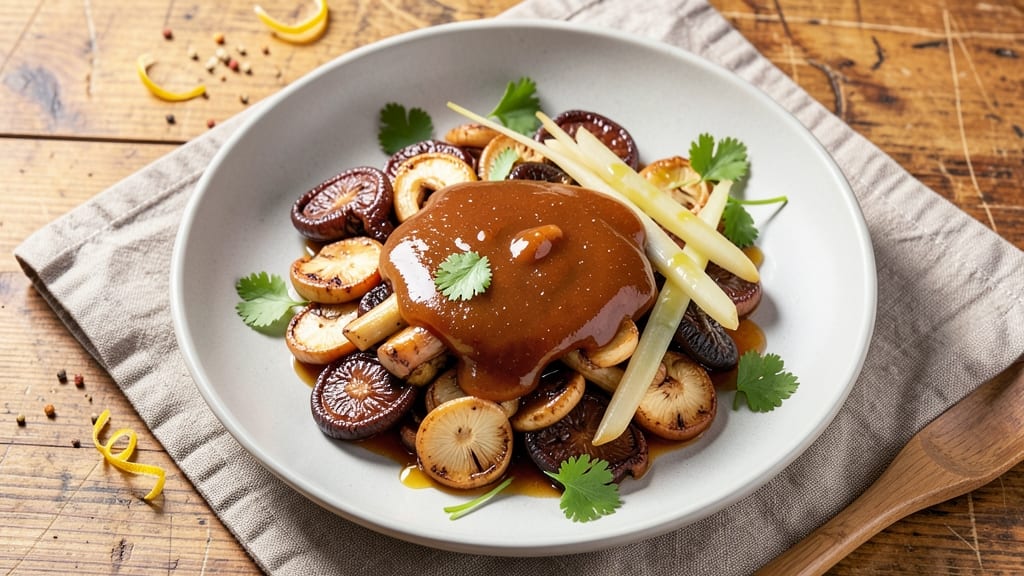
This bamboo sauce recipe transforms humble ingredients into a sweet-savory glaze that elevates stir-fries, noodles, and dipping sauces with deep umami richness. The secret lies in fermented bamboo shoots—packed with earthy complexity—that simmer with soy, vinegar, and aromatics until reduced to a glossy, balanced sauce.
I first discovered this sauce while researching East Asian condiments, and its versatility has made it a staple in my kitchen for adding depth to quick weeknight meals.
The process is straightforward but requires patience: simmering the ingredients until the flavors meld and the sauce thickens just enough to cling to food. Fermented bamboo shoots provide the signature tangy, slightly funky base, while garlic, ginger, and a touch of sugar create harmony between sweet and savory.
This sauce isn’t just a condiment—it’s a flavor multiplier that turns simple dishes into restaurant-quality experiences.
What makes this sauce truly special is its adaptability. Use it as a glaze for grilled meats, a dipping sauce for dumplings, or a stir-fry sauce that coats vegetables and proteins in a sticky, aromatic coating.
The balance of flavors—salty, sweet, and umami—makes it irresistible, and the reduction process ensures every drop delivers maximum impact.
Once you try this bamboo sauce, you’ll understand why it’s a pantry essential. The ingredients are accessible, and the technique is simple, but the result is professional-grade flavor. Let’s get started on creating your own batch—your taste buds will thank you.
Ingredients for bamboo sauce
Nine ingredients, one sauce—transforming stir-fries and dips into umami-packed masterpieces.
| Ingredient | Amount | Notes |
|---|---|---|
| Fermented Bamboo Shoots 🌿 | 1 cup | Packed, rinsed well |
| Light Soy Sauce 🍶 | ½ cup | Kikkoman preferred |
| Rice Vinegar 💧 | ¼ cup | White or seasoned |
| Dark Brown Sugar 🍚 | ¼ cup | Packed firmly |
| Garlic Cloves 🧄 | 6 cloves | Minced finely |
| Fresh Ginger 🌿 | 2 tbsp | Grated, not powdered |
| Sesame Oil 🫒 | 1 tbsp | Toasted, not flavored |
| Cornstarch 🌾 | 1 tbsp | For thickening |
| Water 💧 | ½ cup | Room temperature |
| Red Chili Flakes 🌶️ | ½ tsp | Adjust to taste |
Fermented bamboo shoots are the heart of this sauce, and Asian markets are your best bet for fresh, vibrant packs. Look for jars with a tangy aroma—no musty smells. If you can't find them, substitute 1 cup of water-soaked dried shiitake mushrooms, but the flavor won't be identical. The soy sauce should be light, like Kikkoman or Pearl River Bridge, not dark or tamari. For the vinegar, rice vinegar is non-negotiable—apple cider won't cut it here. The brown sugar needs to be packed firmly; light brown sugar won't give the same caramel depth when reduced.
No fermented bamboo shoots? Dried shiitake mushrooms soaked in hot water for 20 minutes will work, but expect a milder funk. Running low on rice vinegar? Substitute white wine vinegar at half the amount, but add 1 tsp extra sugar to balance. The sesame oil is where the magic happens—toasted sesame oil (like La Choy) adds nutty depth, while regular sesame oil tastes flat. For heat, red pepper flakes are key, but if you prefer smoky heat, swap for 1 tsp smoked paprika. The cornstarch is crucial for that glossy finish—don't skip it, even if the sauce seems thick enough.
This sauce tastes even better the next day as flavors meld. Store in an airtight jar in the fridge for up to 2 weeks, or freeze for 3 months in ice cube trays for single-use portions. The reduction process means it thickens as it cools, so add a splash of water if it gets too stiff. Double the batch—you'll want it on hand for everything from dumplings to grilled meats. The sauce clings beautifully, so brush it on generously for maximum flavor impact.
Why You'll Love This Recipe
- I’ll be real: this recipe costs next to nothing, and a little goes a long way. The leftovers keep for weeks in the fridge, so you’re always covered—whether it’s a last-minute takeout night or a lazy Sunday brunch. Plus, fermented bamboo shoots last forever if stored right.
- No-Fuss Simmer: Honestly, this sauce comes together in one pot with just five ingredients—no blenders, no straining, no fuss. I’ve made it while chatting on the phone, and the only real effort is mincing garlic (which takes all of 30 seconds).
- Umami Bomb: That fermented bamboo shoots? It’s like a slow-cooked secret weapon—earthy, tangy, and just salty enough to make your taste buds sit up. The brown sugar and rice vinegar balance it perfectly, so it’s never overpowering, just ridiculously good.
- Sauce for Everything: Between us, I’ve drizzled this on stir-fries, tossed it with rice and tofu, and even slathered it on grilled chicken. It’s the kind of versatile sauce that turns a simple meal into something special without trying too hard.
Step-by-step instructions for bamboo sauce
Here's how to craft this vibrant, umami-rich sauce that balances sweetness and savory depth perfectly.
Prepare the Fermented Bamboo Shoots
Begin by thoroughly rinsing the 1 cup packed fermented bamboo shoots under cold water to remove any residual acidity or sediment. I like to soak them for 5 minutes in a bowl of fresh water, then drain completely using a fine-mesh strainer. This step is crucial—it removes the sharp tang that can overpower the sauce's delicate balance.
Transfer the drained bamboo shoots to a food processor and pulse until finely minced, but not puréed. You want a texture that resembles coarse sand—this ensures the sauce has body without becoming grainy. Set aside in a bowl; you'll notice an aromatic, slightly funky smell that's characteristic of fermented bamboo. This is good—it's where much of the sauce's complexity comes from.
Sauté Aromatics for Depth of Flavor
Heat a small saucepan over medium-low heat and add 1 tablespoon sesame oil. Once the oil is shimmering (about 30 seconds), add the 6 cloves minced garlic and 2 tablespoons grated fresh ginger. Sauté for 2-3 minutes until the garlic turns golden and the ginger becomes fragrant—this prevents them from burning, which would make the sauce bitter.
Here's the thing—don't walk away. Garlic burns faster than you think, and you want those aromatic compounds to develop fully. After 2 minutes, add the minced bamboo shoots and cook for another 3 minutes, stirring occasionally. You'll see the mixture darken slightly as the natural sugars caramelize. This step builds the sauce's foundational flavor profile.
Build the Sauce Base
Pour in the 0.5 cup light soy sauce, 0.25 cup rice vinegar, and 0.25 cup packed dark brown sugar. Stir well to combine, then increase the heat to medium-high. Bring the mixture to a gentle boil, then immediately reduce the heat to low and let it simmer for 8-10 minutes. You're looking for the sauce to thicken slightly and the sugar to dissolve completely.
During this time, taste the sauce occasionally. It should be tangy from the vinegar, salty from the soy sauce, and slightly sweet from the brown sugar. If it's not sweet enough for your taste, add a pinch more sugar (but don't overdo it—this sauce balances all flavors). The sauce should coat the back of a spoon but still be pourable. If it thickens too much, add 1 tablespoon water to adjust the consistency.
Thicken and Finish
In a small bowl, whisk together the 1 tablespoon cornstarch with 2 tablespoons cold water until smooth. Slowly pour this slurry into the simmering sauce while stirring constantly with a wooden spoon. The sauce will thicken immediately—keep stirring for 1-2 minutes until it reaches a glossy, syrupy consistency that clings to the spoon.
Finally, stir in the 0.5 teaspoon red chili flakes and remove the pan from heat. Let the sauce rest for 5 minutes—this allows the flavors to meld completely. The final product should be a deep amber color with a smooth, velvety texture. For best results, use the sauce immediately, but it will keep in an airtight container in the refrigerator for up to 1 week, though the flavor deepens over time.
Pro Tips For Making Bamboo Sauce
- SOAK THE SHOOTS FIRST: Fermented bamboo shoots are packed with salt—skip soaking, and your sauce will taste like a salt lick. Rinse them well, then soak in cold water for 10 minutes to cut the harshness without losing their funky depth.
- LOW AND SLOW FOR GARLIC: After mincing the garlic, cook it on low heat for 2 minutes until fragrant but not golden. I burned it twice before learning this—charred garlic turns bitter and overpowers the delicate balance of vinegar and sugar.
- MEASURE THE VINEGAR: Rice vinegar is acidic, and too much will make your sauce taste sharp and unfinished. Use 1 tablespoon per 2 tablespoons of soy sauce, then adjust by taste. (Yes, even if you’re impatient like me.)
- STIR IN THE SUGAR LAST: Add the brown sugar only when the sauce is off the heat—it caramelizes instantly on high heat and turns cloying. Let it cool for 30 seconds, then stir in; the sauce will thicken beautifully without losing its bright, tangy edge.
Wine and beer pairings for this dish
Rice Wine Pairings
For a truly authentic experience, pair this bamboo sauce with a dry Chinese rice wine like Shaoxing wine (also called huangjiu). The wine’s nutty, slightly sweet profile complements the sauce’s umami and caramel notes beautifully.
I like to serve it chilled—just 45°F—to balance the sauce’s warmth. A 1/4 cup per serving is perfect for dipping or drizzling over dishes. 🍶
Light Beer Complements
A crisp, Japanese lager such as Asahi Super Dry or Sapporo works wonderfully with bamboo sauce. The beer’s clean, slightly effervescent quality cuts through the sauce’s richness without overpowering it.
For a more adventurous match, try a light Japanese ale like Kirin Ichiban—its subtle malt sweetness enhances the sauce’s caramelized depth. Serve both at 40°F for the best contrast. 🍺
Dry White Wine Options
If you prefer wine, a dry Riesling from Germany or a Fukuyama Ken from Japan pairs elegantly with bamboo sauce. The wine’s bright acidity and citrus notes refresh your palate between bites, especially when used as a glaze for grilled meats.
I recommend a 2018 vintage or newer for optimal freshness. A 5-ounce glass per person is ideal. 🍷
Sake for Traditionalists
For a more traditional pairing, opt for dry junmai sake like Dassai 23 or Gekkeikan Premium. The sake’s clean, slightly floral notes harmonize with the sauce’s fermented bamboo and soy undertones.
Serve it slightly chilled (45-50°F) to highlight its crispness. A 3-ounce pour per serving enhances the dish’s umami without competing for attention. 🍶
Non-Alcoholic Match
For a refreshing non-alcoholic option, try sparkling yuzu soda or a ginger beer like Feani. The citrusy or spicy notes complement the sauce’s sweet-savory balance, especially with seafood dishes. I like to add a splash of rice vinegar to the drink for an extra layer of harmony. 💧
Nutrition facts
Frequently asked questions
What makes fermented bamboo shoots essential in this sauce?
The fermented bamboo shoots provide the sauce's signature earthy, funky depth that sets it apart. Their natural tanginess balances the sweetness and saltiness, creating a complex umami profile. Without them, the sauce would lose its distinctive character—think of it as the soul of the recipe!
Can I substitute dried shiitake mushrooms for fermented bamboo?
Yes, but expect a milder flavor. Soak 1 cup dried shiitake mushrooms in hot water for 20 minutes, then drain and finely chop them. The texture will be different, but it adds umami depth. For best results, add 1 tsp fish sauce to mimic the fermented funk.
How do I adjust the heat level in the sauce?
The recipe includes 0.5 tsp red chili flakes for mild heat. For more spice, add 1 tsp chili flakes> or 1 tsp gochujang (Korean chili paste). For a smoky kick, swap the chili flakes for 0.5 tsp smoked paprika.
Why does the sauce thicken when I refrigerate it?
The cornstarch slurry creates a natural thickening effect that becomes more pronounced when chilled. If it gets too stiff, simply add 1-2 tsp water and stir until smooth. The sauce should remain glossy and coat the back of a spoon without being gluey.
What are the best dishes to use this sauce with?
This versatile sauce shines on grilled meats, stir-fried vegetables, rice noodles, and as a dipping sauce for spring rolls or dumplings. Try brushing it on pork or chicken skewers> before grilling for a caramelized glaze, or drizzle over steamed fish for extra umami.