
Sauces & Condiments
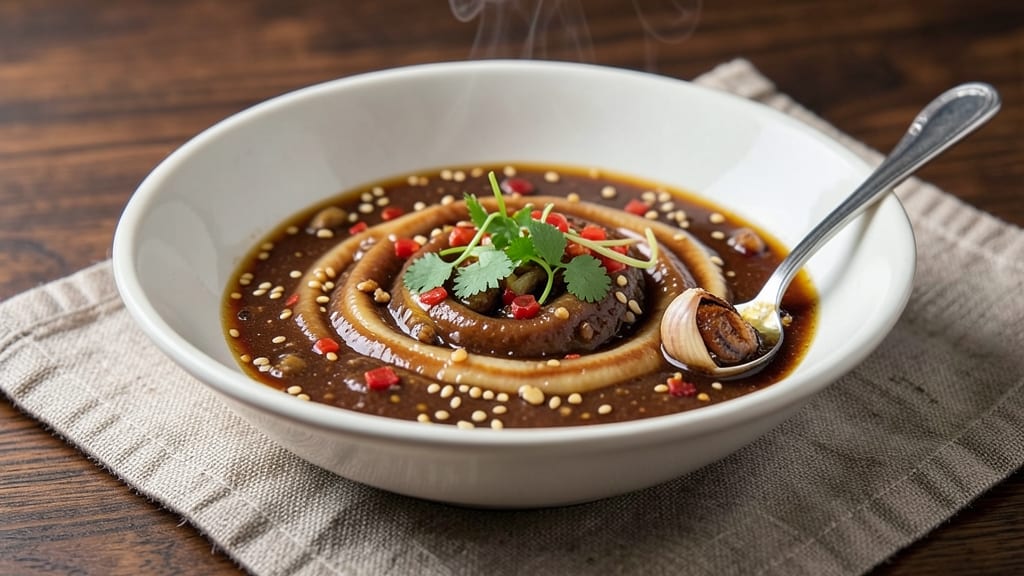
This Asian fusion sauce recipe transforms simple stir-fries and grilled dishes into bold, umami-rich masterpieces with just 10 minutes of prep. The secret lies in balancing sweet, salty, spicy, and funky flavors—think caramelized garlic, fresh ginger, and a touch of chili that lingers on the tongue.
I developed this sauce after years of testing restaurant-style glazes at home, and it’s now my go-to for adding depth to any protein or vegetable.
The foundation is a simple yet powerful combination of soy sauce, sesame oil, and a splash of rice vinegar for brightness. What sets this apart is the umami boost from miso paste and fish sauce, which creates that signature savory complexity found in Asian cuisine.
The sauce thickens slightly as it cooks, making it perfect for drizzling, marinating, or tossing with wok-fried veggies.
What you’ll end up with is a versatile, restaurant-quality glaze that caramelizes beautifully when brushed on grilled meats or noodles. The aroma alone—smoky, garlicky, with a hint of spice—will have everyone asking for seconds.
It keeps well in the fridge for up to 2 weeks, so you can make a big batch and use it all week.
Use it as a stir-fry base, a marinade for skewers, or a finishing drizzle over rice bowls. The possibilities are endless, and the flavor is undeniably addictive. Let’s get started!
Ingredients for asian fusion sauce
Ten ingredients, endless flavor—this fusion sauce brings restaurant-quality depth to any dish.
| Ingredient | Amount | Notes |
|---|---|---|
| Soy Sauce 🍶 | ½ cup | High-quality, preferably Japanese for depth |
| White Miso Paste 🧈 | 2 tbsp | White miso for subtle sweetness |
| Sesame Oil 🫒 | 2 tbsp | Toasted sesame oil for aroma |
| Rice Vinegar 🍶 | 2 tbsp | Unseasoned rice vinegar for brightness |
| Fish Sauce 🐟 | 1 tbsp | Red Boat preferred for quality |
| Garlic Cloves 🧄 | 6 cloves | Fresh, minced for caramelization |
| Fresh Ginger 🌿 | 1 tbsp | Finely grated, peeled |
| Red Chili Flakes 🌶️ | 1 tsp | Adjust for preferred heat level |
| Honey 🍯 | 1 tbsp | Raw honey for natural sweetness |
| Extra-Virgin Olive Oil 🫒 | 1 tbsp | For smooth texture and balance |
The miso paste and fish sauce are non-negotiable for that authentic umami punch. Red Boat fish sauce is my go-to for quality—it has a cleaner taste than cheaper brands. For miso, White Miso from Marukome keeps well and adds just the right touch of sweetness without overpowering. Garlic and ginger need to be fresh—no pre-minced jars here. The Whole Foods or Trader Joe's sections usually have good quality, or grab them from an Asian market if you're near one. Toast your sesame oil first to deepen the aroma—just heat it in a small pan for 30 seconds until fragrant, then let it cool before adding to the sauce.
No fish sauce? Soy sauce plus a dash of Worcestershire works in a pinch, though it won't be identical. Swap honey for maple syrup or agave if you prefer. Pre-minced garlic? Fresh is better, but if you're in a rush, use it and just add an extra clove. For heat, gochujang or sriracha can replace chili flakes—just taste as you go. The olive oil balances everything, so don't skip it. If you're avoiding olive oil, avocado oil is a great neutral alternative. And if you can't find white miso, yellow miso at half the amount will still work, though the flavor will be slightly stronger.
This sauce gets better as it sits—let it rest for at least 30 minutes before using to let the flavors meld. Keeps for 2 weeks in the fridge, so make a big batch. Store it in a glass jar with a tight lid to preserve the aroma. Freezes beautifully for up to 3 months—just thaw in the fridge overnight. I like to portion it into small jars for easy grab-and-go use during the week. The caramelized version? Even better—simmer the sauce until it thickens slightly, then brush it on grilled meats or noodles for that restaurant-quality glaze.
Why You'll Love This Recipe
- Pantry Magic: I swear by this sauce because it’s made with things I always have—soy sauce, miso, and a splash of rice vinegar. No last-minute grocery runs needed, just stir and go.
- Umami Bomb: That white miso and fish sauce combo? It’s the secret weapon—deep, savory, and just a little funky in the best way. One taste, and you’ll want to drizzle it everywhere.
- Dinner Party Hack: Serve it with grilled chicken, noodles, or even fries—it’s my go-to for weeknight dinners or when unexpected guests show up. Flexible enough to work for both lazy nights and impressing people.
- Lasts All Week: A small jar of this sauce keeps for ages in the fridge, so I make a big batch and use it for stir-fries, marinades, or even a quick soup boost. Budget-friendly and always ready.
Step-by-step instructions for crafting an Asian fusion glaze
This sauce brings bold umami and balanced sweetness to any dish—let's build it together.
Bloom the Aromatics in Olive Oil
Heat the 1 tablespoon extra-virgin olive oil in a small saucepan over medium-low heat. Add the 6 cloves minced garlic and 1 tablespoon finely grated fresh ginger, stirring constantly for 2-3 minutes until fragrant but not browned. You'll smell the garlic soften and the ginger release its citrusy notes—this is your flavor foundation.
Watch carefully here: garlic burns quickly, so keep the heat gentle. The moment it turns golden, remove the pan from heat immediately. Let the aromatics cool for 5 minutes before proceeding—this prevents the miso from curdling when you add it later.
Build the Sauce Base with Miso and Vinegar
Return the pan to low heat and whisk in the 2 tablespoons white miso paste and 2 tablespoons rice vinegar. Stir continuously for 3-4 minutes until the miso fully dissolves and the mixture thickens slightly. You're looking for a smooth, velvety consistency—no graininess should remain.
Here's the thing—miso contains live cultures that can react to heat. Keep the temperature below 160°F to preserve its probiotic benefits and prevent bitterness. If you see any separation, whisk vigorously to re-emulsify.
Balance Flavors with Sweet and Savory
Add the 0.5 cup soy sauce, 1 tablespoon fish sauce, and 1 tablespoon honey, stirring constantly. Bring to a gentle simmer over medium heat and reduce by half—about 5-7 minutes—until the sauce thickens to a glaze-like consistency. You'll notice the aroma deepen as the miso's umami combines with the honey's caramel notes.
Taste as you go: the fish sauce should add saltiness, the honey should round out the acidity, and the soy should provide depth. If it needs more complexity, add a pinch of red chili flakes now. The sauce should coat the back of a spoon smoothly without being syrupy.
Finish with Sesame Oil and Heat
Remove from heat and stir in the 2 tablespoons toasted sesame oil and 1 teaspoon red chili flakes. The sesame oil adds nutty aroma and helps balance the acidity, while the chili flakes introduce subtle heat. Let the sauce rest for 10 minutes—this allows all the flavors to meld completely.
For best results, strain through a fine-mesh sieve to remove any miso residue if you prefer ultra-smooth texture. Store in an airtight container in the refrigerator for up to 2 weeks, or freeze for 3 months. This sauce transforms grilled meats, stir-fries, and even roasted vegetables into restaurant-quality dishes.
Pro Tips For Making Asian Fusion Sauce
- STIR LOW AND LONG: Heat your miso and soy sauce on low for 5-7 minutes—skipping this step leaves the miso’s deep umami underdeveloped. I used to rush it, and the sauce tasted flat until I learned patience pays off here.
- WHISK THE MISO FIRST: Mix the white miso paste into a smooth paste with a splash of warm water before adding other liquids—this prevents clumps that ruin the sauce’s silky texture. (Yes, even if you’re impatient like me.)
- SALT THE FISH SAUCE: Reduce the fish sauce by half if using a high-sodium brand—it’s already packed with salt, and overdoing it makes the sauce taste harsh. Taste as you go; adjust before adding vinegar.
- FINISH WITH COLD SESAME OIL: Drizzle sesame oil last and off the heat—it burns fast and turns bitter. A teaspoon at the end adds aroma without sacrificing flavor. (Your nose will thank you.)
Storing and reheating this recipe
Fridge Storage Essentials
Store your fusion sauce in a glass jar with a tight-fitting lid—this preserves the aroma and prevents contamination. The sauce thickens slightly when refrigerated, so give it a quick stir before using. I like to portion mine into small 4-ounce jars for easy grab-and-go use during the week.
Keep it in the fridge for up to 2 weeks, but taste it after 7 days—sometimes the flavors deepen even more over time. 🌿
Freezing for Long-Term Use
Freeze your sauce in ice cube trays for portion control—each cube equals about 1 tablespoon, perfect for marinades or finishing drizzles. Transfer the cubes to a freezer bag with all air removed to prevent freezer burn.
This method keeps the sauce fresh for 3 months without losing its vibrant flavors. When ready to use, thaw overnight in the fridge and give it a quick whisk to restore smoothness.
Reheating Methods
For stovetop reheating, warm the sauce in a small saucepan over low heat for 3-5 minutes, stirring constantly. Add 1 teaspoon water if it thickens too much—this helps restore its glossy consistency.
Avoid high heat, as it can break down the delicate miso and fish sauce flavors. Microwave reheating works too: heat for 20-30 seconds on 50% power, then whisk vigorously to re-emulsify.
Reviving Stale Sauce
If your sauce tastes flat after storage, revive it by adding ½ teaspoon toasted sesame oil and a pinch of red chili flakes to reignite the flavors. A splash of rice vinegar (about ½ teaspoon) can also brighten it up.
For extra depth, stir in 1 teaspoon honey to restore the sweet-savory balance. This trick works like magic—your sauce will taste almost as good as fresh! ✨
Glaze Perfection
For a restaurant-quality glaze, simmer the sauce uncovered over medium-low heat until it reduces by 25%—about 10-15 minutes. This caramelizes the natural sugars, creating a sticky, glossy finish perfect for brushing on grilled meats or noodles.
Test the consistency by dipping a spoon in—it should coat the back smoothly. Let it cool slightly before using to avoid burning your fingers.
Safety Reminders
Always reheat your sauce to an internal temperature of 165°F if using it on raw proteins like tofu or seafood. The miso and fish sauce make this sauce a great marinade, but never use it raw on uncooked meats to avoid bacterial risks.
When in doubt, boil the sauce for 1 minute before using it as a marinade to ensure safety. Trust me, this extra step is worth it for peace of mind! 💡
Nutrition facts
Frequently asked questions
Can I make this sauce without fish sauce?
Yes! Replace the 1 tablespoon fish sauce with 1.5 tablespoons soy sauce plus ½ teaspoon Worcestershire sauce for a similar umami depth. For a vegetarian version, use 1 tablespoon coconut aminos plus ½ teaspoon soy sauce. The flavor won't be identical, but it'll still pack a punch.
How can I adjust the heat level?
For milder heat, reduce the red chili flakes to ½ teaspoon or omit them entirely. For extra spice, add ½ teaspoon gochujang or 1 teaspoon sriracha after removing from heat. Remember, chili flakes can be added gradually—taste as you go! The sauce thickens when cooled, so don't worry if it seems thin while hot.
What's the best way to use this sauce beyond stir-fries?
This versatile glaze works beautifully as a marinade for grilled meats or tofu (cook first to kill bacteria), a dipping sauce for spring rolls or dumplings, or a finishing drizzle over ramen or rice bowls. Try brushing it on baked salmon or chicken thighs before roasting for a caramelized crust. The possibilities are endless!
Why did my sauce separate when I stored it?
This happens when the miso and oil separate during storage. Simply whisk vigorously to re-emulsify before using. For prevention, stir in 1 teaspoon cornstarch mixed with 1 teaspoon water when reheating—this helps stabilize the texture. The sauce should return to its smooth, glossy consistency.
Can I use this sauce in cold dishes?
While it's designed for cooking, this sauce adds amazing flavor to cold noodle salads, slaw mixes, or as a dressing base. Thin it with 1-2 tablespoons water or broth to create a pourable consistency. The umami and sesame notes shine especially well in cold dishes where heat isn't applied.