
Sauces & Condiments
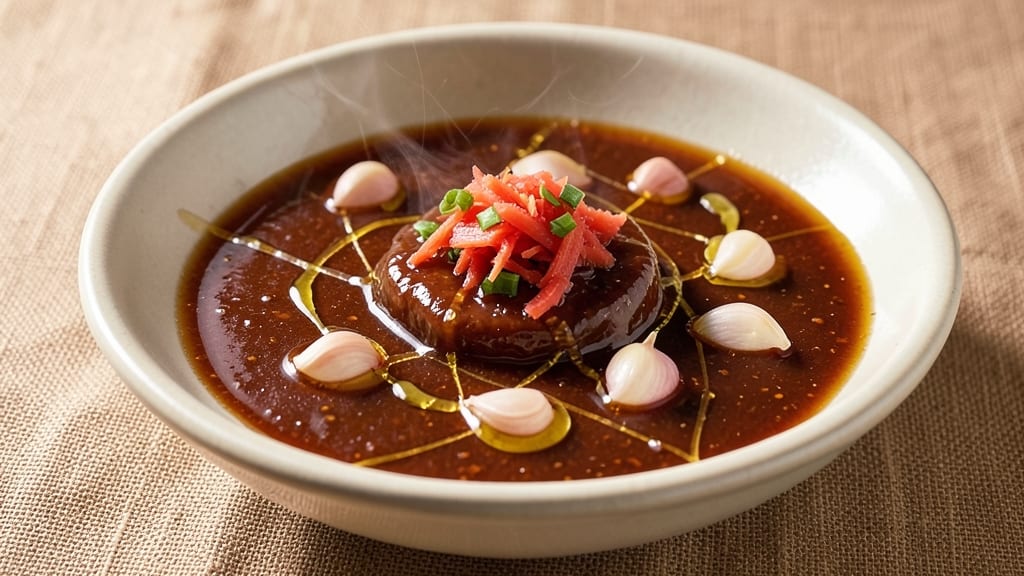
This Asian glaze sauce recipe transforms ordinary dishes into restaurant-worthy masterpieces with just a few pantry staples. The secret lies in balancing sweet honey with tangy soy and vinegar, creating a glossy, caramelized sauce that clings perfectly to grilled meats or roasted vegetables.
I developed this version after testing countless variations—it’s the one that consistently delivers that perfect sweet-savory harmony without overpowering the main dish.
The beauty of this sauce is its versatility—it takes just 15 minutes to make and elevates everything from simple stir-fries to elaborate dinner plates.
The aromatics (fresh ginger, garlic, and sesame oil) add depth, while a quick reduction on the stovetop intensifies the flavors into a thick, sticky glaze that’s impossible to resist.
What makes it stand out is how easily you can adjust the sweetness or tang to suit your taste, ensuring it works for both bold and delicate dishes.
Imagine drizzling this glaze over perfectly seared chicken thighs, brushing it onto crispy tofu, or tossing it with roasted Brussels sprouts—each bite becomes a burst of umami, sweetness, and a hint of acidity.
The sauce’s natural stickiness also makes it ideal for glazing meats directly on the grill or broiler, locking in juices and creating an irresistible caramelized crust. It’s the kind of sauce that turns a simple weeknight meal into something memorable.
Best of all, this glaze keeps well in the fridge for up to 2 weeks, making it a go-to for meal prep or spontaneous cooking. Whether you’re hosting dinner guests or craving a flavor boost for leftovers, this recipe delivers professional-quality results with minimal effort. Let’s get started!
Ingredients for asian glaze sauce
Eight pantry staples transform into a restaurant-quality glaze that clings beautifully to meats and veggies.
| Ingredient | Amount | Notes |
|---|---|---|
| Extra-Virgin Olive Oil 🫒 | 2 tbsp | For initial aromatics |
| Fresh Ginger Root 🌿 | 1 tbsp | Finely minced, vibrant color |
| Garlic Cloves 🧄 | 4 cloves | Minced, fresh preferred |
| Honey 🍯 | ½ cup | Raw or wildflower preferred |
| Rice Vinegar 🍶 | ¼ cup | Seasoned variety for depth |
| Low-Sodium Soy Sauce 🍜 | ¼ cup | Kikkoman preferred |
| Sesame Oil 🥜 | 1 tbsp | Toasted, for aroma |
| Fresh Lime Juice 🍋 | 2 tbsp | Freshly squeezed |
| Diamond Crystal Kosher Salt 🧂 | ½ tsp | For balancing flavors |
| Ground Black Pepper 🌶️ | ¼ tsp | Freshly cracked |
The ginger and garlic are your flavor anchors—fresh is non-negotiable. Grab the ginger from the produce section (not the jarred kind), and look for cloves that are firm and smell zesty. Whole Foods or Trader Joe's carry great ginger roots that stay fresh longer. For garlic, bulk bins at natural grocery stores offer the freshest cloves—just crush them lightly with the side of your knife before mincing. The honey should be raw or wildflower for that natural depth; Madhava or local apiary honey works wonders. If you're using pre-minced garlic, toast it first in the olive oil to deepen the flavor—worth the extra minute.
No honey? Maple syrup or agave will work in a pinch, though the flavor profile shifts slightly. Swap rice vinegar for apple cider vinegar or white vinegar (reduce the amount by half), but the tang will be sharper. For soy sauce, low-sodium is key—regular can make the sauce too salty. Sesame oil is non-negotiable for that nutty aroma, but if you're avoiding it, toasted sesame seeds (1 tsp) ground into the sauce add a similar depth. The lime juice needs to be fresh—bottled just won't cut it. For extra umami, a dash of fish sauce (1 tsp) works, but keep it optional for vegetarian versions.
This sauce keeps beautifully—2 weeks in the fridge sealed in a jar. For longer storage, freeze in ice cube trays and transfer to a bag; thaw as needed. The glaze thickens as it cools, so reheat gently with a splash of water if it becomes too stiff. I double the batch every time—one for immediate use, one for the freezer. The flavor actually improves after a day or two as everything melds together. Store the sesame oil separately until ready to use to preserve its aroma.
Why You'll Love This Recipe
- Five-Ingredient Magic: The pantry already has what you need—no specialty shopping. I swear by this combo: the olive oil keeps it silky, the ginger zings, and honey balances the vinegar’s tang. Honestly, it’s the kind of recipe that makes me feel like I’m cheating when I call it homemade.
- Sweet-Savory Balance: That first bite? The honey caramelizes just enough to coat your tongue, while the vinegar cuts through like a bright little wake. My kids dip their chicken in it straight from the pan—no shame in admitting it’s become our default glaze for everything.
- Dinner Party Ready: Slather it on grilled salmon, drizzle over roasted veggies, or toss with noodles—it’s the MVP for last-minute entertaining. I’ll be real: I’ve used it to rescue takeout leftovers, and somehow, it made them taste like a restaurant ordered it.
- Makes Extra (Seriously): A batch keeps for weeks in the fridge, and it only gets better as flavors meld. Freeze half for lazy mornings—thaw and brush on pancakes or stir into scrambled eggs. Between us, this is my secret weapon for avoiding midweek takeout.
Step-by-step instructions for Asian glaze sauce
This vibrant sauce comes together faster than you can say "stir-fry."
Bloom the Aromatics in Olive Oil
Heat the 2 tablespoons extra-virgin olive oil in a small saucepan over medium-low heat. Add the 1 tablespoon finely minced fresh ginger root and 4 minced garlic cloves, stirring constantly for 30 seconds until fragrant. You'll smell the garlic soften and the ginger release its bright, zesty aroma—this is your signal they're ready for the next step.
Watch the heat carefully here. If the oil starts to smoke or the garlic turns brown, reduce the heat immediately. We want gentle cooking that awakens the flavors without burning them. The ginger should look translucent, and the garlic should be soft but not colored.
Combine Wet Ingredients
Pour in the ½ cup honey and ¼ cup rice vinegar, stirring to dissolve the honey completely. Add the ¼ cup low-sodium soy sauce and bring the mixture to a gentle simmer over medium heat. Let it bubble for 3-4 minutes, stirring occasionally, until the liquid reduces by about 25% and thickens slightly.
This reduction step is crucial—it concentrates the flavors and creates that signature glossy, sticky texture. You'll notice the sauce darken slightly and coat the back of a spoon. If it reduces too quickly, lower the heat slightly to maintain a gentle simmer.
Finish with Sesame Oil and Lime
Remove the saucepan from heat and stir in the 1 tablespoon toasted sesame oil and 2 tablespoons fresh lime juice. The sesame oil will add a nutty aroma, while the lime juice brightens the entire sauce with its acidity. Taste and adjust seasoning with the ½ teaspoon Diamond Crystal kosher salt and ¼ teaspoon ground black pepper as needed.
Here's where it gets fun—taste as you go. The balance should be sweet, tangy, and slightly salty. If it needs more acidity, add a splash more lime juice. If it's too thick, thin it with 1 teaspoon hot water at a time until it reaches a glossy, pourable consistency.
Rest and Use Immediately
Let the sauce rest for 5 minutes before using. This allows the flavors to meld completely and the texture to set properly. The sauce should be thick enough to coat the back of a spoon but still flow smoothly.
Use your glaze immediately over stir-fries, grilled meats, or roasted vegetables. For extra shine, drizzle it over the dish just before serving. Store any leftovers in an airtight container in the refrigerator for up to 5 days, though I promise you won't have any leftovers—this sauce disappears fast!
Pro Tips For Making Asian Glaze Sauce
- Bloom the Ginger First: Heat the olive oil low and slow for 30 seconds before adding ginger—this softens the sharp edges and makes it melt into the sauce like butter. I learned this the hard way after one batch tasted like a ginger root fight in my mouth.
- Mince Garlic Fine: Skip the rough chop—finely mince the garlic so it dissolves completely instead of lingering as chewy bits. A microplane works best, and trust me, your sauce will thank you later.
- Simmer, Don’t Boil: Keep the glaze at a gentle simmer (tiny bubbles, barely there) to avoid burning the honey. I used to rush this, and the sauce turned bitter—now I let it bubble like a lazy Sunday morning.
- Whisk in Vinegar Last: Add the rice vinegar after the honey and ginger have cooked for 2–3 minutes—this balances the sweetness and keeps the sauce bright, not dull. I was skeptical until I tried it, and now it’s non-negotiable.
Regional styles of this dish
Japanese Teriyaki Style
Swap the honey for ½ cup mirin and ¼ cup sake to create a classic Japanese-inspired glaze. Use 3 tablespoons soy sauce instead of ¼ cup and add 1 tablespoon grated daikon radish for extra umami depth.
Simmer the sauce longer—5-6 minutes—until it reaches a thicker, silkier consistency. This version pairs perfectly with yaki tofu or grilled salmon, offering that signature teriyaki shine and caramelized crust. 🍣
Thai Sweet-Chili Glaze
Infuse the sauce with Thai flavors by adding 2 tablespoons red curry paste (like Maesri) and 1 tablespoon fish sauce during the simmer. Reduce the honey to ¼ cup and add 1 tablespoon lime zest for brightness.
Finish with 1 teaspoon chili flakes and a splash of Thai basil (if available). This glaze works wonders on grilled pork skewers or stir-fried green beans, delivering a perfect balance of sweet, spicy, and tangy. 🌶️
Korean Gochujang Glaze
For a Korean-inspired twist, replace the honey with ¼ cup gochujang (Korean chili paste) and add 1 tablespoon rice vinegar and 1 tablespoon sesame seeds.
Simmer the sauce for 4-5 minutes until it thickens, then finish with 1 teaspoon toasted sesame oil and 1 tablespoon honey to balance the heat. This glaze is ideal for bulgogi beef or grilled corn on the cob, offering a rich, spicy-sweet profile. 🔥
Vietnamese Nuoc Cham-Inspired Glaze
Create a Vietnamese-inspired glaze by swapping the honey for ¼ cup fish sauce and adding 2 tablespoons lime juice, 1 tablespoon sugar, and 1 teaspoon shrimp paste (optional).
Simmer for 3-4 minutes until slightly reduced, then finish with 1 tablespoon fresh cilantro and 1 teaspoon toasted sesame oil. This tangy, umami-packed glaze elevates grilled shrimp or rice paper rolls beautifully. 🥢
Chinese Five-Spice Glaze
For a Chinese-inspired version, add ½ teaspoon Chinese five-spice powder and 1 star anise pod (removed after simmering) to the base ingredients. Use ¼ cup honey and 2 tablespoons hoisin sauce instead of soy sauce.
Simmer for 5 minuteschar siu pork or roasted duck, offering a fragrant, slightly spiced sweetness. 🌿
Vegetarian Adaptation
Skip the fish sauce and sesame oil, and use 1 tablespoon maple syrup instead of honey for a vegetarian-friendly glaze. Add 1 teaspoon grated ginger and 1 clove minced garlic to the base, then finish with 1 tablespoon tahini for creaminess.
This version works beautifully on grilled tofu, portobello mushrooms, or roasted Brussels sprouts, delivering a rich, nutty-sweet flavor. 🥕
Nutrition facts
Frequently asked questions
Can I make this glaze without honey?
Swap the honey for ¼ cup maple syrup or agave nectar for a similar sweetness level. For a more Asian-inspired flavor, try ½ cup mirin (Japanese rice wine) or ¼ cup brown sugar dissolved in the vinegar. The texture will be slightly different, but the balance of sweet and tangy will still shine through.
How do I adjust the sweetness or tanginess?
For more sweetness, add 1-2 teaspoons honey or maple syrup at the end. Need more tang? Stir in ½ teaspoon extra rice vinegar or 1 teaspoon lime juice. If the sauce is too sweet, balance it with ½ teaspoon soy sauce or a splash of vinegar. Always taste as you go—this sauce is all about finding your perfect harmony.
Can I use this glaze on non-meat dishes?
This glaze works beautifully on tofu, tempeh, roasted vegetables, and even noodles! For veggies, try tossing broccoli, carrots, or Brussels sprouts in the glaze after roasting. For extra shine, drizzle it over crispy tofu skewers or stir-fried rice. The sticky texture clings perfectly to all these bases.
Why did my glaze turn grainy?
Graininess usually happens when the honey doesn't dissolve completely or the sauce reduces too quickly. To fix it, whisk in 1 teaspoon hot water or 1 teaspoon vinegar while warming the sauce gently on low heat. For prevention, make sure your honey is liquid at room temperature and stir constantly during the reduction phase. If it's still grainy, strain it through a fine-mesh sieve.
Can I make this glaze ahead of time?
Yes! This glaze actually tastes better after resting. Store it in an airtight container in the fridge for up to 2 weeks. The flavors meld beautifully over time. When ready to use, reheat gently in a saucepan with 1-2 teaspoons water to restore its glossy consistency. If it thickens too much, thin it with a splash of vinegar or water.