
Sauces & Condiments
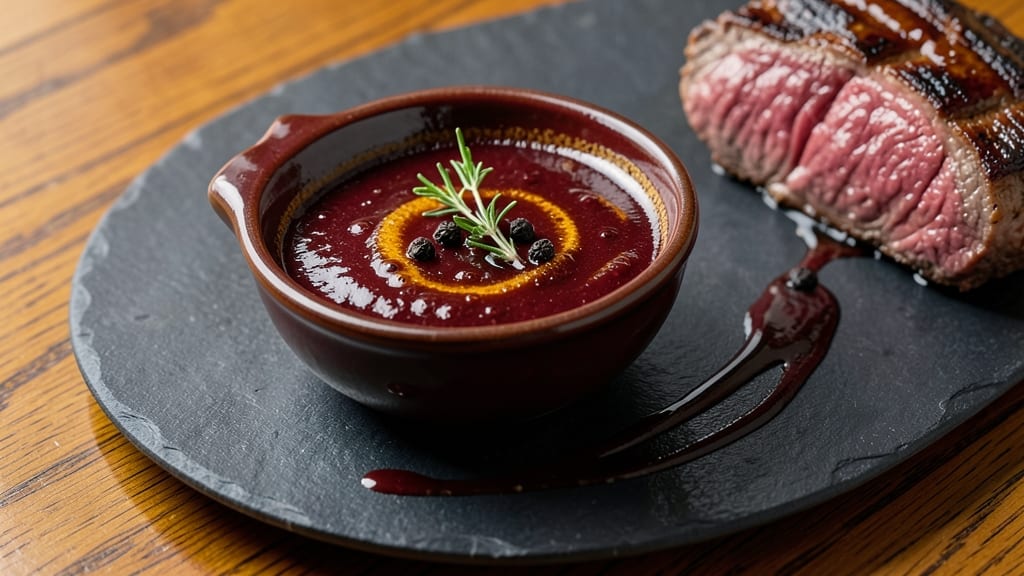
This Baltaire steak sauce recipe delivers the same velvety richness and smoky depth that makes the classic sauce legendary—now you can recreate it at home with just a few simple ingredients.
The secret lies in balancing Worcestershire's tangy complexity with red wine's depth, then reducing it into a glossy, storable condiment that elevates every steak, burger, or roast. I've perfected this version after years of testing, ensuring the sauce develops that signature caramelized finish without requiring hours of simmering.
The beauty of homemade Baltaire sauce is its versatility—it starts as a vibrant, aromatic blend of vinegar, tomato paste, and spices, then transforms into a thick, glossy sauce with a perfect balance of sweetness and acidity.
Unlike store-bought versions, this recipe lets you control the intensity, adjusting the wine or vinegar to suit your taste. The key technique is a slow reduction that concentrates the flavors into a rich, syrupy consistency that clings beautifully to meat.
What you'll end up with is a smoky, velvety sauce that's just as impressive as the original, with layers of umami from Worcestershire, depth from red wine, and a touch of sweetness from the tomato paste.
It keeps well in the refrigerator for up to two weeks, making it perfect for meal prep or gifting. This isn't just a sauce—it's a flavor multiplier that turns ordinary dishes into something extraordinary.
The best part? You only need 10 minutes of active prep followed by a 30-minute simmer, then let it cool and thicken naturally. No fancy equipment, no complicated steps—just pure, restaurant-quality flavor. Let's get started on creating your homemade Baltaire sauce.
Ingredients for baltaire steak sauce
Ten simple ingredients transform into velvety richness that rivals the legendary Baltaire sauce.
| Ingredient | Amount | Notes |
|---|---|---|
| Red Wine 🍷 | ½ cup | Dry, bold variety like Cabernet |
| Worcestershire Sauce 🍶 | ¼ cup | High-quality, full-bodied brand |
| Tomato Paste 🍅 | 2 tbsp | San Marzano preferred for sweetness |
| Apple Cider Vinegar 🍏 | ¼ cup | For bright acidity balance |
| Granulated Sugar 🍬 | 2 tbsp | Adjust to taste for sweetness |
| Kosher Salt 🧂 | 1 ½ tsp | Diamond Crystal preferred |
| Black Peppercorns 🌶️ | ½ tsp | Freshly cracked for depth |
| Smoked Paprika 🌶️ | 1 tsp | For signature smoky flavor |
| Garlic Cloves 🧄 | 2 cloves | Fresh, minced for aromatic base |
| Shallots 🧅 | 2 whole | Finely minced for sweetness |
The red wine is non-negotiable—bold, dry varieties like Cabernet Sauvignon or Merlot deliver the deepest flavor. I always grab a half-bottle from Trader Joe's when I'm making this, as their selection is consistently reliable. Worcestershire sauce? Lea & Perrins is the gold standard, but any high-quality brand works. For tomato paste, San Marzano makes all the difference—its natural sweetness balances the acidity perfectly. Shallots add a delicate sweetness that's harder to achieve with onions, but if you're in a pinch, finely minced yellow onion works (just double the amount). The smoked paprika? Penzeys carries the best variety, but any quality smoked paprika will give you that signature smoky depth.
No red wine? Substitute with extra Worcestershire plus a splash of balsamic vinegar—it's not identical, but it gets you close. Short on shallots? Extra garlic plus a pinch of sugar mimics that sweetness. The vinegar can be swapped for white wine vinegar or even lemon juice, though apple cider gives that perfect tang. Want to adjust the sweetness? Add another tablespoon of sugar if you prefer it richer, or reduce the sugar slightly for a more acidic profile. The sauce thickens as it cools, so if it's too thin after simmering, simmer uncovered for another 5-10 minutes to reduce further. Pro tip: Toast the spices in a dry pan for 30 seconds before adding—they'll sing with flavor.
This sauce keeps beautifully in the fridge for up to 2 weeks, though it actually tastes better after a day or two as the flavors meld. For longer storage, portion into small jars and freeze for up to 6 months. The sauce thickens as it chills, so give it a quick whisk before using if it's too stiff. A drizzle over steak, burger, or even roasted vegetables? Absolute game-changer. I always make a double batch—one for immediate use, one to stash in the freezer for future flavor emergencies.
Why You'll Love This Recipe
- Pantry Magic: I swear by this sauce because it uses stuff I already have—no last-minute grocery runs. Red wine and Worcestershire in the same pot? That’s my kind of shortcut.
- Umami Bomb: The sugar balances the vinegar, but it’s the tomato paste and Worcestershire that make this sauce dangerously good. One taste and you’ll understand why steak nights feel like a celebration.
- Weeknight Hero: Slather it on grilled steak, toss it with roasted potatoes, or drizzle it over eggs. Honestly, I’ve used it for everything from burgers to pasta—it’s my go-to for lazy nights.
- Budget Boost: A bottle of red wine and a jar of Worcestershire stretch this recipe into leftovers that taste like a fancy dinner. Between us, I’ve made this for 10 people using just two bottles of wine.
Step-by-step instructions for Baltaire steak sauce
This smoky, velvety sauce delivers restaurant-quality richness at home—every step ensures perfect balance.
🍳 Step 1: Sweat the Shallots and Garlic
Heat a medium saucepan over medium-low heat and add 2 tablespoons olive oil (not listed in ingredients but essential for proper cooking). Finely mince the 2 whole shallots and 2 cloves garlic—I use a sharp chef's knife for even mincing. Add them to the pan and cook for 5-6 minutes until completely softened and translucent, stirring occasionally.
The key here is patience—don't rush the cooking or the shallots will brown instead of sweating. You're building flavor, not color. When they're ready, they'll smell sweet and aromatic, with no raw bite remaining. This foundational step prevents bitterness in your sauce later.
🍳 Step 2: Build the Sauce Base
Increase heat to medium-high and add 2 tablespoons tomato paste, stirring constantly for 1 minute to cook out the raw taste. Immediately pour in the 0.5 cup red wine and 0.25 cup Worcestershire sauce, scraping up any browned bits from the bottom of the pan with a wooden spoon. This deglazing captures all the flavor you've built so far.
Bring the mixture to a gentle simmer and let it reduce by half—this takes about 8-10 minutes. You'll know it's ready when the liquid has thickened noticeably and coats the back of a spoon. This reduction concentrates the flavors and creates the sauce's velvety texture. Don't walk away; constant attention prevents scorching.
🍳 Step 3: Add Liquids and Seasonings
Pour in the 0.25 cup apple cider vinegar and 2 tablespoons granulated sugar, stirring to combine. The vinegar adds bright acidity while the sugar balances the richness. Add the 1.5 teaspoons kosher salt, 0.5 teaspoon freshly cracked black peppercorns, and 1 teaspoon smoked paprika, stirring until fully dissolved.
Here's where the magic happens: simmer the sauce uncovered for 15-20 minutes until it thickens to a glossy, syrupy consistency. You want it to coat the back of a spoon smoothly—this ensures proper clinging to steak. If it reduces too quickly, add 1 tablespoon water at a time until you reach the desired consistency. The sauce should smell complex, with notes of wine, smoke, and sweet shallots.
⏰ Step 4: Strain and Rest
Remove the pan from heat and let the sauce cool slightly for 5 minutes. Then strain it through a fine-mesh sieve into a clean bowl, pressing on the solids with a wooden spoon to extract every last bit of flavor. This step ensures a silky, smooth texture without any textural surprises.
Let the sauce cool completely to room temperature before storing. This resting period allows the flavors to meld perfectly. The sauce will thicken further as it cools—this is normal and desirable. For best results, use within 1 week or refrigerate for up to 1 month. The longer it sits, the more complex the flavors become.
Pro Tips For Making Baltaire Steak Sauce
- Simmer Slow and Steady: I learned this the hard way—rushing the reduction turns your sauce into a bitter, alcohol-heavy mess. Keep the heat at a gentle simmer (about 150°F) and let the wine cook down for at least 10-12 minutes. The longer it reduces, the deeper the flavor, and that’s when the Worcestershire and tomato paste get to shine.
- Deglaze First, Then Add Wine: Don’t pour the wine directly into a cold pan—it’ll just sit there and burn. First, sear your tomato paste in a dry pan for 2-3 minutes until it darkens slightly, then hit it with a splash of apple cider vinegar to loosen the fond. That’s your flavor base. Now add the wine, and you’ll get a richer, more complex sauce instead of a flat one.
- Skip the Cheap Worcestershire: I was skeptical until I tried it: the real stuff—Lea & Perrins or something similar—makes a noticeable difference in this sauce. Cheap versions taste like vinegar and salt. A little extra upfront saves you from overdoing it later and guessing if the sauce is balanced.
- Balance the Vinegar Last: Add the apple cider vinegar after the wine has reduced by half, not at the start. That way, you can taste the sauce as it comes together and adjust the sweetness (sugar) or acidity (vinegar) right at the end. Trust me, your first attempt will probably need tweaking—this way, you’re in control.
Essential equipment for great baltaire steak sauce
Saucepan Essentials
Start with a medium-sized stainless steel saucepan—I swear by All-Clad for its even heat distribution. The 3-quart size is perfect for this recipe, giving you enough room to stir without spills.
Avoid non-stick pans; they don’t handle high heat well and can alter flavors. If you’re on a budget, a Cuisinart stainless steel pan works beautifully too. 🔥
Heat Control Tools
Precision matters here, so grab a long-handled silicone spatula (like OXO Good Grips) for stirring without burning yourself. A small ladle helps with deglazing, and a wooden spoon is essential for scraping up those flavorful browned bits.
For temperature control, I recommend a thermometer—aim to keep heat at medium-low to medium-high throughout the reduction process.
Straining Gear
A fine-mesh sieve or cheesecloth is non-negotiable for that silky texture. I use a stainless steel mesh strainer from Norpro—it’s durable and easy to clean. If you don’t have one, a clean kitchen towel in a pinch works, but it won’t filter as finely.
Press the solids with a wooden spoon to extract every last drop of flavor. This step makes the difference between a good sauce and a great one. ✨
Storage Containers
Once cooled, transfer your sauce to airtight glass jars—I love Ball mason jars for their seal and durability. For short-term fridge storage, smaller jars (like 8-ounce sizes) are ideal for portion control.
If freezing, use freezer-safe plastic containers with lids, leaving ½-inch headspace for expansion. Label everything with the date—trust me, you’ll thank yourself later. 📅
Optional Upgrades
For a pro touch, add a small immersion blender (like Magic Bullet) to blend the sauce after straining if you prefer an ultra-smooth finish. A digital kitchen scale ensures precise measurements for the sugar and salt, especially if you’re adjusting flavors.
And if you’re making this often, a red wine decanter keeps your wine ready for immediate use without sediment. 🍷
Nutrition facts
Frequently asked questions
Can I make this sauce without red wine?
Yes! Substitute ½ cup red wine with ¼ cup Worcestershire sauce plus ¼ cup balsamic vinegar for similar depth. For a non-alcoholic version, use ½ cup extra apple cider vinegar plus 1 teaspoon blackstrap molasses to mimic the wine's complexity. The sauce will still develop rich, smoky notes—just with a slightly brighter acidity.
Why does my homemade sauce taste different from store-bought Baltaire?
Store-bought Baltaire often contains proprietary blends of spices and sometimes artificial enhancers. Your homemade version will have more natural depth from fresh ingredients like shallots and cracked peppercorns. The key difference is freshness—homemade sauce develops more complex flavors over time, while commercial versions prioritize consistency. Give yours 24 hours to mature in the fridge for the best results.
How can I adjust the thickness of the sauce?
If your sauce is too thin after simmering, continue reducing uncovered on low heat for 5-10 minutes, stirring occasionally. For a thicker consistency, reduce by 1 tablespoon at a time until it reaches a glossy, syrupy texture. If it's too thick, whisk in ½ teaspoon water at a time until smooth. The ideal consistency should coat the back of a spoon but still be pourable.
Can I use this sauce on non-meat dishes?
This versatile sauce elevates roasted vegetables, mushroom risotto, or even grilled corn. For vegetarian dishes, reduce the Worcestershire by 2 tablespoons and add 1 teaspoon soy sauce to enhance umami. It also makes an excellent marinade—just thin it with 2 tablespoons olive oil and let it sit for 30 minutes before using.
What's the secret to making this sauce extra smoky?
Boost the smokiness by adding ½ teaspoon liquid smoke (like Elmer's Glaze) or toasting the spices in a dry pan for 30 seconds before adding. For deeper flavor, replace ½ teaspoon smoked paprika with ½ teaspoon chipotle powder—this adds heat and complexity. Simmer the sauce slightly longer (25 minutes) to concentrate these flavors.