
Sauces & Condiments
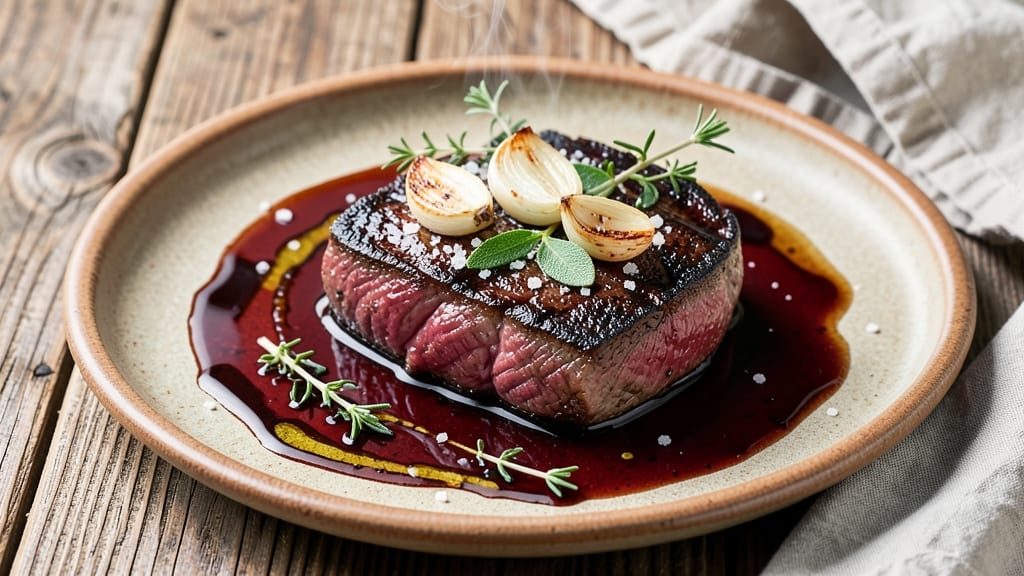
This balsamic vinegar steak sauce transforms simple ingredients into a rich, umami-packed condiment that elevates any protein in just 15 minutes. The deep caramelization from reducing balsamic vinegar creates a complex, slightly sweet-savory profile that clings perfectly to grilled meats, roasted vegetables, or even as a drizzle over pasta.
I developed this recipe after years of experimenting with quick, flavorful reductions—this version delivers restaurant-quality depth without requiring hours of simmering.
The secret lies in balancing acidity and sweetness through controlled reduction, where the vinegar mellows into a glossy, syrupy sauce with concentrated flavor. A touch of garlic and thyme adds aromatic depth, while a splash of beef broth ensures the sauce remains luscious rather than cloying.
What makes this sauce truly versatile is its ability to adapt—use it as a finishing drizzle, a marinade base, or a glaze for roasted meats.
By the time you're done, you'll have a glossy, velvety sauce that's perfect for drizzling over perfectly cooked steaks, chicken, or even grilled vegetables. The reduction process intensifies the natural sweetness of the balsamic while preserving its tangy backbone, creating a sauce that's both sophisticated and approachable.
Store it in the fridge for up to two weeks, where the flavors continue to deepen over time.
This isn't just a sauce—it's a flavor multiplier that turns ordinary meals into something extraordinary with minimal effort. Whether you're prepping for a dinner party or simply craving a quick upgrade to your weeknight dinners, this recipe delivers consistent, professional results every time.
Ingredients for balsamic vinegar steak sauce
Nine simple ingredients create a restaurant-worthy steak sauce that's quick and deeply flavorful.
| Ingredient | Amount | Notes |
|---|---|---|
| Balsamic Vinegar 🍷 | 1 cup | High-quality aged balsamic preferred |
| Beef Broth 🍲 | ½ cup | Low-sodium preferred, homemade or quality store-bought |
| Garlic Cloves 🧄 | 3 cloves | Minced, fresh for best flavor |
| Fresh Thyme Leaves 🌿 | 1 tbsp | Or 1 tsp dried thyme |
| Brown Sugar 🍚 | 2 tbsp | Light or dark, for caramelization |
| Extra-Virgin Olive Oil 🫒 | 1 tbsp | For richness and balance |
| Dijon Mustard 🍯 | 1 tsp | For depth and tang |
| Salt 🧂 | ½ tsp | Kosher or sea salt preferred |
| Black Pepper 🌶️ | ¼ tsp | Freshly ground for best flavor |
The balsamic vinegar is the backbone—look for aged balsamic in the gourmet section of Whole Foods or Trader Joe's for that rich, complex flavor. If you're using a cheaper vinegar, reduce it longer to concentrate the flavor. The beef broth adds body without overpowering; homemade or high-quality store-bought makes a noticeable difference. Fresh garlic and thyme are non-negotiable here—they bring the aromatic depth that separates this from basic balsamic glaze.
No beef broth? Vegetable broth works in a pinch, but the umami will be slightly muted. Swap brown sugar for maple syrup at half the amount if you're avoiding refined sugar, though the caramelization won't be as pronounced. Fresh thyme unavailable? Dried thyme at one-third the amount gets you close, but toast it first in a dry pan for 30 seconds to wake up the flavor. The Dijon mustard adds complexity—skip it if you prefer a sweeter sauce, but I recommend keeping it for that restaurant-quality depth.
This sauce gets better with time—let it sit at room temperature for 10 minutes before serving to allow flavors to meld. Store in an airtight container in the fridge for up to 2 weeks, where it continues to deepen in flavor. For longer storage, freeze in ice cube trays and transfer to a bag—perfect for single-use portions. Reheat gently on the stove or in the microwave, stirring occasionally to maintain its glossy texture.
Why You'll Love This Recipe
- Five-Ingredient Magic: I swear by this—just vinegar, broth, garlic, thyme, and a spoonful of brown sugar. That’s it. No fancy reductions or hours of simmering; the flavors meld while you chop veggies for the side.
- Steak’s New BFF: The balsamic and sugar caramelize into this sticky-sweet glaze that clings like a hug. Garlic and thyme add depth, so it’s not just sweet—it’s layered, like a secret weapon for your protein.
- Weeknight to Dinner Party: Slather it on grilled steak for a Tuesday night, drizzle it over slow-cooked pot roast for guests, or toss it with pan-seared chicken thighs. It’s the one sauce that works everywhere without trying too hard.
- Leftovers That Lie: Make a double batch—it keeps for weeks in the fridge, and the second use? Even better. The flavors deepen, so you’ll find yourself reaching for it long after the first time, pretending you didn’t already make enough.
Step-by-step instructions for balsamic vinegar steak sauce
This rich, umami-packed sauce comes together in minutes with simple ingredients and perfect technique.
Bloom the Aromatics in Olive Oil
Heat the 1 tablespoon extra-virgin olive oil in a medium saucepan over medium-low heat. Add the 3 minced garlic cloves and 1 tablespoon fresh thyme leaves, stirring gently to prevent burning. Cook for 1-2 minutes until the garlic becomes fragrant and just begins to turn golden around the edges.
This step develops the foundation of flavor. The thyme releases its essential oils while the garlic softens without burning—watch closely as it can go from perfect to bitter in seconds. If you're using dried thyme, reduce to ½ teaspoon and add it directly with the garlic.
Add Sugar and Mustard for Depth
Increase heat to medium and stir in the 2 tablespoons brown sugar and 1 teaspoon Dijon mustard. Cook for 1-2 minutes until the sugar begins to dissolve and the mixture turns a light caramel color. This creates the perfect balance of sweetness and tang that makes this sauce exceptional.
The sugar helps deglaze the pan slightly while adding complexity. The Dijon mustard adds a subtle tang that cuts through the richness of the balsamic. Stir constantly during this phase to prevent burning—you're looking for a smooth, integrated mixture, not a sticky caramelized crust.
Build the Sauce with Balsamic and Broth
Pour in the 1 cup balsamic vinegar and ½ cup beef broth, scraping up any browned bits from the bottom of the pan. Bring to a gentle simmer over medium heat, then reduce to low and let it cook uncovered for 8-10 minutes. You want the sauce to reduce by about half, thickening to a syrupy consistency.
This reduction process concentrates the flavors dramatically. The balsamic vinegar mellows while developing complex caramel notes, and the beef broth adds umami depth. Stir occasionally—if the sauce reduces too quickly, add 1-2 tablespoons water to maintain the proper consistency.
Season and Finish to Perfection
Remove the sauce from heat and stir in the ½ teaspoon salt and ¼ teaspoon black pepper. Taste and adjust seasoning—you may need a touch more salt depending on your broth. Let the sauce sit for 5 minutes to allow all the flavors to meld completely.
The resting period is crucial. It lets the acidity mellow slightly and allows the flavors to integrate. For an extra touch of richness, you could whisk in 1 teaspoon butter at the end, but the olive oil and balsamic already provide ample depth.
Strain and Serve Immediately
For a silky smooth texture, strain the sauce through a fine-mesh sieve into a clean saucepan. Return to low heat and simmer for 2-3 minutes to reheat if needed. Serve immediately over grilled steak, seared chicken, or roasted vegetables.
This sauce works best when fresh, as the flavors continue to develop even after cooking. If you need to store it, transfer to an airtight container and refrigerate for up to 5 days. Reheat gently over low heat, adding a splash of water if it thickens too much.
Pro Tips For Making Balsamic Vinegar Steak Sauce
- Simmer Slow and Low: I learned this the hard way—rushing the sauce on high heat turns it bitter and thin. Once the garlic and thyme hit the pan, drop the heat to a gentle simmer and let it bubble quietly for at least 15 minutes. That’s when the balsamic’s deep flavor and the beef broth’s richness meld together properly.
- Toast the Garlic: Skip raw garlic, and you’re missing half the flavor. Sear the minced cloves in a dry pan for 30 seconds until they’re just golden—this adds a nutty depth that cuts through the acidity of the balsamic. (Yes, even if you’re impatient like me, don’t skip this.)
- Balance the Acidity: Too much balsamic? The sauce will taste sharp and unbalanced. Taste as you go, and if it’s leaning sour, add a pinch of brown sugar or a splash of beef broth to round it out. I usually aim for a 3:1 ratio of broth to vinegar, but adjust based on the acidity of your vinegar.
- Strain for Smoothness: Fresh thyme leaves add aroma, but they can make the sauce look messy. After simmering, strain through a fine-mesh sieve to remove the leaves—this keeps the sauce clean and professional-looking without sacrificing flavor. (Your future self will thank you.)
Dietary considerations for this dish
Gluten-Free Adaptations
This sauce is naturally gluten-free, but always double-check your ingredients—especially the beef broth and Dijon mustard. Store-bought broths often contain hidden gluten as a thickener, so opt for certified gluten-free brands like Annie's or Imagine.
For Dijon mustard, Maille or Grey Poupon are typically gluten-free, but verify labels. The balsamic vinegar and other ingredients are inherently safe, making this a perfect sauce for gluten-sensitive diets. 🌾
Low-Sugar Options
If you're watching sugar intake, reduce the brown sugar to 1 tablespoon and replace the remaining 1 tablespoon with 1 teaspoon maple syrup or 1 teaspoon honey. Alternatively, use 1 tablespoon erythritol for a zero-calorie sweetener that still aids in caramelization.
The sauce will be slightly less syrupy but retains its depth. Taste as you go—you may need a pinch more salt to balance the reduced sweetness.
Vegetarian/Vegan Swaps
For a vegetarian version, replace the beef broth with ½ cup vegetable broth and add 1 teaspoon soy sauce (or tamari for gluten-free) to maintain umami depth. The Dijon mustard can be swapped for 1 teaspoon white wine vinegar to keep the tangy profile.
The sauce works beautifully over grilled portobello mushrooms or roasted eggplant. For vegan butter finishing, use 1 teaspoon coconut oil instead of dairy butter.
Dairy-Free Considerations
This recipe is already dairy-free, but if you're adding butter as a finishing touch, substitute with 1 teaspoon olive oil or vegan butter. The sauce's richness comes from the balsamic reduction and olive oil, so no dairy is needed.
For extra creaminess, stir in 1 tablespoon coconut cream at the end—it blends seamlessly and adds a velvety texture without altering the sauce's core flavors.
Allergen-Friendly Tips
For nut allergies, ensure all ingredients are nut-free (especially if using store-bought broths or mustard). For soy allergies, skip the soy sauce and rely on the balsamic's natural depth. If you're avoiding mustard entirely, increase the garlic to 4 cloves and add ½ teaspoon smoked paprika for complexity.
Always label your sauce clearly if sharing with others to prevent cross-contamination.
Keto-Friendly Adjustments
This sauce fits well into a keto diet with minimal tweaks. Skip the brown sugar entirely and use 1 tablespoon monk fruit sweetener instead. The beef broth and balsamic provide the necessary umami and acidity without carbs.
For extra richness, finish with 1 tablespoon heavy cream (or coconut cream for dairy-free). The sauce pairs perfectly with keto-friendly proteins like ribeye steak or chicken thighs.
Nutrition facts
Frequently asked questions
Can I make this sauce without beef broth?
Yes! For a vegetarian version, use ½ cup vegetable broth instead. To maintain depth, add 1 teaspoon soy sauce or ½ teaspoon Worcestershire sauce (check for vegetarian versions). The sauce will still be rich but with a slightly different umami profile. For vegan diets, ensure your broth and mustard are plant-based.
How do I prevent the sauce from becoming too thick or burning?
Keep the heat at low-medium during reduction and stir frequently to prevent burning. If the sauce thickens too quickly, add 1-2 tablespoons water while reducing. For a smoother texture, strain through a fine-mesh sieve after cooking. The key is patience—rushing the reduction can cause bitterness.
Can I use white balsamic vinegar instead of aged?
Technically yes, but aged balsamic provides deeper, more complex flavors. White balsamic will give a lighter, tangier sauce with less sweetness. If you must use it, reduce the sugar slightly (1 tbsp) and increase the garlic to 4 cloves to compensate. The texture will still be glossy, but the flavor profile will be more acidic.
What's the best way to store and reheat this sauce?
Store in an airtight container in the fridge for up to 2 weeks. For longer storage, freeze in ice cube trays. To reheat, warm over low heat and stir occasionally. If it thickens too much, add 1 teaspoon water at a time. Never microwave directly—it can make the sauce grainy.
How can I make this sauce even more flavorful?
For extra depth, add ½ teaspoon smoked paprika or 1 teaspoon balsamic glaze at the end. A splash of red wine (¼ cup) during reduction also enhances complexity. For richness, finish with 1 teaspoon butter or olive oil. The key is balancing sweetness, acidity, and umami—taste as you go!