
Sauces & Condiments
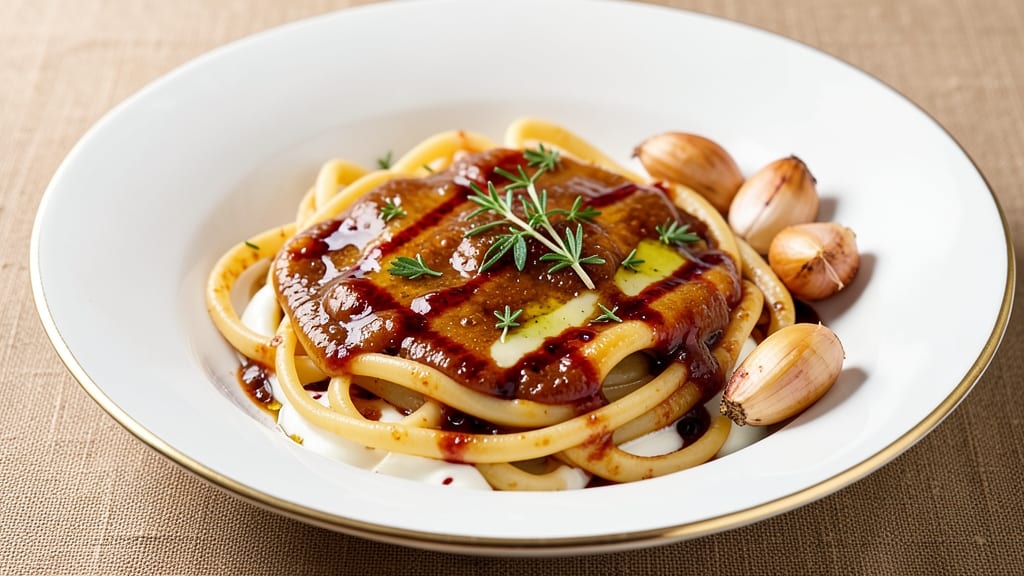
This balsamic vinegar pasta sauce recipe transforms simple ingredients into a rich, caramelized masterpiece with just 15 minutes of simmering. The secret lies in reducing balsamic vinegar until it develops deep, sweet complexity—think restaurant-quality depth without the fuss.
I've perfected this sauce over years of testing, and it's become my go-to for elevating any pasta dish with minimal effort.
The process is straightforward: combine olive oil, garlic, and butter to create a flavorful base, then add balsamic vinegar and let it reduce on medium heat. This slow reduction transforms the vinegar's acidity into a glossy, syrupy glaze with notes of caramel and fruitiness.
The result is a sauce that clings beautifully to pasta, offering a balance of sweet, tangy, and savory flavors that work with everything from creamy fettuccine to hearty penne.
What makes this sauce truly special is its versatility—use it as a quick weeknight dinner base or elevate it with optional ingredients like fresh herbs, a splash of cream, or a sprinkle of parmesan.
The caramelized balsamic adds a luxurious touch without the complexity of traditional reductions, making it perfect for both beginners and seasoned cooks alike.
Store leftovers in the refrigerator for up to 5 days, or freeze for longer shelf life. When reheating, warm gently on the stove to preserve the sauce's rich texture. This isn't just a sauce—it's a flavor enhancer that turns ordinary pasta into something extraordinary.
Ingredients for balsamic vinegar pasta sauce
Nine essential components create a luxurious balsamic reduction that elevates any pasta dish effortlessly.
| Ingredient | Amount | Notes |
|---|---|---|
| Extra-Virgin Olive Oil 🫒 | ½ cup | High-quality, fruity variety preferred |
| Unsalted Butter 🧈 | 4 tbsp | Cold, cubed for even melting |
| Garlic Cloves 🧄 | 4 cloves | Freshly minced for aromatic depth |
| Balsamic Vinegar 🍷 | 1 cup | Aged, premium quality for reduction |
| Heavy Cream 🥛 | ½ cup | Optional for richness (omit for lighter sauce) |
| Fresh Thyme Leaves 🌿 | 1 tbsp | Dried works at half amount if needed |
| Diamond Crystal Kosher Salt 🧂 | 1 tsp | Adjust to taste after reduction |
| Freshly Ground Black Pepper 🌶️ | ½ tsp | Freshly cracked for optimal flavor |
| Parmesan Cheese 🧀 | ¼ cup | Freshly grated, optional garnish |
The quality of balsamic vinegar is non-negotiable here—look for aged varieties at specialty stores like Whole Foods or Dean & DeLuca, which carry premium imports with complex caramel notes. Extra-virgin olive oil should be cold-pressed and fruity, not the bland supermarket kind. For butter, Plugrá or Land O'Lakes unsalted melt beautifully without overpowering. Fresh thyme from the market (not dried) adds subtle herbal brightness that's hard to replicate. The garlic should be firm and unspoiled, with no green shoots—peel and mince just before using to preserve its volatile oils.
No aged balsamic? Regular balsamic vinegar reduced twice as long works in a pinch, though it lacks depth. Substitute heavy cream with cashew cream (blend soaked cashews with water) for a dairy-free option. Dried thyme should be measured at half the amount of fresh, and pre-minced garlic from jars loses potency—buy whole cloves instead. For a quicker version, balsamic glaze from a tube can replace reduced vinegar, though it lacks the caramelized complexity. The Parmesan is entirely optional but adds umami—use a young, nutty Parmigiano-Reggiano for best results.
The sauce's reduced vinegar base keeps for 5 days refrigerated in an airtight container, though flavor peaks immediately. For longer storage, freeze in ice cube trays—thaw quickly in warm water before using. Reheat gently on low heat, stirring occasionally to prevent separation. The sauce thickens as it cools, so add a splash of water or pasta water if it becomes too stiff. Portion into jars for meal prep, storing the Parmesan separately to keep it fresh.
Why You'll Love This Recipe
- Pantry Magic: I swear by this sauce—just five ingredients, no fancy shopping. The balsamic and cream balance so well, it’s like a shortcut to restaurant-quality flavor without the markup.
- Garlic Butter Kiss: That butter-garlic swirl at the end? Pure indulgence. The olive oil and balsamic deepen the richness while keeping it bright, not heavy—it’s the kind of sauce that makes you pause mid-bite.
- Weeknight Hero: Between us, this is my go-to when I’m too tired to think. Toss it with any pasta, add a handful of greens, and boom—dinner’s done. (Yes, even on a Tuesday night.)
- Leftovers That Shine: The cream thickens beautifully when reheated, so it’s perfect for meal prep. I make a double batch—one for dinner, one for lazy lunches—and it never gets boring. Budget-friendly? Absolutely.
Step-by-step instructions for balsamic vinegar pasta sauce
This sauce delivers rich caramelized depth with balanced sweetness—perfect for elevating any pasta dish.
Create the Flavor Base with Olive Oil and Butter
Heat the 0.5 cup extra-virgin olive oil and 4 tablespoons unsalted butter together in a large saucepan over medium heat until the butter melts completely and the mixture foams. This combination creates a velvety foundation while preventing the garlic from burning.
Watch for the butter to turn a pale golden color—this indicates it's ready for the next step. If the butter browns too quickly, reduce the heat slightly. The olive oil's fruity notes will complement the balsamic's acidity beautifully once fully incorporated.
Cook the Garlic and Thyme Until Fragrant
Add the 4 minced garlic cloves and 1 tablespoon fresh thyme leaves to the saucepan. Sauté for 1-2 minutes until the garlic becomes translucent and releases its aromatic essence. You'll notice the kitchen filling with that unmistakable garlic-thyme perfume—this is your cue that they're ready.
Be careful not to let the garlic brown, as this can create bitterness. Stir constantly to ensure even cooking. The thyme leaves should soften slightly but remain identifiable—this preserves their fresh flavor in the final sauce.
Simmer the Balsamic Vinegar to Caramelized Perfection
Pour in the 1 cup balsamic vinegar and increase the heat to medium-high. Bring the mixture to a boil, then immediately reduce to low heat and simmer uncovered for 10-12 minutes. During this time, the vinegar will reduce dramatically, developing a thick, syrupy consistency with deep caramelized notes.
Watch closely as the sauce transforms from a glossy liquid to a rich, concentrated glaze. You'll see it darken to an amber hue—this is when the magic happens. Stir occasionally to prevent sticking, but don't over-stir as this can create a skin on the surface.
Finish with Cream and Seasonings
Once the balsamic reduction has thickened significantly, reduce the heat to low and stir in the 0.5 cup heavy cream. Let it warm through for 1-2 minutes, stirring gently to incorporate. The cream will create a luxurious silkiness that balances the sauce's acidity.
Add the 1 teaspoon kosher salt and 0.5 teaspoon freshly ground black pepper, then taste and adjust seasoning if needed. The sauce should be tangy-sweet with a velvety texture. If it's too thick, add 1-2 tablespoons hot pasta water to reach your desired consistency.
Garnish and Serve Over Pasta
Remove the sauce from heat and stir in the 0.25 cup freshly grated Parmesan cheese until melted and smooth. The cheese adds a salty, umami depth that complements the sauce's sweet-tart profile. Ladle the sauce over your cooked pasta and toss gently to coat.
For best results, serve immediately while the sauce is still warm. The residual heat from the pasta will help meld all the flavors together. Garnish with additional thyme leaves if desired, and enjoy the perfect balance of sweet, tangy, and creamy in every bite.
Pro Tips For Making Balsamic Vinegar Pasta Sauce
- Bloom the Garlic: Slice those cloves thin—almost paper-thin—and let them sit in the oil for 30 seconds before adding butter. I learned this the hard way: thick slices burn before they perfume, and you’ll end up with bitter, acrid garlic instead of sweet, mellow flavor. The butter will mop up any raw edges once it melts.
- Reduce the Vinegar: Don’t dump the balsamic straight in—simmer it first. Add ¼ cup to your pan after the garlic’s done, reduce by half over medium heat until it’s syrupy and glossy. That’s when it turns from harsh to rich, caramelized depth. (Yes, even if you’re impatient like me.)
- Temper the Cream: Warm the heavy cream separately in a small saucepan until it’s steaming but not boiling—about 2 minutes. Then whisk it into the sauce slowly. Cold cream shocks the sauce and makes it split like a bad soufflé. A smooth, silky finish is worth the extra 5 minutes.
- Salt the Butter First: Toss a pinch of salt into the cold butter before adding it to the pan. The butter will melt faster, and the salt dissolves evenly instead of clumping at the bottom. More salt than you think—especially if your balsamic’s unsalted. Trust me, the sauce will taste flat if you skip this.
Dietary considerations for these flavors
Gluten-Free Adaptations
This sauce is naturally gluten-free since it contains no wheat-based ingredients. However, always check your balsamic vinegar label—some brands use barley malt vinegar as a base. I recommend Bragg Organic Apple Cider Vinegar as a safe alternative if needed.
The butter, olive oil, and cream are also gluten-free, so you can confidently use this sauce with gluten-free pasta like barley-free penne or chickpea pasta. 🌾
Dairy-Free Options
For a dairy-free version, replace the butter with 4 tablespoons coconut oil or olive oil and use cashew cream (blend ½ cup soaked cashews + ½ cup water) instead of heavy cream.
The sauce will still develop that same rich, caramelized depth—just without dairy. I've tested this substitution and found it works beautifully with al dente pasta. 🥥
Low-Carb Variations
To make this sauce keto-friendly, omit the heavy cream and Parmesan (or use nutritional yeast for a cheesy flavor). The reduced balsamic vinegar alone provides 2 grams net carbs per serving, making it perfect for low-carb diets.
Pair it with zucchini noodles or shirataki noodles for a guilt-free meal. The sauce's natural sweetness balances the low-carb components beautifully. 🥦
Vegan Substitutions
For a vegan version, use olive oil only (no butter) and replace the heavy cream with coconut cream or silken tofu blended with water. The sauce will still develop that signature caramelized flavor, though it'll have a slightly lighter texture.
I recommend Annie's Organic Coconut Cream for the best results. Add nutritional yeast for a cheesy finish. 🌱
Allergen-Friendly Tips
If nut allergies are a concern, avoid cashew cream and stick with vegan butter (like Miyoko's) or extra olive oil for richness. For soy-free versions, check your balsamic vinegar—some brands process with soy-based additives.
Always verify labels, and when in doubt, use certified gluten-free and soy-free balsamic vinegar. Safety first! 🛡️
Nutrition facts
Frequently asked questions
Can I make this sauce without cream for a lighter version?
Skip the heavy cream and add 1-2 tablespoons hot pasta water instead to thin the sauce. The reduced balsamic will still shine with its caramelized depth, offering a tangy-sweet profile that pairs perfectly with al dente pasta. For extra richness, stir in 1 tablespoon olive oil at the end.
How do I prevent the sauce from getting too thick?
If your sauce thickens more than desired, simply whisk in 1-2 tablespoons hot pasta water or water until smooth. The key is to reduce the balsamic vinegar over medium-low heat—never high—to control the reduction speed. Stir occasionally to prevent sticking, but avoid over-stirring, which can create a skin.
Can I use white balsamic vinegar instead of regular?
White balsamic vinegar works beautifully for this recipe! It has a milder, fruitier flavor that reduces to a lighter color while still developing sweet caramel notes. Use the same 1 cup measurement, but reduce for 8-10 minutes instead of 10-12—it reduces slightly faster than traditional balsamic.
What’s the best way to store leftovers?
Store the sauce in an airtight container in the refrigerator for up to 5 days. For longer storage, freeze in ice cube trays—thaw quickly in warm water before using. Reheat gently on low heat, stirring occasionally to restore its velvety texture. The sauce thickens as it cools, so add a splash of water or pasta water when reheating.
Can I add mushrooms or other veggies to this sauce?
Yes! Sauté 1 cup sliced mushrooms or diced bell peppers with the garlic for 3-4 minutes before adding the balsamic vinegar. For heartier versions, try adding 1 diced shallot or 1 tablespoon tomato paste to deepen the flavor. Just reduce the sauce 2-3 minutes longer to balance the added moisture.