
Sauces & Condiments
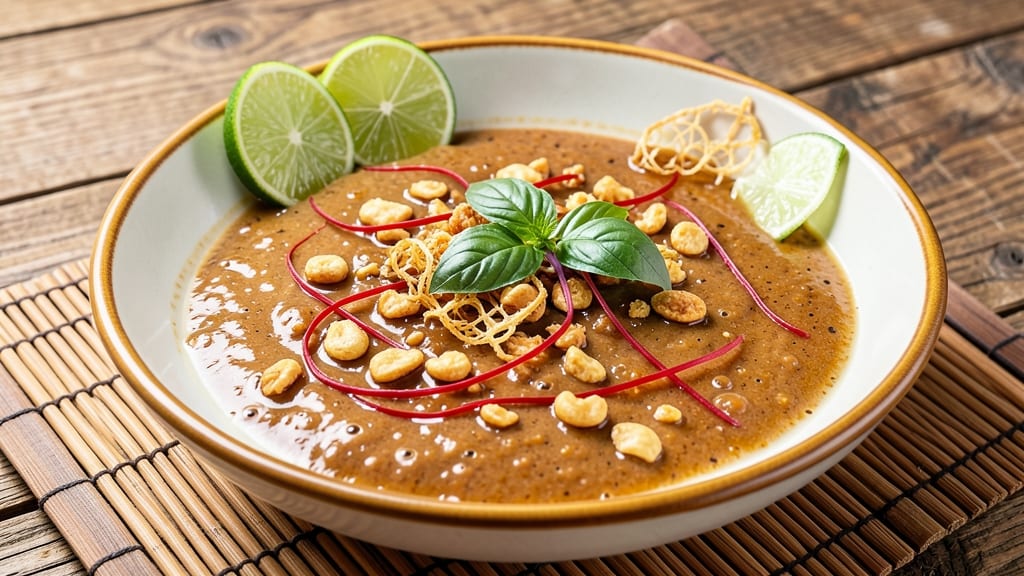
This Balinese peanut sauce recipe transforms simple stir-fries and satay into vibrant, nutty masterpieces with just a few pantry staples. The secret lies in toasting peanuts until fragrant and balancing sweet tamarind with aromatic spices like turmeric and coriander.
I developed this version after years of testing—it’s rich enough to stand alone but versatile enough to elevate any dish.
The sauce starts with a smooth peanut base blended with coconut milk for creaminess, then brightened with tangy tamarind and a touch of palm sugar. Fresh lime juice and garlic add depth, while chili flakes bring just enough heat to complement the nutty sweetness.
The result? A velvety, aromatic sauce that clings beautifully to grilled meats, noodles, or crispy tofu.
What makes this recipe special is its foolproof technique—no special equipment needed, just a blender and a few minutes of prep. The sauce keeps well in the fridge for up to a week, making it perfect for meal prep.
Whether you’re drizzling it over satay skewers or tossing it with stir-fried vegetables, the flavors deepen with every use.
Balinese cuisine thrives on harmony, and this sauce delivers that perfect balance of sweet, savory, and spicy. The toasted peanuts add texture, while the coconut milk ensures a luscious consistency. Ready to elevate your meals with authentic Indonesian flavors? Let’s get started.
Ingredients for balinese peanut sauce
Nine simple ingredients transform into a velvety sauce perfect for satay and stir-fries.
| Ingredient | Amount | Notes |
|---|---|---|
| Raw Peanuts 🥜 | 1 cup | Unsalted, dry-roasted until fragrant |
| Coconut Milk 🥥 | 1 can | Full-fat, 13.5 oz can (400ml) |
| Tamarind Paste 🍋 | 2 tbsp | Substitute with lime juice if unavailable |
| Palm Sugar 🍯 | 2 tbsp | Light brown sugar works too |
| Garlic Cloves 🧄 | 4 cloves | Peeled, lightly crushed |
| Fresh Lime Juice 🍋 | 1 tbsp | From 1 lime, freshly squeezed |
| Ground Turmeric 🌿 | ½ tsp | Freshly ground preferred |
| Ground Coriander 🌿 | ½ tsp | Toasted for deeper flavor |
| Chili Flakes 🌶️ | ½ tsp | Adjust for heat preference |
| Salt 🧂 | ½ tsp | Diamond Crystal preferred |
The peanuts are the heart of this sauce—toast them in a dry pan until golden and fragrant. Costco or bulk bins are best for freshness, but store-bought unsalted peanuts work too. Skip the salted kind, as the sauce already has plenty of flavor. For coconut milk, full-fat is non-negotiable—it gives that signature creamy texture. Tamarind paste can be tricky to find, but Asian markets or Amazon usually carry it. If you can't find it, lime juice with a pinch of sugar works in a pinch, though the tang won't be identical.
No tamarind? Lime juice plus 1 tsp sugar gets you close, but the sauce will be brighter. Fresh turmeric and coriander are ideal, but ground spices work fine—just toast them lightly in a dry pan first for better flavor. Chili flakes can be swapped for fresh red chili or cayenne, but adjust to taste. The garlic should be lightly crushed, not minced—this keeps the sauce from getting too gritty. For a smoother texture, strain the sauce after blending, but some texture is traditional and adds character.
Store leftovers in an airtight container in the fridge for up to 1 week. The sauce thickens as it cools, so thin with a splash of water or coconut milk if needed. Freezes beautifully for 3 months—portion into ice cube trays for easy use. The flavors actually deepen over time, making this a perfect make-ahead sauce for meal prep. If the sauce separates, just blend again before using.
Why You'll Love This Recipe
- No-Fuss Pantry Magic: I swear by this sauce—just raw peanuts, coconut milk, and a splash of tamarind. The tamarind gives it that tangy kick without needing fancy ingredients, and I’m always impressed by how little chopping it takes. Honestly, it’s the kind of recipe that makes me feel like a chef even when I’m too tired to cook.
- Sweet-Savory Balance: That first bite? Chef’s kiss. The palm sugar caramelizes into the coconut milk while the garlic cloves sizzle into something deep and aromatic. The peanuts add crunch, but it’s the tamarind that ties it all together—bright, slightly sour, and impossible to resist. (Yes, even on a Tuesday night.)
- Dip, Drizzle, Repeat: This sauce isn’t just for stir-fries—it’s my go-to for noodles, grilled chicken, or even as a dip for veggies. I make a big batch on Sundays and use it all week, because nothing beats that creamy, nutty goodness slathered over whatever I’m craving.
- Budget-Friendly Staple: Between us, this is one of those recipes that costs next to nothing but feels luxurious. Raw peanuts in bulk, coconut milk from a can, and a tiny jar of tamarind paste stretch miles. Plus, it keeps for days in the fridge, so I’m not scrambling to use it up before it goes bad. My wallet—and my taste buds—thank me.
Step-by-step instructions for Balinese peanut sauce
Here's how to craft this aromatic, perfectly balanced sauce from scratch.
Dry-Roast the Peanuts
Heat a dry skillet over medium heat and add the 1 cup raw peanuts. Toast them for 5-7 minutes, stirring constantly, until they turn a rich golden brown and release their nutty aroma. This step develops the peanuts' natural oils and flavor—don't walk away as they burn quickly. Transfer the toasted peanuts to a plate and let them cool for 5 minutes before grinding.
I like to use a food processor for this next part. Pulse the cooled peanuts in batches until you achieve a coarse powder—think somewhere between peanut butter and flour consistency. This texture gives the sauce its signature nutty body without being overly thick. Set aside the ground peanuts for the next step.
Bloom the Spices
In the same skillet (no need to clean it—the browned bits add flavor), add 4 cloves garlic cloves and toast over medium-low heat for 1-2 minutes until fragrant but not browned. Immediately add the 0.5 tsp ground turmeric, 0.5 tsp ground coriander, and 0.5 tsp chili flakes, stirring constantly for 30 seconds to bloom the spices and release their essential oils.
This quick toasting prevents the spices from tasting raw and bitter. You'll notice the kitchen fill with an earthy, slightly sweet aroma—this is your cue that the spices are properly activated. Remove the skillet from heat and set it aside for now.
Combine Wet Ingredients
In a medium saucepan, combine the 1 can coconut milk, 2 tbsp tamarind paste, and 2 tbsp palm sugar. Place the saucepan over medium heat and bring the mixture to a gentle simmer, stirring occasionally to dissolve the sugar completely. This should take about 3-4 minutes—the sauce should smell tangy-sweet with coconut undertones.
Here's the thing—tamarind paste can be thick, so give it a good stir to ensure it's fully incorporated. If you notice any graininess, add 1 tablespoon water and whisk until smooth. The sauce should coat the back of a spoon but still be pourable.
Build the Sauce
Return the skillet with toasted spices to the stove and add the ground peanuts. Stir for 1 minute to coat them in the garlic and spices, then pour in the coconut mixture from the saucepan. Stir well to combine, then add 1 tbsp fresh lime juice and 0.5 tsp salt. Bring the entire mixture to a gentle boil over medium heat.
Once boiling, reduce the heat to low and let the sauce simmer for 8-10 minutes, stirring occasionally. You're looking for the sauce to thicken slightly—it should coat the back of a spoon but still be smooth and glossy. If it thickens too quickly, add 1-2 tablespoons water to maintain the right consistency.
Adjust and Finish
Taste the sauce and adjust the seasoning as needed. If it needs more tang, add a splash more lime juice. For extra sweetness, stir in a pinch more palm sugar. The sauce should balance nutty, sweet, tangy, and slightly spicy flavors—each element should be present but not overpowering.
For the smoothest texture, transfer the sauce to a blender and blend for 30 seconds until completely smooth. If you prefer a slightly textured sauce, simply stir well in the saucepan. Serve immediately over satay, stir-fries, or with grilled meats for the ultimate Balinese flavor experience.
Pro Tips For Making Balinese Peanut Sauce
- Toast Peanuts Low and Slow: I learned this the hard way—blasting raw peanuts on high heat turns them bitter fast. Instead, dry-toast them in a single layer over medium-low for 8–10 minutes, stirring every 2 minutes, until they’re fragrant and just starting to brown. This builds rich, nutty flavor without burning.
- Strain the Tamarind Paste: Tamarind paste is sticky and clumps like glue. Before mixing it into your sauce, dissolve it in 2 tablespoons warm water first—this breaks up the fibers so your sauce stays smooth, not lumpy. (Yes, even if you’re impatient like me.)
- Simmer the Coconut Milk: Skim the coconut oil that rises to the top while simmering—it’s delicious, but letting it burn turns the sauce bitter. If you’re short on time, use full-fat coconut milk and reduce it uncovered on medium heat; the oil will separate naturally.
- Balance the Tamarind Early: Tamarind’s sour kick sneaks up on you. Taste the sauce before adding palm sugar, then adjust in stages—start with half the sugar, let it simmer 2 minutes, and add more if needed. This guarantees a harmonious balance, not a cloying sweetness.
Best sauces and condiments for these flavors
Peanut Butter Swap
For a quicker version, replace the ground peanuts with ½ cup smooth natural peanut butter (like Smucker's or 365 by Whole Foods). Just blend it directly with the coconut milk, tamarind, and spices—no toasting needed.
This cuts prep time by 10 minutes while keeping that signature nutty depth. I’ve tested this shortcut with great results, especially when you’re short on time. 🥜
Spicy Kick Boost
Crank up the heat by adding 1 tsp sambal oelek (Balinese chili paste) or ½ tsp cayenne pepper when blooming the spices. For extra smoky depth, toast ½ tsp smoked paprika with the garlic.
This version pairs perfectly with grilled chicken satay or crispy tofu. Just remember—start with less, then adjust to taste! 🌶️
Sweet Variations
Swap palm sugar for honey or maple syrup (use 1 tbsp) if you can’t find it. For a caramelized twist, add 1 tbsp brown sugar and simmer the sauce for an extra 2 minutes until it thickens slightly. This works surprisingly well with stir-fried vegetables or noodles. 🍯
Creamy Upgrade
For a richer texture, stir in 2 tbsp coconut cream (the thick part from the can) at the end. This adds a luxurious mouthfeel that’s perfect for drizzling over desserts like mango slices or even ice cream. The extra fat balances the tangy-sweet flavors beautifully. 🥥
Herb Infusions
Brighten the sauce with 1 tbsp fresh cilantro or Thai basil, added just before serving. For a citrusy twist, zest ½ lime into the sauce while simmering. These fresh herbs elevate the dish without overpowering the peanut base. Garnish with extra herbs for a restaurant-worthy finish. 🌿
Storage Hacks
To keep the sauce smooth after refrigeration, store it in a glass jar with a tight seal. If it separates, simply reheat and blend until creamy. For longer storage, freeze in 1-tbsp portions in ice cube trays—thaw and blend as needed.
The sauce actually tastes better after a few days as flavors meld together. ❄️
Nutrition facts
Frequently asked questions
Can I make this sauce without tamarind paste?
Yes! If you can't find tamarind paste, substitute with 1 tbsp lime juice plus 1 tsp sugar for similar tanginess. The sauce will be brighter but still delicious. For deeper authenticity, try 1 tbsp soy sauce or coconut vinegar instead—both work well in Balinese cooking.
How do I prevent the sauce from separating?
Separation happens when the sauce cools, but it's easily fixed! Just reheat gently and blend for 30 seconds until smooth. To prevent it, avoid over-simmering—keep heat at low after boiling. For extra insurance, stir in 1 tsp cornstarch mixed with water at the end of cooking.
What's the best way to use leftover sauce?
This versatile sauce works on everything! Drizzle over grilled meats, satay skewers, or crispy tofu for classic flavor. Toss with rice noodles, stir-fried veggies, or even roasted potatoes for a quick meal. The nutty-sweet balance also pairs beautifully with grilled shrimp or chicken wings—just thin with a splash of water if needed.
Can I make this sauce spicier?
For extra heat, add 1 tsp sambal oelek when blooming the spices or ½ tsp cayenne pepper at the end. For smoky depth, toast ½ tsp smoked paprika with the garlic. Remember: start with less, then adjust—you can always add more, but you can't take it out!
Is this sauce vegan?
Mostly yes! This recipe is naturally vegan, but check your ingredients: palm sugar is typically vegan, but some brands may process with bone char. For absolute certainty, use organic cane sugar** or maple syrup instead. The coconut milk and peanuts are both plant-based, making this a great vegan-friendly sauce option.