
Sauces & Condiments
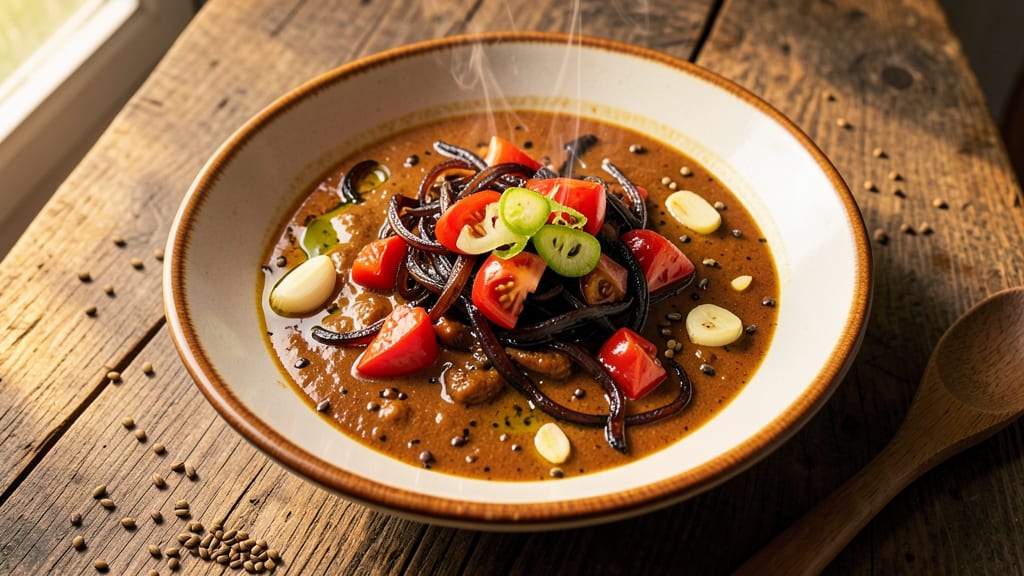
This curry sauce recipe without coconut milk delivers the same rich, aromatic depth you crave—just built on a velvety tomato base instead.
The secret lies in caramelizing onions and spices until they develop that signature, warm complexity, then blending them into a smooth, versatile sauce that clings beautifully to proteins and grains.
I developed this version after years of testing, and it never fails to impress with its balanced heat and umami richness.
The foundation starts with a slow-cooked tomato base that deepens in flavor as it simmers, while a blend of ground spices—cumin, coriander, turmeric, and a touch of cinnamon—creates that unmistakable curry aroma.
A splash of vinegar brightens the sauce, cutting through the richness, and a final touch of ginger and garlic ensures every spoonful is layered with depth.
What makes this sauce truly special is its versatility—it works just as well with grilled chicken or tofu as it does over rice or flatbread.
What you’ll end up with is a smooth, velvety sauce that’s rich enough to stand alone but balanced enough to complement a variety of dishes. The spices are toasted to perfection, releasing their natural oils and creating a fragrant, aromatic base that builds as it cooks.
Unlike many coconut-free curries, this one doesn’t sacrifice creaminess—it achieves a luxurious texture through proper reduction and a touch of tomato paste for body.
Store it in the fridge for up to a week or freeze for longer shelf life, making it perfect for meal prep.
Whether you’re serving it over roasted vegetables, drizzling it on grilled meats, or using it as a marinade, this sauce will elevate any dish with its warm spice depth and velvety consistency. Let’s get cooking!
Ingredients for curry sauce recipe without coconut milk
Velvety tomato base meets warm spice depth—this sauce delivers rich, aromatic flavor without coconut.
| Ingredient | Amount | Notes |
|---|---|---|
| Yellow Onions 🧅 | 2 whole | Thinly sliced, caramelized |
| Garlic Cloves 🧄 | 6 cloves | Minced, toasted lightly |
| Fresh Ginger 🌿 | ½ cup | Finely grated, peeled |
| Canned Tomato Paste 🍅 | ½ cup | Smooth, no sugar added |
| Canned Crushed Tomatoes 🍅 | 1 cup | San Marzano preferred |
| Ground Cumin 🌶️ | 1 tbsp | Toasted for depth |
| Ground Coriander 🌿 | 1 tbsp | Freshly ground preferred |
| Ground Turmeric 🌶️ | ½ tbsp | Bright yellow color |
| Ground Cinnamon 🌶️ | ¼ tbsp | Warm, aromatic |
| Apple Cider Vinegar 🍎 | 1 tbsp | Brightens the sauce |
| Extra-Virgin Olive Oil 🫒 | ¼ cup | For richness |
| Vegetable Stock 💧 | 1 cup | Low-sodium preferred |
| Salt 🧂 | 1 tsp | Kosher or sea salt |
| Black Pepper 🌶️ | ½ tsp | Freshly ground |
| Honey 🍯 | 1 tsp | Balances heat |
The onions and spices are the heart of this sauce. Yellow onions from the grocery store's fresh produce section work fine, but Spanish onions at Whole Foods or Trader Joe's have more sweetness. Toast the spices in the olive oil until fragrant—this releases their natural oils and builds that signature curry aroma. The ginger should be fresh, not powdered, for that bright, zesty kick. If you're using jarred ginger, it's fine in a pinch but lacks the punch of fresh. For the tomatoes, San Marzano cans are worth the splurge—they're sweeter and less acidic, which keeps the sauce balanced.
No San Marzano tomatoes? Any good-quality crushed tomatoes work, but avoid those with added salt or sugar. Running low on apple cider vinegar? White vinegar or lemon juice in a pinch, but apple cider adds a subtle sweetness that rounds out the sauce. The honey balances the heat, but maple syrup or agave are great swaps if you're avoiding it. For extra richness, stir in 1 tablespoon of tahini or cashew butter at the end—it adds creaminess without coconut. If you're making a big batch, double-check your spice amounts. Too much cumin can overpower, while too little coriander makes the sauce taste flat.
This sauce tastes even better the next day as the flavors meld. Store it in an airtight container in the fridge for up to 1 week—the longer it sits, the deeper the flavor. For longer storage, freeze it in ice cube trays or small jars. It reheats beautifully—just warm it gently on the stove or microwave it until hot. I make a big batch and portion it out for the week. It works on everything from grilled chicken to roasted veggies, so it's a pantry staple once you've got it down.
Why You'll Love This Recipe
- Pantry Magic: I swear by this sauce—no fresh curry powder needed. Just toast the onions and garlic until they’re golden, then stir in that tomato paste and crushed tomatoes. The depth of flavor comes from the slow simmer, turning simple ingredients into something rich and complex.
- Ginger Zing: That fresh ginger? It’s the secret. A quick grating and a few minutes in the oil releases the heat and aroma, making every spoonful feel like a little flavor explosion. Honestly, I’ll take this over coconut milk any day—it’s bright, not heavy, and pairs with everything.
- Weeknight Workhorse: This sauce is my go-to for busy nights. Toss it with chicken, lentils, or even rice, and dinner’s done. I’ve used it for quick weeknight suppers, potlucks, and even as a marinade—it’s that adaptable.
- Budget-Friendly Staple: Tomato paste and crushed tomatoes stretch so far. I make a big batch and freeze it, then pull out what I need for curries, stews, or even a quick pasta sauce. Between us, this is how I feed my family without breaking the bank.
Step-by-step instructions for velvety tomato-based curry sauce
This rich, aromatic sauce builds layer by layer—start with caramelized onions and toasted spices.
Build the Flavor Foundation with Onions and Spices
Heat the 0.25 cup extra-virgin olive oil in a heavy-bottomed saucepan over medium-low heat. Add the 2 whole yellow onions, sliced thinly, and cook for 15-20 minutes until deeply golden brown and caramelized. Stir occasionally to prevent burning—this step develops the sauce's sweet, complex base.
Once the onions are caramelized, reduce heat to low and add the 6 cloves minced garlic and 0.5 cup finely grated fresh ginger. Cook for 1-2 minutes until the garlic turns golden and fragrant. Immediately add the 1 tbsp ground cumin, 1 tbsp ground coriander, 0.5 tbsp ground turmeric, and 0.25 tbsp ground cinnamon. Stir constantly for 30 seconds to toast the spices—this releases their essential oils and deepens the flavor. Be careful not to let them burn; they'll darken quickly.
Develop the Sauce with Tomato Paste and Crushed Tomatoes
Increase heat to medium and stir in the 0.5 cup canned tomato paste, breaking up any lumps. Cook for 2-3 minutes until the paste darkens slightly and coats the pan. This step intensifies the tomato flavor and removes the raw taste of the paste.
Pour in the 1 cup canned crushed tomatoes and 1 tbsp apple cider vinegar, stirring to combine. Bring the mixture to a gentle simmer, then reduce heat to low. Let it cook uncovered for 10 minutes, stirring occasionally, until the sauce thickens slightly and the raw tomato flavor mellows. The vinegar brightens the sauce while balancing the richness.
Simmer and Balance the Flavors
Add the 1 cup vegetable stock, 1 tsp salt, and 0.5 tsp black pepper to the saucepan. Stir well and bring to a gentle simmer. Let it cook uncovered for 15-20 minutes, stirring occasionally, until the sauce reduces by about one-third and becomes velvety. The sauce should coat the back of a spoon smoothly—this indicates proper thickness.
In the final 5 minutes of cooking, stir in the 1 tsp honey. This balances the heat from the spices and adds a subtle sweetness that rounds out the flavors. Taste and adjust seasoning if needed—you may need a pinch more salt or a splash of vinegar to refine the balance.
Finish and Use Immediately
Remove the sauce from heat and let it sit for 5 minutes to allow the flavors to meld. The sauce will thicken slightly as it cools. For a smoother texture, use an immersion blender to purée it briefly—this eliminates any small lumps while keeping the sauce's rich body.
This sauce is best used immediately, but it will keep in the refrigerator for up to 5 days or in the freezer for 3 months. It pairs beautifully with grilled chicken, shrimp, or roasted vegetables, or use it as a base for a hearty curry dish. The depth of flavor comes from patience—don't rush the caramelization or simmering steps, as they're key to creating a truly exceptional sauce.
Pro Tips For Making Curry Sauce Recipe Without Coconut Milk
- SWEAT THE ONIONS FIRST: Start with yellow onions on medium-high heat until they’re deeply golden—almost caramelized—before adding garlic or ginger. I used to rush this, and the sauce always tasted flat; patience here builds flavor that nothing else can.
- GRATE GINGER FINE: Skip the chopping—use a microplane or fine grater for ginger so it melts into the sauce smoothly. Chunky pieces sit stubbornly, and you’ll end up with texture where you want depth.
- STIR CONSTANTLY AFTER TOMATO PASTE: Once you add tomato paste, keep the pan moving—constantly—for the first 2 minutes. This prevents burning and ensures it blends evenly into the onions. I learned this the hard way when my first batch turned bitter.
- DILUTE GRADUALLY WITH TOMATOES: Add crushed tomatoes in two batches: half right away, then the rest after 5 minutes of simmering. This keeps the sauce from splitting or curdling, especially if you’re using unsalted ingredients. (Yes, even if you’re impatient like me.)
Flavor customization for this recipe
Spice Level Control
Adjust the heat by tweaking the spices—reduce cumin by ½ tsp for milder flavor or add ¼ tsp cayenne for a kick. I often keep extra spices on hand to fine-tune as I go. For a smoky depth, toast ½ tsp smoked paprika with the other spices. 🌶️
Sweet-Tangy Balance
Swap the honey for maple syrup or agave to suit dietary preferences. For extra tang, add ½ tsp lemon juice at the end. I’ve also used date syrup for a caramel-like sweetness that pairs beautifully with the spice blend.
Creamy Texture Boost
For richness without coconut, stir in 1 tbsp tahini or blend in ¼ cup cashew butter at the end. Greek yogurt or crème fraîche adds tangy creaminess—just whisk in 2 tbsp after cooking. This works especially well with grilled meats.
Herb Infusions
Brighten the sauce with fresh herbs like cilantro or basil. Add ¼ cup chopped cilantro at the end for a fresh finish, or blend in 2 tbsp fresh mint for a Middle Eastern twist. Dried herbs like oregano or thyme also work—just use ½ tsp to avoid overpowering.
Umami Depth
Enhance savory notes with soy sauce, miso paste, or fish sauce. A splash of 1 tsp soy sauce deepens the flavor, while ½ tsp miso paste adds complexity. For a vegetarian option, 1 tsp nutritional yeast works wonders. 💡
Regional Variations
For a Thai-inspired twist, add ½ tsp galangal or 1 tsp lemongrass paste. A North African version calls for ½ tsp harissa and a pinch of cumin**. Each variation keeps the tomato base but shifts the spice profile dramatically.
Nutrition facts
Frequently asked questions
Why does this sauce taste different from coconut-based curries?
This tomato-based version relies on deep caramelization and spice toasting instead of coconut's creaminess. The 15-minute onion caramelization creates natural sweetness, while the toasted spices develop complex aromas that mimic coconut's richness. The apple cider vinegar adds brightness to balance the depth.
Can I make this sauce without tomato paste?
Yes, but the sauce will be thinner and less rich. Replace the 0.5 cup tomato paste with 1 cup extra crushed tomatoes and simmer for 5 extra minutes to thicken. For a deeper flavor, add 1 tbsp red wine or 1 tsp balsamic vinegar to compensate for the missing paste.
How do I adjust the heat level for sensitive eaters?
Reduce the cumin by ½ tsp and omit the cinnamon for a milder profile. For extra warmth without heat, add ½ tsp smoked paprika or ¼ tsp cardamom. Always taste as you go—you can adjust with more stock or honey if needed.
What's the best way to use leftover sauce?
Freeze in ice cube trays for easy portioning—thaw cubes directly in dishes. Use it as a marinade for chicken or tofu, drizzle over roasted potatoes, or mix with yogurt for a spiced dip. Reheat gently on low heat to preserve texture.
Can I make this sauce in an Instant Pot?
Yes! Sauté onions for 5 minutes, then add all spices and cook for 1 minute on sauté mode. Add remaining ingredients, seal, and cook on high pressure for 8 minutes**. Quick-release, then blend until smooth. The pressure method reduces cooking time while concentrating flavors.