
Sauces & Condiments
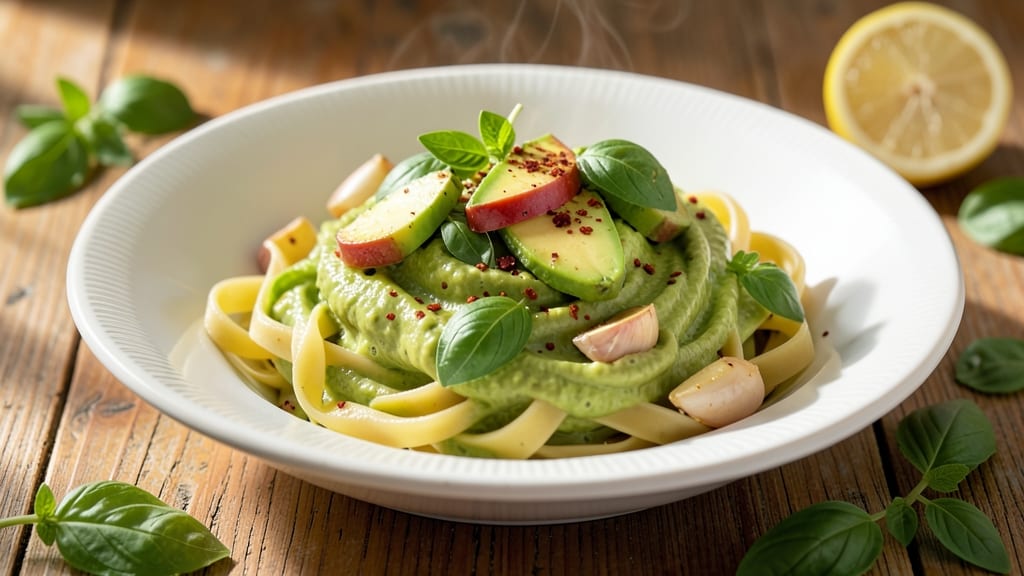
This avocado cream pasta sauce recipe transforms simple ingredients into a velvety, ultra-smooth sauce that clings to every noodle like a dream. 💚 The secret lies in blending ripe avocado with tangy lemon, fresh herbs, and just the right amount of cream (or dairy-free alternative) for a texture that's impossibly creamy without cooking.
I developed this recipe during a particularly busy week when I needed a quick, healthy sauce that still felt indulgent—it became an instant pantry staple.
The magic happens in the blending process, where avocado's natural fats create an effortless creaminess that's lighter than traditional béchamel but just as satisfying. Garlic, basil, and a touch of red pepper flakes add layers of flavor that elevate even the simplest pasta dish.
What makes this sauce special is its versatility—it works as a rich pasta sauce, a luscious dip, or a vibrant topping for grilled proteins.
What you'll end up with is a sauce that's smooth, herby, and tangy—perfect for tossing with al dente pasta or drizzling over roasted vegetables. The best part? It comes together in just 10 minutes with no cooking required, making it ideal for weeknight dinners or last-minute entertaining.
The sauce also stores beautifully in the fridge for up to 5 days, so you can make a batch ahead and enjoy it all week.
Whether you're serving it over spaghetti, using it as a dip for crusty bread, or drizzling it over grilled chicken, this avocado cream sauce delivers restaurant-quality results with minimal effort. Let's get started—your taste buds will thank you.
Ingredients for avocado cream pasta sauce
Nine ingredients transform into a velvety, no-cook sauce that feels like a restaurant secret.
| Ingredient | Amount | Notes |
|---|---|---|
| Ripe Avocados 🥑 | 2 whole | Pitted, flesh scooped |
| Heavy Cream 🥛 | ½ cup | Full-fat for richness |
| Lemon Juice 🍋 | 2 tbsp | Freshly squeezed |
| Fresh Basil Leaves 🌿 | ½ cup | Packed, stems removed |
| Garlic Cloves 🧄 | 3 cloves | Peeled, roughly chopped |
| Red Pepper Flakes 🌶️ | ½ tsp | Adjust for heat preference |
| Extra-Virgin Olive Oil 🫒 | 2 tbsp | For richness and balance |
| Salt 🧂 | ½ tsp | Kosher or sea salt |
| Black Pepper 🌶️ | ¼ tsp | Freshly ground |
| Unsalted Butter 🧈 | 1 tbsp | Optional, for extra creaminess |
The avocados are everything here. Ripe ones—slightly soft when squeezed—yield the creamiest texture. Trader Joe's and Whole Foods usually have the best selection, but any grocery store will do. I like to grab two Hass avocados and check for no bruising or brown spots. The basil should be fresh too—bright green leaves with no wilt. If you're short on time, frozen basil works in a pinch, but fresh gives that unmatched herby zing. The garlic cloves? Fresh is non-negotiable—jarred minced garlic has a completely different flavor.
No heavy cream? Full-fat coconut milk or Greek yogurt work beautifully for a lighter option. Short on basil? Fresh parsley or cilantro at half the amount keeps the vibe going. The red pepper flakes can be swapped for smoked paprika if you prefer a milder, sweeter note. Need to skip the butter? Extra olive oil does the trick—just add another tablespoon. The lemon juice is key for that tangy brightness, so don’t skimp. If you’re making this ahead, add the lemon juice last to keep the sauce vibrant longer.
This sauce keeps beautifully in the fridge for up to 5 days, sealed in an airtight container with a thin layer of olive oil on top to preserve color. For longer storage, freeze in ice cube trays—perfect for single servings. The texture might thicken slightly when chilled, so give it a quick stir before using. I love making a big batch on Sundays so I’ve got sauce ready for the week. It’s also a fantastic dip for crusty bread or a topping for grilled veggies—versatility at its best.
Why You'll Love This Recipe
- No Blender Needed: I swear by this—just mash the avocado with a fork right in the pan. No pulsing, no straining, no cleanup. The texture ends up silky but still has that little bite from the garlic and lemon zest I add while stirring.
- Creamy Without Guilt: The heavy cream makes it rich, but the avocado keeps it light. Honestly, I double the basil at the end because it cuts through the richness like a fresh breeze. It’s the kind of sauce that feels indulgent but won’t weigh you down.
- Leftover Goldmine: This sauce actually improves the next day. The flavors meld, and it’s perfect for tossing with grilled chicken or even scrambled eggs. I keep a jar in the fridge for lazy mornings—just reheat and drizzle.
- Weeknight Magic: Five ingredients, 15 minutes max. I’ll be real: I’ve made this on Tuesdays after a long day when takeout sounded better than dinner. The lemon brightens it up so much, it doesn’t taste like a shortcut—it tastes like thoughtful.
Step-by-step instructions for avocado cream pasta sauce
This ultra-smooth sauce comes together in minutes with no cooking required.
👨🍳 Step 1: Prep All Ingredients for Perfect Blending
Start by pitting the 2 whole ripe avocados and scooping out all the flesh into a food processor or high-powered blender. I like to use a microplane to remove every last bit—don't leave any avocado behind or your sauce will be thinner than expected. Add the 1 tablespoon unsalted butter (if using) to the avocado while it's still in the processor.
In a small bowl, combine the 0.5 cup fresh basil leaves (stems removed) and 3 cloves garlic cloves (peeled). Use the flat side of a chef's knife to gently press the garlic cloves to break them down slightly—this makes them easier to blend. Set this aside for now. The prep work is quick, but doing it thoroughly ensures your sauce will be perfectly balanced and vibrant.
🍳 Step 2: Blend Avocado Base Until Silky Smooth
With the food processor running, slowly pour in the 0.5 cup heavy cream and 2 tablespoons lemon juice. The lemon juice is key here—it prevents the avocado from browning and adds that bright, fresh zing. Process for about 1-2 minutes until completely smooth, scraping down the sides with a spatula as needed.
Here's the thing—you want this base to be completely smooth with no visible texture. If you see any avocado chunks, blend for another 30 seconds. This is your foundation, so take your time. The mixture should look like thick, creamy mayonnaise at this point. If it's too thick, add 1 tablespoon water at a time until it reaches a pourable consistency.
🥘 Step 3: Add Aromatics and Seasonings
Add the prepared basil and garlic mixture to the food processor along with the 2 tablespoons extra-virgin olive oil, 0.5 teaspoon salt, 0.25 teaspoon black pepper, and 0.5 teaspoon red pepper flakes. Pulse just until everything is incorporated—you don't want to over-blend or the basil will turn to mush. Taste and adjust seasoning if needed; I usually need a bit more salt and pepper to balance the richness.
This is where the magic happens. The basil adds freshness, the garlic brings depth, and the red pepper flakes give it just the right kick. The olive oil ties everything together, preventing the sauce from being too heavy. Give it one final taste—you should notice the bright citrus from the lemon, the creaminess from the avocado and cream, and the herbal notes from the basil all working together.
⏰ Step 4: Thin and Adjust to Perfect Consistency
For the best texture, you want a sauce that's thick enough to coat pasta beautifully but still flows smoothly. If needed, thin with 1-2 tablespoons warm water or pasta water, 1 tablespoon at a time, until it reaches your desired consistency. I find this sauce works perfectly when it's like heavy cream—thick enough to cling but still pourable.
Transfer the sauce to a bowl and taste again. Here's the moment that matters: if it needs more brightness, add another ½ teaspoon lemon juice. If it needs more richness, stir in another ½ tablespoon heavy cream. The sauce should be perfectly balanced—creamy but not greasy, flavorful but not overpowering. Cover and refrigerate if not using immediately, but I promise you'll want to use it right away.
🍽️ Step 5: Toss with Cooked Pasta for Ultimate Creaminess
Cook your favorite pasta according to package instructions until al dente. Reserve ½ cup pasta water before draining. Toss the drained pasta with the avocado cream sauce, adding pasta water as needed to create a silky coating. The residual starch in the pasta water helps the sauce cling beautifully to each strand.
Serve immediately while the pasta is hot. The sauce should coat the pasta perfectly, with each bite delivering creamy avocado, rich basil, and a hint of spicy kick. If the sauce starts to thicken as it sits, simply stir in a splash of warm water or pasta water to restore its smooth consistency. This dish is a game-changer for anyone who loves creamy pasta without the heaviness of traditional béchamel.
Pro Tips For Making Avocado Cream Pasta Sauce
- MASH DON’T BLEND: Avocados oxidize fast—skip the blender and mash them with a fork first. This keeps the texture smoother and prevents that weird grainy bite when you mix in the cream later. (Yes, even if you’re impatient like me.)
- COOK GARLIC LOW: Garlic burns in a flash, and once it’s bitter, nothing fixes it. Sauté those cloves in the same pan you’ll use for the sauce on medium-low heat until just fragrant—about 60 seconds. No need to brown them; you’re not making garlic confit here.
- SALT THE CREAM: Heavy cream tastes bland on its own, and adding salt at the end won’t cut it. Mix a pinch (½ tsp) into the warm cream before combining it with the avocado. This balances the richness and lets the lemon shine without overpowering.
- STIR IN BASIL LAST: Basil wilts and turns bitter if it sits in hot cream. Tear the leaves roughly (more surface area = better flavor) and fold them in just before serving. If you’re prepping ahead, store the sauce and basil separately and mix them when ready to eat.
Pro cooking tips for this recipe
Blending Like a Pro
Use a high-powered blender or food processor for the smoothest texture—I swear by my Vitamix for this. The key is blending the avocado first until it's completely smooth before adding other ingredients.
If you see any chunks, blend for another 30 seconds to ensure a velvety finish. For extra smoothness, add 1 tablespoon ice water while blending—it helps emulsify the sauce beautifully. 💚
Prevent Browning
Lemon juice is your best friend here—it preserves the avocado's vibrant green color and prevents oxidation. Always add it last when blending, and if making ahead, store the sauce with a thin layer of olive oil on top.
For extra insurance, squeeze a little more lemon juice before serving to keep that fresh, bright flavor. I've found that adding ½ teaspoon citric acid (found in baking aisles) also helps maintain color for longer storage.
Texture Control
If your sauce turns out too thick, thin it with pasta water instead of regular water—the starch helps the sauce cling better to noodles. For a richer texture, stir in 1 tablespoon unsalted butter or 1 tablespoon heavy cream while blending.
The ideal consistency should be like heavy cream—thick enough to coat but still pourable. I like to test this by drizzling a little on warm pasta to see how it flows.
Flavor Balance
Taste as you go! The sauce should have a perfect balance of creamy avocado, bright lemon, and herbal basil. If it tastes flat, add more garlic or red pepper flakes.
For extra depth, stir in 1 teaspoon nutritional yeast—it adds a cheesy, umami note without dairy. I also love finishing with freshly cracked black pepper right before serving to enhance the flavors. 🌶️
Make-Ahead Magic
This sauce stores beautifully in the fridge for up to 5 days in an airtight container. For longer storage, freeze in 1-tablespoon portions in ice cube trays—perfect for single servings. When reheating, gently warm over low heat with a splash of water or pasta water to restore its creamy texture.
I often make a big batch on Sundays so I have sauce ready for quick weeknight meals. The flavors actually deepen overnight!
Equipment Upgrades
While a basic blender works, a food mill or mortar and pestle can give you an even smoother texture. For the best results, I recommend a high-speed blender like the Ninja BN601—it blends ingredients faster and more thoroughly.
If you're short on time, a hand mixer with a blending attachment works in a pinch, though it may require more scraping down the sides. The right tool makes all the difference in achieving that restaurant-quality finish. ⚡
Nutrition facts
Frequently asked questions
Can I make this sauce without avocado?
The avocado is essential for that signature creamy texture, but you can substitute 1 cup silken tofu or ½ cup cashew butter for a similar richness. For a dairy-free version, use full-fat coconut milk instead of heavy cream. The sauce will still be delicious but may have a slightly different mouthfeel.
How do I prevent the sauce from turning brown?
Always add the lemon juice last when blending and store the sauce with a thin layer of olive oil on top. For extra protection, sprinkle a pinch of citric acid (found in baking aisles) over the surface before sealing. The sauce will stay vibrant for up to 5 days in the fridge.
What's the best pasta to pair with this sauce?
This creamy sauce works beautifully with fettuccine, linguine, or pappardelle—any wide noodle that can hold the sauce well. For extra texture, try whole wheat penne or gluten-free spaghetti. The sauce also makes a fantastic dip for garlic bread or a topping for grilled shrimp or chicken.
Can I make this sauce ahead of time?
Store the sauce in an airtight container in the fridge for up to 5 days. For longer storage, freeze in 1-tablespoon portions in ice cube trays. When reheating, gently warm over low heat with a splash of pasta water to restore its creamy texture. The flavors actually deepen overnight!
Why does my sauce taste bland?
Taste and adjust as you go! If it's flat, add more garlic, red pepper flakes, or a splash of lemon juice. For extra depth, stir in 1 teaspoon nutritional yeast—it adds a cheesy, umami note. Finish with freshly cracked black pepper right before serving to enhance the flavors.