
Sauces & Condiments
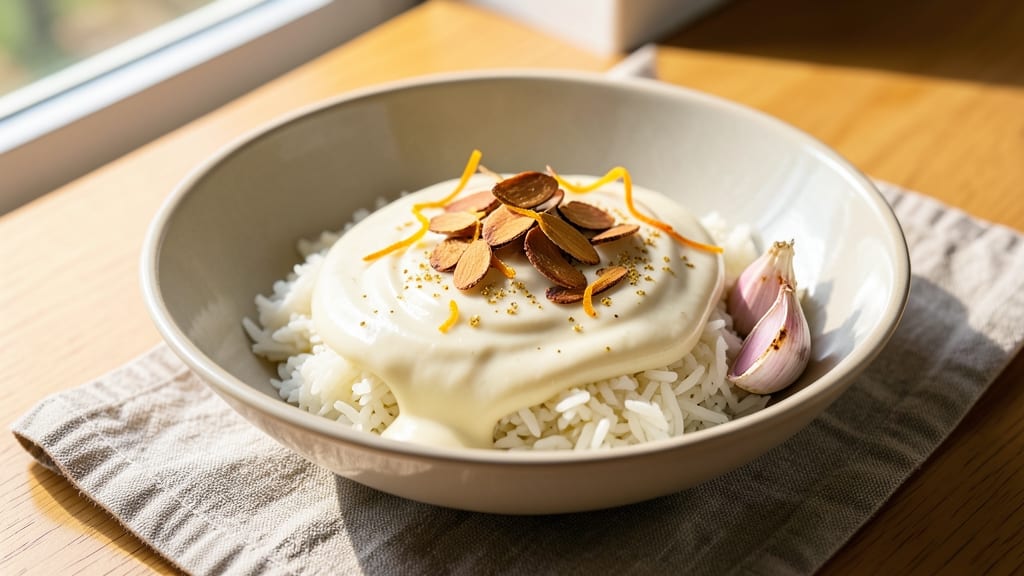
This almond milk cream sauce recipe transforms plant-based cooking with rich, velvety texture that rivals traditional dairy sauces—no heavy cream required. ✨ The secret lies in blending almond milk with neutral coconut oil and nutritional yeast, creating a smooth, creamy base that coats pasta, vegetables, or soups like a dream.
I developed this recipe after years of perfecting vegan sauces that actually deliver on creaminess without tasting artificial.
The beauty of this sauce is its versatility and simplicity—just five ingredients come together in minutes to create a sauce that's both elegant and foolproof. The nutritional yeast adds that signature cheesy depth, while garlic and lemon juice brighten the richness.
Unlike store-bought versions, this sauce stays fresh for days in the fridge or freezes beautifully for meal prep.
What you'll end up with is a luxuriously smooth, slightly tangy sauce that clings perfectly to noodles or drizzles over roasted vegetables. The texture is unmistakably creamy, with none of the graininess that plagues many plant-based alternatives.
It's the kind of sauce that makes vegan cooking feel indulgent rather than restrictive.
Perfect for pasta dishes, creamy soups, or as a rich drizzle over grilled vegetables. The best part? It comes together in under 10 minutes with ingredients you likely already have on hand. Let's make this sauce that will elevate every plant-based meal.
Ingredients for almond milk cream sauce
Five core ingredients transform into velvety plant-based richness that rivals traditional cream sauces.
| Ingredient | Amount | Notes |
|---|---|---|
| Unsweetened Almond Milk 🥛 | 1 ½ cups | High-fat preferred for creaminess |
| Neutral Coconut Oil 🫒 | ½ cup | Refined, not virgin for neutral flavor |
| Nutritional Yeast 🍞 | ¼ cup | Fortified for cheesy depth |
| Garlic Cloves 🧄 | 3 cloves | Freshly minced for aromatic base |
| Fresh Lemon Juice 🍋 | 1 tbsp | Brightens and balances richness |
| Sea Salt 🧂 | ½ tsp | Diamond Crystal preferred |
| White Pepper 🌶️ | ¼ tsp | Freshly ground for subtle heat |
| Cornstarch 🌾 | 1 tsp | For thickening consistency |
| Cold Water 💧 | 1 tbsp | Slurry for smooth thickening |
The almond milk forms the creamy foundation, so choose high-fat varieties like Silk Ultra or So Delicious for maximum richness. Trader Joe's and Whole Foods carry excellent options, and their unsweetened versions work perfectly. Nutritional yeast is the secret weapon here—Bob's Red Mill brand is my go-to for its fortified, cheesy depth. Fresh garlic matters more than you'd think; pre-minced garlic from the store works in a pinch, but freshly minced cloves add that restaurant-quality aroma. Coconut oil should be refined, not virgin—the neutral flavor lets the other ingredients shine.
No almond milk? Full-fat cashew milk or oat milk work beautifully, though texture may vary slightly. Short on nutritional yeast? White miso paste at half the amount adds umami depth, though it'll have a more pronounced savory note. The cornstarch slurry is non-negotiable for that silky texture—arrowroot powder works too, but cornstarch gives the most reliable thickening. Lemon juice can be swapped for apple cider vinegar, though it'll have a slightly different tang. For extra richness, add 1 tbsp cashew cream at the end, blending until fully incorporated.
This sauce thickens beautifully when chilled, so make it 1-2 hours ahead if possible for optimal texture. Store in an airtight container in the fridge for 5-7 days—the flavors deepen overnight. For longer storage, freeze in ice cube trays, then transfer to a bag. Thaw under cold water for 3-4 minutes before reheating. The sauce reheats perfectly in the microwave or on the stovetop, though it'll be slightly thinner—just stir in a splash of almond milk if needed for desired consistency.
Why You'll Love This Recipe
- Five-Ingredient Magic: I swear by this—just heat the almond milk with coconut oil until it’s silky smooth, then toss in that garlic and nutritional yeast. It’s the kind of sauce where you’re not drowning in a grocery list or a sink full of dishes.
- Umami Bomb: That nutritional yeast? It’s the secret weapon here—deep, cheesy flavor without the dairy, and the lemon cuts through the richness just enough to make it bright. Honestly, I’ve never met a creamy sauce that balances richness and tang this well.
- Pasta’s New BFF: Drizzle this over noodles, toss it with roasted veggies, or even use it as a dip for crusty bread. The coconut oil gives it a velvety texture that sticks to everything, and it’s the one sauce I always reach for when I’m too tired to think.
- No Waste, All Win: The leftovers? They last in the fridge for days, and the sauce only gets better as the flavors meld. Plus, almond milk and coconut oil are budget-friendly staples—no fancy ingredients, just pure, reliable flavor. My wallet and my taste buds thank me.
Step-by-step instructions for almond milk cream sauce
This velvety plant-based sauce comes together in minutes—creamy, rich, and perfectly balanced.
🍳 Step 1: Melt the Coconut Oil Base
Place the 0.5 cup neutral coconut oil in a medium saucepan over medium-low heat. Let it melt completely, swirling occasionally—this ensures even heating. You'll know it's ready when it's fully liquid and no solid chunks remain. I like to keep the heat gentle here to prevent burning, which would impart a bitter flavor to the sauce.
Once melted, add the 3 cloves minced garlic cloves and cook for 30 seconds until fragrant. This step develops the aromatic foundation of your sauce. Don't let the garlic brown—it should just perfume the oil without coloring it. If you notice any browning, immediately reduce the heat and stir until the color lightens.
👨🍳 Step 2: Whisk in Nutritional Yeast and Seasonings
Remove the pan from heat and let the garlic-infused oil cool for 1 minute. Then, whisk in the 0.25 cup nutritional yeast, 0.5 tsp sea salt, and 0.25 tsp white pepper. The nutritional yeast will dissolve completely, creating a cheesy depth that's the secret to this sauce's richness. I always use freshly ground white pepper here—it adds subtle warmth without overpowering the delicate flavors.
Return the pan to medium heat and slowly pour in the 1.5 cups unsweetened almond milk, whisking constantly to prevent scorching. The mixture will look curdled at first, but keep whisking—it will smooth out as it heats. This is where your sauce begins its transformation from a simple milk mixture to a velvety emulsion.
🥘 Step 3: Thicken with Cornstarch Slurry
In a small bowl, whisk together the 1 tsp cornstarch and 1 tbsp cold water until completely dissolved. This creates a smooth slurry that will thicken your sauce without creating lumps. Return to the saucepan and stir continuously over medium heat until the mixture thickens to a creamy consistency.
You'll know it's ready when the sauce coats the back of a spoon and leaves a clean trail when you run your finger through it. This should take about 3-5 minutes of constant stirring. If it thickens too quickly, reduce the heat slightly. The sauce should be thick enough to coat but still flow smoothly—think of it like heavy cream rather than glue.
🍋 Step 4: Finish with Lemon Juice and Adjust
Remove the sauce from heat and stir in the 1 tbsp fresh lemon juice. This bright acidity cuts through the richness, balancing all the flavors. Taste and adjust the seasoning if needed—you might want to add a pinch more salt or pepper depending on your preference. The sauce should taste rich, slightly cheesy, and pleasantly tangy with a subtle garlic warmth.
For best results, use the sauce immediately over pasta, roasted vegetables, or grilled proteins. If you need to store it, let it cool completely, then transfer to an airtight container and refrigerate for up to 5 days. When reheating, warm gently over low heat, stirring frequently to prevent separation. The sauce should return to its original velvety texture with proper reheating.
Pro Tips For Making Almond Milk Cream Sauce
- Whisk the Coconut Oil First: Melt the neutral coconut oil first, then whisk it into the cold almond milk—this prevents clumping and keeps the sauce silky. I used to add it straight to the pan and ended up with a grainy mess every time.
- Toast the Nutritional Yeast: Lightly toast the nutritional yeast in a dry pan for 30 seconds before mixing it in—this deepens its nutty flavor and prevents that "dusty" aftertaste. Skip this, and you’ll just get a mild, generic taste.
- Minimize Lemon Juice Splatter: Roll garlic cloves in salt before mincing, then sauté them in the coconut oil until fragrant before adding lemon juice—this keeps the acid from curdling the almond milk. I learned this after three batches of ruined sauce.
- Strain the Almond Milk: If your almond milk is thick or has pulp, strain it through a fine-mesh sieve before using—this ensures a smoother sauce. Even "unsweetened" brands vary in texture, and you don’t want grittiness in your final dish.
Troubleshooting this recipe
Grainy Texture Fix
If your sauce ends up grainy, it’s usually from almond milk proteins separating. Fix it by blending the sauce for 10-15 seconds with an immersion blender or in a countertop blender.
For extra smoothness, strain through a fine-mesh sieve after cooking. I’ve found that using high-fat almond milk (like Silk Ultra) reduces this issue, but blending is the quickest remedy. 💫
Too Thin or Watery
If your sauce is too thin, don’t panic—just whisk in ½ tsp more cornstarch mixed with 1 tsp cold water, then simmer for 1-2 minutes until thickened. For a more natural fix, let the sauce cool slightly and thicken overnight in the fridge.
Reheat gently, and it’ll regain its creaminess. I’ve also had success adding 1 tbsp cashew cream at the end for instant richness.
Separation After Reheating
Sauce separation happens when reheated too quickly. Prevent it by warming over low heat and stirring constantly. If it separates, whisk in 1 tsp coconut oil and 1 tsp almond milk until smooth.
For extra insurance, blend before reheating. I keep a small jar of pre-blended sauce in the freezer for quick fixes—just thaw and reheat without issues. ⚡
Overpowering Nutty Flavor
Too much almond milk can make the sauce taste bitter or overly nutty. Balance it with more lemon juice (up to 1 extra tbsp) or a pinch of salt to brighten the flavor.
If the nuttiness persists, thin with 1-2 tbsp water and reheat gently. I’ve also found that adding ½ tsp onion powder helps mellow the almond flavor without altering the sauce’s creamy texture.
Burnt or Bitter Taste
Burnt coconut oil is the usual culprit here. Avoid this by keeping heat low and never letting the sauce boil. If it happens, whisk in ½ tsp lemon juice and 1 tsp coconut oil to mask the bitterness.
For prevention, always melt the oil on medium-low heat and stir constantly. I’ve also had luck adding a pinch of sugar (just ¼ tsp) to counteract any lingering bitterness.
Nutrition facts
Frequently asked questions
Can I make this sauce without coconut oil?
Yes! For a neutral flavor, substitute with ½ cup melted vegan butter or ¼ cup cashew cream. Both work well, though coconut oil gives the most stable texture. If using butter, reduce the almond milk by 2 tbsp to maintain balance. For a completely oil-free version, try ½ cup silken tofu blended with the almond milk—it adds protein and creaminess without fat.
How can I make this sauce even richer?
For extra decadence, stir in 1 tbsp cashew cream or 1 tbsp tahini at the end for a nutty depth. Another trick: replace ½ cup almond milk with coconut cream, then simmer until thickened. For a cheesy boost, add 1 tbsp vegan cream cheese (like Kite Hill) while warming. The sauce will become luxuriously velvety while keeping its plant-based integrity.
Will this sauce work with gluten-free pasta?
This sauce is naturally gluten-free and pairs beautifully with gluten-free noodles. For best results, use rice noodles, chickpea pasta, or brown rice pasta, which hold the sauce well. If your pasta is particularly absorbent, make the sauce slightly thinner (add 1-2 tbsp water) before tossing. The sauce's creamy texture complements gluten-free textures perfectly without overpowering them.
Can I use this sauce as a dip or dressing?
Yes, but with adjustments! For a dip, thin with 2-3 tbsp additional almond milk and add 1 tsp Dijon mustard for tang. For a dressing, whisk in 1 tbsp olive oil and 1 tsp maple syrup to balance flavors. This sauce works wonderfully with roasted Brussels sprouts, veggie platters, or as a creamy dip for spring rolls. The key is adjusting the consistency—keep it thinner than for pasta dishes.
Why does my sauce taste bland?
This usually happens when the nutritional yeast isn't fully dissolved or needs more depth. Boost flavor by adding ½ tsp onion powder or 1 tsp white miso paste. For extra umami, stir in 1 tsp soy sauce (or tamari for gluten-free). If it still tastes flat, try a pinch of smoked paprika or a splash of apple cider vinegar (½ tsp) to wake up the flavors. The sauce should have a cheesy, garlicky richness—if it lacks that, these adjustments will bring it back to life!