
Sauces & Condiments
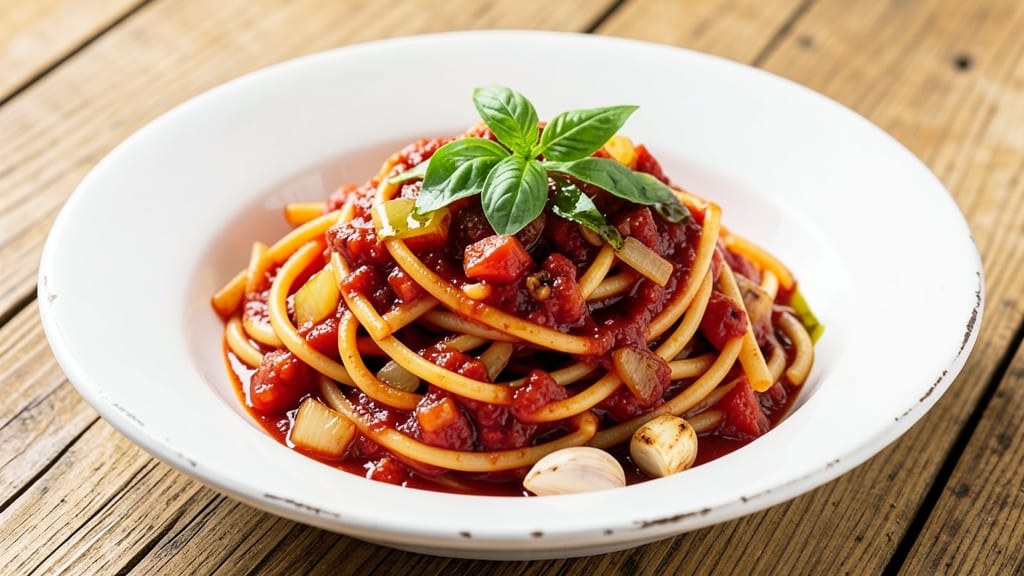
This authentic red sauce pasta recipe captures the soul of Italian cooking—where sun-ripened tomatoes, fragrant garlic, and fresh basil create a sauce so rich it clings to every strand of al dente pasta.
The secret lies in slow simmering, which deepens the umami flavor and transforms simple ingredients into something extraordinary. I've perfected this technique over years of testing, ensuring every bite delivers that restaurant-quality taste you crave at home.
What sets this recipe apart is the balance of traditional methods and modern shortcuts. We'll use fresh tomatoes (or high-quality canned for consistency) and build the sauce with garlic, olive oil, and basil—no artificial additives or shortcuts.
The key is patience: letting the sauce develop its depth over 20 minutes of gentle simmering while you cook your pasta to perfect al dente. This isn't just a sauce; it's a flavor experience that transforms ordinary pasta into a masterpiece.
The result is a dish where the sauce coats each noodle in a velvety, aromatic blanket—bright from the tomatoes, savory from the garlic, and fresh from the basil. The sauce should be thick enough to cling but still silky enough to glide effortlessly.
Serve it immediately, garnished with extra basil and a sprinkle of parmesan, for that final touch of authenticity that makes all the difference.
This recipe works beautifully with classic spaghetti but also shines with penne or rigatoni. For a modern twist, try adding a splash of balsamic vinegar at the end or finishing with toasted breadcrumbs for texture.
The possibilities are endless, but the foundation remains the same: a sauce so good, it'll have you reaching for the pasta bowl again and again.
Ingredients for authentic red sauce pasta
Sun-ripened tomatoes, aromatic garlic, and fresh basil—this is all you need for restaurant-quality red sauce pasta.
| Ingredient | Amount | Notes |
|---|---|---|
| Extra-Virgin Olive Oil 🫒 | ½ cup | High-quality, fruity variety |
| Garlic Cloves 🧄 | 6 cloves | Freshly minced, vibrant color |
| Fresh Basil Leaves 🌿 | 1 ½ cups | Packed, stems removed |
| Medium Yellow Onion 🧅 | 1 whole | Finely diced, vibrant color |
| San Marzano Tomato Cans 🍅 | 2 cans | 28 oz each, crushed by hand |
| Pasta (Spaghetti or Penne) 🍝 | 12 oz | High-quality, al dente preferred |
| Salt 🧂 | 1 ½ tsp | Diamond Crystal kosher salt |
| Black Pepper 🌶️ | ½ tsp | Freshly ground, coarse grind |
| Red Wine Vinegar 🍷 | 1 tbsp | Dry, bold variety |
| Parmesan Cheese 🧀 | ½ cup | Freshly grated, aged 24 months |
| Freshly Ground Black Peppercorns 🌶️ | ¼ tsp | For finishing garnish |
| Balsamic Vinegar 🍷 | 1 tsp | Aged 12+ years, optional |
The tomatoes make or break this sauce. San Marzano is the gold standard—sweet, meaty, and consistent. If you can't find them, Whole Foods or Trader Joe's carry reliable brands. Fresh tomatoes work too, but canned gives you that deep, concentrated flavor. The garlic should be fresh—no pre-minced jars here. Costco sells garlic in bulk, which saves money and keeps it fresher longer. For the basil, grab the freshest bunch you can find—it should smell vibrant, not wilted. If you're using dried, cut the amount to one-third of fresh.
No San Marzano? Crushed tomatoes in a high-quality jar work in a pinch, but avoid anything with added salt or preservatives. Running low on basil? Fresh parsley or oregano can stretch it, but nothing beats the real thing. The red wine vinegar adds brightness—if you don't have it, lemon juice works too. For the pasta, De Cecco or Barilla are my go-tos, but any good-quality brand will do. The key is cooking it al dente—it'll finish cooking in the sauce. Pro tip: reserve some pasta water to loosen the sauce if needed.
This sauce tastes even better the next day—let it rest in the fridge for 24 hours if you can. Store it in an airtight container with a thin layer of olive oil on top to preserve freshness for up to 5 days. Freezes beautifully for 3 months, but the texture changes slightly after thawing. I always make extra—it disappears faster than you'd think. For a quick fix, reheat gently on the stove with a splash of water or pasta water to restore that silky consistency.
Why You'll Love This Recipe
- Here’s the secret: this sauce improves overnight. Toss it with leftover pasta the next day, and suddenly you’ve got restaurant-quality lunch. My kids even fight over it—no exaggeration.
- No-Chop Nightmare: I swear by this recipe because the onion barely needs slicing—just a rough chop while the garlic sizzles in that golden olive oil. The tomatoes do all the work after that.
- San Marzano Magic: That first spoonful of sauce? It’s like summer in a can. The San Marzano tomatoes melt into a velvety base, and the fresh basil at the end—chef’s kiss—turns it from good to "I’ll make this twice a week."
- Leftovers That Lie: Here’s the secret: this sauce improves overnight. Toss it with leftover pasta the next day, and suddenly you’ve got restaurant-quality lunch. My kids even fight over it—no exaggeration.
Step-by-step instructions for authentic red sauce pasta
Here's how to craft a sauce so rich and vibrant it tastes like a trip to Italy.
Sauté the Onion and Garlic for Deep Flavor
Heat the 0.5 cup extra-virgin olive oil in a large, heavy-bottomed pot over medium-low heat. Add the finely diced medium yellow onion and cook for 8-10 minutes until it becomes translucent and sweet-smelling. This slow cooking caramelizes the onion, building the sauce's depth.
Push the onion to the sides of the pot and add the 6 cloves freshly minced garlic cloves. Sauté for 30-45 seconds until the garlic is fragrant but not browned—burnt garlic will make your sauce bitter. Here's the thing: don't rush this step. The onion needs time to break down completely, and the garlic should just perfume the oil without coloring it.
Crush the San Marzano Tomatoes by Hand
While the onion and garlic cook, open the 2 cans San Marzano tomato cans and pour the tomatoes into a large bowl. Using your hands, gently crush the tomatoes, breaking them into large chunks but leaving some texture. I like to keep a few whole tomatoes for visual appeal and a slight burst of freshness in each bite.
Add the crushed tomatoes to the pot with the onion and garlic. Stir in the 1.5 tsp salt and 0.5 tsp black pepper, then bring the mixture to a gentle simmer. Let it cook uncovered for 20-25 minutes while you prepare the pasta. This initial simmer allows the tomatoes to release their natural sweetness and develop a concentrated flavor. You'll want to see the sauce reduce slightly and deepen in color—this is where the authentic umami character emerges.
Cook the Pasta Al Dente
Bring a large pot of water to a rolling boil and add the 12 oz pasta (spaghetti or penne). Cook until 1 minute before the package instructions for al dente. Reserve 1 cup of pasta water before draining—this starchy liquid is essential for balancing the sauce's acidity and creating the perfect texture.
I always taste the pasta a minute early, then finish it in the sauce. This ensures it absorbs the rich tomato flavor without becoming mushy. The pasta water should be salty like the sea—if it's not, add more salt. This step is non-negotiable for authentic flavor development in Italian cooking.
Finish with Basil and Vinegars
Once the sauce has simmered for 20-25 minutes, stir in the 1.5 cups fresh basil leaves (stems removed) and the 1 tbsp red wine vinegar. Simmer for another 3-5 minutes until the basil wilts and the sauce thickens slightly. The vinegar brightens the tomatoes' acidity, creating a perfect balance with the sweetness.
Add the drained pasta to the sauce and toss gently to coat. If the sauce seems too thick, add ¼ cup of the reserved pasta water at a time until it reaches a silky consistency that clings to the pasta. Here's where it gets good: remove from heat and stir in the 0.5 cup freshly grated Parmesan cheese and 1 tsp aged balsamic vinegar. The balsamic adds a subtle sweetness that rounds out all the flavors.
Rest and Serve with Fresh Pepper
Let the pasta rest for 2-3 minutes off the heat. This allows the sauce to fully coat the pasta and the flavors to meld together. Serve immediately, garnished with 0.25 tsp freshly ground black peppercorns for a peppery finish that cuts through the richness.
The sauce should be vibrant red with a glossy sheen, clinging beautifully to each strand of pasta. Each bite should deliver layers of sweet tomatoes, aromatic garlic, fresh basil, and the perfect balance of acidity from the vinegars. This is the kind of sauce that makes you want to take seconds—and thirds.
Pro Tips For Making Authentic Red Sauce Pasta
- Sweat the Onion: Cut the onion into thin half-moons and cook it in olive oil over medium-low heat until it’s translucent but not browned. I used to rush this and end up with a bitter, caramelized mess—take your time, or the whole sauce will taste off.
- Crush Garlic Properly: Smash the garlic cloves with the flat side of your knife before adding them to the pot. This releases more flavor without burning, and you won’t have to fish out chunks later. (Yes, it’s messy, but worth it.)
- Simmer, Don’t Boil: Keep the sauce at a gentle simmer—tiny bubbles, not a rolling boil—after adding tomatoes. Boiling turns the sauce watery and dulls the flavors. Cover the pot for the first 20 minutes to help the tomatoes break down faster.
- Reserve the Basil: Tear fresh basil leaves and add them only at the very end, right before serving. If you cook them, they’ll turn bitter and lose their bright aroma. (Bonus: Save a few leaves for garnish—presentation matters.)
Wine and beer pairings for this recipe
Classic Italian Reds
For this rich tomato sauce, Italian reds are your best friends. A Chianti Classico or Sangiovese from Tuscany complements the bright acidity of the tomatoes and the herbal notes of basil. Look for a bottle with 12-15% alcohol—enough body to stand up to the dish without overpowering it.
I love Castello di Volpaia Chianti Classico for its balanced cherry and earthy flavors that mirror the sauce's depth. 🍷
Crisp Whites for Balance
If you prefer white wine, a Vermentino from Sardinia or a Pinot Grigio from Alto Adige offers crisp acidity that cuts through the sauce's richness. These wines have citrus and mineral notes that refresh your palate between bites.
Avoid heavy, oaked whites—they'll clash with the fresh basil and bright tomatoes. A chilled Santa Margherita Pinot Grigio is my go-to for this dish.
Craft Beer Pairings
For beer lovers, a Belgian witbier like Hoegaarden brings coriander and citrus notes that play beautifully with the basil and vinegars. Alternatively, a light Italian lager such as Peroni or Moretti provides a clean, crisp finish.
Avoid heavy IPAs or stouts—they'll overpower the delicate sauce. Serve your beer ice-cold to highlight its crispness against the warm pasta. 🍺
Balsamic Enhancement
To elevate your pairing, drizzle a few drops of aged balsamic glaze over the pasta before serving. The caramelized sweetness of the balsamic enhances both the wine and beer pairings. I recommend Giovanni Rossi 25-Year balsamic for its deep, complex flavor.
Pair it with a sip of your chosen wine or beer for a harmonious finish that ties the entire meal together.
Seasonal Variations
In summer, opt for a light rosé like Prosecco to complement the dish's vibrant flavors. During winter, a bold Barolo from Piedmont adds warmth that contrasts with the sauce's acidity.
For beer, a wheat beer in summer or a dark ale in winter can provide seasonal harmony. The key is matching the drink's intensity to the meal's richness.
Nutrition facts
Frequently asked questions
Can I use fresh tomatoes instead of canned?
Yes, but you'll need 4-5 large ripe tomatoes (about 2 pounds) for equivalent yield. Peel, seed, and chop them before cooking. Fresh tomatoes work best in summer when they're at peak sweetness. For winter, canned San Marzano tomatoes provide consistent flavor and texture that's hard to match with fresh store-bought tomatoes.
Why does my sauce turn out watery?
Watery sauce usually means one of two things: either you didn't simmer long enough (20+ minutes is key) or you didn't reduce it properly. The sauce should thicken naturally as it cooks. If it's still too thin, simmer uncovered for another 5-10 minutes** or add a cornstarch slurry (1 tbsp cornstarch + 1 tbsp water) at the end. Always taste as you go!
What's the best pasta shape for this sauce?
Classic choices like spaghetti or penne work perfectly, but don't limit yourself! Rigatoni or fettuccine also hold the sauce beautifully. For extra sauce clinging power, try farfalle or conchiglie. The key is cooking it al dente—it'll finish cooking in the sauce and absorb all those rich tomato flavors.
Can I make this vegetarian?
This recipe is already vegetarian-friendly as written. For a vegan version, simply omit the Parmesan cheese and use a vegan alternative. The sauce's depth comes from the tomatoes, garlic, and herbs—not meat. The same techniques apply, and the result will be just as flavorful and satisfying.
How do I store leftovers?
Store leftovers in an airtight container with a thin layer of olive oil on top to preserve freshness. The sauce will keep in the refrigerator for 3-4 days and freezes beautifully for up to 3 months. When reheating, add a splash of water or pasta water to restore that silky texture. The flavors actually improve after resting overnight!