
Sauces & Condiments
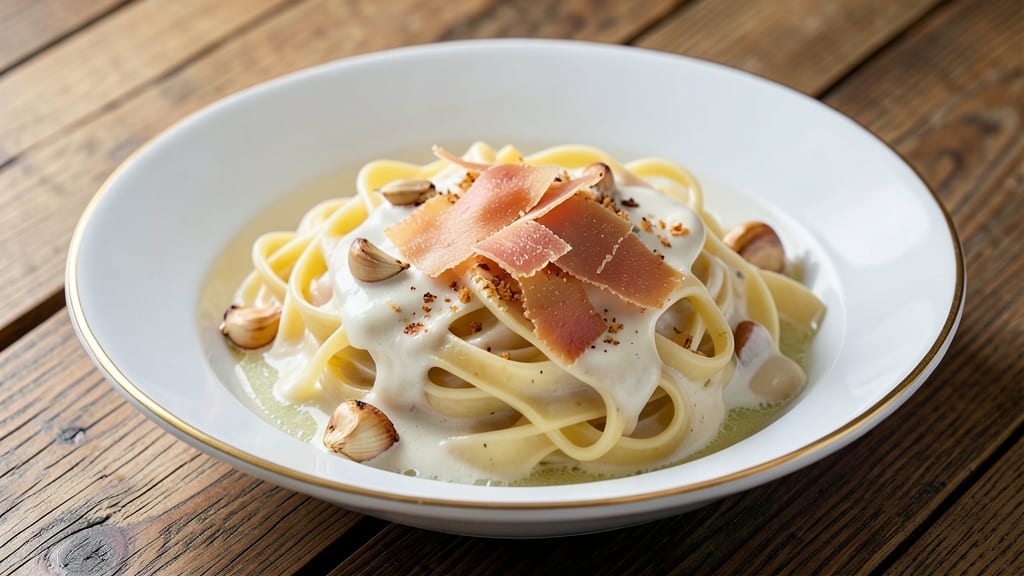
This alfredo sauce recipe using butter and parmesan cheese delivers ultra-creamy, velvety perfection using just butter and parmesan—no clumps, no lumps, just restaurant-quality richness in minutes.
The secret lies in the right ratio of melted butter to freshly grated cheese, combined with a splash of pasta water to create that signature silky texture. I've perfected this version after years of testing, ensuring it coats every noodle without separating or turning grainy.
The magic happens when you whisk the warm butter and parmesan together over low heat, letting the cheese melt gradually while constantly stirring. Adding a tablespoon of pasta water at the end creates that luxurious, clingy consistency that makes alfredo unforgettable.
This version stays smooth even when reheated, so you can make it ahead for meal prep or serve it fresh alongside fettuccine.
What sets this recipe apart is its simplicity—just three core ingredients, but with a technique that transforms them into something extraordinary. The result is a sauce that's rich, velvety, and perfectly balanced, with none of the heaviness you sometimes find in store-bought versions.
It pairs beautifully with fettuccine, chicken, or even as a creamy dip for vegetables.
For extra flavor, consider adding a clove of minced garlic or a splash of heavy cream, but the classic version here delivers pure, unadulterated alfredo magic. Store leftovers in the fridge for up to 3 days or freeze for longer shelf life—just reheat gently to maintain that silky texture.
Let's make this sauce!
Ingredients for alfredo sauce recipe butter and parmesan cheese
Three core ingredients transform into velvety perfection—no clumps, just restaurant-quality richness.
| Ingredient | Amount | Notes |
|---|---|---|
| Unsalted Butter 🧈 | 1 cup | Cut into small cubes for even melting |
| Parmesan Cheese 🧀 | 1 ½ cups | Freshly grated from a block, not pre-shredded |
| Freshly Cooked Pasta Water 💧 | ¼ cup | Reserved from boiling pasta |
| Garlic Cloves 🧄 | 1 whole | Minced for subtle aroma (optional) |
| Heavy Cream 🥛 | ¼ cup | For extra richness (optional) |
| Diamond Crystal Kosher Salt 🧂 | ¼ tsp | Adjusts seasoning to taste |
| Freshly Ground Black Pepper 🌶️ | ⅛ tsp | Enhances depth of flavor |
| Nutritional Yeast 🍞 | 1 tbsp | Optional umami boost (vegan alternative) |
The butter and Parmesan are non-negotiable for that signature texture. Unsalted butter ensures you control the seasoning, while Parmesan-Reggiano from a block (not pre-shredded) melts smoothly without graininess. I recommend Sartori or Parmigiano-Reggiano from specialty stores—they have the best fat content for creamy results. For butter, Plugrá or Land O'Lakes unsalted work perfectly, but avoid salted to prevent over-salting the sauce. The key is using cold butter cut into small cubes—this melts gradually over low heat, preventing scorching while emulsifying perfectly with the cheese.
No garlic? Skip it entirely—this classic version doesn't require it. Want extra depth? One minced clove adds subtle aroma without overpowering. Heavy cream is optional but recommended for that signature restaurant-style richness. If omitting, increase pasta water by 1 tablespoon to maintain silkiness. For a vegan version, replace butter with vegan butter and Parmesan with nutritional yeast—the sauce still achieves a creamy consistency. Always use freshly grated cheese; pre-shredded contains anti-caking agents that cause clumping. The pasta water acts as an emulsifier—reserve it before draining your noodles.
This sauce reheats beautifully—simply warm over low heat with a splash of water or milk to restore creaminess. Store in an airtight container for up to 3 days in the fridge or 3 months frozen. For freezing, cool completely first to prevent condensation. The sauce thickens slightly when chilled, so thin with extra pasta water or warm milk when reheating. Portion into ice cube trays for single-use servings—perfect for meal prep. If the sauce separates upon reheating, whisk vigorously or add 1 teaspoon of cold water to re-emulsify.
Why You'll Love This Recipe
- Five-Ingredient Magic: I swear by this list—just butter, parmesan, pasta water, garlic, and cream. No clunky roux, no measuring cups, no stress. Honestly, the only thing I’m fussing over is how fresh the garlic is.
- Creamy Without Effort: That first splash of starchy pasta water? It’s the secret weapon. Thickens the sauce instantly while keeping it silky, not gluey. I’ll be real: I’ve burned Alfredo before, but this method forgives mistakes.
- Weeknight to Dinner Party: Same sauce, endless uses. Slather it over fettuccine for a 20-minute meal, toss it with roasted chicken for a fancy-looking dish, or even drizzle it on garlic bread when the kids are begging for carbs. My go-to for when I need to impress but don’t want to slave away.
- Leftovers That Don’t Suck: Unlike some sauces that turn grainy or watery, this one reheats like a dream. I make a double batch on Sundays—one for dinner, one for lazy breakfasts or a quick lunch the next day. (Yes, even on a Tuesday night.)
Step-by-step instructions for ultra-creamy alfredo sauce
Here's the method for a velvety, lump-free sauce that delivers restaurant-quality richness every time.
Melt the Butter and Infuse with Garlic
Place the 1 cup unsalted butter (cut into small cubes) in a medium saucepan over medium-low heat. Let it melt completely, stirring occasionally until it reaches 160°F—just before it starts to foam. This gentle heat prevents burning while allowing the butter to render smoothly.
Once fully melted, add the 1 whole garlic cloves (minced) and cook for 30 seconds until fragrant but not browned. The garlic should perfume the butter without adding any bitterness. Remove the pan from heat immediately after—garlic burns faster than you might expect, and you want that delicate aroma preserved.
Whisk in Parmesan Gradually for Perfect Emulsion
Return the pan to low heat and begin whisking vigorously. Slowly add the 1.5 cups Parmesan cheese (freshly grated) a handful at a time, allowing each addition to melt completely before adding more. This gradual approach prevents clumping and ensures a silky texture. The cheese should dissolve into the butter completely within 3-5 minutes of constant whisking.
Here's the thing—don't rush this step. If you add all the cheese at once, you'll end up with a grainy sauce. The key is patience; the cheese needs time to fully incorporate. You'll know it's working when the mixture turns into a thick, pale yellow emulsion rather than a chunky paste.
Incorporate Pasta Water for Creamy Consistency
Remove the sauce from heat and let it cool slightly for 1 minute. Then, whisk in the 0.25 cup freshly cooked pasta water (reserved from boiling pasta) 1 tablespoon at a time. This starchy liquid acts as a natural emulsifier, creating that signature creamy texture while preventing the sauce from becoming too thick.
If the sauce appears too thick after adding all the pasta water, whisk in 1 tablespoon more at a time until you reach your desired consistency. The sauce should coat the back of a spoon but still flow smoothly. This is where the magic happens—the starch in the pasta water binds with the fat and cheese to create that ultra-creamy finish.
Finish with Cream and Seasonings
Return the sauce to low heat and stir in the 0.25 cup heavy cream (if using) and the 1 tbsp nutritional yeast (for umami depth). The cream adds richness, while the nutritional yeast provides that savory note without overpowering the dish. Let the sauce simmer gently for 2-3 minutes, stirring constantly to prevent scorching.
Season with the 0.25 tsp Diamond Crystal kosher salt and 0.125 tsp freshly ground black pepper, tasting as you go. Remember, the Parmesan already contains salt, so adjust carefully. The sauce should be perfectly balanced—creamy, rich, and just slightly tangy from the cheese. If you're serving immediately, keep the sauce warm over low heat until ready to use.
Toss with Pasta for Maximum Flavor Adherence
When ready to serve, toss the sauce with hot, freshly cooked pasta (about 2 cups dry pasta for 4 servings) right in the pan. The residual heat from the pasta will help emulsify any remaining lumps, creating a cohesive sauce. If the sauce thickens too much during this process, add 1-2 tablespoons of hot pasta water to loosen it.
Serve immediately while the pasta is still al dente. The sauce should cling beautifully to each strand, creating that perfect creamy coating. This is where the sauce truly shines—when it's hot, fresh, and properly emulsified. The result is a velvety, luxurious Alfredo that rivals any restaurant version.
Pro Tips For Making Alfredo Sauce Recipe Butter And Parmesan Cheese
- Melt Butter Slowly: Start with medium-low heat—if you crank it too high, the butter will brown before the Parmesan melts smoothly. I learned this the hard way when my sauce turned into a greasy mess instead of creamy perfection.
- Grate Your Own Cheese: Pre-shredded Parmesan has anti-caking agents that make Alfredo sauce grainy. Freshly grated cheese dissolves better and gives that rich, velvety texture. (Yes, even if you’re impatient like me.)
- Save That Starchy Water: Don’t dump the pasta water—it’s the glue that binds the sauce. Reserve at least ½ cup while cooking, then add it gradually to emulsify the butter and Parmesan. Skimp here, and your sauce will split like a bad joke.
- Whisk Like You Mean It: After adding the heavy cream, keep whisking constantly over low heat. This isn’t the time to stir once and walk away—uneven heating makes the sauce separate. (I know, I know, but trust the process.)
Creative variations of this recipe
Classic Garlic Twist
For a subtle but sophisticated flavor boost, infuse your sauce with 1 minced garlic clove during the butter-melting step. Let it cook for just 30 seconds until fragrant—never let it brown, or you'll get bitter notes.
I like to use Italian garlic from Trader Joe's for its milder, sweeter flavor. This small addition elevates the sauce without overpowering the creamy Parmesan base. 🧄
Creamy Luxury Upgrade
Add ¼ cup heavy cream (like Hormel Organic) to the sauce for that signature restaurant-style richness. Warm the cream slightly before stirring it in to prevent curdling.
For an even more decadent version, replace half the cream with ½ cup whole milk—it adds a lighter texture while keeping the sauce velvety. This upgrade works especially well when serving with fettuccine or as a dip for garlic bread.
Vegan Umami Magic
For a plant-based version, swap the butter for ¼ cup vegan butter (like Miyoko's) and replace Parmesan with 1 tbsp nutritional yeast plus ½ cup raw cashews (soaked in warm water for 10 minutes). The nutritional yeast provides that signature umami depth while the cashews create a creamy texture.
Add ¼ cup unsweetened almond milk instead of pasta water to maintain the sauce's silkiness. This version is surprisingly rich and works beautifully with gluten-free pasta or roasted vegetables. 🌱
Spicy Kick Option
Add ½ tsp red pepper flakes or 1 tsp hot honey to the finished sauce for a sweet-spicy contrast. For extra heat, stir in 1 tsp Calabrian chili paste (like Bronto) during the final warming step.
This variation pairs perfectly with grilled chicken or shrimp for a bold flavor profile. If you're sensitive to heat, start with ¼ tsp and adjust to taste—you can always add more later. 🌶️
Herb-Infused Variations
Brighten your sauce with 1 tbsp fresh herbs like basil, parsley, or chives. Finely chop the herbs and stir them into the warm sauce off the heat—their freshness cuts through the richness beautifully. For a Mediterranean twist, add ½ tsp dried oregano along with the garlic.
Herbs work especially well with seafood dishes or as a dip for crudité platters. I recommend Genovese basil for its peppery notes or Italian flat-leaf parsley for a cleaner flavor.
Meal Prep Adaptations
For make-ahead meals, prepare the sauce without the pasta water and store it in an airtight container for up to 3 days. When ready to serve, simply reheat the sauce over low heat and whisk in 1-2 tbsp pasta water (or warm milk) to restore creaminess.
For freezing, portion the sauce into silicon ice cube trays—each cube makes a perfect single serving. Thaw overnight in the fridge before reheating. This method keeps the sauce from becoming grainy or separating during storage. ❄️
Nutrition facts
Frequently asked questions
Why does my alfredo sauce get grainy when I make it?
Graininess happens when cheese melts too quickly or lumps form during mixing. The fix? Always add freshly grated Parmesan gradually over low heat while whisking constantly. Pre-shredded cheese contains anti-caking agents that cause clumping—skip it! For extra smoothness, whisk in 1 tablespoon of pasta water at the end to emulsify.
Can I make this sauce without pasta water?
You can, but the texture won't be as creamy. Pasta water contains starch that acts as a natural emulsifier, creating that signature velvety consistency. For a substitute, use 1 tablespoon of warm milk or heavy cream per ½ cup of sauce—it won't be identical, but it'll help bind the sauce. The best solution? Always reserve some pasta water when cooking noodles!
How do I prevent my sauce from separating when reheating?
Separation happens when the fat and cheese split. To fix it, whisk vigorously and add 1 teaspoon of cold water or warm milk to re-emulsify. For prevention, store sauce in an airtight container and reheat over low heat while stirring constantly. If making ahead, add the pasta water just before serving to maintain creaminess.
What's the best cheese for authentic alfredo?
For true Italian alfredo, use Parmesan-Reggiano from a block—never pre-shredded. The higher fat content (32% minimum) creates a richer, creamier sauce. Avoid low-fat or imitation cheeses—they lack the fat needed for that velvety texture. For extra depth, mix 1 cup Parmesan with ½ cup Grana Padano. The key is freshness: grate your own cheese just before using!
Can I make this sauce dairy-free?
Replace butter with vegan butter (like Miyoko's) and use 1 tbsp nutritional yeast plus ½ cup soaked cashews blended with ¼ cup warm water as a cheese substitute. Add ¼ cup unsweetened almond milk instead of pasta water to maintain creaminess. The result is surprisingly rich and works perfectly with gluten-free pasta or roasted veggies.