
Sauces & Condiments
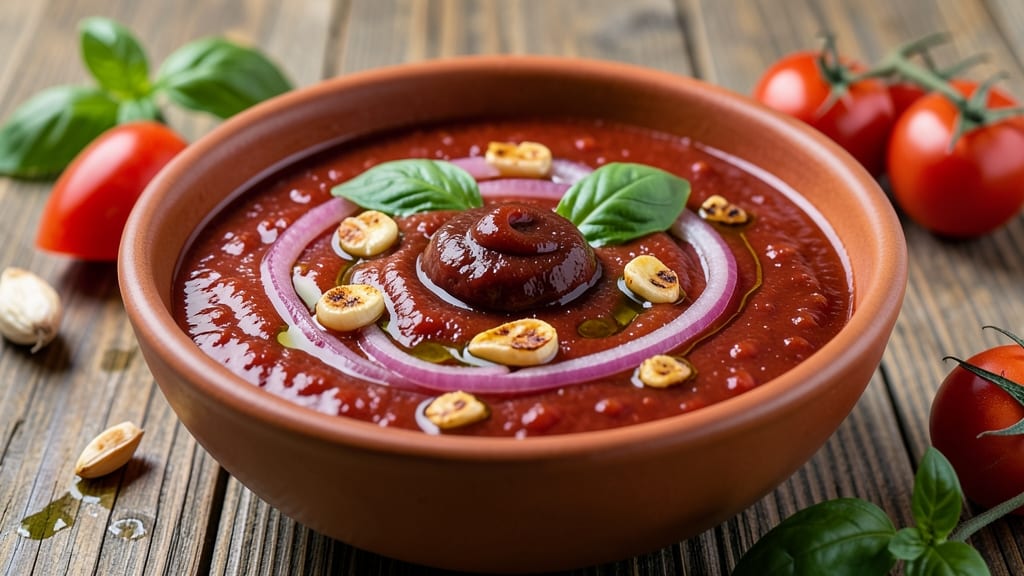
This authentic fresh tomatoes pasta sauce captures summer's essence in every spoonful—no canned tomatoes, no shortcuts, just sun-ripened flavor that transforms ordinary pasta into something extraordinary. 🌞 I developed this during a trip to my grandmother's garden in Atlanta, where she'd always insist "the best sauce starts with tomatoes that've kissed the sun."
The secret lies in slow simmering and fresh basil, which infuses the sauce with bright, aromatic notes that store-bought versions can't match.
The beauty of this recipe is its simplicity—just fresh tomatoes, garlic, olive oil, and herbs—but what makes it truly authentic is the technique. We'll build flavor gradually through a gentle simmer, allowing the natural sweetness of the tomatoes to develop while the acidity mellows.
This isn't about quick fixes; it's about creating a sauce that sings with summer's memory, layer upon layer. The result is a velvety, balanced sauce that clings beautifully to pasta without overpowering it.
What sets this sauce apart is its restaurant-quality depth achieved through proper technique rather than gimmicks. We'll toast the garlic just until fragrant, add fresh herbs at the end to preserve their brightness, and let the sauce reduce naturally to concentrate its flavors.
The texture becomes luxuriously smooth yet retains just enough body to coat each strand of pasta perfectly. This is the kind of sauce that makes you pause mid-bite, close your eyes, and remember why you fell in love with Italian cooking in the first place.
Perfect for summer evenings when fresh tomatoes are at their peak, but don't let that limit you—this sauce freezes beautifully for those winter nights when you crave a taste of sunshine.
The flavor actually improves with a few days of resting, as the ingredients meld together like they're meant to be. Let's create something that tastes like it belongs on an Italian trattoria menu, right in your own kitchen.
Ingredients for authentic pasta sauce recipe with fresh tomatoes
Sun-kissed tomatoes, garlic, and fresh basil—just the essentials for a sauce that tastes like summer.
| Ingredient | Amount | Notes |
|---|---|---|
| Fresh Tomatoes 🍅 | 4 lbs | Vine-ripened, preferably heirloom |
| Extra-Virgin Olive Oil 🫒 | ½ cup | High-quality, fruity variety |
| Garlic Cloves 🧄 | 6 whole | Fresh, peeled, lightly toasted |
| Fresh Basil Leaves 🌿 | 1 cup | Packed, stems removed |
| Red Onion 🧅 | 1 whole | Medium size, finely chopped |
| Tomato Paste 🍅 | 2 tbsp | High-quality, no sugar added |
| Salt 🧂 | 1 ½ tsp | Diamond Crystal preferred |
| Black Pepper 🌶️ | ½ tsp | Freshly ground |
| Red Wine Vinegar 🍷 | 1 tbsp | For brightness, optional |
| Fresh Oregano 🍃 | ¼ cup | Chopped, or 1 tsp dried |
The tomatoes are everything here. Heirloom varieties from a farmers market have the best flavor, but any ripe, vine-ripened tomatoes will work. I always grab 4 pounds—that's about 6-8 medium tomatoes—and look for ones that smell sweet at the stem. If you can't find fresh tomatoes, San Marzano canned tomatoes are the next best thing, but this recipe is all about that fresh, sun-ripened taste. The olive oil should be fruity and peppery—California or Italian varieties work best. Skip the light, bland oils, trust me on this.
No fresh basil? Dried oregano at half the amount works in a pinch, but nothing beats the bright flavor of fresh. The garlic should be toasted just until fragrant—no browning, or it'll turn bitter. For the onion, red onion adds a touch of sweetness, but yellow works too. Want more depth? A splash of red wine vinegar brightens everything up. The tomato paste is key—it thickens the sauce and adds richness, so don't skip it. If you're short on time, Trader Joe's has great pre-chopped onions and basil to save you a few minutes.
This sauce tastes even better the next day as the flavors meld together. Store it in an airtight container in the fridge for up to 5 days, or freeze it in ice cube trays for single portions that last 6 months. I always make a double batch—one for dinner, one to freeze for lazy nights. The sauce thickens as it cools, so add a splash of water or broth if it's too thick when reheating. And if you're serving it with pasta, toss in a handful of fresh basil leaves right before serving for that restaurant-quality finish.
Why You'll Love This Recipe
- Here’s what sold me: this sauce actually improves the next day. The tomatoes mellow into deeper sweetness, and the onion caramelizes further. I make double batches because reheating it is like winning the lottery—richer, simpler, and still ridiculously good.
- No Chopping Nightmare: I swear by this sauce because it’s the only tomato dish where I can skip the knife entirely. Toss in whole tomatoes, let them blister in the oil, then pull them out—peels slide off like magic. (Yes, even on a Tuesday night.)
- Garlic-Basil Magic: That first bite of al dente pasta with sauce clinging to it? The garlic sizzles just enough to wake up your taste buds, while the basil—fresh, not dried—adds that bright, herby punch. It’s the kind of flavor that makes you pause mid-bite.
- Weeknight to Dinner Party: Same sauce, endless uses. Toss it with spaghetti for a quick meal, ladle it over grilled chicken for company, or even drizzle it on bruschetta when friends drop by. It’s my secret weapon for looking effortless.
Step-by-step instructions for authentic fresh tomatoes pasta sauce
Here's how to transform sun-ripened tomatoes into a vibrant, restaurant-quality sauce.
🔥 Step 1: Roast Tomatoes and Aromatics for Deep Flavor
Preheat your oven to 425°F with the rack positioned in the middle. Cut the 4 lbs fresh tomatoes in half crosswise and place them cut-side up on a rimmed baking sheet. Add the 6 whole garlic cloves (peeled) and the whole red onion (quartered) alongside the tomatoes.
Drizzle everything with 0.25 cup extra-virgin olive oil (about half the total amount) and sprinkle with 0.5 tsp salt. Roast for 30-35 minutes until the tomatoes collapse slightly and develop deep caramelized spots. You'll smell that incredible roasted tomato aroma—this is where the authentic flavor comes from. Remove from oven and let cool slightly before handling.
🍳 Step 2: Blend Roasted Ingredients for Smooth Texture
Transfer the roasted tomatoes, garlic, and onion to a food processor or high-powered blender. Add the 1 cup fresh basil leaves (stems removed) and 0.25 cup fresh oregano. Pulse until the mixture is completely smooth, scraping down the sides as needed. This step creates the velvety base that separates this sauce from canned versions.
Taste the puree—it should be sweet, tangy, and deeply aromatic. If you're using the optional 1 tbsp red wine vinegar, add it now along with the remaining 0.25 cup extra-virgin olive oil. The vinegar brightens the sauce while the olive oil adds richness. You might need to thin with a splash of water if it's too thick for blending.
🥘 Step 3: Simmer with Tomato Paste for Depth
Heat a large saucepan over medium-low heat and add the tomato puree. Stir in the 2 tbsp tomato paste and bring to a gentle simmer. The paste will thicken the sauce and add that concentrated tomato flavor you find in authentic Italian sauces. Let it cook uncovered for 20-25 minutes, stirring occasionally, until it reduces by about 30%.
Season with the remaining 1 tsp salt and 0.5 tsp black pepper. Here's the thing—authentic sauces rely on balance. The roasted tomatoes provide sweetness, the vinegar adds acidity, and the fresh herbs bring brightness. Taste as you go and adjust seasoning gradually. The sauce should be vibrant red with a glossy sheen when finished.
⏰ Step 4: Finish and Rest for Maximum Flavor
Once the sauce reaches your desired consistency (it should coat the back of a spoon but still be pourable), remove from heat. Let it rest at room temperature for 10-15 minutes—this allows all the flavors to meld together. The resting period also helps the sauce thicken slightly as it cools, which is crucial for proper texture when tossed with pasta.
Before serving, give it one final taste and adjust seasoning if needed. The sauce should be vibrant, balanced, and full of that sun-ripened tomato character. This isn't just a sauce—it's a flavor experience that captures summer in every bite. Serve immediately over your favorite pasta, or store in an airtight container in the refrigerator for up to 5 days for even deeper flavor development.
Pro Tips For Making Authentic Pasta Sauce Recipe With Fresh Tomatoes
- Sear the Onion Slow: I used to rush this step, and the onion would just turn mushy instead of sweet. Instead, cut it into thin strips, cook it over medium-low heat in olive oil for 8-10 minutes—stirring occasionally—until it’s soft but still holds its shape. This builds flavor without burning, and you’ll taste the difference when the tomatoes go in.
- Blister the Garlic: Don’t mince the garlic first—peel and smash the cloves with the flat side of your knife, then let them cook in the oil until they’re golden and fragrant, not brown. This takes about 3-4 minutes over medium heat. Burnt garlic tastes bitter, and you’ll regret it when the basil hits.
- Salt the Tomatoes Early: As soon as you add the chopped tomatoes to the pot, sprinkle in 1-2 teaspoons of salt (depending on how ripe they are). This helps break down the pectin and draw out moisture, making the sauce silky instead of watery. I learned this the hard way—skipping it left me with a thin, sad sauce every time.
- Pulse the Basil at the End: Toss in the basil leaves whole, then let the sauce simmer for 1-2 minutes before pulsing them lightly with a fork or your fingers. This keeps the sauce vibrant, not muddy. If you chop it too finely or add it too early, you’ll end up with a bitter, dark paste instead of bright, fresh flavor.
Pro cooking tips for authentic pasta sauce recipe with fresh tomatoes
Roasting for Depth
Roasting tomatoes and aromatics at 425°F for 30-35 minutes unlocks concentrated sweetness and caramelized depth that raw tomatoes can't match. I always use a rimmed baking sheet to prevent spills, and trust me—this step is worth the extra effort.
The roasted garlic should be fragrant but not browned, or it'll turn bitter. 🌞
Blending Technique
Use a high-powered blender or food processor to achieve that silky, restaurant-quality texture. I prefer a Vitamix because it handles hot liquids better, but any good blender works. Pulse until completely smooth—no chunks should remain.
The basil and oregano should be added at this stage to preserve their bright flavors. If your mixture is too thick, add a splash of water or broth to help it blend properly.
Simmering Control
Low and slow is key here—medium-low heat prevents scorching while allowing the sauce to reduce naturally. Stir occasionally to prevent sticking, and watch for that beautiful 30% reduction in volume.
The tomato paste acts like a flavor multiplier, so don't skip it. I always taste the sauce during simmering to adjust seasoning gradually, which prevents over-salting.
Resting Matters
Letting the sauce rest for 10-15 minutes before serving is non-negotiable. This crucial step allows flavors to meld and the sauce to thicken slightly as it cools.
I've made this mistake too many times—serving it immediately always leaves me wishing for more depth. The resting period also helps distribute flavors evenly throughout the sauce.
Equipment Essentials
For best results, invest in a good rimmed baking sheet (I use All-Clad) and a high-quality blender. A thermometer helps monitor oven temperature precisely. If you don't have one, I've found that 425°F in most home ovens is accurate enough for this recipe.
The key is patience—rushing any step will compromise the authentic flavor we're working toward.
Flavor Adjustments
The sauce should be vibrant red with a glossy sheen when finished. If it's too acidic, add a pinch of sugar. Too thin? Simmer uncovered for another 5-10 minutes to reduce further.
I always keep a small bowl of fresh basil leaves nearby to add at the end—this final touch makes all the difference. The sauce should taste like summer in a jar, not like a can of tomatoes you'd find in a grocery store. 💫
Nutrition facts
Frequently asked questions about fresh tomato pasta sauce
Can I use any tomatoes for this recipe?
For the best flavor, choose vine-ripened, heirloom tomatoes when possible. They have more natural sweetness and complex flavors. If you can't find heirlooms, any ripe, fresh tomatoes will work—just avoid green or overly firm ones. The sauce will still be delicious, though the depth of flavor will differ slightly.
Why does the recipe call for roasting tomatoes?
Roasting intensifies the tomatoes' natural sweetness and caramelizes their flavors, creating a deeper, more complex sauce. This step mimics traditional Italian techniques where tomatoes are often sun-dried or roasted before making sauce. The roasted aromatics also develop a rich, nutty depth that raw tomatoes can't achieve.
Can I make this sauce without a blender?
Yes, but the texture will be chunkier. After roasting, simply peel the tomatoes (if you prefer) and chop them finely by hand. Mash them with a potato masher or fork, then strain through a fine-mesh sieve to remove skins. The sauce will still be flavorful, though less velvety. For best results, use a food mill or immersion blender if available.
How do I know when the sauce is done simmering?
The sauce should reduce by about 30%—meaning it'll be noticeably thicker than when you started. It should coat the back of a spoon but still be pourable. Look for a vibrant red color with a glossy sheen, and it should smell deeply aromatic. If it's too thin, simmer uncovered for another 5-10 minutes.
Can I freeze this sauce?
Portion the sauce into ice cube trays or airtight containers, leaving 1-inch headspace for expansion. It freezes beautifully for up to 6 months. Thaw overnight in the fridge before reheating. For best texture, add a splash of water when reheating if it thickens too much. This is perfect for busy weeknights!