
Sauces & Condiments
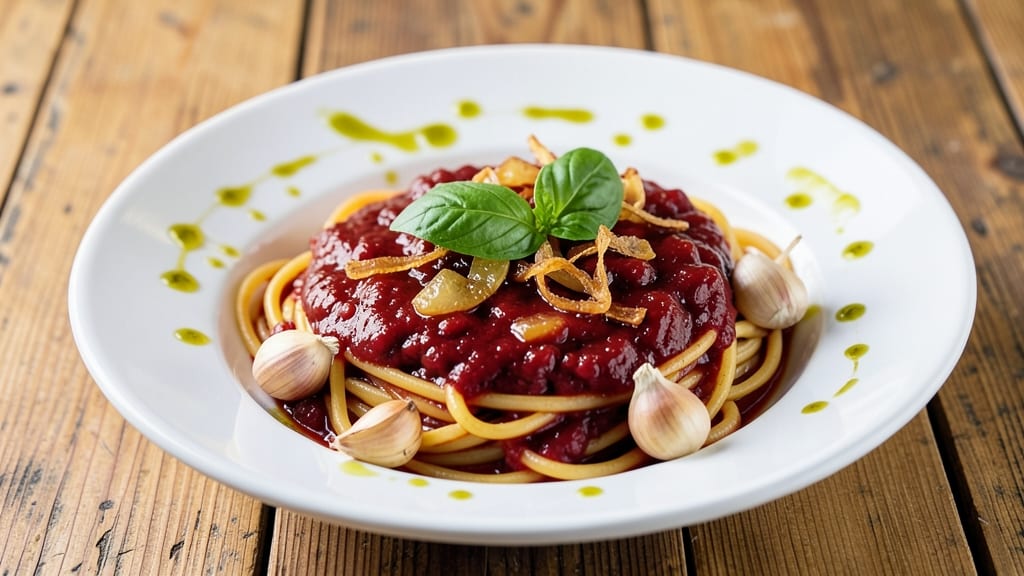
This authentic Italian red pasta sauce recipe transforms simple ingredients into a rich, slow-simmered sauce with layers of tomato depth and aromatic herbs—just like Nonna used to make. The secret lies in caramelizing onions and garlic before adding crushed tomatoes, creating a base so flavorful it elevates any pasta dish.
I’ve perfected this over years of testing, ensuring every spoonful delivers that restaurant-quality taste at home.
What sets this sauce apart is the balance of acidity and sweetness, achieved through a mix of canned San Marzano tomatoes and a touch of sugar.
Fresh basil and oregano infuse the sauce with bright, herbal notes, while a splash of red wine adds complexity that transforms this into something truly special. The slow simmer develops umami richness without overpowering the natural tomato flavor.
By the time you’re done, you’ll have a velvety, deeply flavorful sauce that clings perfectly to pasta—no bland, watery aftertaste here. The texture is ideal for tossing with al dente spaghetti or using as a base for lasagna.
This recipe builds in just 45 minutes but tastes even better the next day, making it perfect for meal prep.
Store leftovers in the fridge for up to 5 days or freeze for 3 months, ensuring you always have a taste of Italy on hand. The sauce thickens as it cools, so add a splash of water or pasta water when reheating for the perfect consistency.
Let’s make this sauce—it’s the heart of every Italian meal.
Ingredients for authentic italian red pasta sauce
Nine simple ingredients for a sauce that tastes like Nonna's kitchen magic.
| Ingredient | Amount | Notes |
|---|---|---|
| Extra-Virgin Olive Oil 🫒 | ½ cup | High quality, fruity |
| Yellow Onion 🧅 | 1 whole | Medium size, finely chopped |
| Garlic Cloves 🧄 | 4 cloves | Peeled, minced |
| Canned San Marzano Tomatoes 🍅 | 28 oz | Crushed by hand |
| Red Wine 🍷 | ½ cup | Bold, dry variety |
| Fresh Basil Leaves 🌿 | ½ cup | Packed, chopped |
| Dried Oregano 🍃 | 1 tsp | Italian variety preferred |
| Granulated Sugar 🍚 | 1 tbsp | Balances acidity |
| Salt 🧂 | 1 ½ tsp | Diamond Crystal preferred |
| Black Pepper 🌶️ | ½ tsp | Freshly ground |
The tomatoes are non-negotiable—San Marzano is the gold standard, but any high-quality canned tomatoes work. Trader Joe's and Whole Foods carry them, or check the Italian section at Costco. Fresh basil is ideal, but dried oregano at half the amount works in a pinch. The red wine should be bold and dry—Cabernet Sauvignon or Chianti are my go-tos, whatever's open. For the onions, yellow or red both work, but yellow adds a touch of sweetness that pairs perfectly with the tomatoes.
No San Marzano tomatoes? Any crushed tomatoes in a can will do, but drain them well to avoid watery sauce. Skip the wine? Substitute with tomato paste mixed with water—just 2 tbsp paste plus 0.5 cup water. Fresh basil? Dried oregano at half the amount saves you, but nothing beats the bright flavor of fresh. The sugar balances the acidity—honey or maple syrup work too if you prefer. For extra richness, add 1 tbsp of tomato paste to the onions while caramelizing.
This sauce tastes even better the next day as flavors meld. Store in an airtight container in the fridge for up to 5 days or freeze for 3 months. The texture thickens when cooled, so add a splash of water or pasta water when reheating. I always make a double batch—one for dinner, one for leftovers. Portion into ice cube trays for easy single-serving use later.
Why You'll Love This Recipe
- No-Chop Nightmare: I swear by this sauce because the onion and garlic barely need chopping—just a rough dice, a quick sauté, and you’re done. The wine deglazes everything while you’re still stirring, so no extra steps or fancy techniques.
- Tomato Magic: That first sip of San Marzano tomatoes simmered with olive oil and garlic? It’s like summer in a jar. The acidity brightens the richness, and the slow reduction turns it into something deep and irresistible—no weird aftertaste, just pure, honest flavor.
- Weeknight Hero: This sauce is my go-to for busy nights—toss it with pasta for dinner, freeze half for later, or even use it in omelets the next morning. It’s the kind of thing that makes you look like a chef without the stress.
- Budget-Friendly Staple: A single can of tomatoes, a bottle of wine, and basic pantry staples stretch for meals. I’ve made this for date nights, family dinners, and lazy Sundays—it’s the kind of sauce that never disappoints and always saves money.
Step-by-step instructions for authentic Italian red pasta sauce
This is how Nonnas make it—slow-simmered, layered with flavor, and packed with that real Italian depth.
Sauté the Onion Until Translucent
Heat the 0.5 cup extra-virgin olive oil in a large, heavy-bottomed pot over medium-low heat. Add the 1 whole yellow onion, chopped into small pieces, and cook for 8-10 minutes until it becomes soft and translucent. You're not looking for color here—just a gentle breakdown of the onion's texture. Stir occasionally so it doesn't stick, but don't rush this step. The slow cooking releases sweetness that forms the sauce's foundation.
If the onion starts to brown too quickly, reduce the heat slightly. The goal is to create a flavor base without any bitterness. This is where the sauce's authentic depth begins—don't skip this patience.
Add Garlic and Cook Until Fragrant
Once the onion is translucent, add the 4 cloves minced garlic and cook for 1-2 minutes until it releases its aroma and turns golden. You'll know it's ready when the kitchen smells like a true Italian trattoria. Be careful here—garlic burns fast, so keep the heat at medium-low and stir constantly. If it starts to darken too quickly, remove the pot from heat for 30 seconds to let it cool slightly before continuing.
This is the moment that matters: the garlic should be fragrant but not crispy. Overcooked garlic turns bitter, and that bitterness will ruin your sauce. Think of it like a perfect al dente pasta—just right, no more, no less.
Deglaze with Wine and Simmer
Pour in the 0.5 cup red wine and stir, scraping up any browned bits from the bottom of the pot. This deglazing step captures all the flavor you've built so far. Let the wine simmer for 3-4 minutes until it reduces by about half and the alcohol smell disappears. You want the wine to meld with the onion and garlic, creating a rich, complex base for the sauce.
Here's the thing—don't walk away. The wine should reduce to a syrupy consistency before you add the tomatoes. If it evaporates too quickly, reduce the heat slightly. This reduction step is what gives the sauce its depth and prevents it from being too thin.
Add Tomatoes and Simmer Low and Slow
Add the 28 oz crushed San Marzano tomatoes, 1 tbsp granulated sugar, 1.5 tsp salt, and 0.5 tsp black pepper to the pot. The sugar balances the acidity of the tomatoes, while the salt and pepper enhance all the flavors. Stir everything together, then reduce the heat to low and let it simmer uncovered for 45-60 minutes. This is where the magic happens—the sauce needs time to develop its rich, complex flavor.
During this time, you'll see the sauce reduce and thicken. Stir occasionally to prevent sticking, but don't over-stir. The goal is to let the flavors meld together naturally. If the sauce gets too thick, add a splash of water or pasta water to loosen it slightly. You're looking for a sauce that coats the back of a spoon but isn't gluey.
Finish with Herbs and Adjust Seasoning
About 10 minutes before the sauce is done, stir in the 0.5 cup chopped fresh basil leaves and 1 tsp dried oregano. The basil should be added late to preserve its bright, fresh flavor. Taste the sauce and adjust the seasoning if needed. You might need a bit more salt or pepper, depending on the tomatoes you used. The sauce should be balanced—acidic but not sour, sweet but not cloying.
Remove the pot from heat and let the sauce sit for 5-10 minutes. This resting period allows the flavors to fully meld together. The sauce will thicken slightly as it cools, so don't worry if it looks a bit loose right now. Serve immediately over your favorite pasta, or let it cool and store it in the refrigerator for up to 5 days. This sauce tastes even better the next day as the flavors continue to develop.
Pro Tips For Making Authentic Italian Red Pasta Sauce
- Sweat the Onion Slow: I used to rush this step, and the sauce would taste raw and sharp. Instead, cook the onion over medium-low heat in the olive oil until it’s translucent and just starting to caramelize—about 8-10 minutes. The longer it cooks, the deeper the flavor, and you’ll taste the difference when the wine and tomatoes join in.
- Deglaze with Wine Immediately: As soon as you remove the onion (and garlic, if you’re using it), pour in the red wine right away—don’t let it cool. The heat helps the wine reduce faster and pulls out more flavor from the pan. Let it bubble for 2-3 minutes until it’s nearly evaporated, or you’ll end up with a watery sauce.
- Crush Tomatoes by Hand: Skip the blender—San Marzano tomatoes are already juicy and sweet, but crushing them with your fingers (or a wooden spoon) breaks down the skins just enough to release their natural sweetness without turning the sauce into a paste. Plus, you’ll avoid the thin, watery texture that comes from over-processing.
- Simmer Uncovered, Low and Long: After adding the tomatoes, resist the urge to cover the pot. Simmering uncovered on low heat for at least 30-40 minutes lets the excess liquid evaporate and concentrates the flavors. Stir occasionally, and if it gets too thick, add a splash of water—but don’t rush this. Patience here makes the sauce rich and balanced.
Best sauces and condiments for these flavors
Classic Marinara
This is the foundation of Italian red sauces—a simple, vibrant tomato-based marinara that's perfect for quick weeknight meals. Start with the same base of caramelized onions and garlic, but skip the wine and reduce the simmer time to just 20-25 minutes.
Add 1 tbsp tomato paste to deepen the flavor, and finish with 0.25 cup fresh basil. The result is a bright, acidic sauce that pairs perfectly with spaghetti or linguine. 🌿
Rich Ragù
For a heartier sauce, transform this into a meat ragù by browning 1 lb Italian sausage and 1 lb ground beef before adding the wine. Deglaze with 0.5 cup red wine, then proceed with the tomato base.
Simmer for 1.5-2 hours to develop deep umami. Finish with 1 tbsp tomato paste and 0.25 cup grated Parmesan for a sauce that's perfect over tagliatelle or pappardelle. 🍖
Creamy Pomodoro
Add a luxurious twist by stirring in 0.5 cup heavy cream or mascarpone cheese during the final 5 minutes of simmering. This creates a silky, velvety sauce that's ideal for fettuccine or penne.
For extra richness, top with 0.25 cup shaved Parmesan and a sprinkle of fresh black pepper. The cream balances the acidity beautifully, making this a crowd-pleaser for special occasions. 🧀
Spicy Arrabbiata
Turn up the heat with 1-2 tbsp Calabrian chili paste or red pepper flakes (start with 1 tsp and adjust). Add the spice during the final 10 minutes of simmering to preserve its fiery kick.
This sauce is perfect for spicy lovers and pairs wonderfully with orecchiette or rigatoni. Garnish with fresh basil and a drizzle of extra-virgin olive oil for a restaurant-quality finish. 🌶️
Herb-Infused Variations
Experiment with different herbs to create unique flavor profiles. For a rosemary version, add 1 tbsp fresh rosemary with the onions. For a thyme twist, stir in 1 tsp fresh thyme during the final 5 minutes.
A basil-pesto finish involves blending 0.25 cup fresh basil, 2 tbsp olive oil, and 1 tbsp pine nuts into the sauce at the end. Each variation adds a new dimension to your dish. ✨
Cheese-Enhanced Sauces
Add depth and creaminess by stirring in 0.5 cup grated Pecorino Romano or Parmesan during the final 5 minutes of simmering. For a ricotta twist, mix in 0.25 cup ricotta cheese at the end for a lighter, airier texture.
These cheese additions elevate the sauce, making it ideal for lasagna or baked ziti. Always add cheese off the heat to prevent curdling. 🧀
Nutrition facts
Frequently asked questions
Why does this sauce need to simmer for so long?
The long simmer (45-60 minutes) is key to developing deep, complex flavors. This slow reduction breaks down the tomatoes' natural sugars and acids, creating a rich, balanced sauce. The wine also needs time to fully integrate without overpowering the tomato base. Patience here makes all the difference!
Can I make this sauce without red wine?
Substitute with 0.5 cup tomato paste mixed with 0.5 cup water for the same depth. Or use 0.5 cup chicken or vegetable broth for a lighter version. The wine adds complexity, but these alternatives still create delicious results.
What's the best pasta to pair with this sauce?
This sauce clings beautifully to spaghetti or linguine for classic dishes. For heartier options, try rigatoni or penne. The sauce's velvety texture also works perfectly in lasagna or baked ziti. Just toss with al dente pasta for the best results!
How do I fix a sauce that's too acidic?
Add a pinch of sugar or honey (about 0.5 tsp) to balance the acidity. If it's still too sharp, stir in 1 tbsp tomato paste or a splash of heavy cream to mellow the flavors. Taste as you go—this sauce should be bright but never sour.
Can I make this sauce in a slow cooker?
Yes! Follow the same steps until adding tomatoes, then transfer everything to a slow cooker. Cook on low for 4-5 hours instead of simmering. The herbs should be added in the last 30 minutes to preserve their freshness. Perfect for hands-off cooking!