
Sauces & Condiments
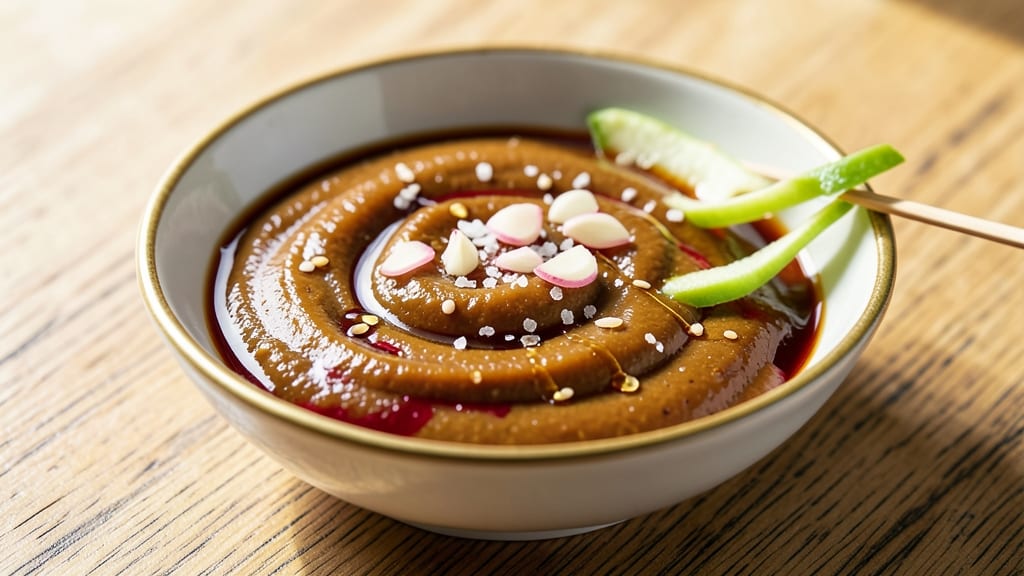
This Asian mustard dipping sauce recipe transforms simple pantry staples into a bold, umami-rich condiment that elevates everything from spring rolls to grilled meats. The secret lies in balancing tangy rice vinegar, toasted sesame oil, and a touch of heat—creating a sauce that’s complex without being complicated.
I’ve perfected this version over countless batches, ensuring the mustard’s sharpness never overpowers the delicate harmony of garlic, ginger, and a hint of sweetness.
The beauty of this recipe is its versatility—it works as a dipping sauce, marinade, or even a glaze for stir-fries. What sets it apart is the slow simmering step, which allows flavors to meld into a cohesive, velvety texture rather than a disjointed mix.
No special equipment is needed, just a saucepan and a whisk, making it accessible for home cooks while delivering restaurant-quality results.
By the time you’re done, you’ll have a sauce that’s bright, aromatic, and packed with layers—where the tang of vinegar cuts through the richness of sesame oil, and the mustard adds a subtle kick. The best part?
It keeps well in the fridge for up to two weeks, so you can make a big batch and use it all week long. This isn’t just a condiment; it’s a flavor multiplier that turns ordinary meals into something extraordinary.
Whether you’re serving up fresh spring rolls, dumplings, or grilled skewers, this sauce will be the star of the show. Let’s get started—your taste buds will thank you.
Ingredients for asian mustard dipping sauce
Simple pantry staples create this bold, umami-packed sauce that transforms everyday meals.
| Ingredient | Amount | Notes |
|---|---|---|
| Dijon Mustard 🌶️ | ½ cup | High-quality for best flavor |
| Rice Vinegar 🍶 | ½ cup | White or seasoned variety |
| Toasted Sesame Oil 🫒 | 2 tbsp | For authentic aroma |
| Low-Sodium Soy Sauce 🍜 | 2 tbsp | Kikkoman preferred |
| Granulated Sugar 🍚 | 1 tbsp | Balances tanginess |
| Fresh Garlic Cloves 🧄 | 3 cloves | Minced for depth |
| Fresh Ginger 🌿 | 1 tbsp | Finely grated, peeled |
| Red Chili Flakes 🔥 | 1 tsp | Adjust for heat preference |
| Sesame Seeds 🌰 | 1 tsp | Toasted for garnish |
| Water 💧 | ¼ cup | Adjust for desired consistency |
The Dijon mustard is the flavor anchor here—Maille or Amoy brands deliver the best balance of sharpness and smoothness. Grab the white rice vinegar from the Asian aisle (it’s tangier than regular) and toasted sesame oil from Trader Joe's or Asian markets for that nutty aroma. The soy sauce? Kikkoman is my go-to, but any low-sodium brand works. Fresh ginger and garlic? Buy organic if possible—their bright flavor holds up during simmering. Skip the pre-minced garlic; smash your own cloves for maximum punch.
No sesame oil? Avocado oil or peanut oil can mimic the richness, though the flavor will differ slightly. Short on rice vinegar? Apple cider vinegar works in a pinch, but reduce to 3 tbsp—it’s sharper. The sugar is non-negotiable for balancing the tang, but honey or maple syrup can swap in at the same amount. Red chili flakes are key for heat, but Sriracha or gochujang (1 tsp) can replace if you’re out. Pro tip: Toast the sesame seeds in a dry pan for 30 seconds before adding—they’ll release their aroma into the sauce as it cooks.
This sauce triples in flavor after 24 hours, so make it a day ahead. Store in an airtight jar in the fridge for up to 2 weeks. The texture will thicken slightly over time, so stir in a splash of water if it gets too stiff. For extra richness, drizzle in 1 tbsp more sesame oil before serving. Freezes beautifully for 3 months—just thaw in the fridge and whisk to recombine. Garnish with toasted sesame seeds right before using for that restaurant-quality finish.
Why You'll Love This Recipe
- Five-Ingredient Magic: I swear by this list—just mustard, vinegar, sesame oil, soy sauce, and sugar. That’s it. No chopping, no peeling, no fancy techniques. Honestly, I keep a jar in my fridge because it’s the kind of sauce that never fails me.
- Umami-Packed Punch: The moment I mix in that toasted sesame oil and a splash of soy sauce? Instant flavor explosion. It’s tangy, salty, and just sweet enough—like a little flavor party in your mouth that works with everything from spring rolls to grilled chicken.
- Leftover Hero: This sauce doesn’t just disappear in one sitting. I’ve had it last me a full week in the fridge, and it only gets better as the flavors meld. Between us, I’ve used it on takeout, as a marinade, and even drizzled it over deviled eggs. Versatile? More like cheat-code versatile.
- Budget Bright Spot: Low-sodium soy sauce and sugar are my wallet’s best friends here. A little goes a long way, and I can stretch this recipe to cover multiple meals without breaking the bank. Plus, it’s one of those sauces where you can adjust the sweetness or tang to your taste—no waste, just flexibility.
Step-by-step instructions for Asian mustard dipping sauce
Here's how to blend this vibrant sauce with perfect balance—tangy, umami-rich, and ready in minutes.
👨🍳 Step 1: Prepare the Aromatics
In a small bowl, finely mince the 3 cloves fresh garlic and grate the 1 tablespoon fresh ginger using a microplane or fine grater. The goal is to create a paste-like texture—this ensures the flavors meld completely into the sauce. I like to press the garlic cloves against the grater with the flat side of my knife for extra efficiency.
Transfer the minced garlic and grated ginger to a small saucepan. Add the 2 tablespoons toasted sesame oil and stir to coat the aromatics completely. Let this mixture sit for 1 minute at room temperature—this allows the sesame oil to begin extracting the flavors from the garlic and ginger. You'll notice the mixture becomes slightly fragrant and the colors deepen.
🍳 Step 2: Simmer the Base Ingredients
Place the saucepan over medium-low heat and add the 0.5 cup rice vinegar, 2 tablespoons low-sodium soy sauce, and 1 tablespoon granulated sugar. Stir well to combine, then bring the mixture to a gentle simmer. You want to see small bubbles forming at the edges but not a vigorous boil—this prevents the vinegar from evaporating too quickly.
Simmer for 3-4 minutes until the sugar dissolves completely and the mixture reduces slightly by about 15%. You'll know it's ready when the sauce thickens just enough to coat the back of a spoon. This reduction step is crucial—it concentrates the flavors and creates that signature tangy depth that makes this sauce so addictive.
🥘 Step 3: Incorporate the Mustard and Chili
Remove the saucepan from heat and let it cool for 2 minutes—this prevents the mustard from curdling when added. Stir in the 0.5 cup Dijon mustard and 1 teaspoon red chili flakes until completely smooth. The mustard will initially thicken the sauce significantly, but don't worry—we'll adjust the consistency in the next step.
Here's where it gets interesting: Taste the sauce now. If it's too thick, add 1 tablespoon at a time of the 0.25 cup water until it reaches a smooth, dippable consistency—similar to thick honey. If it's too thin, simmer it uncovered for 1-2 minutes to reduce further. The perfect texture should cling to your fingers slightly but still flow easily from a spoon.
🔪 Step 4: Finish and Garnish
Return the sauce to low heat (just enough to maintain warmth) and let it steep for 5 minutes. This final step allows all the flavors to meld together completely. You'll notice the aroma becomes even more complex as the toasted sesame oil and garlic flavors deepen.
Remove from heat and stir in the 1 teaspoon toasted sesame seeds. These add a beautiful crunch and visual appeal when garnished. For serving, I like to transfer the sauce to a small bowl and sprinkle the sesame seeds on top. This sauce keeps well in the refrigerator for up to 1 week, making it perfect for meal prep—just give it a quick stir before using to restore the ideal texture.
Pro Tips For Making Asian Mustard Dipping Sauce
- Whisk in Stages: Start by mixing the Dijon mustard and sugar first—this helps dissolve the sugar completely before adding liquids. I learned this the hard way when my sauce ended up grainy, no matter how much I stirred later.
- Use Cold Sesame Oil: Add the toasted sesame oil last and stir it in gently—never heat it. Pouring it over hot sauce will make it separate and ruin the aroma. Trust me, the scent is worth the extra second of patience.
- Balance the Vinegar: Taste before adding all the rice vinegar. If your sauce tastes too sharp, a splash of water or a pinch of sugar can fix it. I used to dump the whole bottle in, only to regret it later.
- Skip the Blender: This sauce is meant to be rustic—no need to blend it smooth. A fork or whisk is all you need, and the texture stays just right for dipping. Over-blending makes it taste flat and industrial.
Essential equipment for this dish
Small Saucepan
You’ll need a small, heavy-bottomed saucepan—I use my 3-quart stainless steel from All-Clad—to prevent scorching during the simmer. A thin or lightweight pan can create hot spots, leading to uneven cooking.
If you don’t have stainless steel, a well-seasoned cast iron or enamel-coated pan works too. Avoid nonstick—it can’t handle the heat needed for proper flavor development. 🔥
Whisk or Silicone Spatula
A whisk is ideal for blending the mustard smoothly, but a silicone spatula works just as well if you prefer scraping every last bit. I keep a OXO Good Grips silicone spatula handy for this recipe—it’s heat-resistant and won’t scratch your pan.
Avoid metal utensils after adding the mustard to prevent curdling. For extra precision, a small rubber scraper helps incorporate the toasted sesame seeds at the end.
Microplane or Fine Grater
Fresh ginger and garlic are non-negotiable for authentic flavor, and a microplane is the fastest way to get them finely grated. I swear by the Mincing Board microplane—it’s durable and creates a paste-like texture that blends seamlessly into the sauce.
If you don’t own one, a fine grater or even a food processor (pulse setting) will work, but you’ll need to strain out any excess liquid. Pro tip: Peel ginger with a spoon—just scrape the skin off with the edge of a spoon for cleaner results.
Measuring Spoons & Cups
Precision matters here, especially with the sesame oil and chili flakes. Invest in a set of stainless steel measuring spoons (like West Bend) and a liquid measuring cup for accurate vinegar and water additions.
The sauce’s balance hinges on these ratios—too much oil and it’ll be greasy; too little vinegar and the tang will fade. I also keep a small funnel handy for transferring the toasted sesame seeds without spills. ✨
Optional: Immersion Blender
If you prefer an ultra-smooth sauce, an immersion blender (like Ninja) can help emulsify the mustard more thoroughly, especially if you’re using whole-grain mustard. Pulse briefly after combining all ingredients to break up any lumps.
Skip this step if your whisking is thorough—over-blending can make the sauce too thin. I only use mine when I’m short on time or dealing with thicker mustard varieties.
Nutrition facts
Frequently asked questions
Can I make this sauce without Dijon mustard?
Yes! You can substitute with 2 tablespoons yellow mustard powder (mixed with 2 tablespoons water) or 1 tablespoon whole-grain mustard. For a deeper flavor, try Japanese karashi mustard (1/4 cup) - it has a similar sharpness but with a hint of spice. The texture will be slightly different, so adjust water as needed for smoothness.
How spicy should this sauce be?
The recipe includes 1 teaspoon red chili flakes, which gives a mild heat. For more kick, add 1/2 teaspoon extra chili flakes or 1/2 teaspoon gochugaru (Korean chili flakes). For those who prefer no heat, simply omit the chili flakes entirely - the sauce will still have great depth from the garlic and ginger. The mustard provides subtle sharpness without spiciness.
Can I use this sauce as a marinade?
This sauce makes an excellent marinade for grilled meats (like chicken or shrimp) or tofu. For best results, marinate for 30-60 minutes (longer for tougher cuts like beef). The acidity in the rice vinegar helps tenderize, while the mustard adds flavor. Just reduce the water to 1 tablespoon to prevent the meat from becoming too moist.
What if my sauce separates or gets too thick?
If the sauce separates, whisk in 1 tablespoon water at a time until smooth. For thickening, simmer uncovered for 1-2 minutes to reduce. The mustard is the main culprit for separation - always let the sauce cool slightly before adding it. For extra insurance, mix the mustard with 1 tablespoon water before incorporating. The ideal consistency should coat the back of a spoon but still flow easily.
How can I make this sauce gluten-free?
Swap the soy sauce for 2 tablespoons tamari (gluten-free soy sauce) or 2 tablespoons coconut aminos. Also ensure your mustard is labeled gluten-free (most Dijon mustards are, but always check). The flavor profile remains similar, though tamari has a slightly different umami depth. For extra richness, add 1/2 teaspoon fish sauce (optional but recommended).